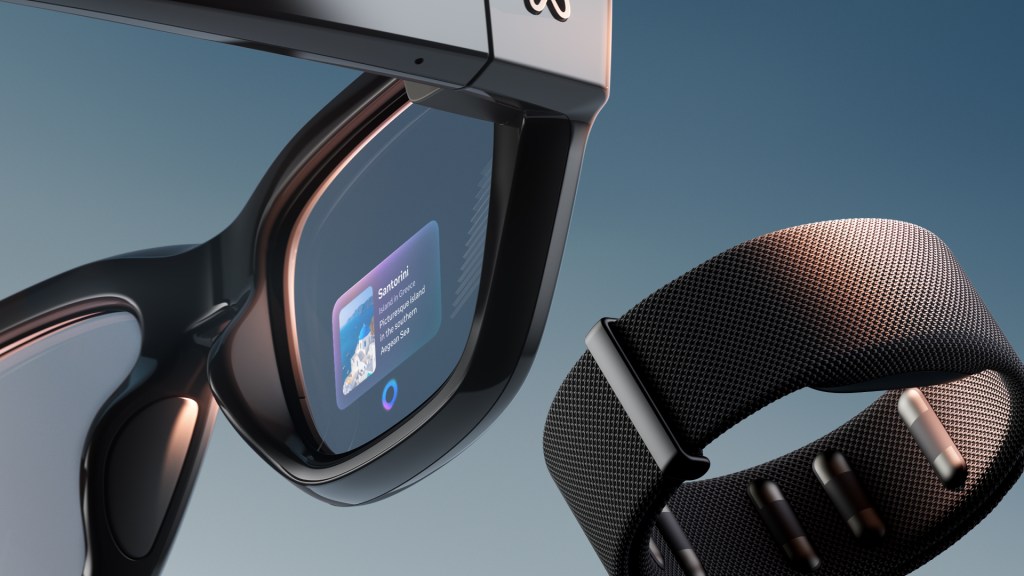


The smart glasses market in 2026 is exciting, but it is also messy. One product records hands-free video. Another turns your handheld console into a private screen. Another shows quiet green text in your lens. Another tries to become full-color AR. They all use the same phrase, smart glasses, but they are not competing for the same buyer.
The useful buying question is not which product has the loudest hype, but which smart glasses should I buy for my life? The answer depends on whether you want capture, AI, a display, privacy, work prompts, travel movies, sports recording, or the earliest version of everyday AR.
Most U.S. buyers should start with Ray-Ban Meta Gen 2 if they want everyday AI glasses, XREAL One Pro if they want a wearable screen, Even Realities G2 if they want a camera-free display, Vuzix Z100 if they need work prompts, and RayNeo X3 Pro only if they knowingly want an early full-color AR showcase.
The Shortlist
Choose this if you want the safest mainstream entry point: familiar eyewear, open-ear audio, hands-free capture, Meta AI, 3K video, and better battery life than the first generation.
Choose this if your real goal is movies, handheld gaming, laptop privacy, travel streaming, or a huge private display rather than AI camera features.
Choose this if you want notifications, translation, teleprompting, and glanceable information without putting a camera on your face.
Choose this if you care about long battery life, a light frame, monochrome heads-up information, workflow prompts, captions, and developer-friendly enterprise use.
Choose this only if you are comfortable paying early-adopter money for full-color MicroLED waveguides, Gemini AI, Snapdragon AR1, camera, navigation, and battery compromises.
First Decide Which Type You Actually Need
The easiest mistake is comparing Ray-Ban Meta directly with XREAL One Pro as if they are two versions of the same product. They are not. Ray-Ban Meta is camera-and-audio eyewear. XREAL One Pro is a private screen. Even G2 is a camera-free display. Vuzix Z100 is a work HUD. RayNeo X3 Pro is a full-color AR experiment. One buyer can love one and hate another for completely rational reasons.
The buying path should start with use case, not brand. If the moment you imagine is walking through a city and asking AI about what you see, start with camera AI glasses. If the moment is watching Netflix on a plane, start with display glasses. If the moment is reading prompts in a meeting without a camera, start with camera-free HUD glasses. If the moment is frontline workflow, start with Vuzix or Mentra. The product category only becomes clear after the use case is clear.
| Product | Type | U.S. Price Context | Best For | Why It Matters |
|---|---|---|---|---|
| Ray-Ban Meta Gen 2 | AI camera glasses | $379+ | Best overall first smart glasses | The safest mainstream starting point: normal Ray-Ban styling, hands-free capture, open-ear audio, Meta AI, 3K video, and better battery life. |
| Oakley Meta HSTN | Sport-styled AI camera glasses | $399+ | Best Oakley-style daily pair | A better fit than Ray-Ban if you want a sportier frame without going fully into training hardware. |
| Oakley Meta Vanguard | Sports AI camera glasses | $499+ | Best for outdoor training | The clearer pick for runners, cyclists, skiers, and outdoor athletes who want POV capture and training integrations. |
| Meta Ray-Ban Display | AI glasses with display | $799 | Best look at Meta's AR direction | Not the safest first buy, but the most important Meta product if you want a screen, private visual prompts, and the neural-band direction. |
| Ray-Ban Meta Blayzer Optics | Prescription-focused AI glasses | Varies by lenses | Best rectangular prescription-style Meta frame | Useful if frame fit, prescription wear, and everyday optical comfort matter more than a flashy feature list. |
| Ray-Ban Meta Scriber Optics | Prescription-focused AI glasses | Varies by lenses | Best round prescription-style Meta frame | A softer Ray-Ban Meta shape for people who want smart glasses to feel like normal optical eyewear. |
| XREAL One Pro | AR display glasses | $599-$649 | Best premium wearable screen | The strongest display-glasses pick for a private screen, gaming, travel movies, and laptop use without wearing a VR headset. |
| XREAL One | AR display glasses | $499 | Best practical XREAL middle choice | The easier XREAL choice if you want the spatial display concept without paying for the top One Pro optics. |
| XREAL 1S | AR display glasses | $449 | Best entry XREAL screen | A cheaper way into the portable-display lane for handheld gaming, movies, and laptop privacy. |
| VITURE Luma Pro | XR display glasses | $449 | Best bright gaming/travel screen | A strong screen-first alternative with a bright 1000-nit display pitch and a clear gaming/media identity. |
| VITURE Beast | XR display glasses | $549 | Best big-screen VITURE option | The VITURE choice for buyers who already know they want a larger, more premium wearable display. |
| RayNeo Air 4 Pro | Display glasses | $299 | Best budget display-glasses experiment | The lower-risk pick if you want to test the wearable-screen idea before spending XREAL One Pro money. |
| Rokid AR Spatial | Display glasses plus media station | Bundle varies | Best bundle-style multi-screen setup | Interesting if you want a glasses-and-station ecosystem instead of only a USB-C display accessory. |
| RayNeo X3 Pro | Full-color AR glasses | $1,099-$1,299 | Best future-facing AR showcase | The boldest AR spec sheet here: full-color MicroLED waveguides, Gemini AI, Snapdragon AR1, camera, translation, and navigation. |
| Even Realities G2 | Camera-free display smart glasses | $599 | Best privacy-aware display HUD | No camera, a discreet display, translation, teleprompting, notes, notifications, and a professional daily-wear pitch. |
| Halliday DigiWindow Glasses | Tiny-display AI glasses | $499+ | Best hidden-display concept | A subtle near-eye prompt system for translation, notes, AI assistance, and lightweight visual information. |
| Vuzix Z100 | Monochrome work HUD | $499 | Best enterprise/workflow HUD | A 38-gram, long-battery, monochrome display product for notifications, captions, navigation, workflow prompts, and enterprise data. |
| Solos AirGo V2 | Camera AI glasses | $299 | Best lower-cost camera AI alternative | A cheaper Ray-Ban Meta alternative with camera AI, modular frame ideas, translation, and multimodal assistance. |
| Rokid AI Glasses Style | Screenless AI glasses | $279-$299 | Best screenless open-AI angle | A lightweight no-display AI path for people who want camera/voice assistance without a wearable screen. |
| Xiaomi AI Glasses | Camera AI glasses | China-first pricing | Best China-ecosystem challenger | Powerful on paper, but U.S. readers should treat availability and ecosystem limits as the real buying filter. |
| Mentra Live | Open-source smart glasses platform | Varies by kit | Best developer/field-work platform | The most interesting option if you care about apps, streaming, field documentation, and open wearable development. |
| Brilliant Labs Halo | Open-source AI glasses | $349 | Best builder-friendly AI experiment | A promising post-Frame product for open-source AI glasses fans, but safer as a watchlist pick than a universal recommendation. |
Best Overall: Ray-Ban Meta Gen 2
Ray-Ban Meta Gen 2 is the best overall recommendation because it is the least weird place to start. It looks like a recognizable pair of Ray-Bans, starts around $379 in the U.S., captures 3K video, supports open-ear audio, works with Meta AI, and pushes the category into normal daily moments instead of asking people to behave like early adopters all day.
The tradeoff is privacy and purpose. These glasses are strongest when you want first-person memories, calls, music, quick AI questions, translation help, or hands-free capture. They are weaker if you want a screen. They are also not socially invisible; camera glasses require etiquette.
Best For Movies, Gaming, And Travel: XREAL One Pro
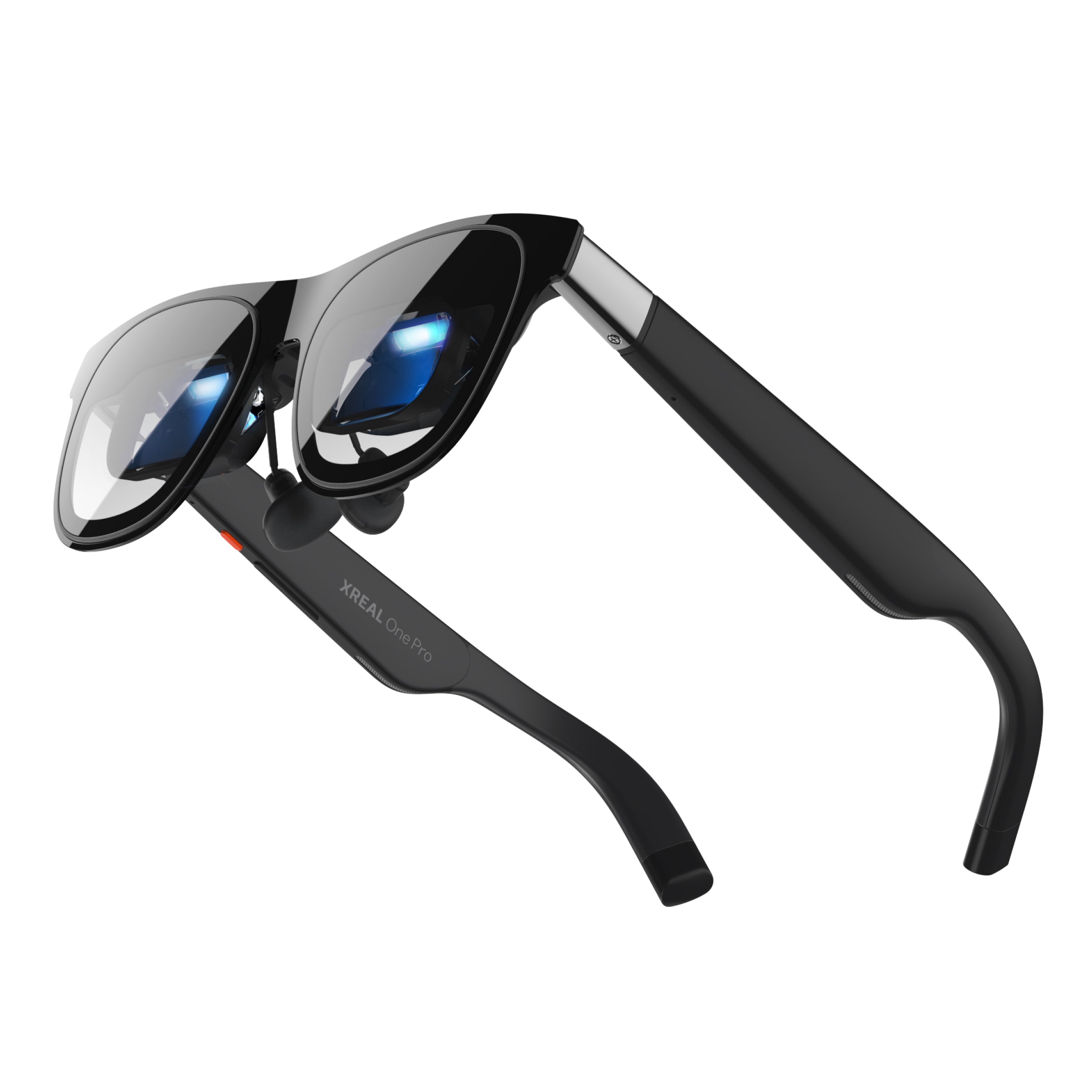
XREAL One Pro is the product I would point to when a reader says, ‘I do not need AI glasses. I want a huge portable screen.’ The official store has listed One Pro at $649, while recent 2026 pricing coverage reported a permanent move toward $599. The exact live price can shift, but the role is stable: premium AR display glasses for gaming, travel video, laptop privacy, and a more portable alternative to a monitor.
This is also where VR readers should pay attention. XREAL does not replace Meta Quest for immersive games or fitness. It replaces the idea of carrying a screen. If your Quest use is mostly watching video, you may find display glasses more convenient. If your Quest use is Beat Saber, Batman, Supernatural, Walkabout Mini Golf, or mixed reality games, you still need a headset.
Best Camera-Free Smart Glasses: Even Realities G2
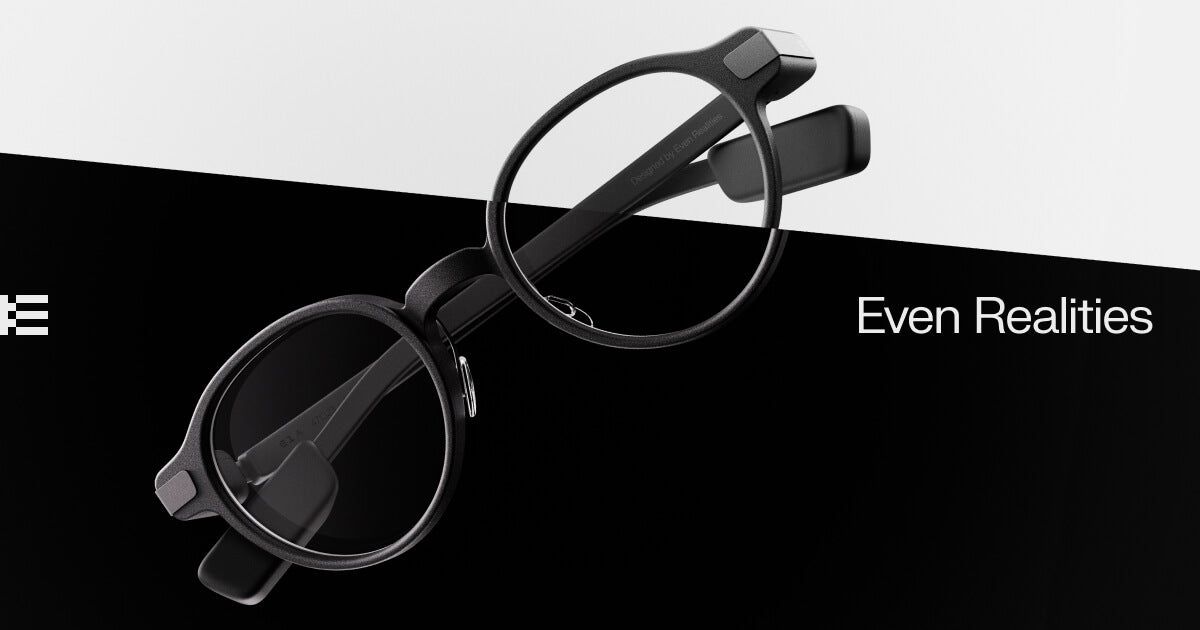
Even Realities G2 matters because it answers the social concern that camera glasses create. The product is built around a camera-free display, real-time translation, teleprompting, notifications, calendar, QuickList, navigation, and AI help. Its official page currently emphasizes 36 grams, Micro LED optics, a 27.5-degree field of view, 1200-nit brightness, prescription support from -12.00 to +12.00, IP65 resistance, and up to two days of battery life with a charging case that holds several recharges.
That does not make it perfect. At around $599, Even G2 is premium, and display smart glasses still depend heavily on software reliability. But if you dislike the idea of wearing a camera in public and still want information in your line of sight, this is one of the most coherent products in the category.
Best Work HUD: Vuzix Z100
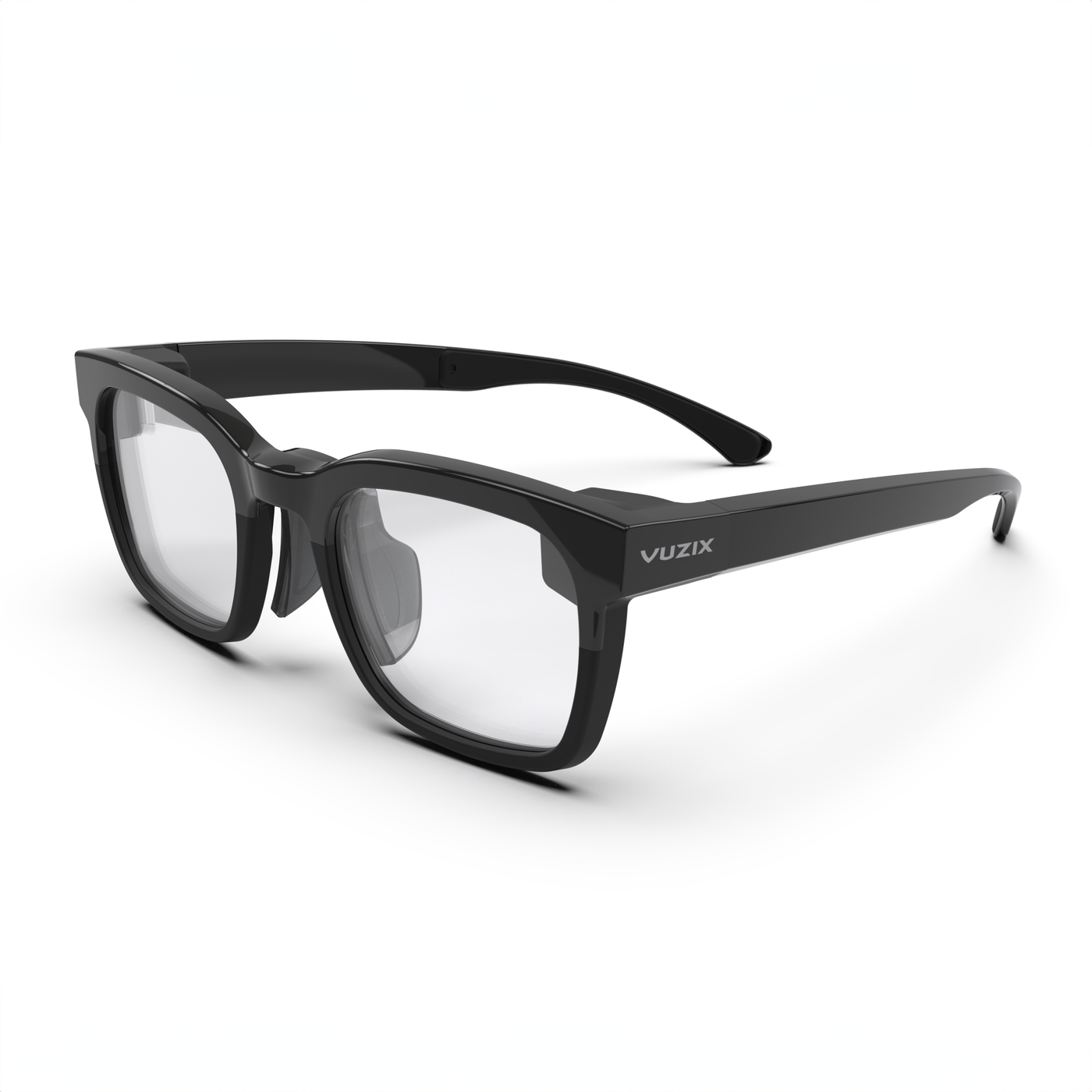
Vuzix Z100 is the quiet specialist. Vuzix announced general availability at $499, with a 38-gram frame, Bluetooth pairing to iOS and Android, a transparent monochrome waveguide display, and up to 48 hours of battery life. That combination makes more sense for workflows than for social media.
If you are a regular consumer, Z100 may feel too specific. If you are a developer, field worker, accessibility-focused user, or enterprise buyer, it may be more relevant than trendier camera glasses. It is the reminder that smart glasses do not always need color displays or cameras. Sometimes the winning feature is one line of information at the right time.
Best Sports Pick: Oakley Meta Vanguard
Oakley Meta Vanguard is the clearest sports answer. Ray-Ban Meta Gen 2 is better for casual daily life, but Vanguard makes more sense if your reason for buying is training. The frame is more athletic, the positioning is more outdoor-oriented, and the product fits running, cycling, skiing, trail footage, and activity sharing better than a fashion-first frame.
Oakley Meta HSTN is the more flexible Oakley choice if you want sport style without going full performance hardware. Vanguard is the sharper answer if workouts are the entire reason you are buying.
Best Value Experiments
If you want to spend less before you know whether smart glasses fit your life, the value lane is different by category. For screenless AI glasses, Solos AirGo V2 and Rokid AI Glasses Style are the most interesting lower-price experiments. For display glasses, RayNeo Air 4 Pro gives buyers a cheaper way to test portable screens. For open-source AI glasses, Brilliant Labs Halo is more of a builder’s bet than a safe mainstream purchase.
Value does not always mean cheapest. It means the least wasteful path for your use case. A $299 product can be bad value if it does not solve your problem. A $599 product can be good value if you use it every week.
Which Products Should Most People Avoid For A First Pair?
Avoid RayNeo X3 Pro as a first pair unless you already know you want early full-color AR. It is fascinating, but it is expensive and still carries the battery, comfort, and maturity questions that come with ambitious AR glasses. Avoid enterprise-focused products like Vuzix Z100 or Mentra Live if your real goal is casual capture. Avoid display glasses if you expect camera AI. Avoid camera AI glasses if you expect a private movie screen.
That sounds obvious, but this category creates confusion because the word ‘smart’ hides the differences. The safest purchase is usually the one that does fewer things but does the one thing you actually need.
Smart Glasses vs Meta Quest
Meta Quest remains the better choice for immersive games, VR fitness, mixed reality apps, social VR, 3D worlds, and anything that needs a headset to take over your attention. Smart glasses are better for normal-day use: walking, traveling, recording, translating, checking prompts, watching a private screen, or keeping information available without stepping out of the real world.
The decision rule is simple. If you want to enter another place, buy Quest. If you want your current place to become slightly more useful, buy smart glasses. Many readers may eventually want both, but they solve different problems.
Final Buying Recommendations
- Buy Ray-Ban Meta Gen 2 if you want the most mainstream everyday AI glasses.
- Buy XREAL One Pro if your main goal is a private screen for gaming, movies, travel, and laptop use.
- Buy Even Realities G2 if you want a camera-free display for prompts, translation, and focus.
- Buy Oakley Meta Vanguard if your smart glasses are mainly for outdoor training and POV sports capture.
- Buy Vuzix Z100 if your use case is work, captions, workflow prompts, or developer/enterprise experimentation.
- Watch RayNeo X3 Pro if you want to study the future of AR, but do not treat it as the safest first pair.
- Watch Brilliant Labs Halo, Mentra Live, Rokid Style, and Solos AirGo V2 if you care more about experimentation and open AI direction than polished mainstream retail.
The smart glasses category is no longer one product race. It is a branching market. The best pair is not the one with the biggest promise. It is the one whose compromise fits your daily life.
All Smart Glasses Guides In This Comparison
- Ray-Ban Meta Gen 2 — Best overall first smart glasses
- Oakley Meta HSTN — Best Oakley-style daily pair
- Oakley Meta Vanguard — Best for outdoor training
- Meta Ray-Ban Display — Best look at Meta's AR direction
- Ray-Ban Meta Blayzer Optics — Best rectangular prescription-style Meta frame
- Ray-Ban Meta Scriber Optics — Best round prescription-style Meta frame
- XREAL One Pro — Best premium wearable screen
- XREAL One — Best practical XREAL middle choice
- XREAL 1S — Best entry XREAL screen
- VITURE Luma Pro — Best bright gaming/travel screen
- VITURE Beast — Best big-screen VITURE option
- RayNeo Air 4 Pro — Best budget display-glasses experiment
- Rokid AR Spatial — Best bundle-style multi-screen setup
- RayNeo X3 Pro — Best future-facing AR showcase
- Even Realities G2 — Best privacy-aware display HUD
- Halliday DigiWindow Glasses — Best hidden-display concept
- Vuzix Z100 — Best enterprise/workflow HUD
- Solos AirGo V2 — Best lower-cost camera AI alternative
- Rokid AI Glasses Style — Best screenless open-AI angle
- Xiaomi AI Glasses — Best China-ecosystem challenger
- Mentra Live — Best developer/field-work platform
- Brilliant Labs Halo — Best builder-friendly AI experiment
Continue Reading
For a broader comparison, these related smart glasses articles are the best next stops.
- Ray-Ban Meta vs Oakley Meta vs XREAL vs Vuzix: Smart Glasses Types ExplainedA smart glasses type guide that explains the difference between AI camera glasses, sports glasses…
- Best AR Display Glasses for Movies and Gaming: XREAL, VITURE, RayNeo, and Rokid ComparedA U.S.-focused AR display glasses comparison for movies, gaming, travel, and laptop use, covering…
- Ray-Ban Meta Gen 2 Guide: Why These AI Glasses Are the Smart Glasses BaselineA U.S.-focused Ray-Ban Meta Gen 2 guide covering price, 3K video, battery life, Meta AI, daily…
- XREAL One Pro Guide: The AR Display Glasses for Gaming, Travel, and a Huge Portable ScreenA U.S.-focused XREAL One Pro guide covering the $649 price, 57-degree field of view, X1 chip…
Sources
- Meta Newsroom: Ray-Ban Meta Gen 2 announcement
- Android Central: Ray-Ban Meta Gen 2 specs and price context
- XREAL official store: XREAL One Pro
- 9to5Google: XREAL One Pro 2026 price cut context
- Even Realities official page: Even G2
- Vuzix: Z100 general availability announcement
- RayNeo official store: X3 Pro AI+AR smart glasses
- VITURE official page: Luma Pro XR Glasses