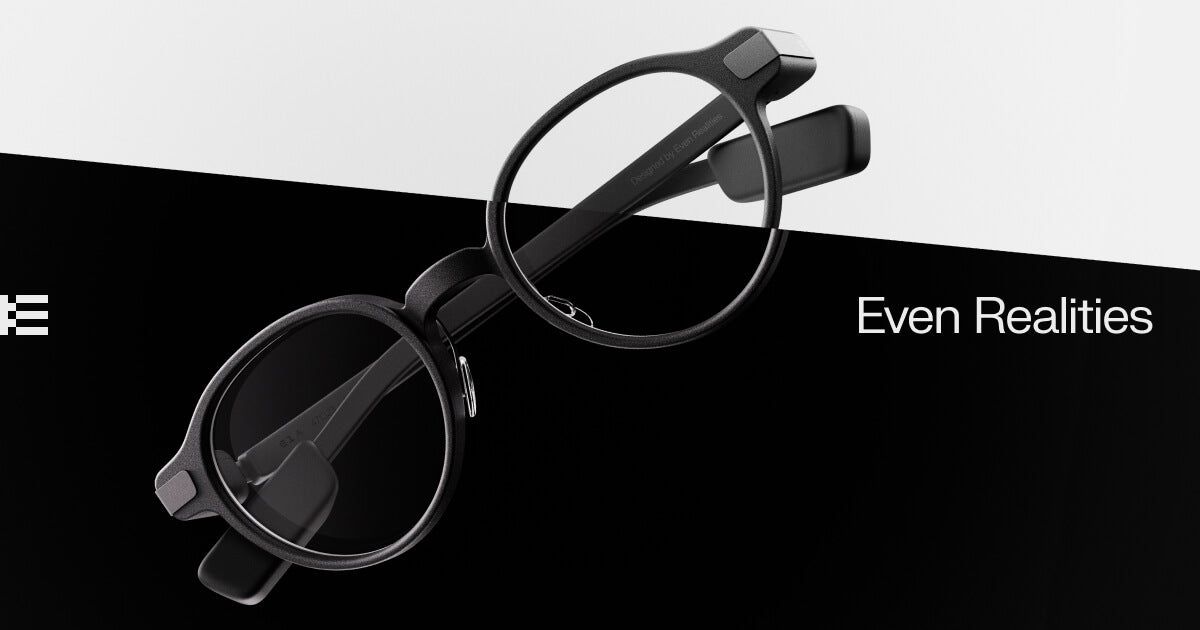
Even Realities G2 belongs in a different lane from the loudest smart glasses. Ray-Ban Meta records the world. XREAL and VITURE turn devices into giant private screens. Rokid Style removes the display and leans into voice AI. Even G2 does something quieter: it puts small, useful information in your line of sight while deliberately avoiding a camera.
That design choice changes the whole product. G2 is not trying to be a creator camera, a VR headset, or a cinema display. It is closer to the old Google Glass dream, but with a more normal frame, better prescription support, no social recording problem, and a feature set built around focus, conversation, translation, teleprompting, and daily reminders.
What Even Realities G2 is
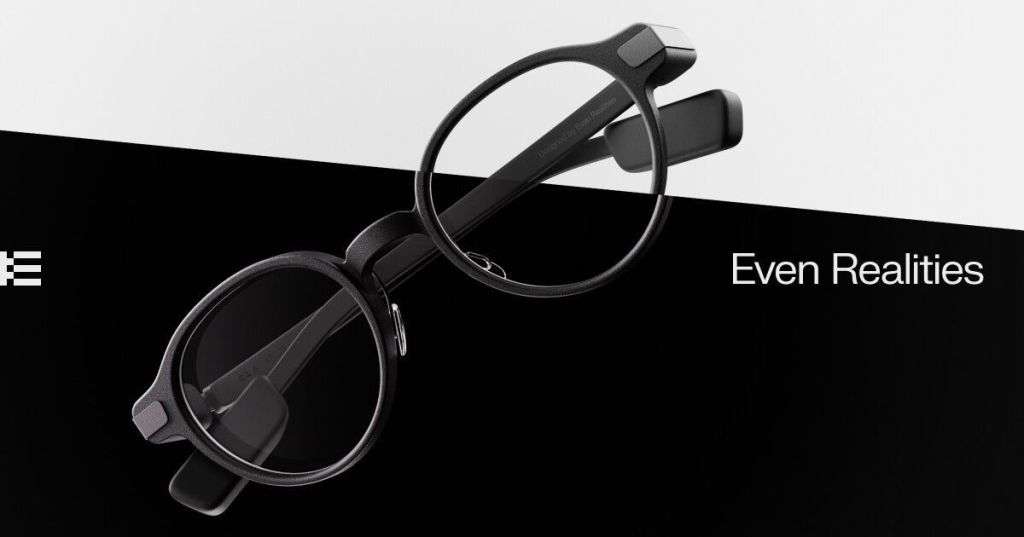
Even Realities G2 is a camera-free pair of display smart glasses. The official product page describes it as everyday display smart glasses for all-day wear, with features such as Conversate, real-time translation, Teleprompt, notifications, calendar, QuickList, hands-free navigation, Ask Even AI, and Even Hub apps. The official price is $599 for the glasses, while the optional Even R1 smart ring is commonly listed separately at $249 in review coverage.
The hardware pitch is subtle: 36 grams, magnesium and titanium construction, camera-free design, custom prescription lenses from -12.00 to +12.00, IP65 dust and water resistance, up to two days of battery life, and a charging case that Even says holds enough power for seven full charges.
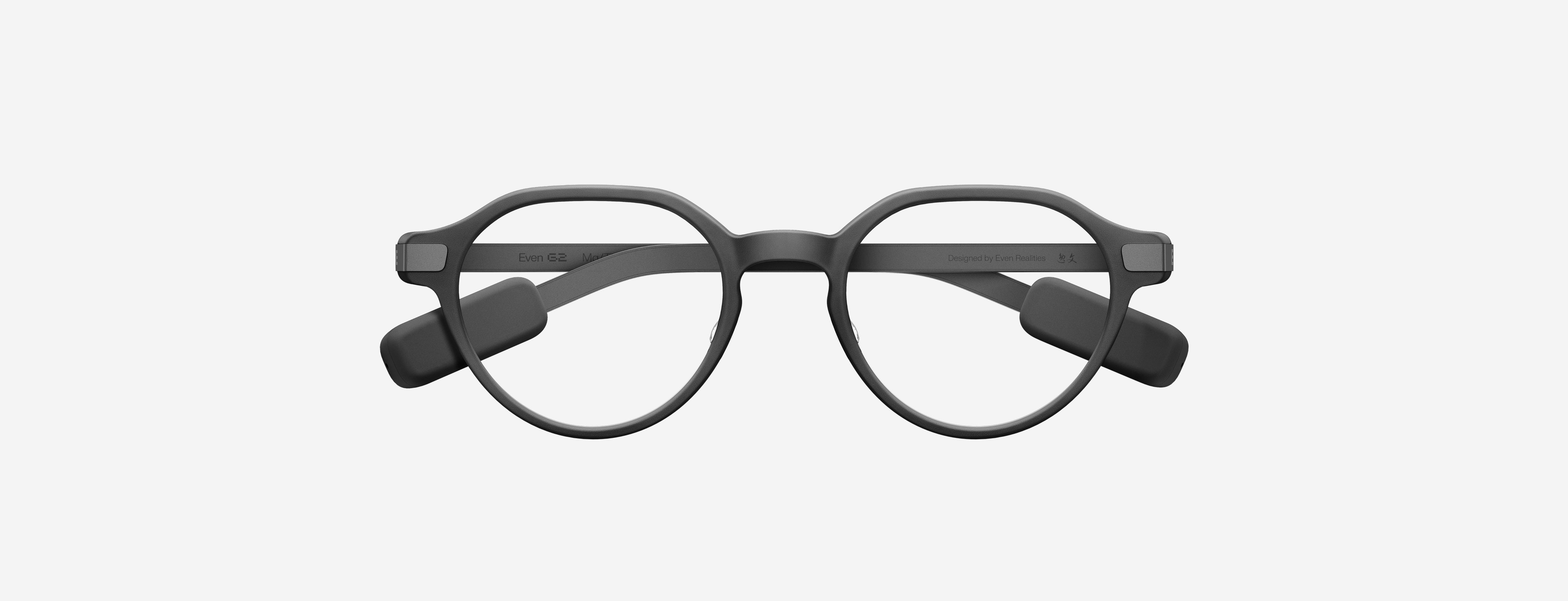
The core specs that matter
- Current official price: $599 for Even G2 on Even Realities’ product page at the time checked.
- Design: camera-free display smart glasses.
- Weight: 36 grams according to Even Realities.
- Materials: magnesium and titanium frame construction.
- Display: heads-up display for prompts, notifications, translation, navigation, and AI cues.
- Lens support: custom prescription lenses from -12.00 to +12.00.
- Battery: up to two days of use, with a charging case rated for seven full charges.
- Durability: IP65 dust and water resistance.
- Controls: temple controls, voice, app, and optional Even R1 ring.
The most important spec is not the display brightness or processor. It is the absence of a camera. Even G2 gives up first-person video, but gains social comfort. In offices, meetings, classrooms, restaurants, and family spaces, that tradeoff may matter more than any spec-sheet win.

Conversate is the feature that defines G2
Conversate is Even’s headline AI feature. The idea is that the glasses can help you stay structured during real conversations. Even describes Prep Notes, AI Cues, and AI Summary as ways to keep key points visible, surface context quietly, and capture a clean recap after complex discussions.
That is a more professional use case than most camera glasses. A sales call, doctor’s appointment, language exchange, interview, class discussion, or family planning conversation can all benefit from quiet prompts. The risk is that software reliability matters enormously. WIRED praised the hardware comfort and AI ambition but also warned that software stability still needs work.
Translation, Teleprompt, and daily focus
Even G2 also makes sense for tasks where a small display is better than voice. Real-time translation can appear in your line of sight. A teleprompter script can stay visible during a presentation. Notifications, calendar entries, reminders, and navigation can be checked without pulling out a phone.
This is where G2 separates itself from Rokid Style. Rokid is lighter and cheaper, but it has no display. Even G2 is more expensive, but it can show information silently. For a meeting, speech, translation moment, or turn-by-turn prompt, that display is the whole point.
The R1 ring makes the system less awkward
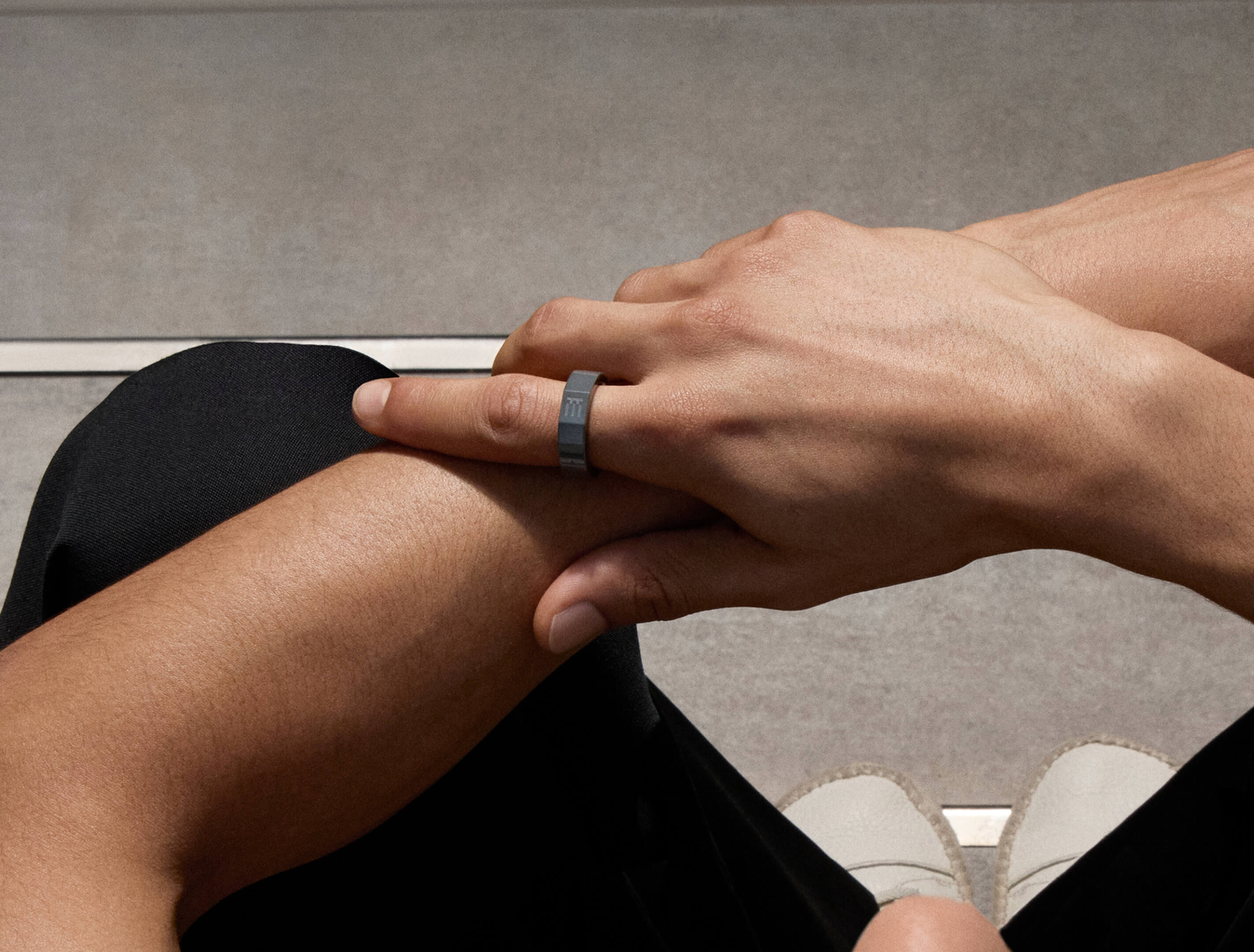
The optional Even R1 smart ring matters because smart glasses often fail at controls. Touching the temple repeatedly can look strange, voice commands are not always appropriate, and phone control defeats the point of wearing glasses. The R1 gives users a subtler way to navigate prompts and features.
Tom’s Guide and WIRED both treated the ring as an important part of the experience, though it adds cost. That makes the real buying decision less like ‘$599 glasses’ and more like a premium system if you want the best control flow. Buyers should budget for the ring if they expect to use G2 heavily.
Who should consider Even Realities G2
- Professionals who want meeting prompts, summaries, calendar cues, and quiet information.
- People who want a display but not a camera because social comfort matters.
- Presenters and speakers who can use Teleprompt without looking down at a phone.
- Travelers and multilingual users who want translation in their line of sight.
- Prescription glasses users who want smart glasses designed around real lens customization.
Who should skip it
- Buyers who want video capture should look at Ray-Ban Meta, Oakley Meta, or Rokid Style.
- Budget shoppers may find $599 plus a possible $249 ring too high.
- VR gamers should buy Meta Quest instead.
- Wearable-display buyers who want movies and games should look at XREAL or VITURE.
- People who need flawless software now should read current reviews carefully before buying.

Even G2 vs Ray-Ban Meta
Ray-Ban Meta is the mainstream smart-glasses reference point because it captures photos and videos, handles calls and music, and ties into Meta AI and social sharing. Even G2 is almost the opposite. It avoids a camera, skips social recording, and focuses on heads-up information.
The buying rule is clean. Choose Ray-Ban Meta if you want capture, audio, and social sharing. Choose Even G2 if you want a discreet display for prompts, translation, notifications, and conversation support without making people wonder whether they are being recorded.
Even G2 vs Rokid Style
Rokid Style is cheaper and lighter, but it has no display. Even G2 is more expensive, but it can show information. That difference matters more than brand. If you want voice-first AI and camera capture, Rokid makes sense. If you want silent visual prompts, Even G2 is the better fit.
This is where the smart-glasses category is getting interesting. Two products can both be ‘AI glasses’ while solving very different problems. Rokid is ambient voice and camera. Even is quiet display and conversation flow.
Even G2 vs XREAL and VITURE
XREAL and VITURE are wearable screens for entertainment, gaming, travel video, and laptop work. Even G2 is not trying to be a 174-inch private cinema. Its display is for useful information, not immersive viewing. That makes it less exciting for games, but more practical for meetings, reminders, and real-world navigation.
For PlayTechDeep readers, this distinction matters. If you want your Steam Deck screen to feel huge, buy display glasses. If you want a quiet line-of-sight assistant for daily life, Even G2 belongs on the shortlist.
Bottom line
Even Realities G2 is one of the more thoughtful smart glasses products because it does not chase every trend at once. No camera. No giant movie screen. No VR promise. Instead, it aims for a normal-looking frame that helps with conversations, translation, teleprompting, notifications, and daily focus.
The price is high and the software still needs scrutiny, but the concept is strong. If smart glasses are going to become everyday tools rather than novelty gadgets, Even G2’s camera-free, display-first approach may be one of the more practical paths.
Continue Reading
For a broader comparison, these related smart glasses articles are the best next stops.
- Ray-Ban Meta vs Oakley Meta vs XREAL vs Vuzix: Smart Glasses Types ExplainedA smart glasses type guide that explains the difference between AI camera glasses, sports glasses…
- Vuzix Z100 Guide: The 38-Gram Smart Glasses Built for Quiet Workflows, Not HypeA U.S.-focused Vuzix Z100 guide covering price, 38g design, 48-hour battery claim, monochrome…
- Halliday DigiWindow Glasses Guide: The $499 AI Glasses With a Tiny Hidden DisplayA U.S.-focused Halliday DigiWindow Glasses guide covering the $499 price, 28.5g design, DigiWindow…
- Mentra Live Guide: The Open-Source Smart Glasses Built for Apps, Streaming, and Field WorkA U.S.-focused Mentra Live guide covering price, MentraOS, MiniApp Store, HD camera…