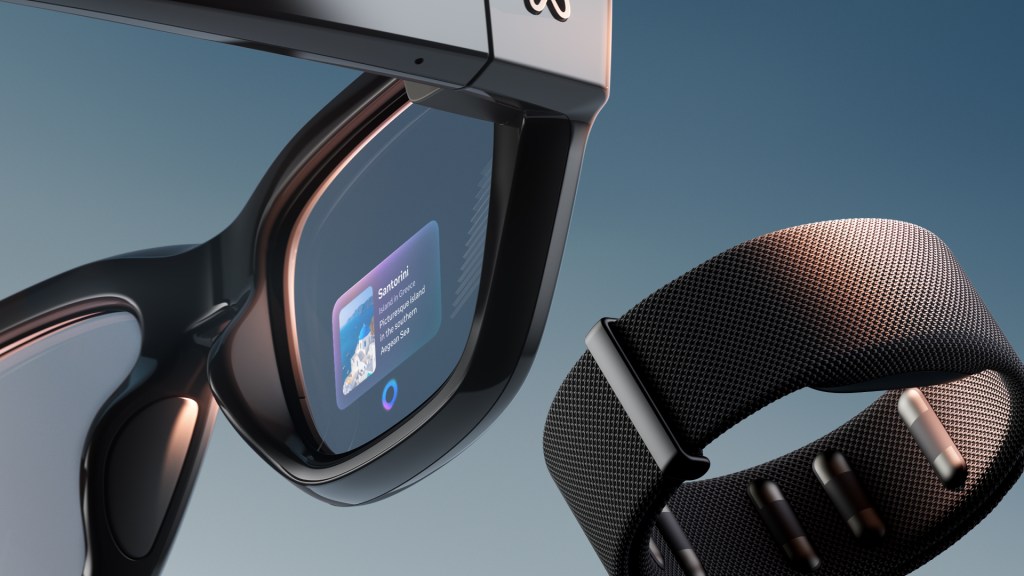
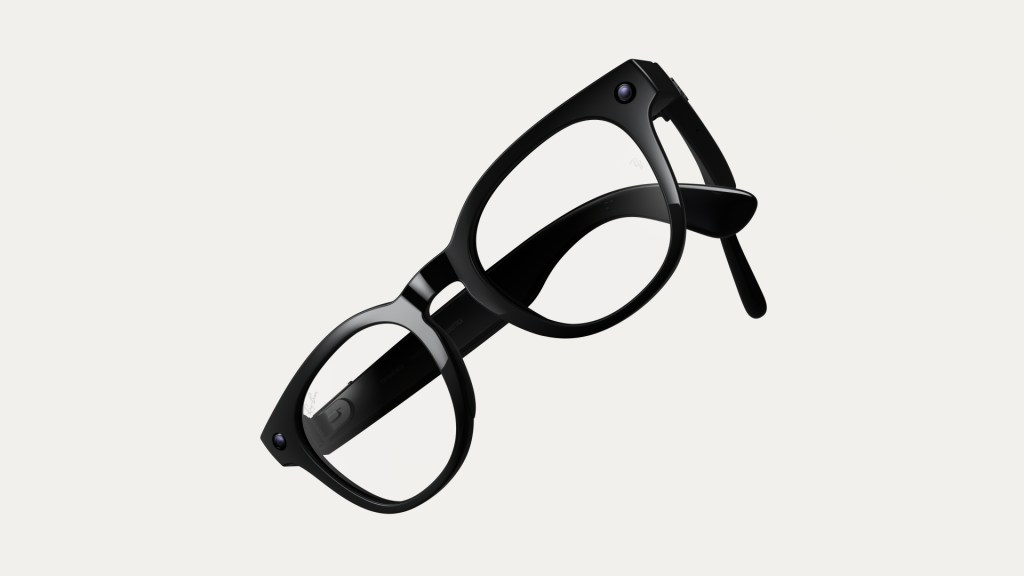
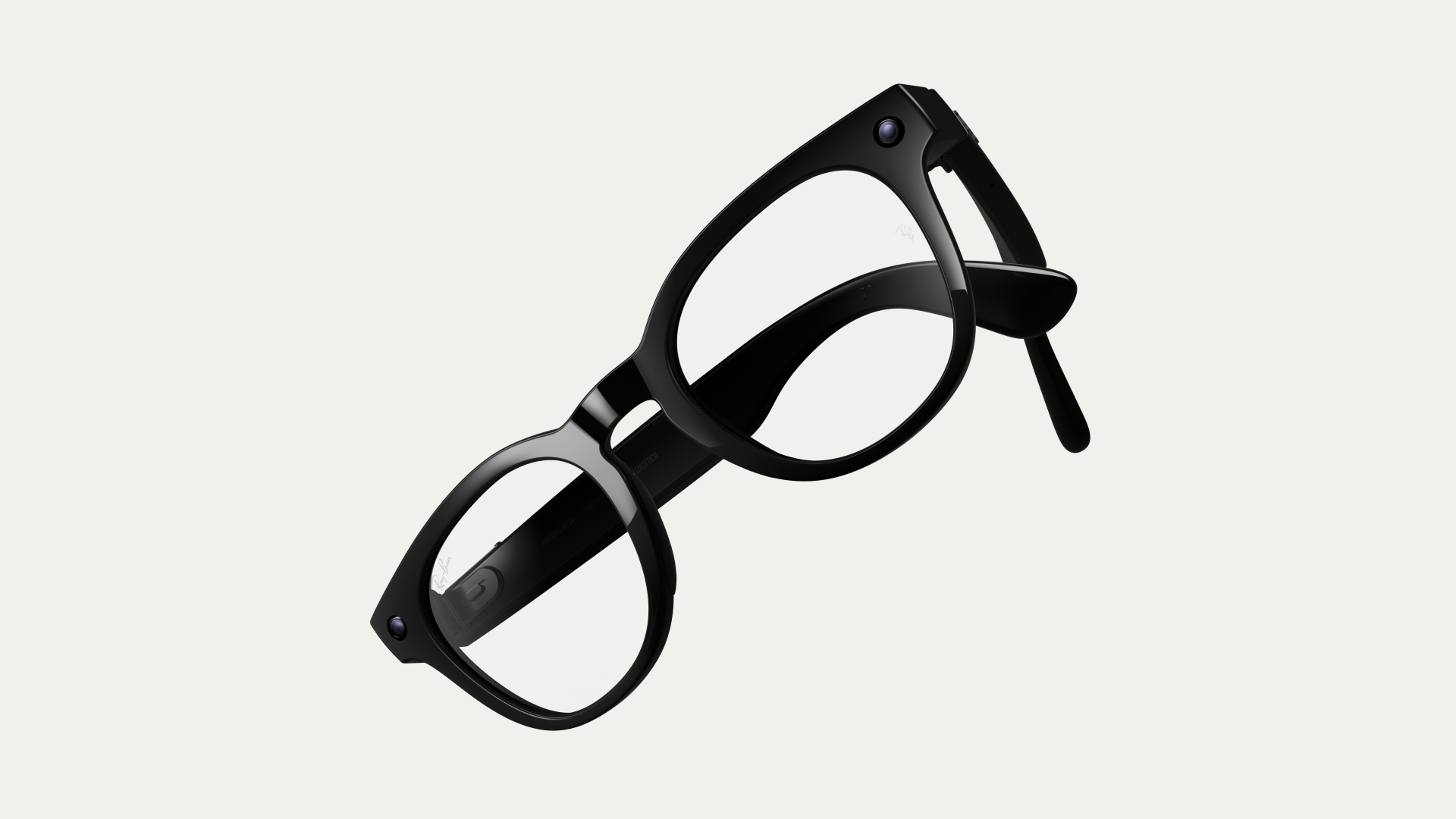
Ray-Ban Meta Blayzer Optics is not the flashiest smart glasses product in Meta’s lineup. That title belongs to Meta Ray-Ban Display. But Blayzer may matter more to ordinary glasses wearers because it starts from a more practical question: what if AI glasses were designed first as prescription eyewear, not as sunglasses that happen to accept prescription lenses?
That distinction is the whole reason this product deserves its own guide. Many people do not choose glasses as an accessory; they wear them from morning to night because they need vision correction. For that group, comfort, fit, prescription support, nose pads, hinge behavior, and optician adjustment are not small details. They decide whether smart glasses are wearable at all.
What Ray-Ban Meta Blayzer Optics is
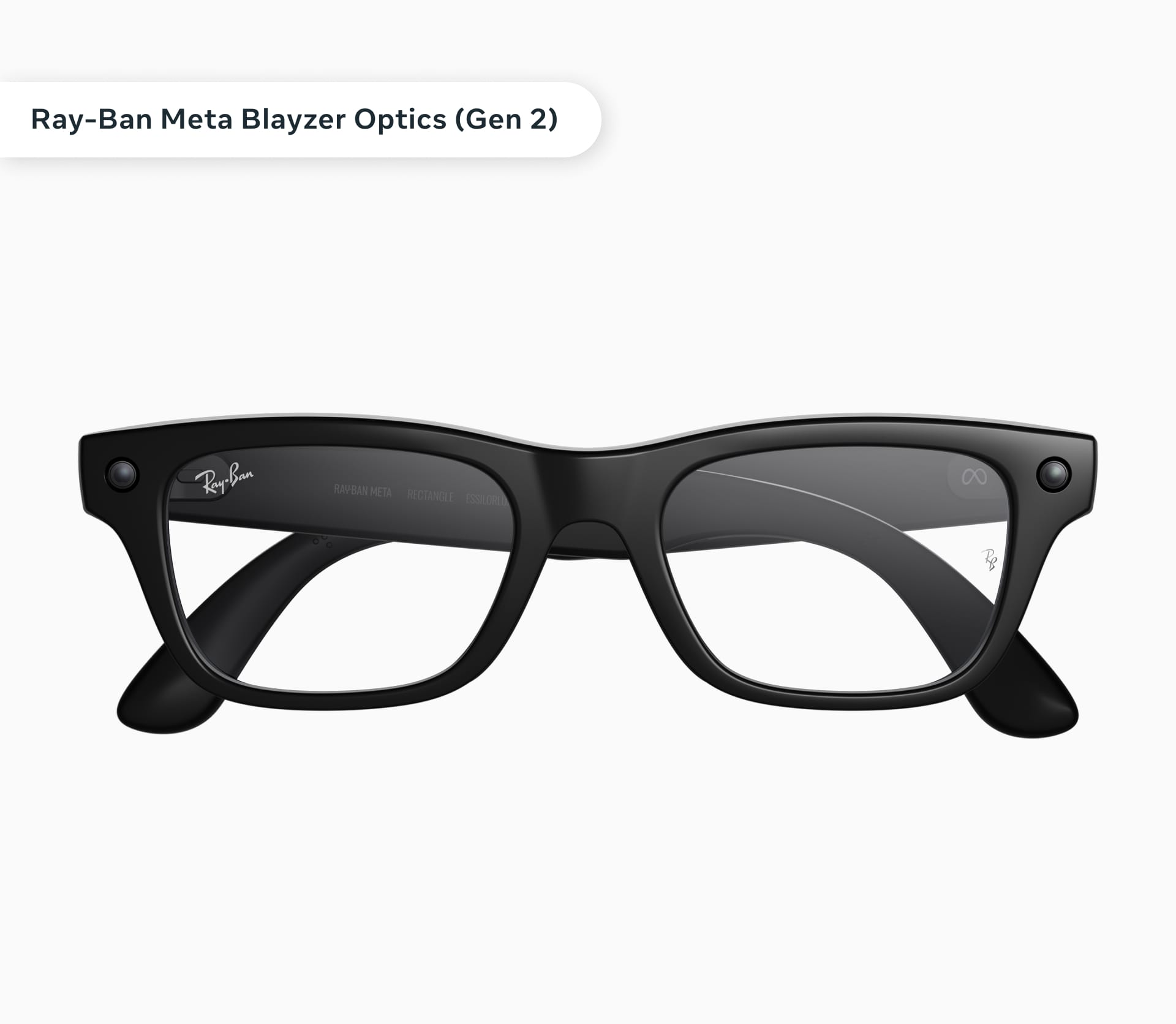
Ray-Ban Meta Blayzer Optics (Gen 2) is one of Meta’s first prescription-optimized AI glasses styles. Meta announced it alongside Ray-Ban Meta Scriber Optics (Gen 2), positioning both as optical-forward frames for people who rely on prescription glasses and all-day eyewear.
Blayzer is the more rectangular style, available in Standard and Large sizes. Scriber is the rounder companion style. The smart hardware belongs to the Ray-Ban Meta Gen 2 family, but the frame design is aimed at prescription wearers who need a better fit and broader optical support.
The core details that matter
- Starting price: $499 USD in the U.S., according to Meta’s announcement.
- Launch timing: U.S. preorders began March 31, 2026, with optical retailer availability beginning April 14.
- Frame style: rectangular Blayzer design, available in Standard and Large sizes.
- Fit hardware: overextension hinges, interchangeable nose pads, and optician-adjustable temple tips.
- Prescription focus: Meta says the new optical-forward styles support nearly all prescriptions.
- Feature family: camera-first Ray-Ban Meta AI glasses, not display glasses.
The important phrase is ‘camera-first.’ Blayzer Optics does not add a display in the lens. It is closer to Ray-Ban Meta Gen 2 than Meta Ray-Ban Display: camera, open-ear audio, microphones, Meta AI, hands-free capture, calls, messaging, and translation features, wrapped in a frame made for prescription-first daily wear.
Why prescription-first design changes the product
A normal smart glasses review often starts with the camera, battery, or AI assistant. Blayzer should start with the bridge of the nose. That sounds unglamorous, but it is the real product story. If glasses pinch, slide, sit wrong, or cannot handle a user’s prescription cleanly, the AI features do not matter because the product will stay in a drawer.
The overextension hinges help the frame adapt to more head shapes. Interchangeable nose pads matter because a tiny fit difference can decide whether the lenses sit at the right height. Optician-adjustable temple tips matter because a professional can tune the frame instead of leaving the wearer stuck with a generic fit.
Who Blayzer Optics is for
- Prescription glasses wearers who want smart glasses as primary eyewear rather than occasional sunglasses.
- Ray-Ban Meta buyers who skipped earlier frames because the fit or prescription handling felt too limited.
- People who prefer rectangular frames over rounder or more fashion-forward styles.
- Daily commuters and walkers who want camera capture, open-ear audio, calls, and Meta AI without changing eyewear throughout the day.
- Smart glasses beginners who need vision correction and want the least experimental Meta option.
Who should skip it
- Display seekers should look at Meta Ray-Ban Display, XREAL, VITURE, or Rokid instead.
- Sports-first users may prefer Oakley Meta Vanguard because it is designed around active movement.
- Budget-sensitive buyers may prefer standard Ray-Ban Meta Gen 2 if prescription-first fit is not essential.
- Privacy-sensitive users should carefully review Meta’s AI, camera, account, and app settings before buying.
- People with complex prescriptions should talk to an optical retailer before assuming any direct online order is the best path.
Blayzer Optics vs Ray-Ban Meta Gen 2
Ray-Ban Meta Gen 2 is the broad baseline: more styles, lower starting price, and the most familiar consumer smart glasses pitch. Blayzer Optics is more specific. It asks for a higher starting price, but gives prescription wearers a frame family designed around optical fit instead of treating prescription support as an add-on.
That makes the buying rule straightforward. If you wear glasses occasionally or mostly want smart sunglasses, standard Ray-Ban Meta Gen 2 may be enough. If you wear prescription glasses all day and want AI glasses to replace your normal pair, Blayzer deserves a closer look.
Blayzer Optics vs Scriber Optics
Blayzer and Scriber share the same prescription-first idea, but they speak different style languages. Blayzer is rectangular and available in Standard and Large sizes, which makes it the more obvious pick for readers who want a sharper, everyday optical frame. Scriber is rounder, softer, and likely better for readers who prefer a classic rounded frame shape.
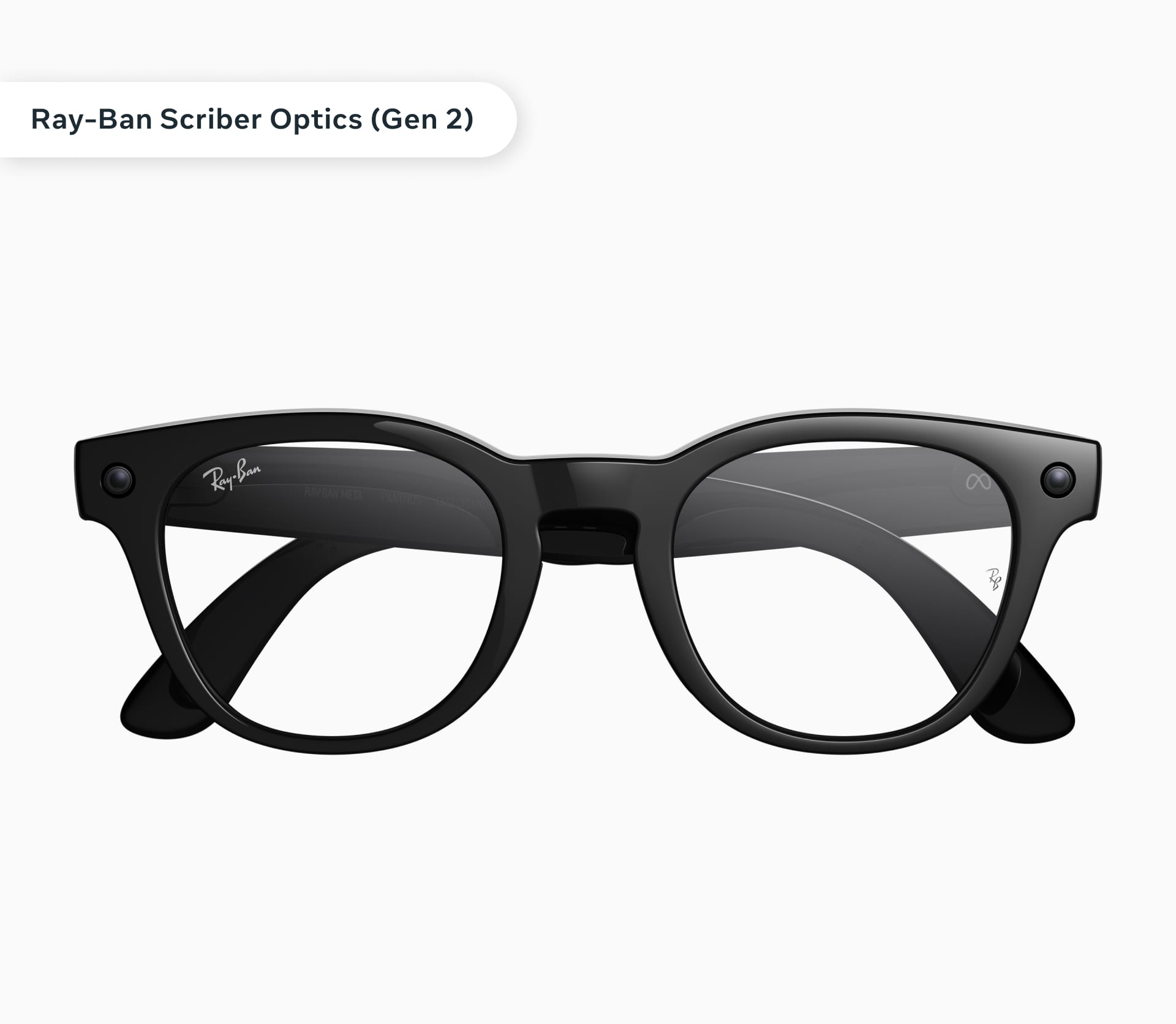
Because the core smart features overlap, the decision between Blayzer and Scriber should probably start with face shape, bridge fit, and the advice of an optician rather than a spec sheet.
How it fits into the smart glasses market
Blayzer Optics is a quieter product than Meta Ray-Ban Display, but it solves a bigger adoption problem. Smart glasses cannot become ordinary if they only work for people who do not depend on prescription eyewear. By moving into optical-first styles, Meta is trying to make AI glasses feel less like a gadget and more like the pair of glasses someone already needs to wear.
That is also why Samsung, Google, and future Android XR partners matter. The next smart glasses fight will not only be about AI models or cameras. It will be about optical retail, prescription handling, frame comfort, style range, and whether people can wear these products for ten hours without thinking about them.
Bottom line
Ray-Ban Meta Blayzer Optics is not the most futuristic smart glasses product, and that is exactly the point. It is a practical step toward making AI glasses wearable for people who already live in prescription frames. For U.S. buyers who want camera-first Meta AI glasses and need all-day optical comfort, Blayzer is one of the most important models in the current lineup.
If you want a display, skip it. If you want VR, buy a headset. But if your real question is whether smart glasses can become your normal daily prescription glasses, Blayzer Optics is the product to watch first.
Continue Reading
If this guide helped, these related smart glasses articles are the best next stops.
- Ray-Ban Meta vs Oakley Meta vs XREAL vs Vuzix: Smart Glasses Types ExplainedA smart glasses type guide that explains the difference between AI camera glasses, sports glasses…
- Ray-Ban Meta Gen 2 Guide: Why These AI Glasses Are the Smart Glasses BaselineA U.S.-focused Ray-Ban Meta Gen 2 guide covering price, 3K video, battery life, Meta AI, daily…
- Oakley Meta Vanguard Guide: Sports AI Glasses Built for Training, POV Video, and StravaA U.S.-focused Oakley Meta Vanguard guide covering the $499 price, 12MP ultra-wide camera, 3K…
- Oakley Meta HSTN Guide: The Everyday Oakley Smart Glasses Between Ray-Ban and VanguardA U.S.-focused Oakley Meta HSTN guide covering the $399 starting price, limited edition $499…