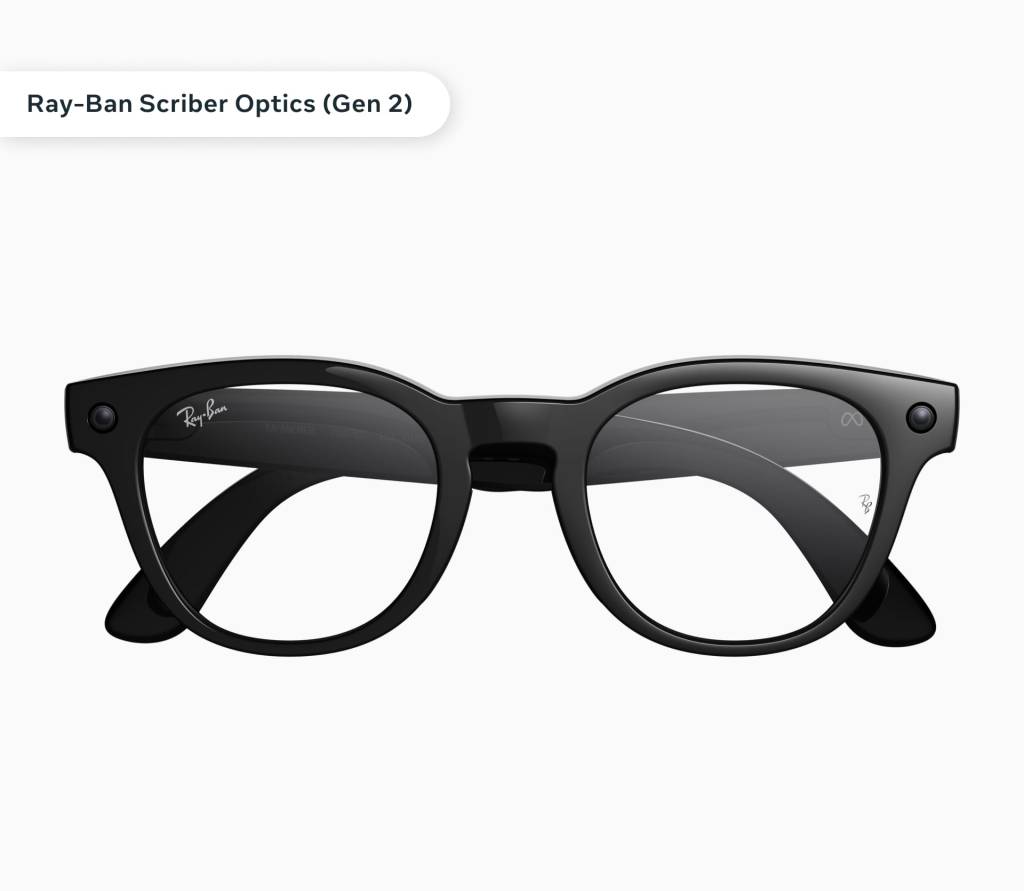
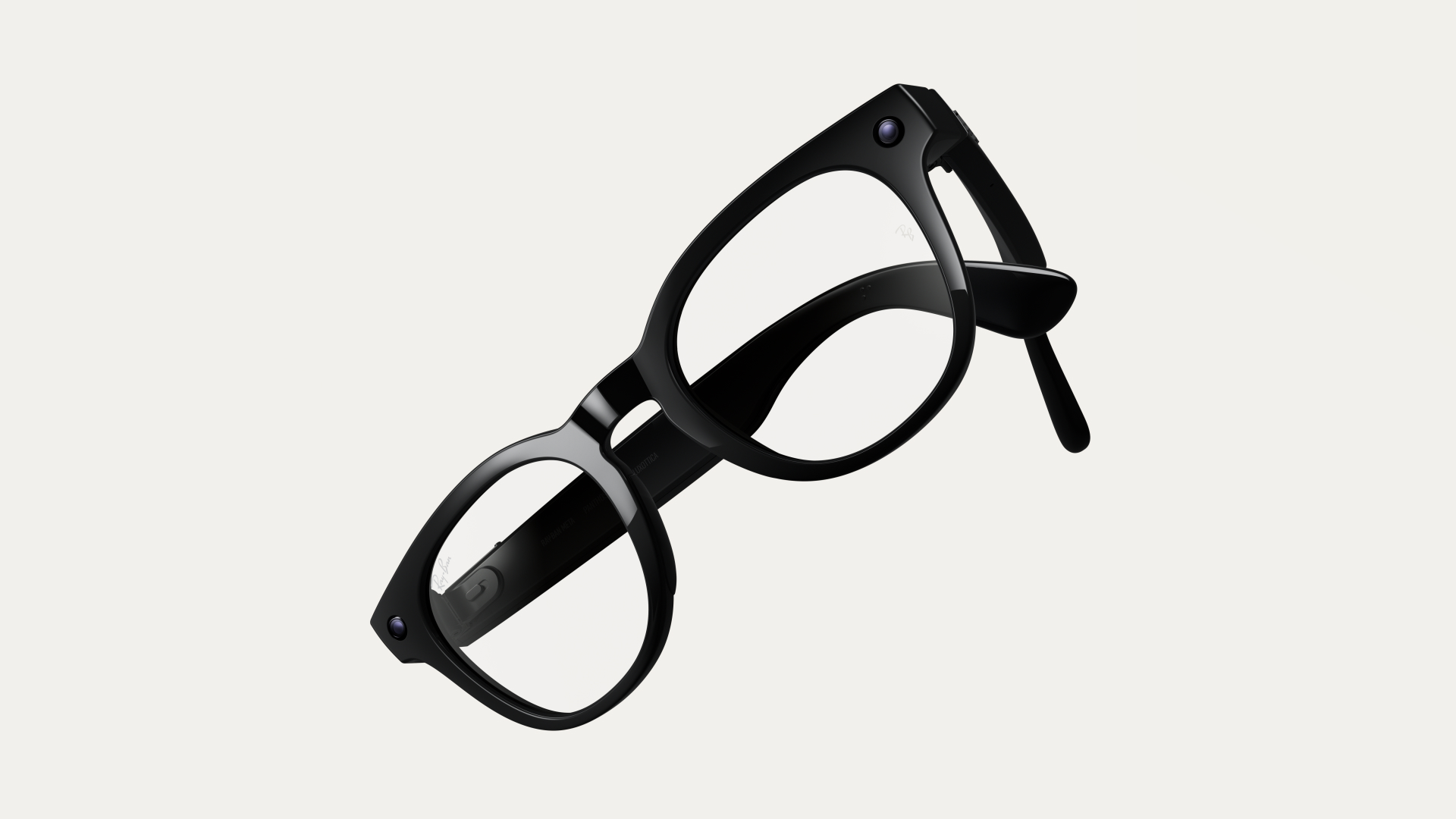
Ray-Ban Meta Scriber Optics is the softer, rounder sibling to Blayzer Optics. That may sound like a style detail, but in prescription smart glasses, frame shape is not cosmetic fluff. If the glasses sit on your face all day, style, lens shape, bridge fit, and comfort become part of the technology.
Scriber matters because it gives prescription wearers a second optical-first option inside the Ray-Ban Meta Gen 2 family. Blayzer is rectangular and sharper. Scriber is rounder, calmer, and more classic. The smart features are similar, but the wearer it fits may be different.
What Ray-Ban Meta Scriber Optics is
Ray-Ban Meta Scriber Optics (Gen 2) is one of Meta’s first AI glasses styles built around prescription wear. Meta announced it with Blayzer Optics as part of a push toward frames that work better for people who need everyday vision correction rather than occasional smart sunglasses.
The product belongs to the Ray-Ban Meta Gen 2 hardware family, so the core idea remains camera-first AI glasses: hands-free capture, open-ear audio, calls, messages, Meta AI, translation features, and app-connected controls. Scriber does not have an in-lens display. If you want a screen, Meta Ray-Ban Display is the different product.
The core details that matter
- Starting price: $499 USD in the U.S., according to Meta’s announcement.
- Product family: Ray-Ban Meta Gen 2 AI glasses, optimized for prescription wear.
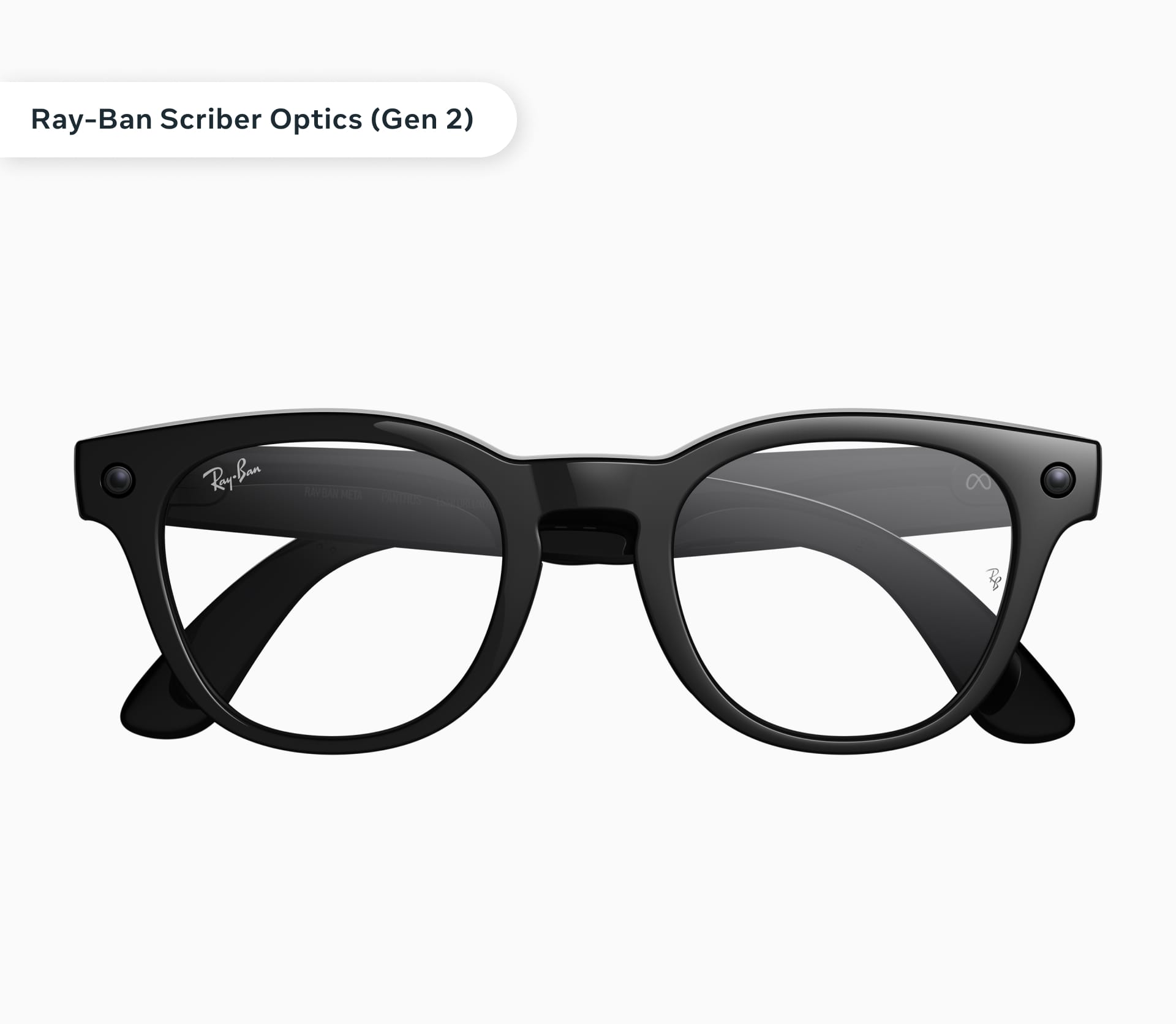
- Frame shape: rounder Scriber design for readers who prefer softer optical frames.
- Fit features: overextension hinges, interchangeable nose pads, and optician-adjustable temple tips.
- Prescription support: Meta says the new Optics styles support nearly all prescriptions.
- Best comparison: Blayzer Optics if you prefer rectangular frames; Scriber if you prefer rounder frames.
The $499 starting price makes Scriber more expensive than the lowest Ray-Ban Meta Gen 2 entry point, but the price is easier to understand if you are buying primary prescription eyewear. This is not just a gadget clipped to your day. It is trying to become the pair of glasses you actually wear.
Why round frames deserve a separate guide
Round frames change how glasses sit on a face and how they read socially. They can look softer, less sporty, more classic, and sometimes less tech-forward. That matters for smart glasses because the best wearable computer is the one people are willing to wear in public without feeling like they are announcing a gadget.
Scriber should appeal to readers who want AI features but do not want the sharper rectangular look of Blayzer. It may also fit people whose face shape works better with round lenses or whose personal style already leans toward classic optical frames.
Who should consider Scriber Optics
- Prescription glasses wearers who want AI glasses as everyday eyewear.
- Readers who prefer round frames over rectangular or sporty shapes.
- People who want camera-first AI glasses without a built-in display.
- Commuters and daily walkers who want open-ear audio, capture, calls, and quick Meta AI help.
- Style-sensitive buyers who avoided earlier smart glasses because they felt too gadget-like.
Who should skip it
- Display-first buyers should look at Meta Ray-Ban Display, XREAL, VITURE, or Rokid.
- Sports users should consider Oakley Meta Vanguard instead.
- People who prefer angular frames should compare Blayzer Optics first.
- Budget-focused buyers should compare standard Ray-Ban Meta Gen 2 pricing.
- Privacy-sensitive users should review camera, AI, account, and app controls before buying.
Scriber Optics vs Blayzer Optics
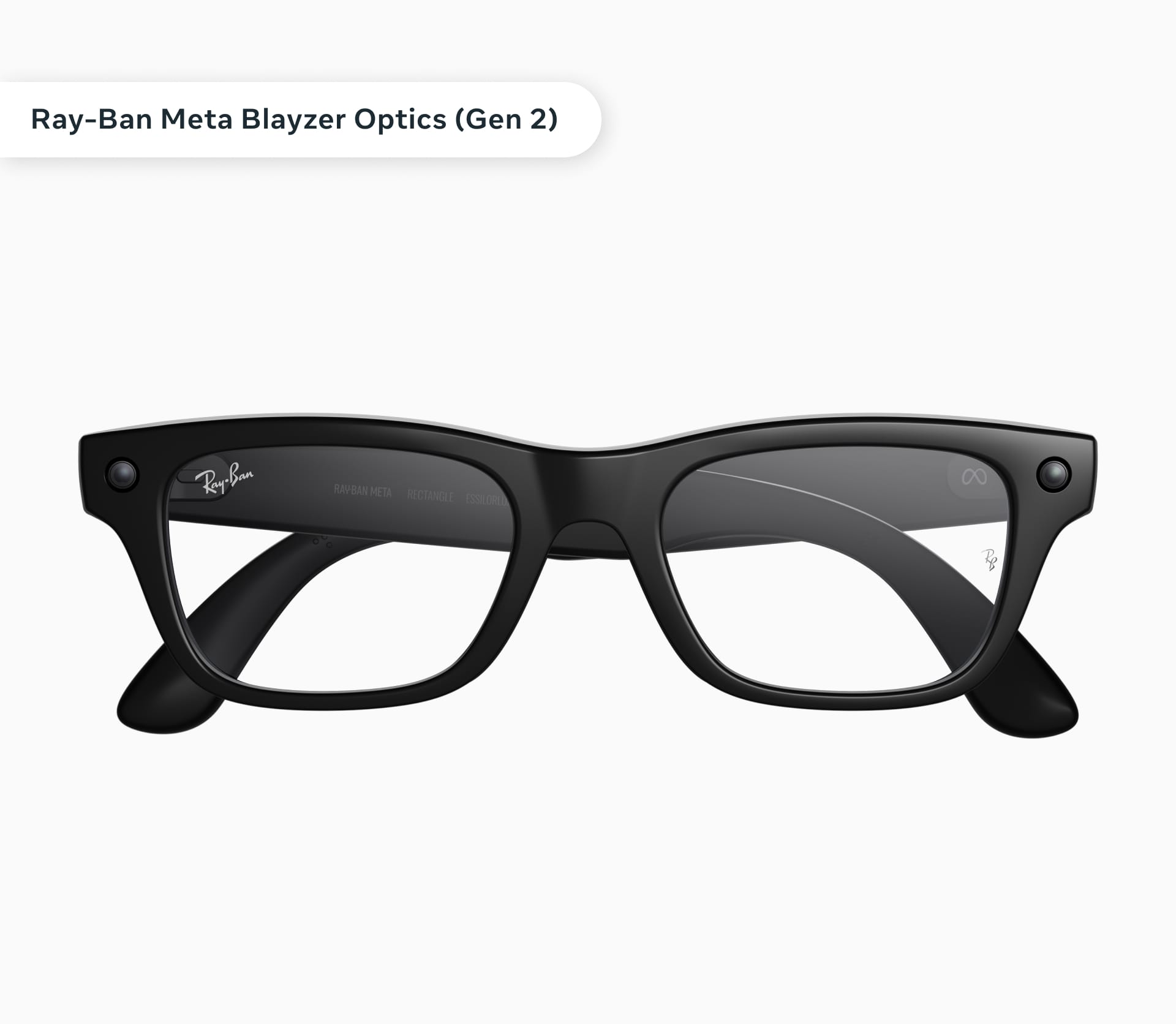
Scriber and Blayzer are best understood as style and fit alternatives, not separate technology tiers. Scriber is rounder. Blayzer is rectangular and comes in Standard and Large sizes. Both are prescription-optimized Ray-Ban Meta Gen 2 styles, and both are meant to solve the same adoption problem: AI glasses need to work as real glasses.
The right choice should start with the face, not the spec sheet. If round frames usually flatter you and feel natural, Scriber is the cleaner option. If rectangular frames sit better, look sharper, or give your prescription lenses a better practical shape, Blayzer may win.
Scriber Optics vs Meta Ray-Ban Display
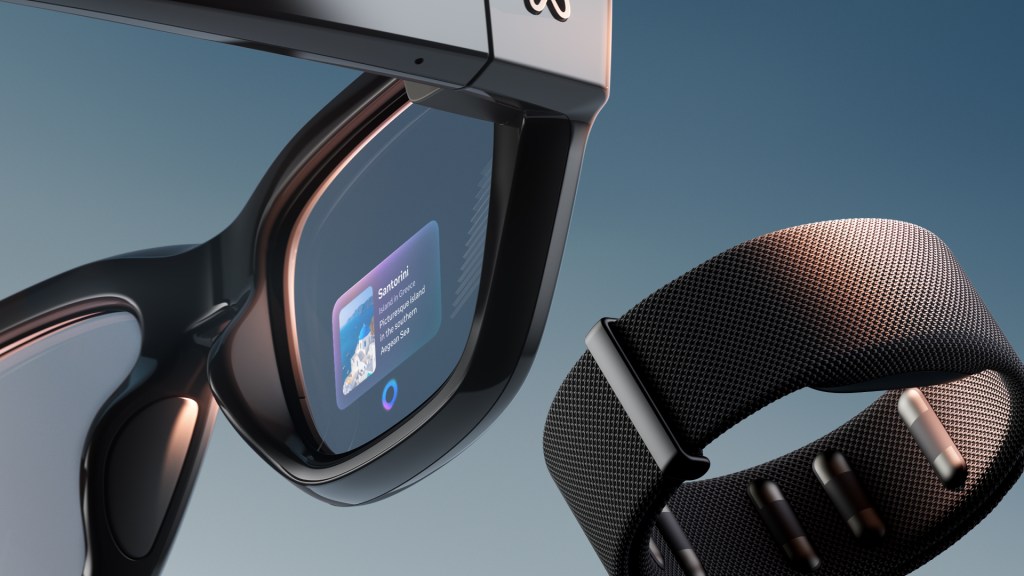
Meta Ray-Ban Display is the more futuristic product because it adds a private in-lens display and Neural Band input. Scriber is the more ordinary product because it stays camera-first and display-free. That makes Scriber less ambitious, but also easier to imagine as daily eyewear for someone who does not want a screen in their lens.
The clean rule is this: choose Scriber if your priority is prescription eyewear plus camera-first AI features. Choose Meta Ray-Ban Display if your priority is visual information in the lens and you are comfortable with early-adopter pricing and availability.
How it fits into the smart glasses market
Scriber Optics shows that smart glasses are moving from a single gadget style into a real eyewear portfolio. That matters because glasses are personal. A phone can be the same slab for everyone. Glasses cannot. They sit on the face, affect identity, carry prescription needs, and have to survive all-day comfort.
That is why Scriber is worth covering even though it shares much of its hardware story with Blayzer. The future of AI glasses will not be one perfect frame. It will be a catalog of frame shapes, prescriptions, lens options, and comfort solutions wrapped around similar AI features.
Bottom line
Ray-Ban Meta Scriber Optics is the round-frame answer to the same question Blayzer asks: can AI glasses become normal prescription eyewear? For people who want a softer frame shape and do not need a display, Scriber may be the most wearable Meta smart glasses option in the prescription-focused lineup.
It is not the best choice for VR, big screens, sports, or early AR display experiments. It is for people who want their everyday glasses to quietly gain camera, audio, AI, and communication features without changing the way they present themselves.
Continue Reading
If this guide helped, these related smart glasses articles are the best next stops.
- Ray-Ban Meta vs Oakley Meta vs XREAL vs Vuzix: Smart Glasses Types ExplainedA smart glasses type guide that explains the difference between AI camera glasses, sports glasses…
- Ray-Ban Meta Gen 2 Guide: Why These AI Glasses Are the Smart Glasses BaselineA U.S.-focused Ray-Ban Meta Gen 2 guide covering price, 3K video, battery life, Meta AI, daily…
- Oakley Meta Vanguard Guide: Sports AI Glasses Built for Training, POV Video, and StravaA U.S.-focused Oakley Meta Vanguard guide covering the $499 price, 12MP ultra-wide camera, 3K…
- Oakley Meta HSTN Guide: The Everyday Oakley Smart Glasses Between Ray-Ban and VanguardA U.S.-focused Oakley Meta HSTN guide covering the $399 starting price, limited edition $499…