Check Compatibility Before Choosing
XREAL says One Pro requires USB-C DisplayPort video output. A USB-C connector’s shape alone does not prove that a phone, tablet, computer, or console can send compatible video, so verify the host device before buying.
For this comparison, check the complete setup rather than assuming the glasses are ready to use. Include any required adapters and prescription inserts in your budget, and review the seller’s return policy before committing.
AR display glasses are the smart glasses category most VR readers understand fastest. They do not try to record your life like Ray-Ban Meta, and they do not replace Meta Quest for immersive games. Their job is simpler: turn a phone, laptop, handheld console, or streaming device into a private wearable screen.
That makes the buying question very different from camera AI glasses. You are not asking, ‘Which glasses have the smartest assistant?’ You are asking: which pair gives me the best screen for movies, gaming, travel, and laptop use without becoming uncomfortable or overcomplicated?
For the full smart glasses landscape, read Best Smart Glasses in 2026 and Smart Glasses Types Explained first if you are still comparing camera glasses, display glasses, and work HUDs.
The Best AR Display Glasses Shortlist
Pick this if you want the cleanest high-end wearable screen and are willing to pay more for optics, spatial display behavior, and a stronger overall package.
Pick this if brightness, 120Hz media, travel use, and gaming are the center of the purchase.
Pick this if price matters and you still want HDR10 support, a big virtual screen, and B&O-tuned audio.
Pick this if you want a Station 2-style computing hub and multi-window workflow instead of only plugging glasses into another device.
| Product | U.S. Price Context | Best For | Why |
|---|---|---|---|
| XREAL One Pro | $599-$649 | Best premium all-around display glasses | Strong optics, spatial chip, premium wearable-screen experience, and the cleanest high-end recommendation. |
| XREAL One | $499 | Best practical XREAL middle option | A more sensible XREAL step if you want spatial display features without paying for One Pro. |
| XREAL 1S | $449 | Best entry XREAL option | A lower-cost way into the XREAL lane for travel movies, handheld gaming, and laptop privacy. |
| VITURE Luma Pro | $449 | Best bright gaming/travel alternative | A 1000-nit, 120Hz, 1200p display-glasses option with a strong gaming and media identity. |
| VITURE Beast | $549 | Best big-screen VITURE option | The VITURE choice for buyers who already know they want a bigger and more premium wearable screen. |
| RayNeo Air 4 Pro | $299 | Best value for HDR movies and gaming | HDR10 support, B&O-tuned audio, 120Hz HD entertainment, and a much lower entry price. |
| Rokid AR Spatial | $598-$648 kit context | Best multi-screen bundle concept | Max 2 plus Station 2 creates a 300-inch, three-window spatial setup for media and productivity. |
| RayNeo X3 Pro | $1,099-$1,299 | Not a normal display-glasses pick | Full-color AR showcase with waveguides and Gemini AI, but not the safest choice for simple movies or gaming. |
What AR Display Glasses Are Good At
Display glasses are strongest when your current screen is too small, too public, or too awkward to hold. They make sense on planes, in hotels, on a couch, at a desk, in a coffee shop, or with a handheld console. The best use cases are movies, streaming, cloud gaming, Steam Deck or Switch-style handheld play, laptop privacy, and light productivity.
They are weaker when buyers expect full AR. Most display glasses in this lane are closer to wearable monitors than true spatial computers. That is not a flaw if you buy them for the right reason. A wearable monitor can be extremely useful. It just should not be sold in your head as a Quest replacement or a full AR headset.
XREAL One Pro: Best Premium All-Around Pick
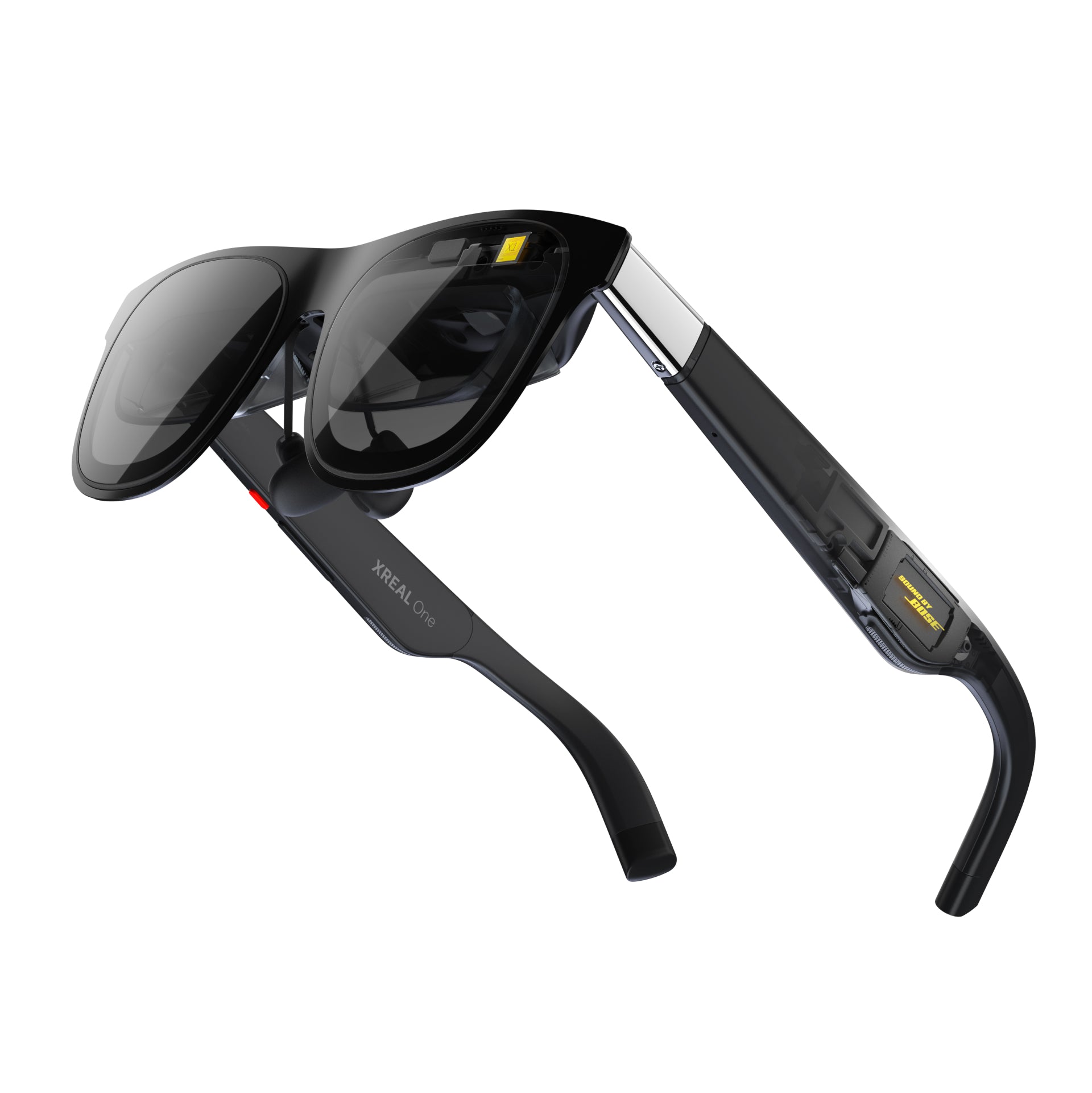
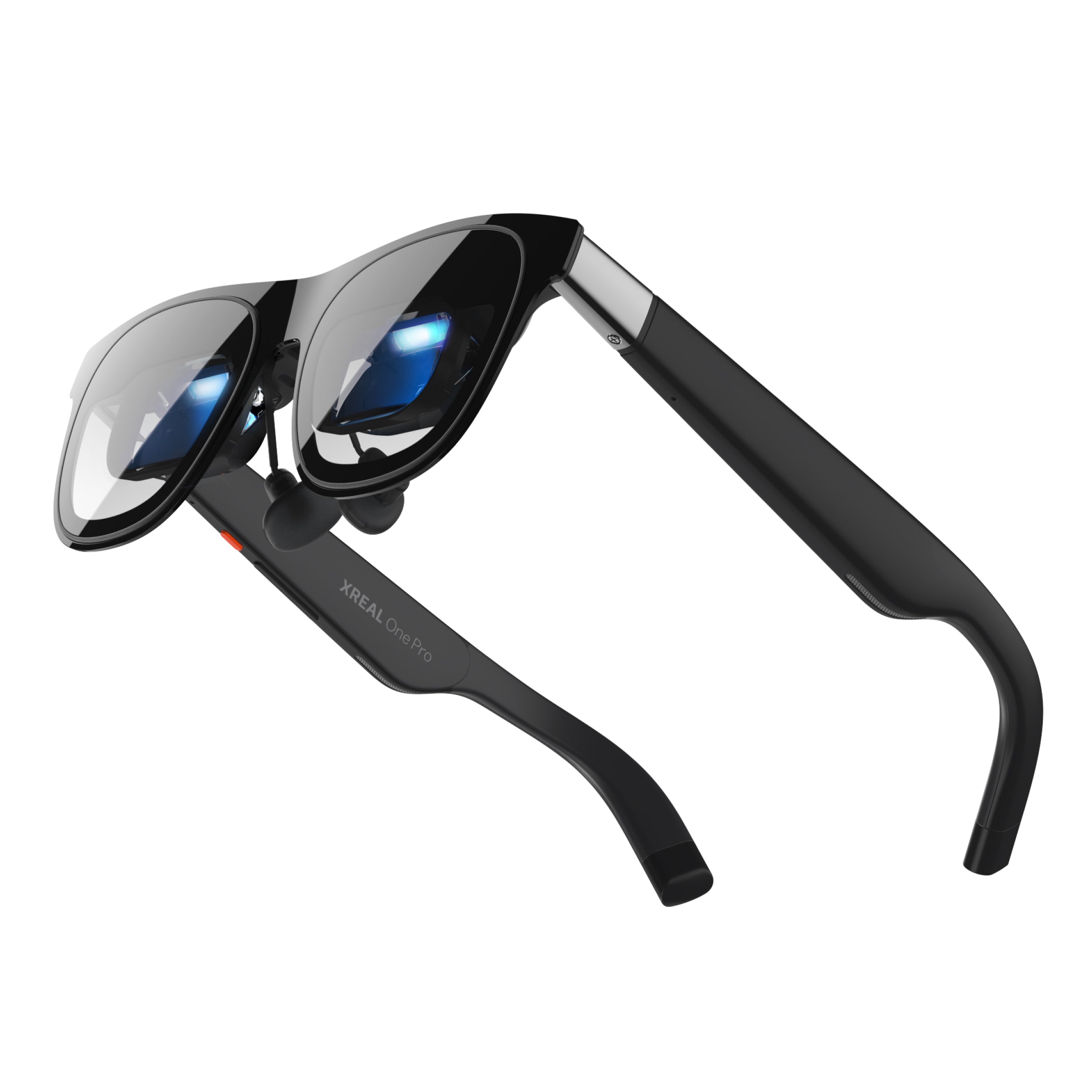
XREAL One Pro is the easiest high-end recommendation because it has a clear identity: premium display glasses for people who want a large private screen without wearing a headset. XREAL’s official store has listed One Pro at $649, while recent 2026 coverage reported a permanent price cut to $599. That puts it above budget display glasses but below many full AR experiments.
The buyer fit is simple. If your main devices are a laptop, phone, handheld console, or streaming setup, One Pro is a cleaner purchase than camera-first smart glasses. If you mostly want to ask AI questions, take photos, or record POV video, it is the wrong category.
VITURE Luma Pro: Best Bright Gaming And Travel Alternative
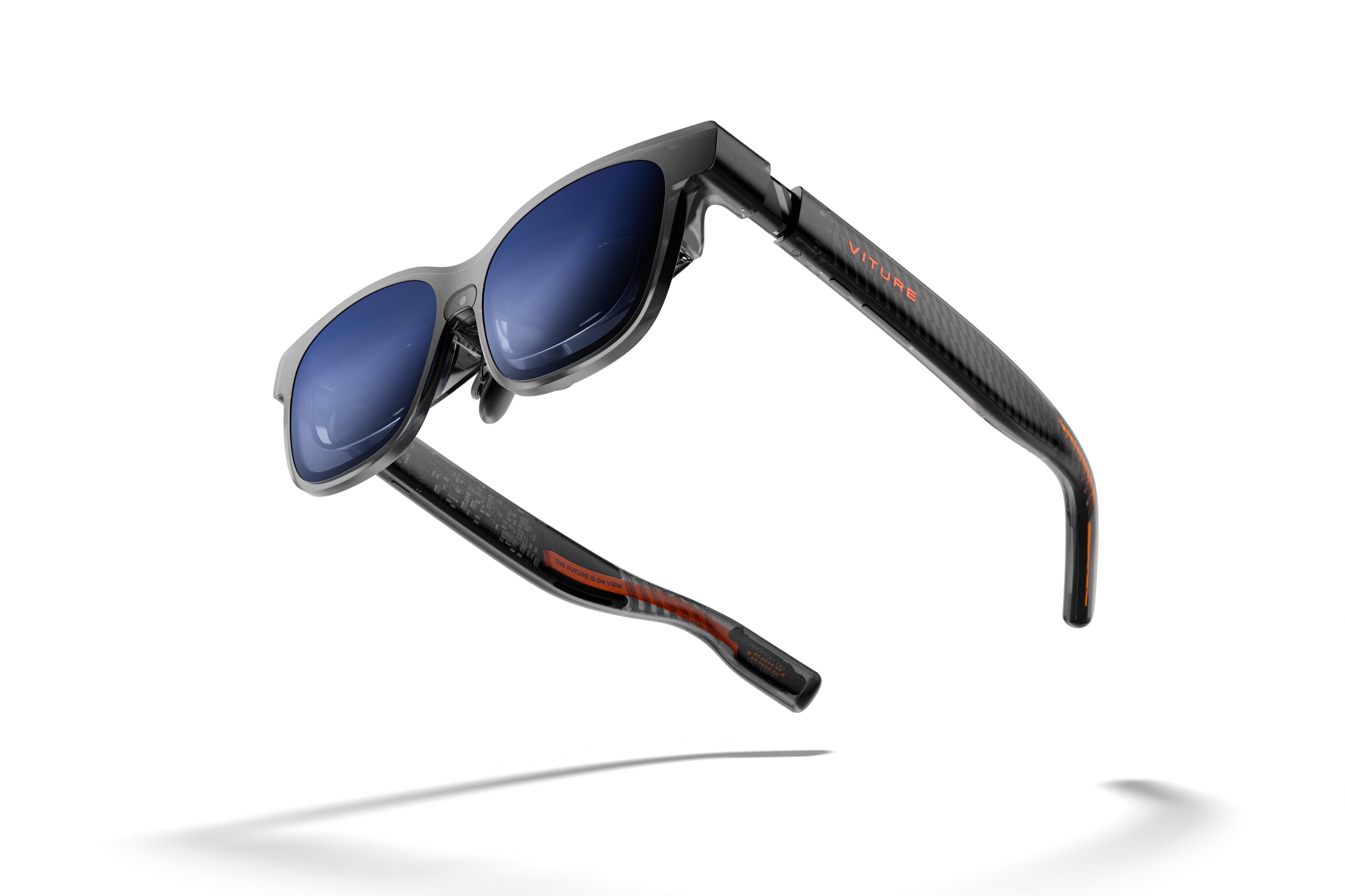
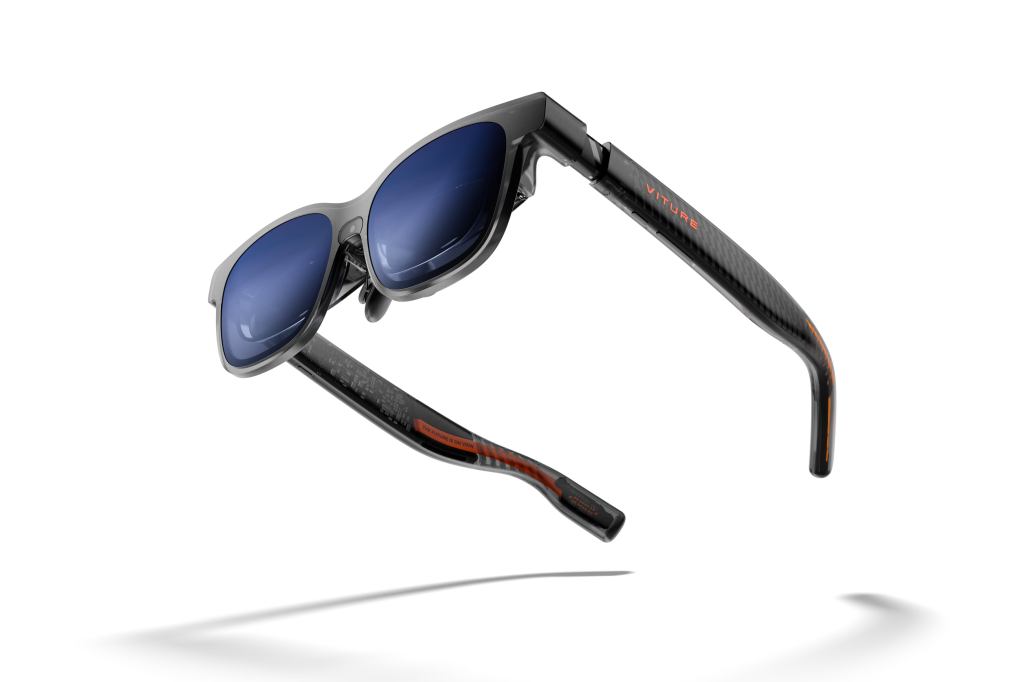
VITURE Luma Pro is the strongest direct alternative for people who want a media-first pair of XR glasses. VITURE’s official page positions Luma Pro around a 152-inch virtual display, 1200p resolution, 120Hz refresh rate, 1000 nits of brightness, Sony Micro-OLED panels, HARMAN audio, 3DoF and multi-screen SpaceWalker support, and myopia adjustments up to -4D.
That makes the Luma Pro pitch easy to understand: high brightness, sharp video, gaming support, and travel convenience. If XREAL feels like the default premium answer, VITURE is the alternative buyers should compare before deciding.
RayNeo Air 4 Pro: Best Value For HDR Movies
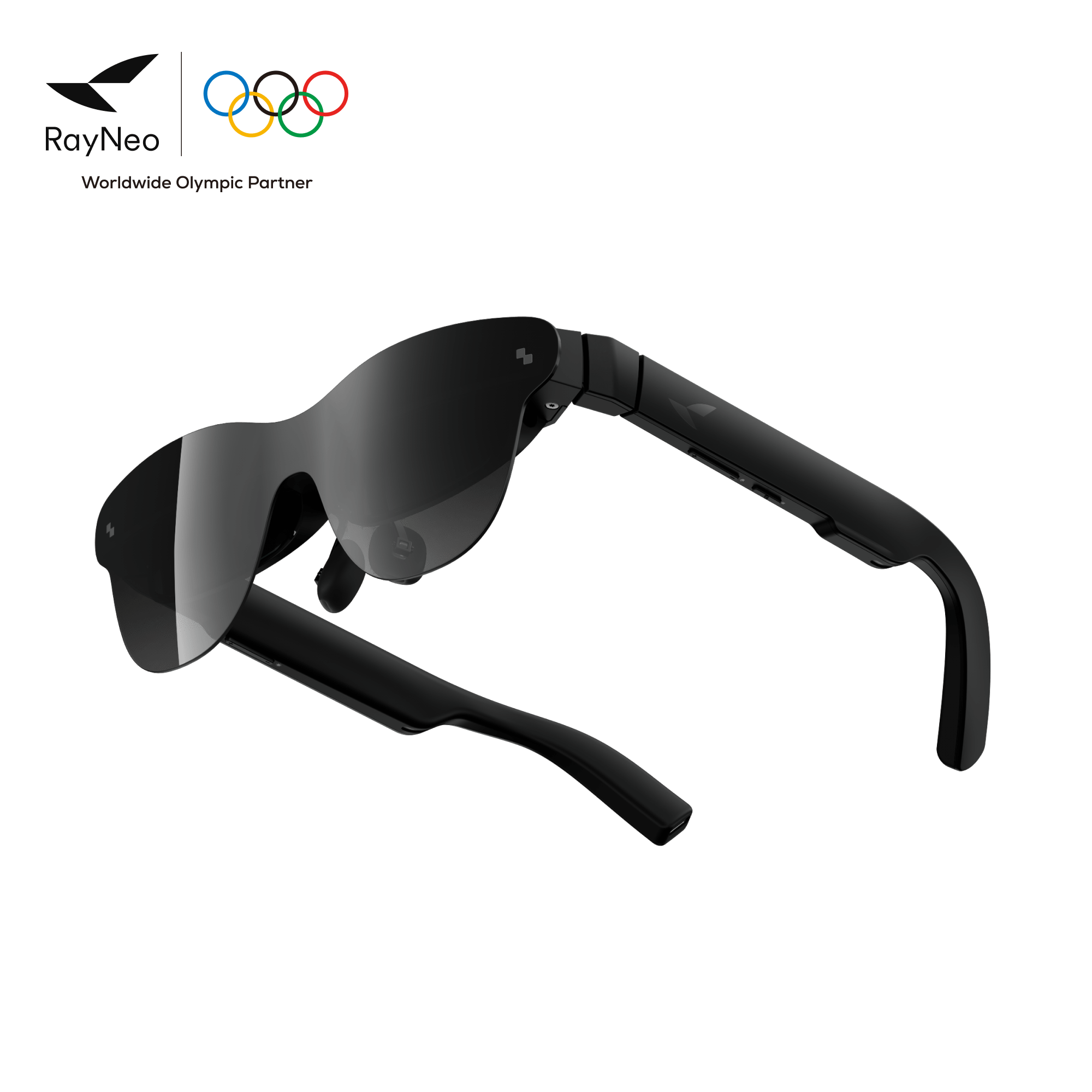
RayNeo Air 4 Pro is the price disruptor. RayNeo’s official page lists it at $299 and positions it around HDR10 support, a 201-inch HueView 2.0 screen, Vision 4000 processing, SDR-to-HDR upscaling, 2D-to-3D conversion, B&O-tuned audio, 120Hz HD entertainment, USB-C compatibility, and a 76-gram frame.
This is not automatically better than XREAL or VITURE. But it changes the value equation. If you are unsure whether display glasses will become a weekly habit, RayNeo Air 4 Pro is easier to justify than a more expensive premium model. Its biggest appeal is that it lets buyers test the category without spending flagship money.
Rokid AR Spatial: Best Multi-Screen Bundle Idea
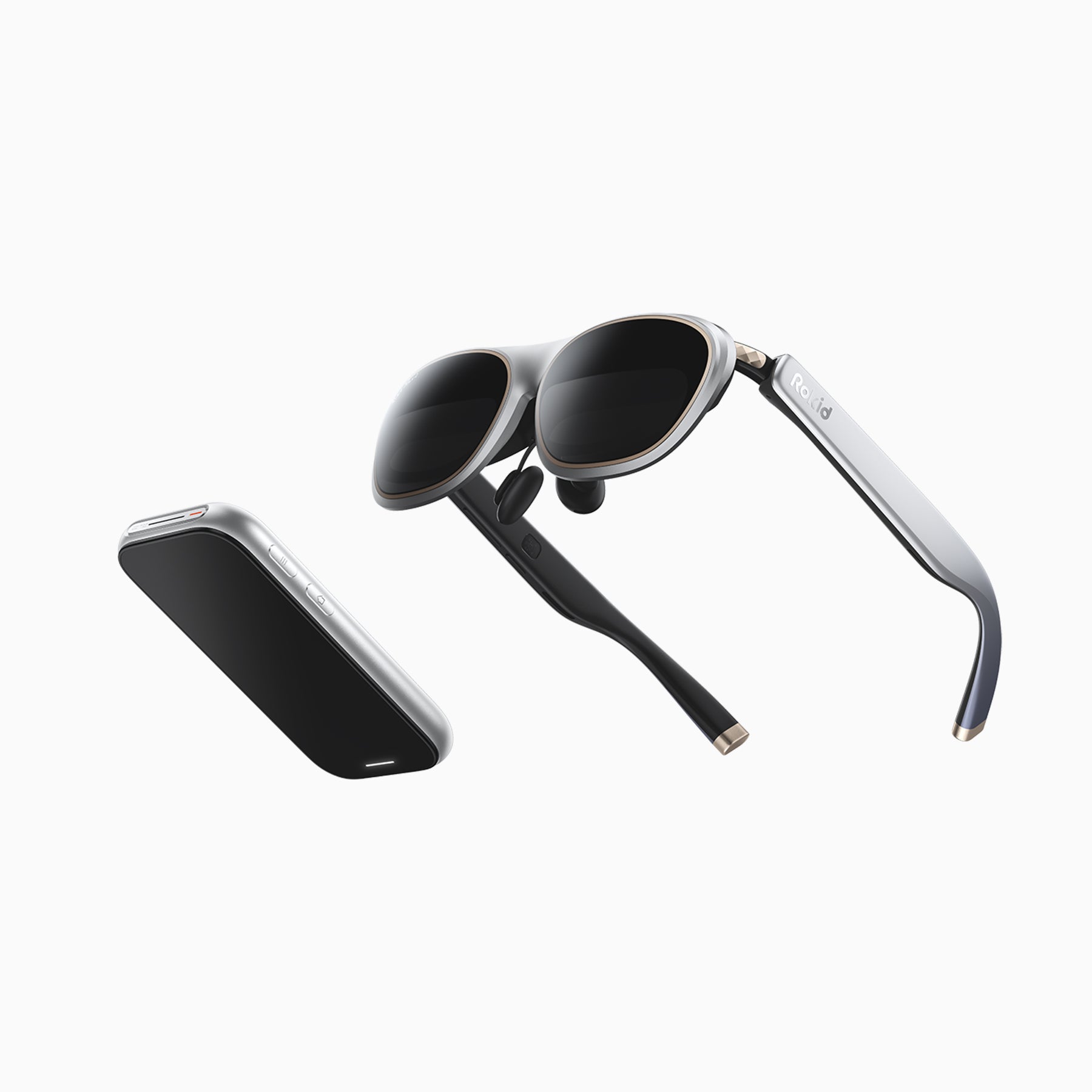
Rokid AR Spatial is the odd one in a useful way. The appeal is not only the Max 2 glasses. It is the combination of Rokid Max 2 and Station 2. Rokid’s launch material describes a 300-inch equivalent virtual display, up to three simultaneous windows, Sony Micro-OLED displays, 1200p per eye, up to 600 nits, and an Android-based Station 2 hub that can support apps, keyboard and mouse input, and multi-screen work.
That makes Rokid more interesting for productivity and multi-window use than for the simplest plug-and-play movie buyer. If you want a glasses ecosystem, study Rokid. If you want the least complicated media glasses, XREAL, VITURE, or RayNeo may feel more direct.
What About RayNeo X3 Pro?
RayNeo X3 Pro is not really in the same lane as Air 4 Pro, XREAL One Pro, or VITURE Luma Pro. It is a full-color AR showcase with MicroLED waveguides, Gemini AI, Snapdragon AR1, a 12MP camera, translation, navigation, and a much higher price. That makes it more futuristic and less straightforward.
If you want to watch movies and play games, X3 Pro is not the safest first answer. If you want to understand where AR glasses may go after display glasses mature, it is worth reading about. That is a different reason to care.
Which One Should A Meta Quest Owner Buy?
Meta Quest owners should be honest about what they want to escape. If you want VR games, fitness, room-scale interaction, mixed reality apps, or hand-tracked worlds, keep buying Quest software. AR display glasses will not give you that. If you mostly use Quest as a large video screen, display glasses may be more convenient because they are lighter, faster to put on, and easier to use while traveling.
The clean rule is this: Quest is for entering another place. AR display glasses are for making your existing screen feel larger and more private. They overlap around entertainment, but the body experience is completely different.
Buying Checklist
- Check your source device: USB-C video output, iPhone adapter needs, console dock needs, and laptop compatibility matter more than the marketing image.
- Check comfort: weight, nose pads, temple pressure, heat, and whether you can wear them for a full movie.
- Check vision needs: myopia adjustment, prescription inserts, IPD range, and edge clarity can decide the purchase.
- Check audio: built-in speakers are convenient, but public leakage and volume matter on planes or in shared spaces.
- Check software: spatial modes, multi-screen apps, firmware updates, and companion hubs can separate similar-looking products.
- Check return policy: display glasses are personal. Fit and eye comfort are hard to judge from specs alone.
Final Recommendation
Buy XREAL One Pro if you want the premium default. Buy VITURE Luma Pro if brightness and gaming/travel media are the heart of the decision. Buy RayNeo Air 4 Pro if you want the best value experiment. Buy Rokid AR Spatial if you want a station-based multi-screen setup. Skip all of them if you actually want hands-free recording or AI camera glasses; that is a Ray-Ban Meta or Oakley Meta job.
The best AR display glasses are not the ones with the loudest future promise. They are the ones you will actually plug in when the hotel TV is bad, the plane seatback screen is tiny, your laptop screen is public, or your handheld console deserves a bigger view.
Related Guides
- Best Smart Glasses in 2026
- Smart Glasses Types Explained
- XREAL One Pro guide
- VITURE Luma Pro guide
- RayNeo Air 4 Pro guide
- Rokid AR Spatial guide
- RayNeo X3 Pro guide