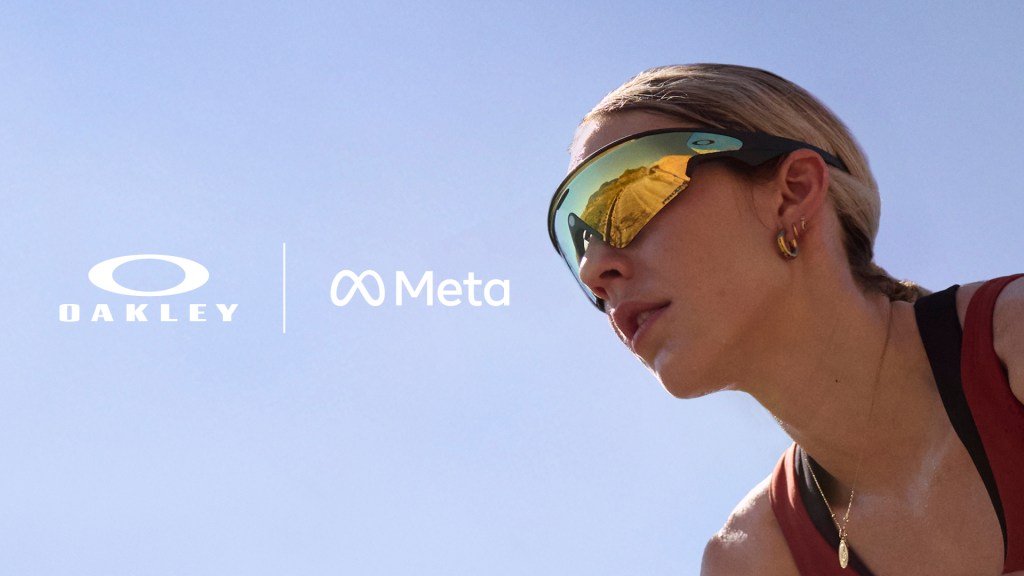
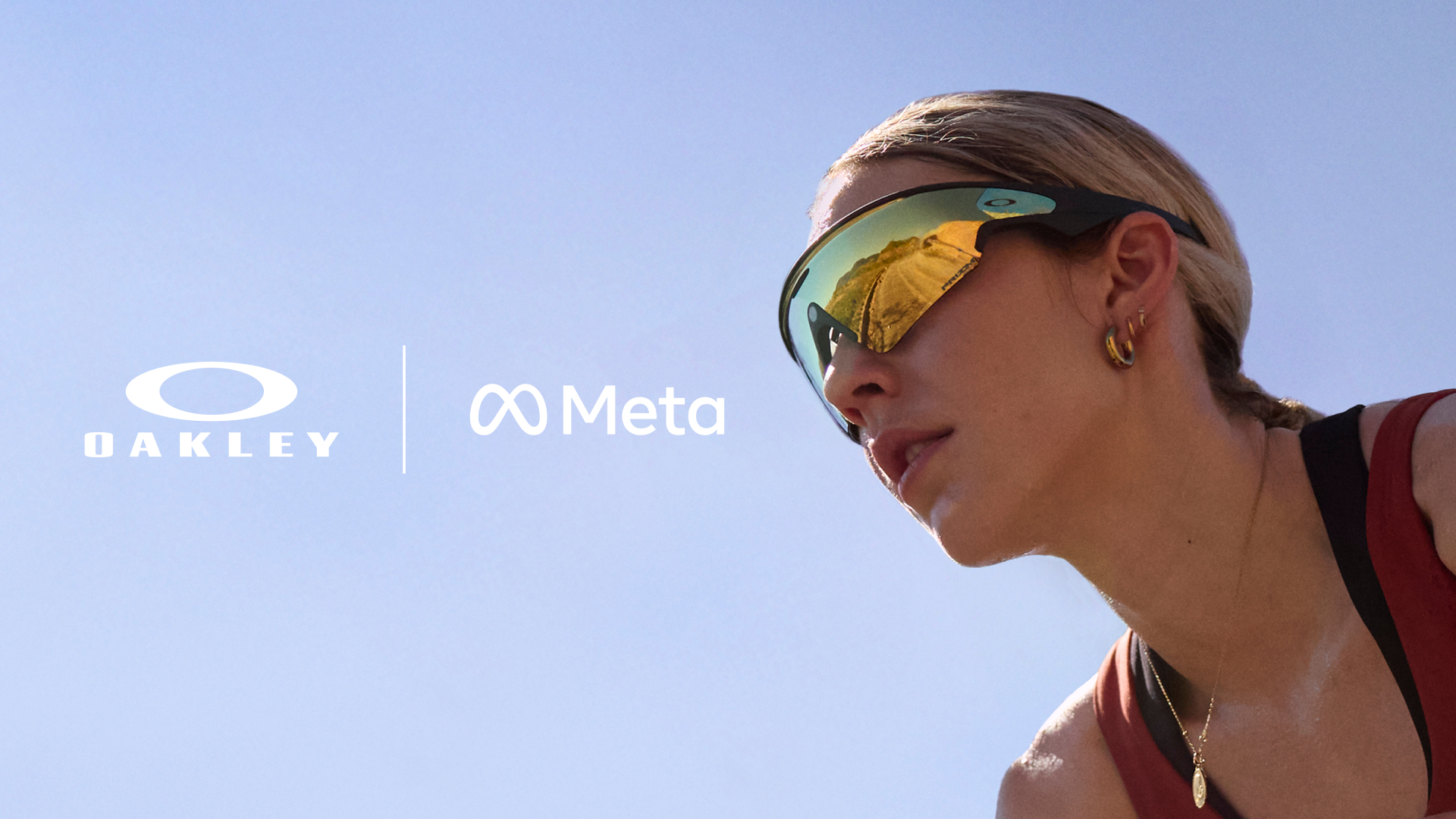
Oakley Meta Vanguard is the point where Meta’s smart glasses stop trying to look like everyday eyewear and start behaving like sports equipment. Ray-Ban Meta Gen 2 is for daily capture. Blayzer and Scriber are for prescription-first wear. Meta Ray-Ban Display is for early AR. Vanguard is different: it is built for sweat, speed, wind, helmets, Strava posts, and the athlete who wants POV video without carrying an action camera.
That makes Vanguard one of the clearest products in the current smart glasses lineup. It does not try to be subtle. It is wraparound, sporty, camera-forward, and designed for outdoor training. If you run, cycle, ski, hike, or train outside, this is the Meta glasses model that finally speaks your language.
What Oakley Meta Vanguard is
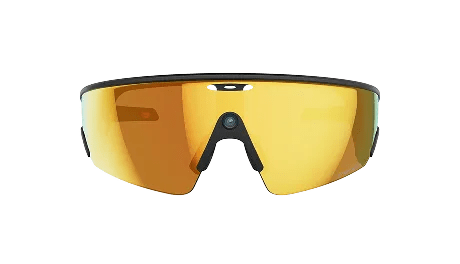
Oakley Meta Vanguard is a line of Performance AI glasses made by Oakley and Meta for high-intensity sports. Meta introduced it at Connect with the phrase ‘Athletic Intelligence,’ which sounds like marketing, but the product idea is straightforward: combine Oakley’s sport-frame DNA with Meta’s camera, audio, AI assistant, and fitness integrations.
This is not a display product. There is no lens screen like Meta Ray-Ban Display. Vanguard is camera-first and audio-first. The difference is that it is tuned for training: a centered ultra-wide camera, Garmin and Strava integration, louder open-ear audio, wind-aware microphone design, IP67 dust and water resistance, and a frame shape meant to stay put.
The core specs that matter
- Starting price: $499 USD in the U.S.
- Camera: centered 12MP ultra-wide camera with a 122-degree field of view.
- Video: 3K capture at 30 frames per second, with slow motion and hyperlapse support.
- Storage: 32GB onboard storage.
- Battery: up to nine hours of daily use, six hours of continuous audio, and a case that adds 36 more hours.
- Durability: IP67 dust and water resistance.
- Fit: Oakley Three-Point Fit and three replaceable nose pads, including low- and high-bridge options.
- Sports integrations: Garmin and Strava support for data overlays, activity sharing, and AI-powered workout context.
The centered camera is important. Many smart glasses place cameras near the frame edge, which can make footage feel slightly offset from the wearer’s true point of view. Vanguard moves the camera to the center bridge area, which is a better fit for cycling, running, skiing, and trail footage where the viewer expects the shot to line up with the athlete’s direction.
Why Garmin and Strava matter
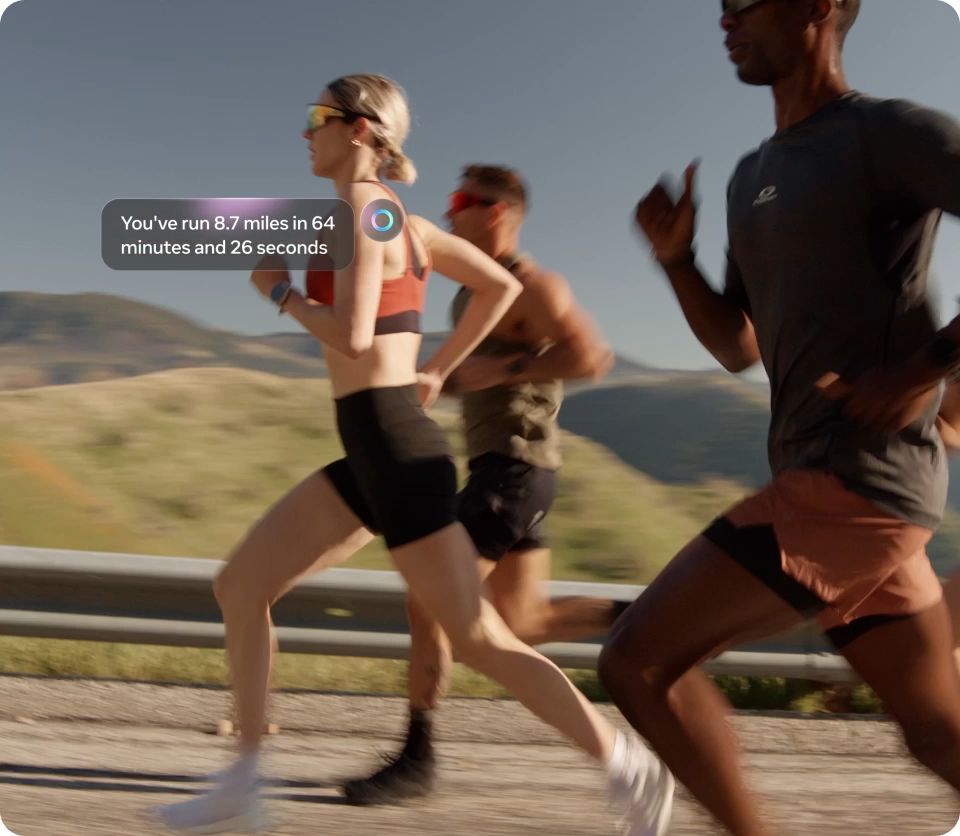
The biggest difference between Vanguard and a normal pair of camera glasses is the training layer. With Garmin integration, Meta AI can use compatible watch or bike-computer data to answer questions about pace, distance, heart-rate zones, or workout context while you train. With Strava integration, captured media can be shared with performance overlays after the session.
That is more useful than it sounds. A runner does not want to pull out a phone every mile. A cyclist does not want to fumble with a camera on a climb. A skier does not want to stop at the best moment to start recording. Vanguard’s promise is that the glasses understand the activity enough to turn training data and capture into one flow.
Best use cases
- Running: capture clips, hear music, ask for pace context, and keep your phone away.
- Cycling: record a first-person ride, use Garmin data, and share Strava-backed activity media.
- Trail sports: use the wraparound frame and Prizm lenses for brighter outdoor contrast.
- Skiing and snow sports: capture hands-free moments without mounting another camera.
- Fitness creators: generate POV clips and highlight reels with less setup than action-camera workflows.
The key phrase is less setup. Vanguard is not the best camera in the world. A dedicated action camera can still win on image quality, mounts, battery swaps, and rugged workflows. But the best camera is often the one already on your face when something happens. That convenience is the product’s strongest argument.
Who should consider Oakley Meta Vanguard
- Runners and cyclists who already use Garmin or Strava.
- Outdoor athletes who want hands-free POV video without a chest mount or helmet mount.
- Oakley fans who already like wraparound performance frames and Prizm lenses.
- Smart glasses buyers who care more about training than everyday fashion.
- Creators who want activity footage with less friction than traditional action cameras.
Who should skip it
- Prescription-first users should look at Blayzer, Scriber, Ray-Ban Meta, or Oakley HSTN depending on lens needs.
- Indoor users should avoid Vanguard as a daily office or home glasses pick.
- People who want a display should consider Meta Ray-Ban Display or display glasses from XREAL, VITURE, or Rokid.
- Serious action-camera users may still prefer GoPro-style devices for mounting, durability, battery workflows, and editing control.
- Style-first buyers may find the wraparound sport look too aggressive for daily wear.
Vanguard vs Oakley Meta HSTN
Oakley Meta HSTN is the easier everyday Oakley smart glasses choice. It looks more like normal sunglasses, supports more everyday lens needs, and fits casual use better. Vanguard is the performance model. It has a more athletic frame, better resistance rating, a centered camera, louder audio for outdoor conditions, and deeper training integrations.
The clean rule is this: choose HSTN if you want Oakley style with Meta smart glasses features. Choose Vanguard if your workouts are the reason you are buying smart glasses in the first place.
Vanguard vs Ray-Ban Meta Gen 2
Ray-Ban Meta Gen 2 is still the better all-around mainstream smart glasses pick. It looks more normal, starts at a lower price, and makes more sense for travel, family moments, daily walks, calls, and casual capture. Vanguard is more specialized. It costs more, looks more athletic, and gives up subtlety in exchange for training features.
That specialization is not a weakness if you are the right buyer. A cyclist does not need glasses that blend into a cafe. A cyclist needs glasses that stay on, handle sweat, capture the road, and make training data useful.
The action-camera question

The fair criticism of Vanguard is that it is not a full action-camera replacement. Dedicated cameras still offer more mounting angles, better stabilization options, removable batteries, and a wider accessory ecosystem. Reviewers have generally praised Vanguard’s Garmin and Strava integrations, comfort, and battery life, while noting that serious action videographers may still want a dedicated camera.
That is the right way to frame the product. Vanguard is not trying to beat every GoPro-style camera on camera specs. It is trying to win the moment before you would have bothered to mount one. If you want polished action footage, bring an action camera. If you want the run, ride, or climb captured because it was already happening, Vanguard becomes interesting.
Bottom line
Oakley Meta Vanguard is the strongest smart glasses choice so far for athletes who actually train outside. It is not the most discreet, the cheapest, or the most flexible model. But it has a clear purpose: athletic capture, training context, open-ear audio, and activity sharing in a frame that looks ready for speed.
For this smart glasses series, Vanguard matters because it proves Meta’s glasses strategy is no longer one-size-fits-all. Ray-Ban handles everyday AI glasses. Meta Ray-Ban Display tests the future of glanceable AR. Blayzer and Scriber serve prescription wearers. Vanguard is for sweat. That makes it one of the easiest products in the lineup to understand.
Continue Reading
If this guide helped, these related smart glasses articles are the best next stops.
- Ray-Ban Meta vs Oakley Meta vs XREAL vs Vuzix: Smart Glasses Types ExplainedA smart glasses type guide that explains the difference between AI camera glasses, sports glasses…
- Ray-Ban Meta Gen 2 Guide: Why These AI Glasses Are the Smart Glasses BaselineA U.S.-focused Ray-Ban Meta Gen 2 guide covering price, 3K video, battery life, Meta AI, daily…
- Oakley Meta HSTN Guide: The Everyday Oakley Smart Glasses Between Ray-Ban and VanguardA U.S.-focused Oakley Meta HSTN guide covering the $399 starting price, limited edition $499…
- Solos AirGo V2 Guide: The $299 Camera AI Glasses Built for Multimodal HelpA U.S.-focused Solos AirGo V2 guide covering the $299 price, 16MP camera, Full HD video, live…