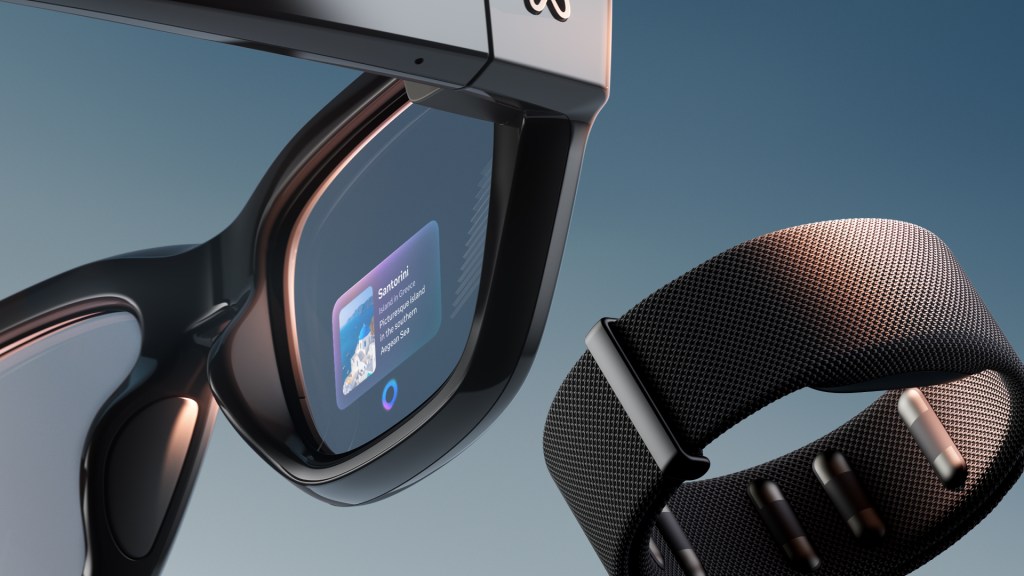


Ray-Ban Meta Gen 2 is the right first smart glasses article for this site because it sets the baseline. Before readers compare XREAL display glasses, VITURE XR glasses, Rokid portable screens, or smaller AI-first frames, they need one clear reference point: what does a mainstream pair of AI glasses actually do in daily life?
The short answer is simple. Ray-Ban Meta Gen 2 is not a Meta Quest replacement, and it is not a full AR headset. It is a camera, open-ear audio device, voice AI assistant, live translation tool, and everyday eyewear product packed into a familiar Ray-Ban frame. That is why it matters. It does not ask people to step into VR; it tries to bring small pieces of wearable computing into the normal day.
What Ray-Ban Meta Gen 2 is
Ray-Ban Meta Gen 2 is Meta and EssilorLuxottica’s second-generation AI glasses line. Meta’s own announcement describes the upgrade around four practical changes: longer battery life, sharper 3K Ultra HD video, newer Meta AI features, and expanded live translation support. For U.S. readers, the starting price Meta listed at launch was $379 USD, which puts the glasses in premium accessory territory rather than headset territory.
That price positioning is important. A Meta Quest headset sells the idea of immersion: games, fitness, mixed reality apps, and a screen that takes over your attention. Ray-Ban Meta sells the opposite idea: keep walking, keep talking, keep your phone in your pocket, and capture or ask for help without changing the moment too much.
The core specs that matter
- Starting price: $379 USD at launch, according to Meta’s announcement.
- Camera: 3K Ultra HD video capture with ultrawide HDR and up to 60 frames per second.
- Battery: up to eight hours with typical use.
- Fast charge: up to 50% in about 20 minutes.
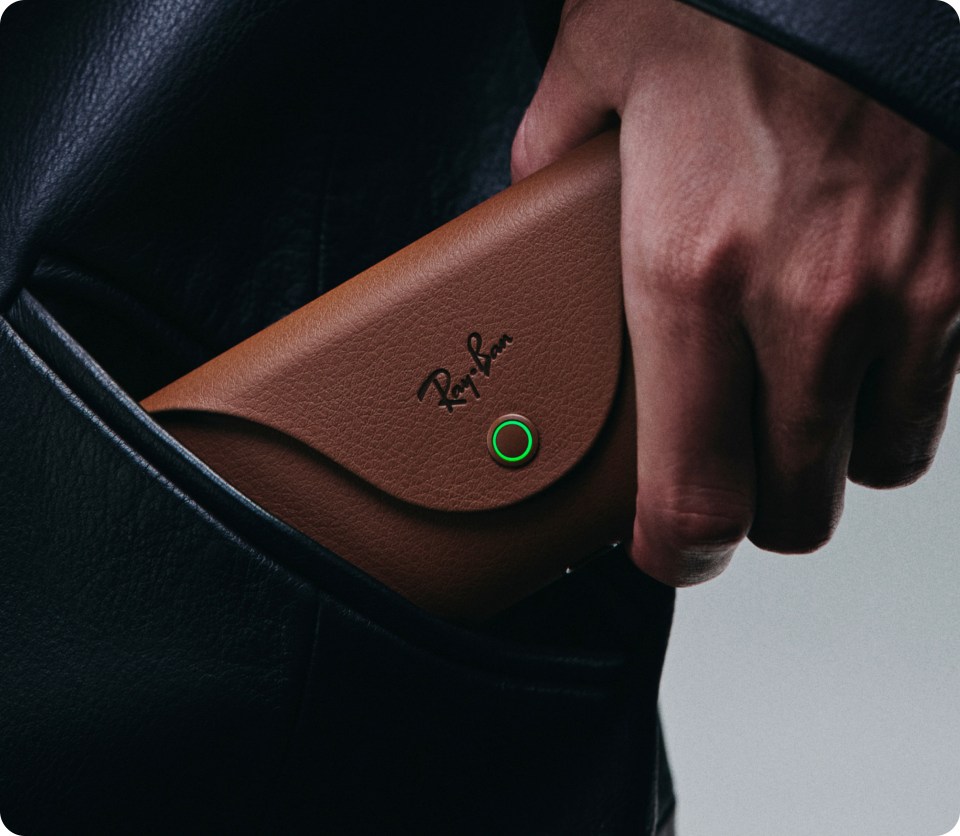
- Charging case: up to 48 additional hours of charging on the go.
- Frame families: Wayfarer, Skyler, and Headliner styles are the key mainstream options Meta highlighted.
Those numbers explain why Gen 2 is more than a tiny refresh. The first-generation Ray-Ban Meta glasses already proved that camera glasses could look normal enough for everyday wear. Gen 2 tries to fix the practical friction: battery anxiety and video quality. Those are exactly the two things that matter when a reader imagines using smart glasses on a trip, at a concert, while walking a dog, or during a family day outside.
How they actually fit into daily life
The best way to understand Ray-Ban Meta Gen 2 is not to ask whether it is ‘AR.’ For most people, the useful question is: what moments are awkward with a phone? If you are cooking and your hands are messy, walking in a new city, riding a bike, carrying bags, playing with a child, or trying to record a first-person memory without holding a rectangle in front of your face, the product starts to make sense.
Open-ear audio is a big part of that. These glasses are not meant to seal you away like earbuds. They let you hear directions, calls, podcasts, music, and Meta AI responses while still hearing the street, the room, or the person next to you. That makes them easier to imagine as a daily wearable than a headset, even if the audio will not replace dedicated headphones for music quality.

Where Meta AI helps
Meta AI is the feature that turns the glasses from a camera accessory into a broader smart glasses product. The pitch is that the assistant can hear your voice, respond through the speakers, and use the glasses’ camera for visual context when supported. That opens the door to questions like what you are looking at, how to translate a phrase, what a sign means, or how to remember something hands-free.
This is also where expectations need to stay realistic. AI glasses are not magic. They work best for small, quick tasks: capture this, call someone, translate this, remind me, identify this, summarize this. They are weaker when readers expect a full phone replacement, a productivity workstation, or a Quest-style immersive interface. There is no built-in display on Ray-Ban Meta Gen 2, so everything depends on audio, camera capture, phone connection, and the Meta AI app experience.
Camera quality and the social question
The 3K video upgrade is the headline spec, but camera glasses always come with a second question: when is it socially comfortable to record? Reviewers have generally treated Gen 2 as a meaningful improvement in battery life and capture quality, but privacy and public comfort remain part of the buying decision. That is not a side issue. It is central to the category.
A phone camera is obvious. Smart glasses are subtler, even with a capture light. That means the owner has to carry more etiquette, not less. If you are filming your own bike ride, cooking process, travel walk, or POV memory, the use case is easy to defend. If you are in a private conversation, a school, a locker room, a meeting, or a place where people do not expect recording, the answer should usually be no.
Who should consider buying Ray-Ban Meta Gen 2
- Travelers who want hands-free clips, translation help, and open-ear navigation without constantly pulling out a phone.
- Parents and pet owners who want first-person memories while staying physically present.
- Creators who value POV capture more than cinematic control.
- Daily walkers, commuters, and errand runners who want calls, audio, and quick AI questions in a normal-looking frame.
- Smart glasses beginners who want the most mainstream starting point before considering display glasses.
Who should skip them
- Anyone who mainly wants a screen should look at XREAL, VITURE, Rokid, or Meta Ray-Ban Display instead.
- Anyone who wants VR games should still start with Meta Quest, not camera glasses.
- Privacy-sensitive users should read Meta’s account, app, AI, and data settings carefully before buying.
- People who dislike wearing heavier frames should try them in person if possible.
- Music-first buyers may be happier with dedicated earbuds or headphones.
Ray-Ban Meta Gen 2 vs Meta Quest
For PlayTechDeep readers, the comparison with Meta Quest is useful. Meta Quest is the better choice if the goal is gaming, fitness, immersive entertainment, mixed reality experiments, or apps that place you inside a virtual space. Ray-Ban Meta Gen 2 is the better choice if the goal is normal-day convenience: capture, voice, calls, audio, translation, and lightweight AI assistance.
The two products do not replace each other. They reveal Meta’s two-track hardware strategy. Quest tries to win the room. Ray-Ban Meta tries to win the walk, the commute, the trip, and the small moment when reaching for a phone would break the scene.
Bottom line
Ray-Ban Meta Gen 2 deserves to be the first product in this smart glasses series because it is the category’s mainstream reference point. It has recognizable frames, a clear U.S. starting price, better battery life, stronger video, and enough AI utility to feel different from ordinary sunglasses. It also carries the unresolved questions that every smart glasses buyer needs to face: privacy, comfort, social acceptance, and how much of your daily life you want routed through Meta’s ecosystem.
If you want a wearable screen, start somewhere else. If you want VR, buy a headset. But if you want to understand why AI glasses are becoming a real consumer category, Ray-Ban Meta Gen 2 is the cleanest place to start.
Continue Reading
If this guide helped, these related smart glasses articles are the best next stops.
- Ray-Ban Meta vs Oakley Meta vs XREAL vs Vuzix: Smart Glasses Types ExplainedA smart glasses type guide that explains the difference between AI camera glasses, sports glasses…
- Oakley Meta Vanguard Guide: Sports AI Glasses Built for Training, POV Video, and StravaA U.S.-focused Oakley Meta Vanguard guide covering the $499 price, 12MP ultra-wide camera, 3K…
- Oakley Meta HSTN Guide: The Everyday Oakley Smart Glasses Between Ray-Ban and VanguardA U.S.-focused Oakley Meta HSTN guide covering the $399 starting price, limited edition $499…
- Solos AirGo V2 Guide: The $299 Camera AI Glasses Built for Multimodal HelpA U.S.-focused Solos AirGo V2 guide covering the $299 price, 16MP camera, Full HD video, live…