This article now has a narrower job than the main smart glasses buying guide. It is not here to rank every product again. It is here to stop the most common buying mistake: treating every product called smart glasses as if it solves the same problem.
Ray-Ban Meta, Oakley Meta, XREAL, and Vuzix are useful names because they represent four different branches. Ray-Ban Meta is camera-first AI eyewear. Oakley Meta is sport-first camera AI eyewear. XREAL is display-first eyewear. Vuzix is workflow-first heads-up eyewear. Once those branches are clear, the whole category becomes much easier to understand.
If you already know you want the overall best product, read Best Smart Glasses in 2026. If you already know you want movies and gaming, read Best AR Display Glasses for Movies and Gaming. Stay here if you are still asking what kind of smart glasses you actually need.
The Real Difference Is The Main Verb
The fastest way to classify smart glasses is to ask for the main verb. Do you want to capture, train, watch, read, work, or experiment? Those verbs separate the market better than brand names.
Ray-Ban Meta is mostly about capture and listen. Oakley Meta is about train and capture. XREAL, VITURE, RayNeo Air, and Rokid are about watch. Even and Halliday are about read. Vuzix and Mentra are about work. RayNeo X3 Pro and Meta Ray-Ban Display are about experimenting with early AR.
| Type | Representative Products | Primary Verb | Core Features | Display Role | Camera Role | Best Daily Scene | Main Limitation | Common Buying Mistake | Safest Example |
|---|---|---|---|---|---|---|---|---|---|
| AI camera glasses | Ray-Ban Meta Gen 2, Solos AirGo V2, Xiaomi AI Glasses | Capture and listen | Hands-free video, photos, calls, audio, voice AI, translation | Usually no visual display | Camera present | Travel, family moments, walking, casual creation | Social recording etiquette and no screen | Buying them for movies or laptop work | Ray-Ban Meta Gen 2 |
| Sports AI glasses | Oakley Meta HSTN, Oakley Meta Vanguard | Train and capture | POV sports video, outdoor audio, training context, sport frame fit | Usually no visual display | Camera present | Cycling, running, skiing, trail use, athletic POV clips | Less discreet, more specialized | Buying them as subtle office glasses | Oakley Meta Vanguard |
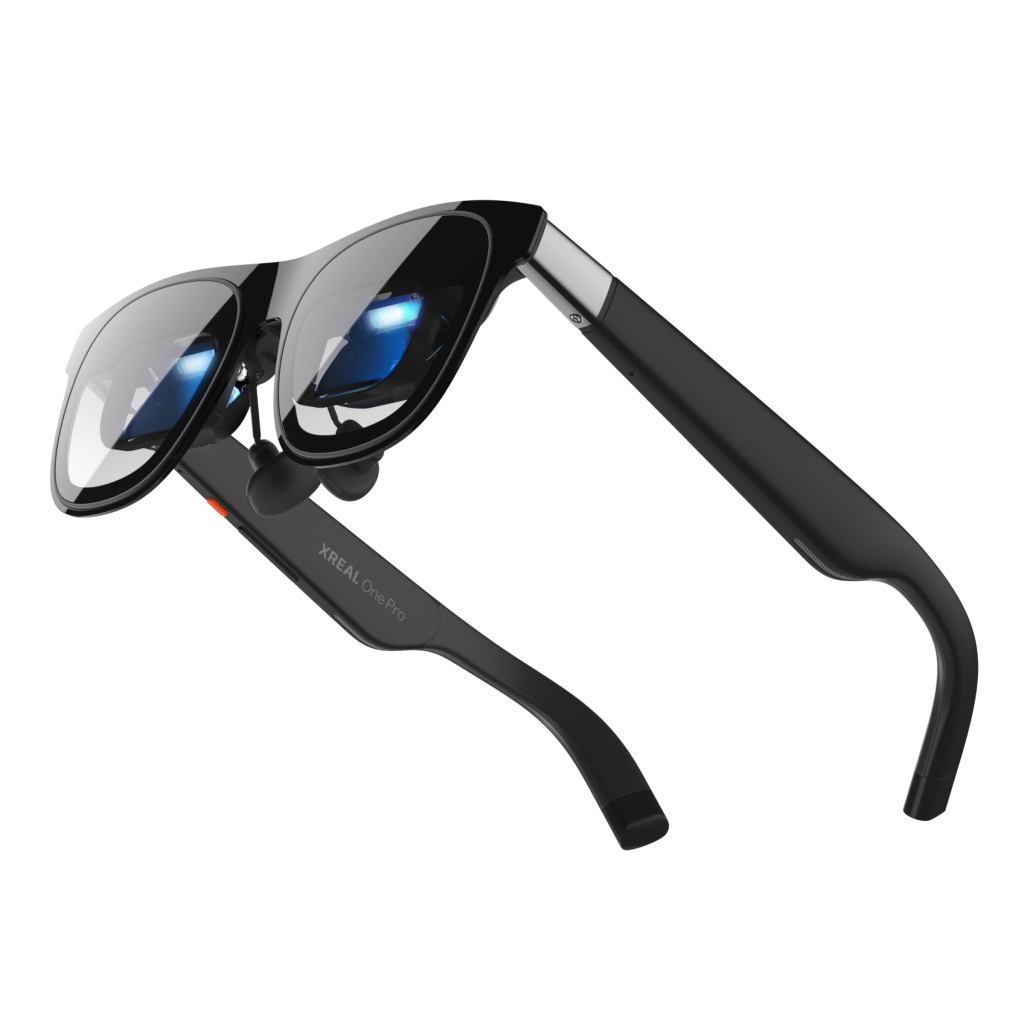
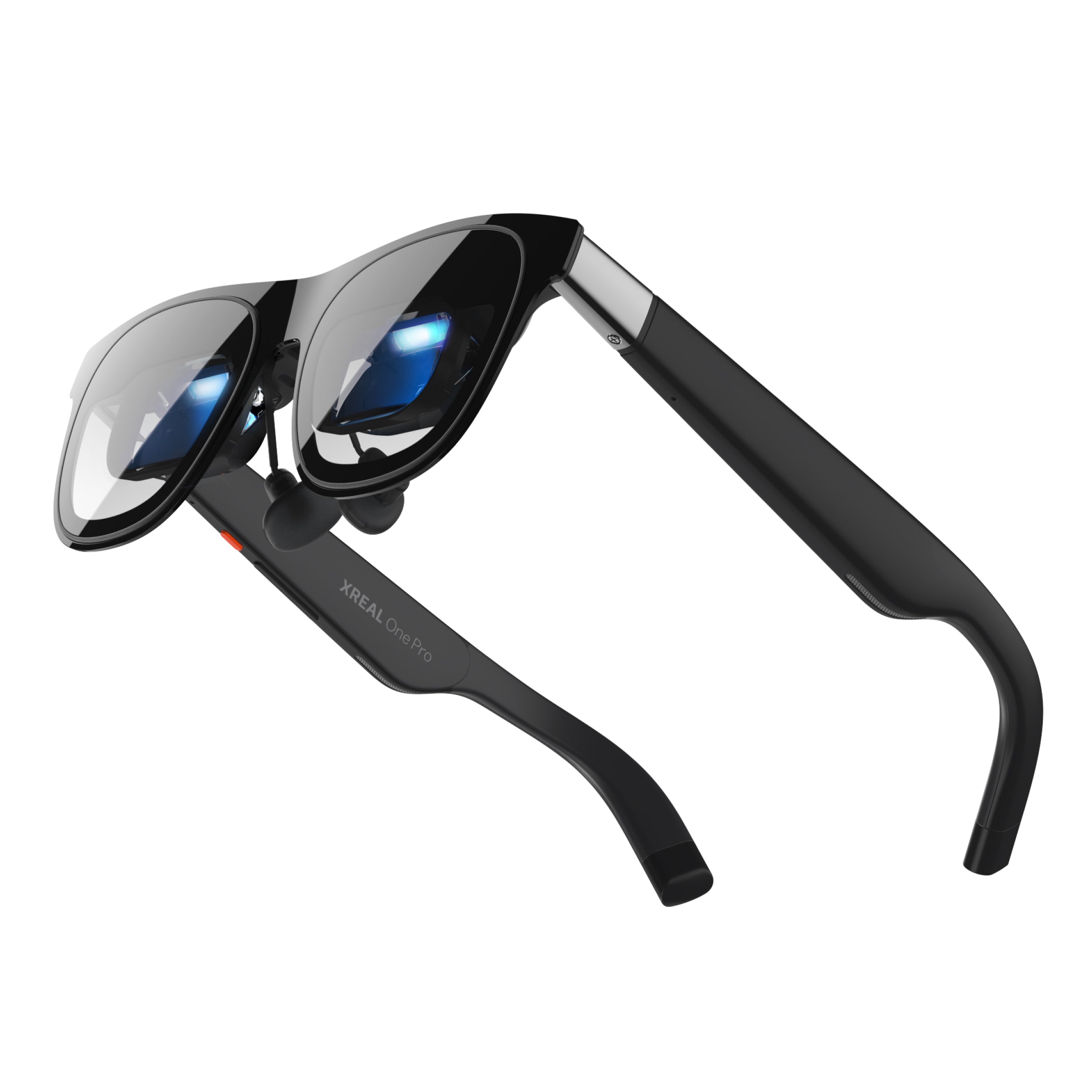
| AR display glasses | XREAL One Pro, VITURE Luma Pro, RayNeo Air 4 Pro, Rokid AR Spatial | Show a private screen | Large wearable display, gaming, movies, laptop privacy, travel streaming | Screen is the product | Usually no camera | Flights, hotel rooms, Steam Deck, laptop work, streaming | Needs source device, fit and eye comfort vary | Expecting AI camera features | XREAL One Pro |
| Camera-free display HUDs | Even Realities G2, Halliday DigiWindow | Show small prompts | Translation, teleprompter, reminders, notifications, notes, discreet text | Small glanceable display | No camera | Meetings, travel translation, presentations, quiet focus | Small field of view and software maturity | Expecting a giant movie screen | Even Realities G2 |
| Enterprise/work HUDs | Vuzix Z100, Mentra Live | Support workflows | Captions, workflow prompts, field documentation, app development, task data | Usually small HUD or platform-specific output | Depends on product | Field work, accessibility, developer prototypes, frontline tasks | Too narrow for casual buyers | Buying them for lifestyle content | Vuzix Z100 |
| Full-color AR showcase glasses | Meta Ray-Ban Display, RayNeo X3 Pro | Preview everyday AR | Visual prompts, navigation, translation, AI, gestures, full-color AR direction | Actual in-view information | Usually camera or sensors present | Early adopters, AR researchers, people studying the future category | High price, battery, weight, app maturity, prescription complexity | Treating them as the safest first pair | RayNeo X3 Pro |
Why Ray-Ban Meta And XREAL Are Usually The Wrong Direct Comparison
Ray-Ban Meta Gen 2 and XREAL One Pro both sit in the smart glasses conversation, but they are not substitutes. Ray-Ban Meta starts around $379 and gives you camera capture, open-ear audio, Meta AI, calls, and hands-free media capture. XREAL One Pro has been listed around the $599-$649 range and focuses on a wearable private screen for phones, laptops, handheld consoles, and media.
So the right question is not ‘which is better?’ The right question is ‘am I trying to record life or enlarge a screen?’ If the answer is record life, Ray-Ban Meta wins. If the answer is watch a movie on a plane or play a handheld console on a bigger virtual display, XREAL wins.
Wrong comparison: Ray-Ban Meta looks more normal, so a buyer assumes it is the best all-purpose smart glasses choice.
Better question: If the main job is movies, gaming, or laptop privacy, start with display glasses like XREAL, VITURE, RayNeo Air, or Rokid.
Why Oakley Meta Is Not Just Ray-Ban Meta With A Different Logo
Oakley Meta products use the same broader Meta smart glasses idea, but the daily scene changes. Oakley HSTN keeps some everyday flexibility, while Oakley Vanguard is more clearly training hardware. For outdoor sports, the questions are secure fit, sweat, wind, open-ear volume, capture angle, lens behavior, and whether the frame still feels stable when you move.
That makes Oakley Meta a type decision, not just a style decision. Choose Ray-Ban if your mental picture is travel, family life, daily walking, errands, and normal social moments. Choose Oakley if the glasses mostly live on runs, rides, slopes, trails, or workouts.
Wrong comparison: A buyer sees better outdoor framing and assumes the more athletic model is automatically better.
Better question: If the glasses need to look normal indoors, the everyday Ray-Ban or Oakley HSTN lane may make more sense than Vanguard-style performance hardware.
Why Vuzix Belongs In The Same Conversation But Not The Same Shopping Cart
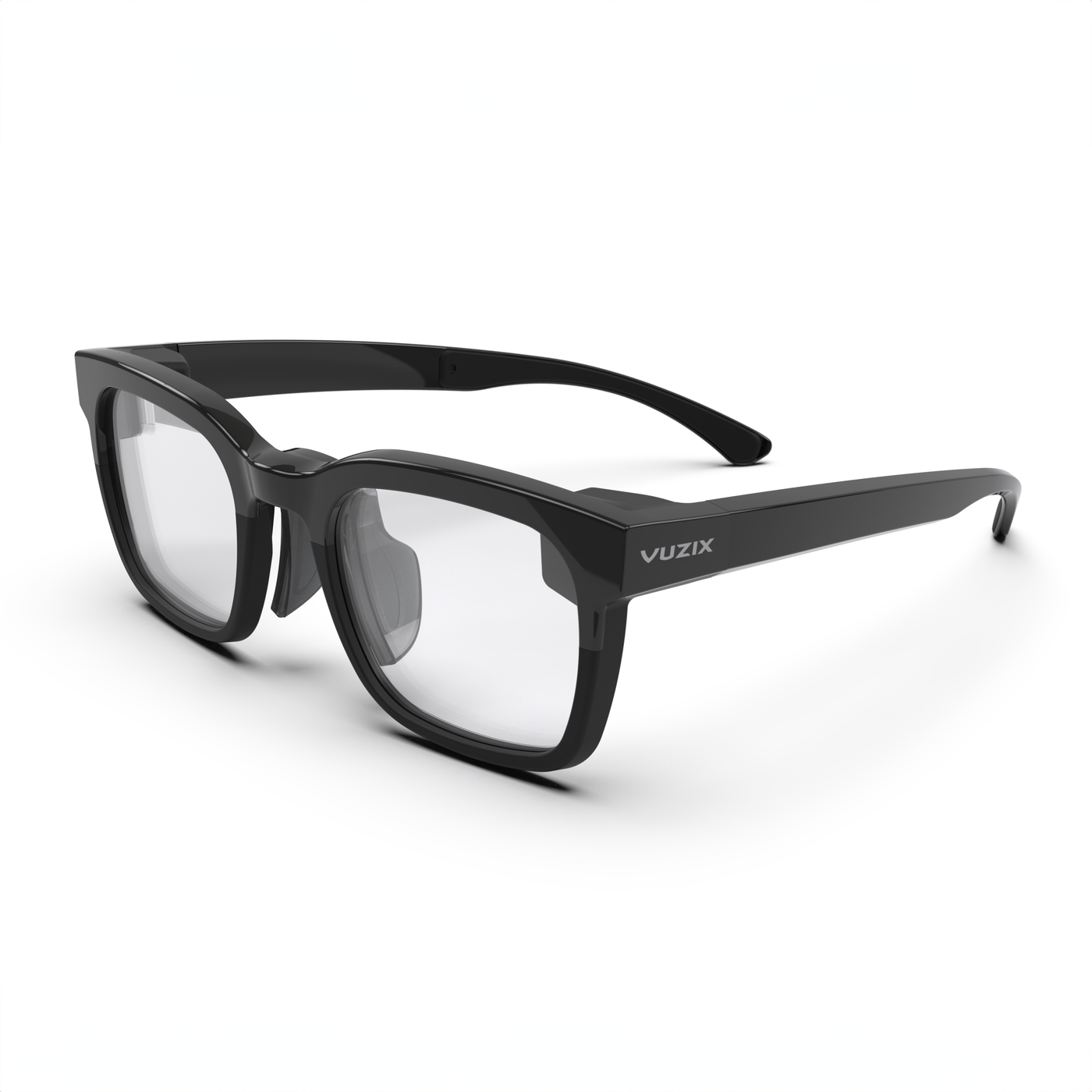
Vuzix Z100 is the best example of why ‘smart glasses’ is too broad as a shopping term. Vuzix announced Z100 at $499 with a 38-gram frame, Bluetooth pairing, a transparent monochrome waveguide display, and up to 48 hours of battery life. That is not a Ray-Ban Meta competitor in the normal consumer sense. It is a different tool.
The Z100 branch is about prompts: captions, scanner data, navigation, workflow steps, task confirmations, simple notifications, and developer/enterprise use. A tiny monochrome display can be more useful than full-color media if the job is to keep a worker’s hands free.
Wrong comparison: A buyer asks why Vuzix does not offer the most exciting video or gaming experience.
Better question: For work HUDs, battery life, weight, data visibility, developer support, and workflow fit matter more than cinematic display specs.
Camera-Free HUDs Are Their Own Privacy Lane
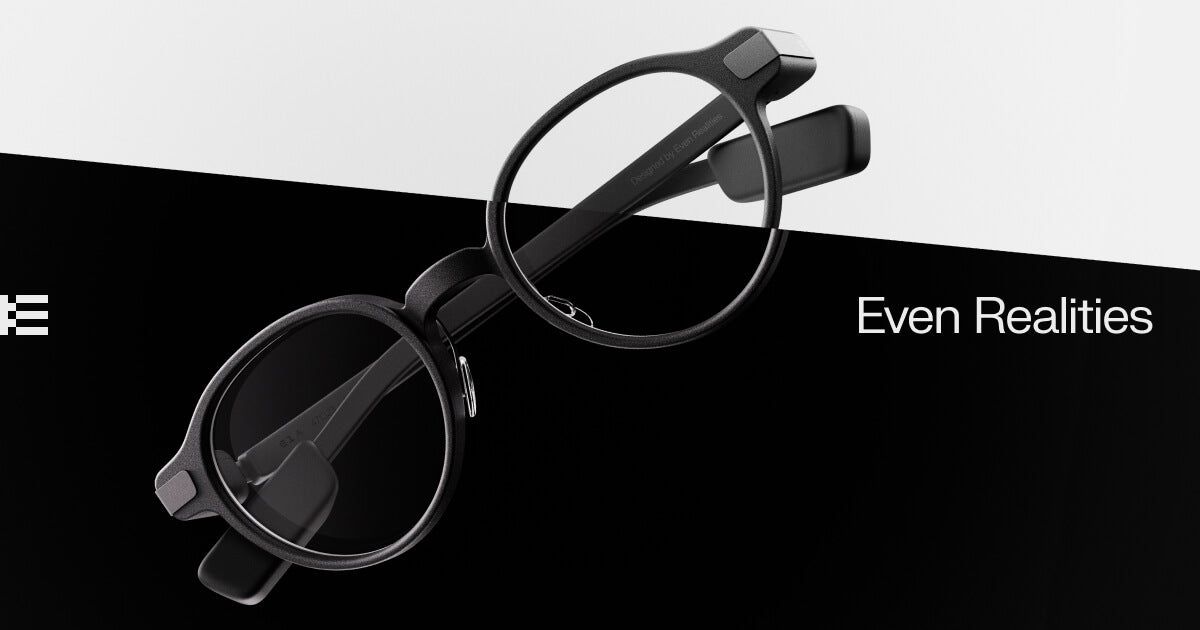
Even Realities G2 and Halliday DigiWindow are not camera glasses and not giant display glasses. They are closer to glanceable prompt systems. Even’s official page emphasizes a camera-free design, 36-gram frame, Micro LED display, 27.5-degree field of view, 1200-nit brightness, prescription support, IP65 resistance, and up to two days of battery life.
The appeal is social comfort. Some buyers want translation, teleprompting, reminders, notifications, and quiet AI prompts, but they do not want to wear a camera. That is a valid branch. It should not be judged only by entertainment power or camera quality because those are not the point.
Wrong comparison: A buyer sees no camera and assumes the product is weaker.
Better question: If the goal is privacy-aware prompts, no camera can be the feature, not the flaw.
Full-Color AR Is The Future Branch, Not The Default Branch
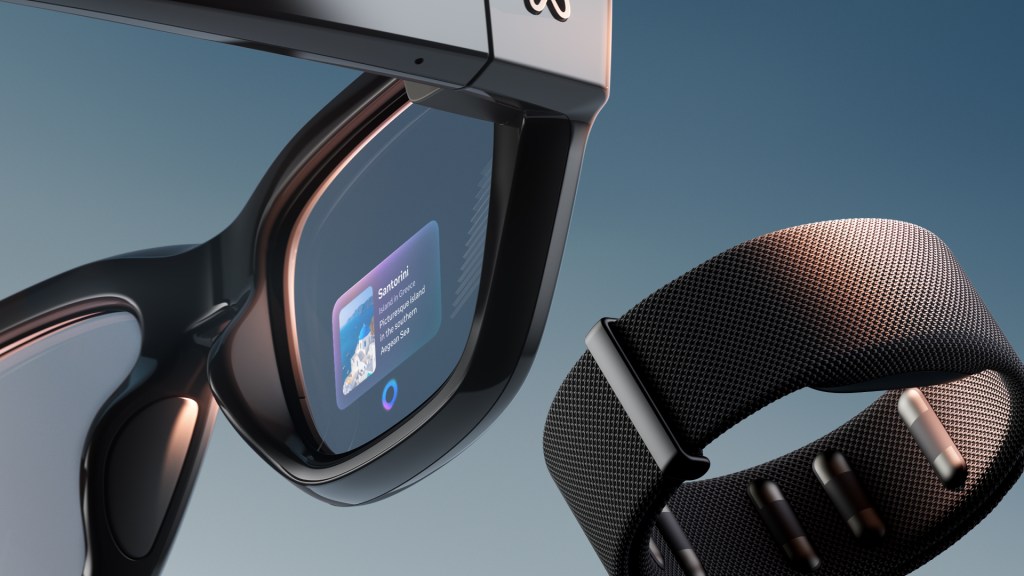
Meta Ray-Ban Display and RayNeo X3 Pro are important because they show where the category wants to go: visible prompts, navigation, translation, gesture control, AI context, and information placed directly in the user’s view. Meta Ray-Ban Display sits around $799 in retail listings, while RayNeo X3 Pro is a much more expensive full-color AR showcase.
But future-facing does not mean safest. Early AR still has to solve weight, battery, field of view, prescription fit, app quality, social acceptance, and price. These products are worth studying, but most first-time buyers should not start here unless they knowingly want to live with early-adopter compromises.
Wrong comparison: A buyer chooses the most futuristic glasses because they sound closest to sci-fi AR.
Better question: Buy early AR only if you want to study or tolerate the future branch. If you need movies, capture, or work prompts today, buy the branch built for that job.
A Cleaner Decision Tree
- I want to record what I am doing: Ray-Ban Meta, Oakley Meta, Solos AirGo V2, Xiaomi AI Glasses.
- I want a bigger private screen: XREAL One Pro, XREAL One, VITURE Luma Pro, RayNeo Air 4 Pro, Rokid AR Spatial.
- I want text prompts without a camera: Even Realities G2 or Halliday DigiWindow.
- I want work prompts or developer workflows: Vuzix Z100 or Mentra Live.
- I want to watch the future of AR: Meta Ray-Ban Display or RayNeo X3 Pro.
This decision tree is why the three smart glasses comparison articles now have different jobs. The main hub recommends what to buy. The AR display comparison helps people choose a screen-first product. This article explains why those products belong to different branches in the first place.
How This Changes The Meta Quest Question
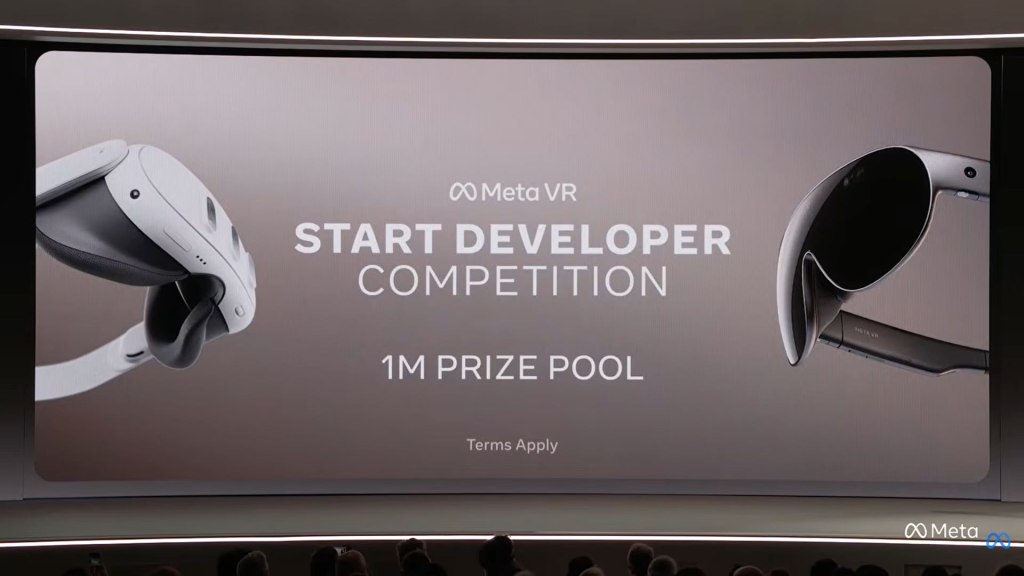
For Meta Quest readers, the type map matters because smart glasses do not replace a headset in one clean way. Display glasses can replace some video-watching use cases. Camera glasses can replace some phone-camera moments. Work HUDs can replace some phone-checking moments. None of them replace room-scale VR, VR fitness, controller interaction, or immersive games.
That is the simplest distinction: Quest is a place you enter. Smart glasses are tools you wear while staying where you already are. Once you understand that, the category becomes less confusing and the buying mistakes become easier to avoid.
Bottom Line
Ray-Ban Meta vs Oakley Meta vs XREAL vs Vuzix is not a product ranking. It is a category lesson. Ray-Ban Meta is for capture. Oakley Meta is for sports capture. XREAL and similar products are for private screens. Vuzix is for work prompts. Even and Halliday are for camera-free glanceable information. Meta Ray-Ban Display and RayNeo X3 Pro are early AR signals.
If you remember only one thing, make it this: smart glasses are not one market yet. They are several product types sharing one name. Buy the type first. Then pick the product.
Where To Go Next
- Best Smart Glasses in 2026: the buying hub
- Best AR Display Glasses for Movies and Gaming
- Ray-Ban Meta Gen 2 guide
- XREAL One Pro guide
- Vuzix Z100 guide
- Even Realities G2 guide
Sources
- Android Central: Ray-Ban Meta Gen 2 specs and price context
- Meta Newsroom: Ray-Ban Meta Gen 2 announcement
- XREAL official store: XREAL One Pro
- Vuzix: Z100 general availability announcement
- Even Realities official page: Even G2
- Best Buy: Meta Ray-Ban Display retail listing
- RayNeo official store: X3 Pro AI+AR smart glasses
Related app guides
If this pick caught your attention, these proven Meta Quest guides are useful next stops.