Search answer: Brilliant Labs Halo price
Brilliant Labs Halo is positioned as a $349 AI glasses product in the U.S. buyer conversation. The price makes the key comparison less about premium display glasses and more about whether you want open-source AI, Noa, and Narrative memory instead of a mainstream Ray-Ban Meta-style camera glasses experience.
Brilliant Labs Halo matters in 2026 because it is the current successor to the company’s earlier Frame concept: still open-source and AI-focused, but aimed at feeling less like an experiment and more like a product readers can compare before buying.
Compare before buying
If this product is on your shortlist, start with Best Smart Glasses in 2026 for the broad buying answer, then use Smart Glasses Types Explained to compare camera glasses, display glasses, HUD/work glasses, and AI-first glasses. If your main goal is movies, gaming, or a laptop-size private screen, also check Best AR Display Glasses for Movies and Gaming.
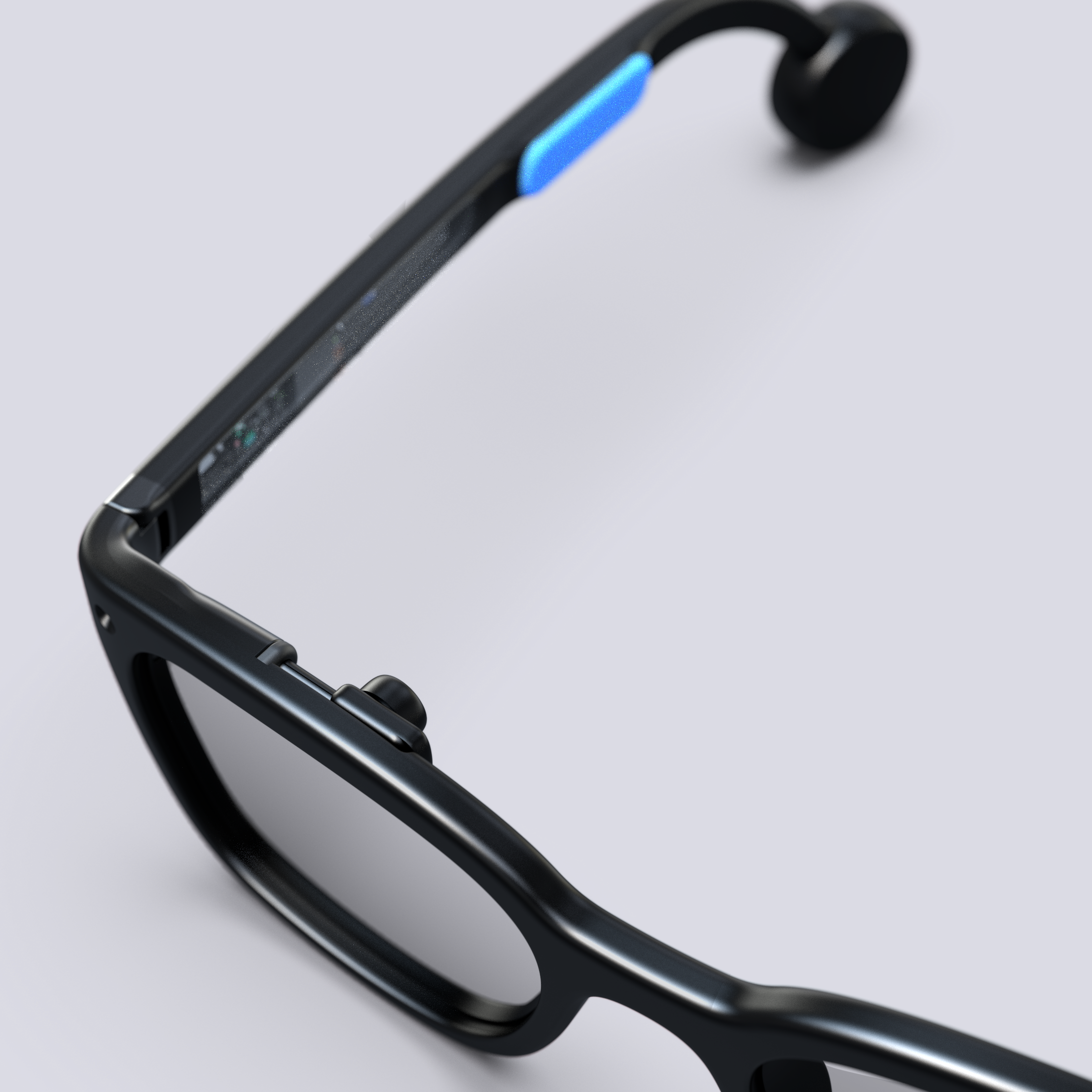
That context is important for readers. Halo is not a private cinema product like XREAL, VITURE, RayNeo, or Rokid AR Spatial. It is not a camera-first social product like Ray-Ban Meta or Solos AirGo V2. It is an open-source AI glasses platform built around Noa, memory, a small display, bone-conduction audio, and the idea that users should be able to build new behaviors instead of waiting for an app store.
Current price answer
Brilliant Labs Halo current price 2026 answer: Brilliant Labs Halo is positioned as a $349 open-source AI glasses product in 2026. The important buying question is not only the price. It is whether you want an experimental AI wearable with Noa, memory features, a small display, and developer-friendly openness, or a more mainstream camera/audio product such as Ray-Ban Meta.
What Brilliant Labs Halo is
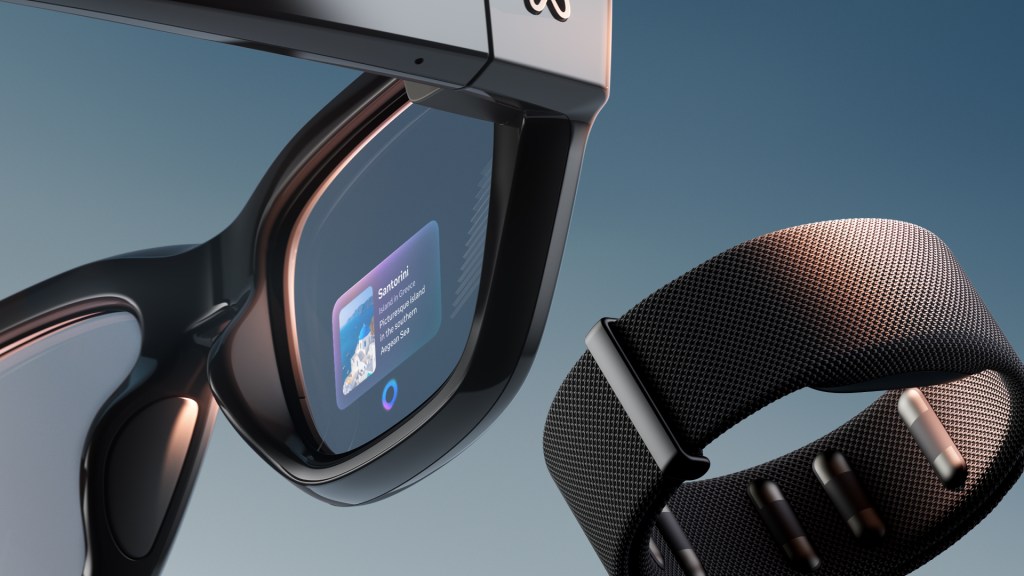
Halo is Brilliant Labs’ follow-up to Frame. The official Halo product page currently lists it at $349. Brilliant describes it as open-source AI glasses for curious and creative users, with Noa as a private conversational AI agent, long-term memory through Narrative, Vibe Mode for creating ideas with natural language, and a weight just over 40 grams. The page says shipping starts in Q1 2026.
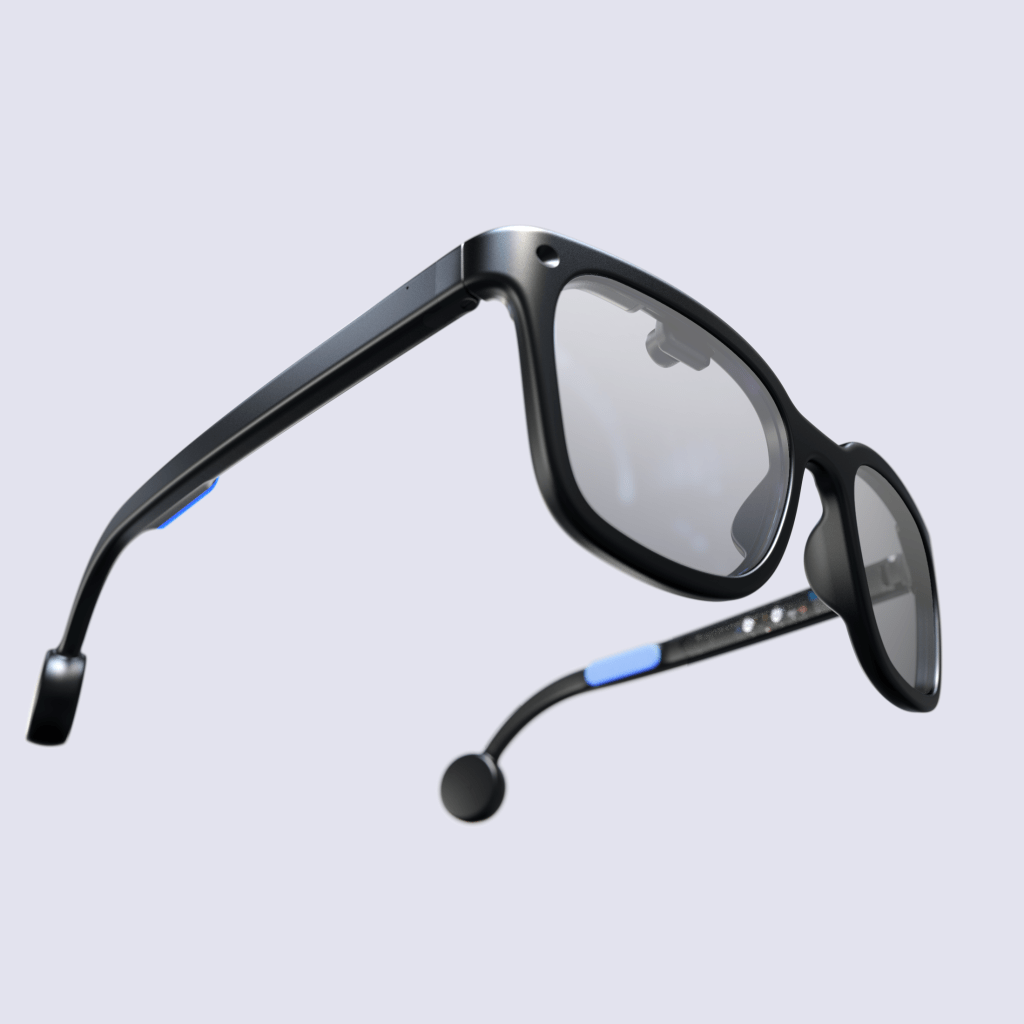
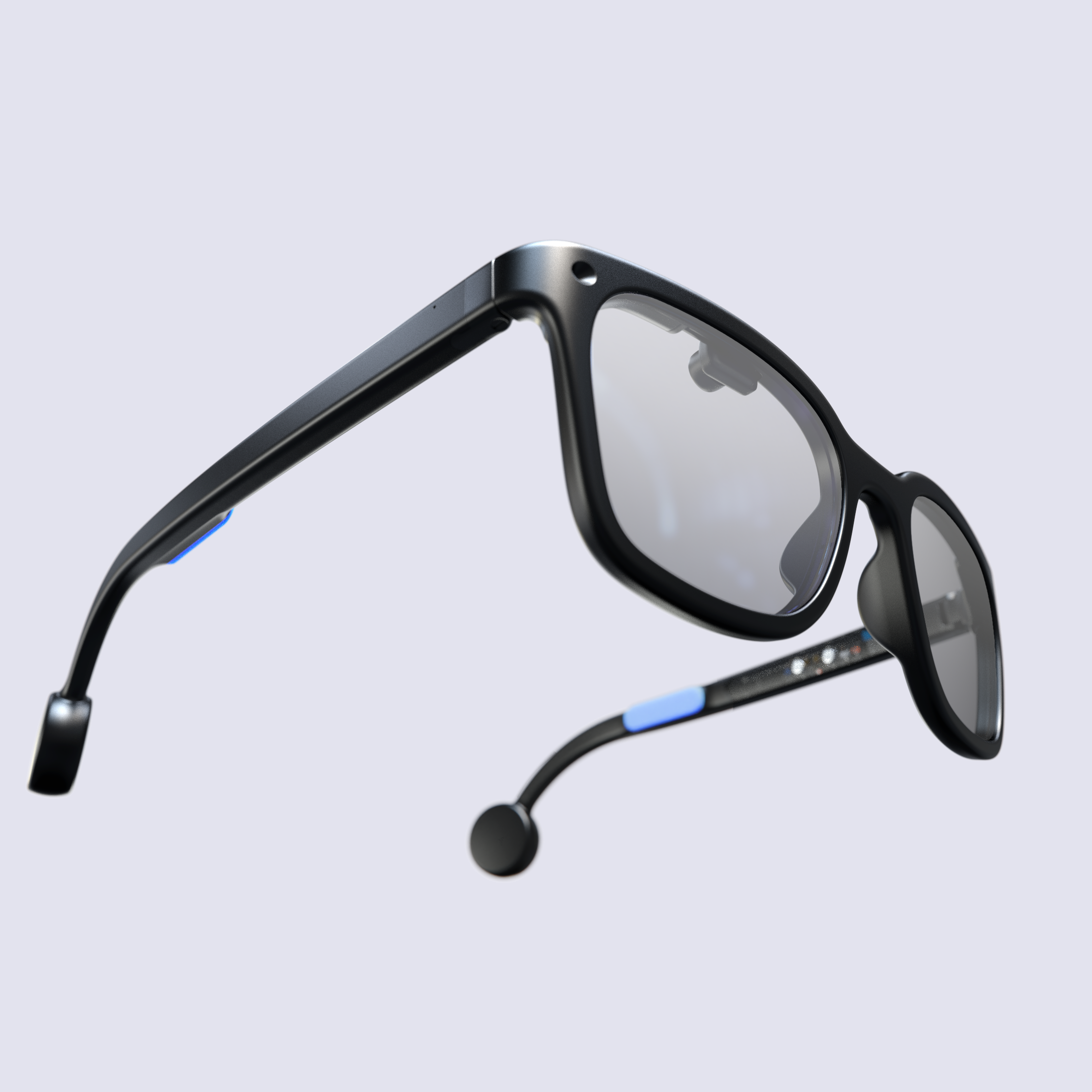
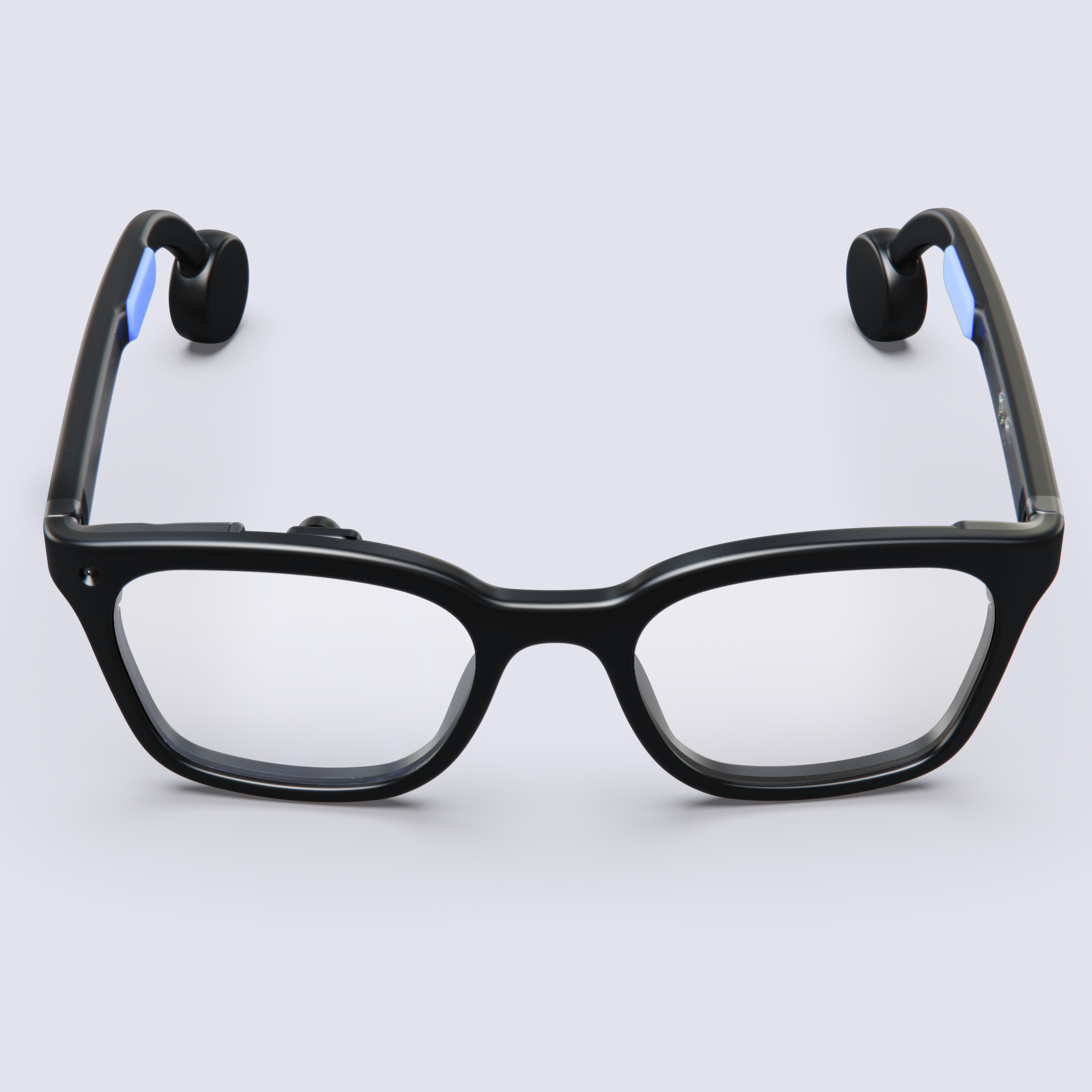
The Verge and Tom’s Guide both described Halo as a major step beyond Frame, highlighting a microOLED display, bone-conduction audio, AI memory, and a more everyday frame shape. The important point is that Halo is not only a hardware refresh. It is Brilliant Labs trying to make its AI glasses less like a developer toy and more like daily eyewear.
The core specs that matter
- Current official price: $349 on Brilliant Labs’ Halo product page at the time checked.
- Shipping timing: Brilliant’s page says Q1 2026.
- Weight: just over 40 grams according to Brilliant Labs.
- Display: small color microOLED display in the user’s peripheral view, according to Brilliant and launch coverage.
- Audio: bone-conduction audio, unlike Frame, which required separate earbuds for audio.
- AI assistant: Noa, Brilliant’s multimodal AI agent.
- Memory: Narrative, a personal memory feature that can recall past conversations and visual context.
- Creation mode: Vibe Mode, which Brilliant describes as a way to build ideas through natural language.
- Lens support: prescription support through SmartBuyGlasses partnership.
- Open-source positioning: Brilliant Labs continues to emphasize developer access and community experimentation.
The biggest upgrade over Frame is that Halo sounds more complete as a daily product. Frame was fascinating, but it lacked speakers, relied heavily on the phone and external services, and felt like a toolkit first. Halo adds audio, memory, and a more wearable form factor.
Why Halo matters after Frame
Frame deserves credit. It was one of the clearest examples of open-source AI glasses: microOLED display, camera, microphone, Noa app, Perplexity/OpenAI/Whisper-style AI workflows, and developer access. But real-world impressions were mixed. Forbes liked the lightweight normal-looking design and future potential. 9to5Google called it a disappointing stepping stone, especially because the experience did not fully match the promise.
Halo is Brilliant Labs’ answer to that gap. Instead of only letting AI answer questions about what you see, Halo leans into memory and proactive assistance. It is trying to become a personal AI layer rather than only a wearable search box.
Narrative memory is the risky feature
Narrative is the feature that will decide whether Halo feels magical or uncomfortable. Brilliant describes it as long-term memory for your life, built from what the glasses hear and see. The Verge’s launch coverage framed it as a way for Halo to remember names of people you meet or recall things from previous interactions.
That can be genuinely useful. Forgetting names, tasks, context, and past details is a common human problem. But memory glasses also raise privacy questions. Buyers should ask where data is processed, how it is stored, what can be deleted, and how consent works when other people are part of the memory.

Vibe Mode is the developer hook
Vibe Mode is Brilliant Labs’ attempt to make app creation less technical. Instead of waiting for a traditional app store, the idea is that users can describe the behavior they want and let Noa help build it. That fits Brilliant’s open-source culture and makes Halo more interesting than a closed assistant device.
For ordinary buyers, this may not matter on day one. For developers, creators, and tinkerers, it is the reason Halo deserves attention. The smart-glasses market is still early, and closed products often move slowly. A buildable platform can become useful in weird, specific ways faster than a polished mainstream device.
Who should consider Brilliant Labs Halo
- Developers and tinkerers who want open-source AI glasses rather than a locked consumer product.
- Frame fans who liked the concept but wanted better audio, memory, and daily-wear design.
- People curious about personal AI memory who understand the privacy tradeoffs.
- Buyers who want a small display without buying cinema-style display glasses.
- Early adopters who are comfortable with a product that may evolve quickly after shipping.
Who should skip it
- People who want a proven product today should wait for more shipping reviews.
- Camera social buyers should compare Ray-Ban Meta or Solos AirGo V2.
- Movie and gaming buyers should look at XREAL, VITURE, RayNeo, or Rokid AR Spatial.
- Privacy-sensitive buyers should think carefully about Narrative memory before ordering.
- VR gamers should buy Meta Quest instead.

Halo vs Frame
Frame is the proof of concept. Halo is the attempt to become wearable computing. Frame had a microOLED display, camera, open-source access, and Noa. Halo adds a more mainstream frame shape, bone-conduction audio, Narrative memory, Vibe Mode, and a stronger daily assistant story.
If you are choosing today, Halo is the one to watch. Frame is historically important, but Halo is the product Brilliant Labs is actively positioning for the next phase.
Halo vs Halliday
Halliday DigiWindow Glasses also use a small hidden display and AI assistance. Halliday feels more like a discreet prompt device. Halo feels more like an open-source personal AI platform. Halliday is about a tiny private visual layer. Halo is about Noa, memory, and building new behaviors.
The choice depends on personality. Halliday is the quieter, more productized idea. Halo is the more experimental and developer-friendly idea.
Halo vs Ray-Ban Meta
Ray-Ban Meta is still the safer mainstream option for most camera glasses buyers. It has better-known frames, social sharing, mature app support, and Meta AI. Halo counters with a display, open-source ethos, memory, and a more experimental AI agent.
Choose Ray-Ban Meta if you want a consumer product. Choose Halo if you want a platform that feels closer to the edge of AI wearables.
Halo vs display glasses
XREAL, VITURE, RayNeo, and Rokid AR Spatial are for large screens. Halo is for glanceable AI. A Steam Deck game belongs on display glasses. A name reminder, translation, quick AI cue, or custom lightweight workflow belongs on Halo.
For PlayTechDeep readers, Halo should not be compared to Meta Quest or VITURE Beast on immersion. It belongs in the AI glasses lane, not the VR or wearable-cinema lane.
Bottom line
Brilliant Labs Halo is one of the more interesting smart glasses to watch because it does not merely copy Ray-Ban Meta. It brings a small display, bone-conduction audio, personal memory, open-source culture, and natural-language app creation into a $349 product.
The caution is timing and proof. Halo needs real shipping reviews before it can be called a safe buy. But as a direction for smart glasses, it is important: less social camera, more personal AI layer, and more room for builders to shape what the glasses become.
Continue Reading
For a broader comparison, these related smart glasses articles are the best next stops.
- Ray-Ban Meta vs Oakley Meta vs XREAL vs Vuzix: Smart Glasses Types ExplainedA smart glasses type guide that explains the difference between AI camera glasses, sports glasses…
- Vuzix Z100 Guide: The 38-Gram Smart Glasses Built for Quiet Workflows, Not HypeA U.S.-focused Vuzix Z100 guide covering price, 38g design, 48-hour battery claim, monochrome…
- Even Realities G2 Guide: The Camera-Free Smart Glasses for Focus, Translation, and Quiet AIA U.S.-focused Even Realities G2 guide covering the $599 price, 36g camera-free design, Micro-LED…
- Halliday DigiWindow Glasses Guide: The $499 AI Glasses With a Tiny Hidden DisplayA U.S.-focused Halliday DigiWindow Glasses guide covering the $499 price, 28.5g design, DigiWindow…