XREAL One is the practical checkpoint before paying for XREAL One Pro. The Pro is bigger, brighter, wider, and more expensive. The standard One is the question most buyers should ask first: do you actually need the premium optics, or is a $449 wearable display already enough?
That question matters because XREAL One is not trying to be AI camera glasses. It does not compete with Ray-Ban Meta, Oakley Meta, or Meta Ray-Ban Display on social capture or assistant features. It is a private screen for devices you already own: phones, laptops, tablets, handheld gaming PCs, and compatible consoles.
What XREAL One is
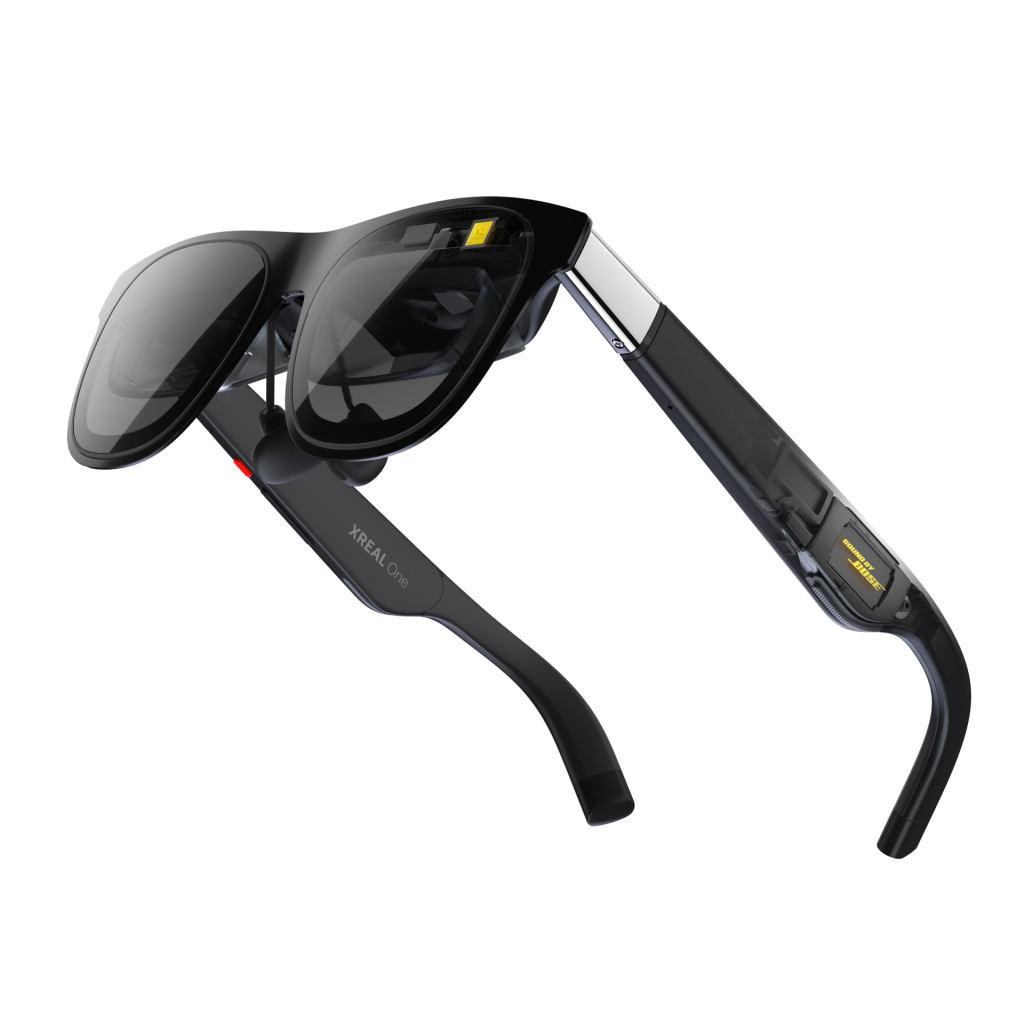
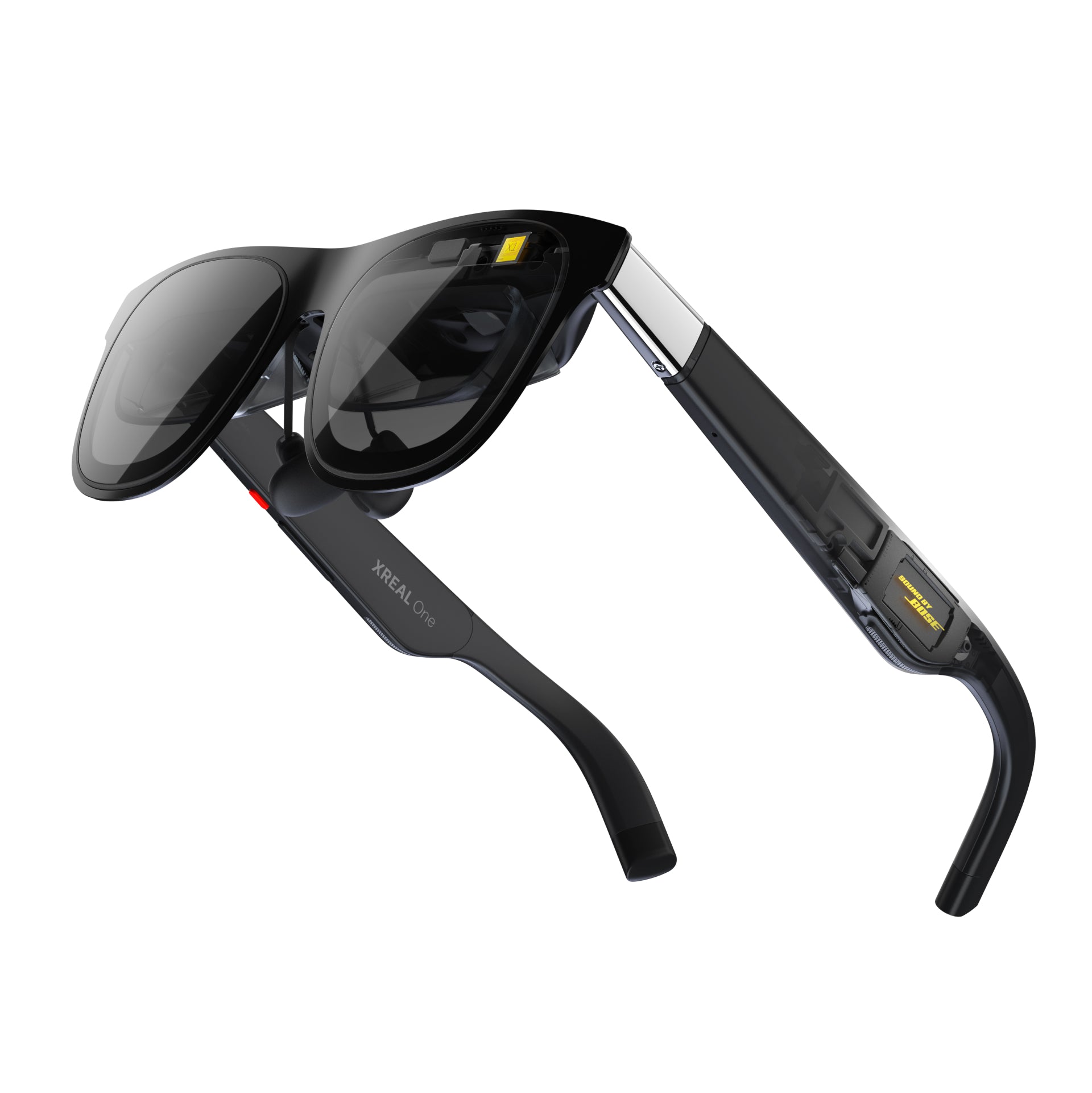
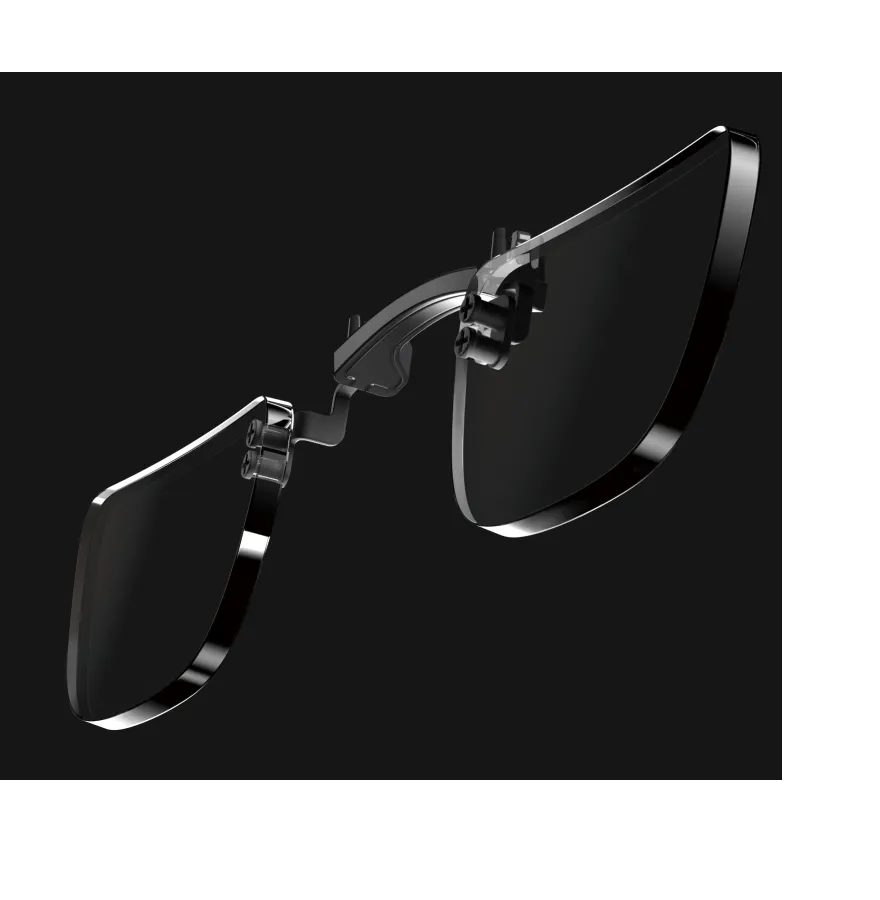
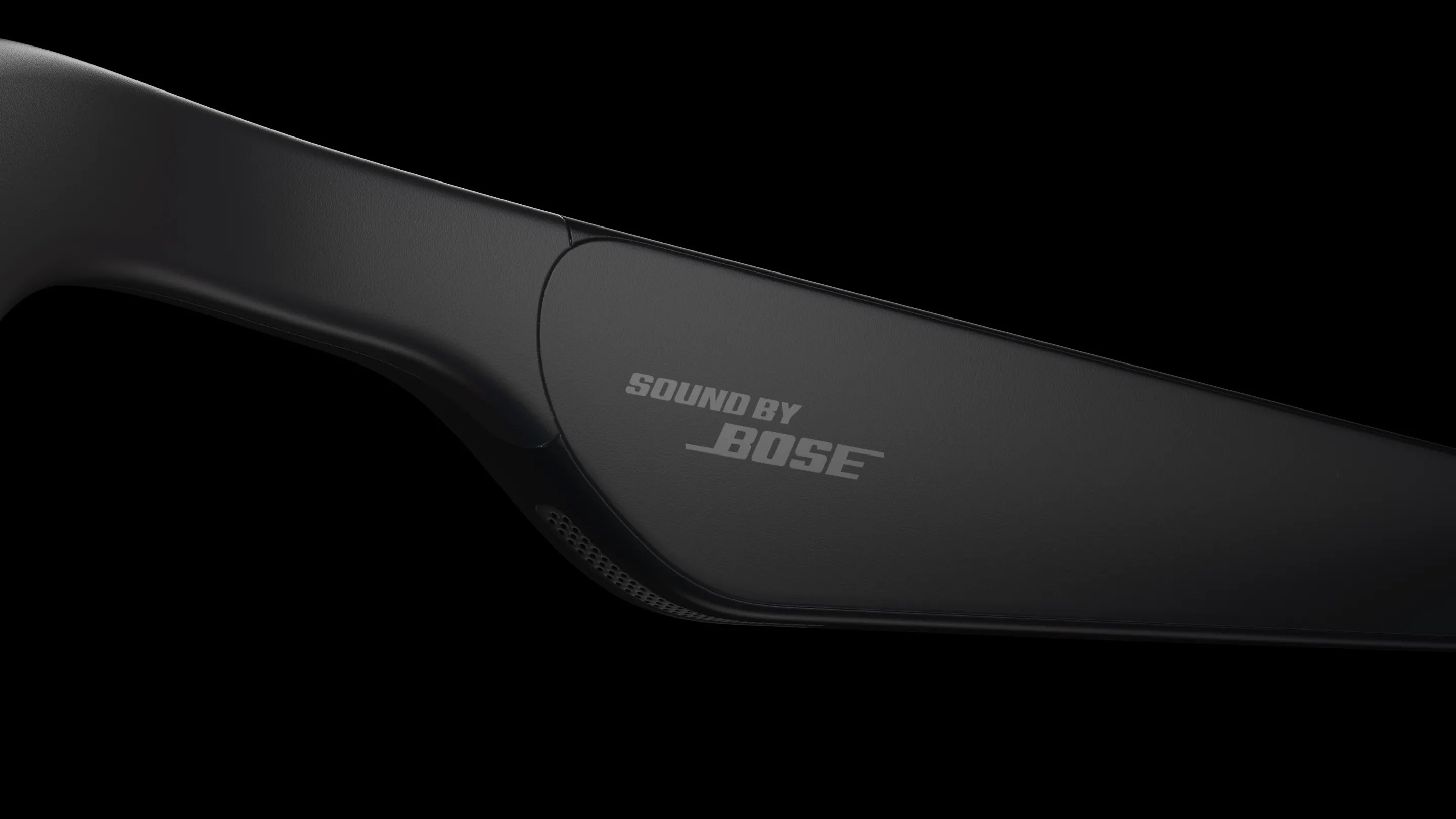
XREAL One is XREAL’s mainstream AR display glasses model with the company’s X1 spatial computing chip built in. The official U.S. shop currently lists it at $449 USD. It gives you a 1080p display per eye, 50-degree field of view, 120Hz refresh rate, 600-nit perceived brightness, three levels of electrochromic dimming, Sound by Bose, and USB-C display connectivity.
The important point is that it behaves like a wearable monitor, not a standalone computer. You plug it into a compatible source device and see a large virtual screen. The source device still does the computing. The glasses handle the display, audio, controls, and spatial stabilization.
The core specs that matter
- Current U.S. store price: $449 USD on XREAL’s U.S. shop at the time checked.
- Display: 1920 x 1080 per eye.
- Display type: Sony 0.68-inch Micro-OLED.
- Field of view: 50 degrees.
- Refresh rate: up to 120Hz.
- Brightness: 600 nits perceived brightness.
- Chip: XREAL X1 spatial computing chip.
- Audio: Sound by Bose open-ear audio tuning.
- Weight: about 82 grams.
- Connection: USB-C DisplayPort source required for most direct connections.
The most important tradeoff versus One Pro is field of view. One gives you 50 degrees. One Pro gives you 57 degrees. That sounds like a small number, but in display glasses it changes how large and immersive the virtual screen feels. The question is whether that bigger view is worth the extra money.
Why the X1 chip matters
The X1 chip is the reason XREAL One feels different from older display glasses. Earlier glasses often leaned heavily on external software or companion devices for spatial display controls. XREAL One moves more of that control onto the glasses themselves: screen mode, size, distance, brightness, and stabilization feel more immediate.
Tom’s Hardware described the X1 chip as a meaningful upgrade to the user interface and viewing experience. That is the right way to think about it. The chip does not turn XREAL One into a standalone headset. It makes the wearable screen easier to live with.
Best use cases
- Handheld gaming: Steam Deck, ROG Ally, Lenovo Legion Go, and similar devices can feel much larger.
- Travel entertainment: watch movies privately on flights, trains, and hotels.
- Laptop privacy: use a private display when working in public spaces.
- Phone video: turn a supported USB-C phone into a larger viewing setup.
- Console play: use compatible adapters or hubs when needed for consoles without direct USB-C display output.
Who should consider XREAL One
- First-time display-glasses buyers who want a strong baseline without paying One Pro pricing.
- Handheld gaming users who want a bigger screen but not a VR headset.
- Travelers who value private entertainment more than camera or AI assistant features.
- Laptop users who want a portable external display for cramped spaces.
- Readers comparing XREAL vs VITURE vs Rokid who need one clear XREAL baseline.
Who should skip it
- Buyers who want the largest XREAL screen should compare One Pro first.
- People who want the newest entry model should also look at XREAL 1S, which brings newer 2026 improvements.
- Camera/AI glasses buyers should consider Ray-Ban Meta or Oakley Meta instead.
- VR gamers should still buy Meta Quest or another VR headset for immersive apps.
- People without compatible USB-C DP devices should check adapter needs before buying.
XREAL One vs XREAL One Pro
XREAL One Pro is better on paper: 57-degree field of view, 700-nit perceived brightness, X Prism optics, newer Sony 0.55-inch Micro-OLED panels, and optional IPD sizing. It also costs more. XREAL One is the more practical starting point because it gives you the X1 chip, 120Hz display, electrochromic dimming, Bose audio, and a large wearable screen at a lower price.
The buying rule is simple. Choose One Pro if you know you will use the glasses often and want the widest, cleanest XREAL display experience. Choose One if you want the XREAL concept without paying flagship pricing.
XREAL One vs XREAL 1S
There is one complication: XREAL 1S now exists. It is positioned as a newer entry-level model with 2026 upgrades such as a higher 1200p resolution, 52-degree field of view, 700-nit brightness, and Real 3D features, while staying near the same $449 price band according to coverage from The Verge and other outlets.
That means buyers should not treat XREAL One in isolation. If you are shopping today, check One, One Pro, and 1S together. XREAL One remains a useful reference point because it explains the X1-chip display-glasses experience, but the newer 1S may be a smarter current purchase depending on stock, pricing, and feature availability.
XREAL One vs Meta Quest
XREAL One is not a Quest replacement. Quest is a standalone immersive headset with VR games, hand tracking, mixed reality, and apps. XREAL One is a display for another device. It is lighter and better for travel screens, but it does not put you inside a virtual world.
For a VR blog audience, the distinction is useful. Buy Quest when you want an experience. Buy XREAL One when you want your existing device to have a bigger private screen.
Bottom line
XREAL One is the sensible middle of the XREAL display-glasses story. It is not as premium as One Pro and not as fresh as 1S, but it explains why this category exists: a large private screen, lower friction than VR, and broad usefulness with phones, laptops, and handheld gaming hardware.
If the One Pro article was about the flagship display-glasses experience, this XREAL One guide is about practicality. For many readers, the best smart glasses are not the ones with the longest spec sheet. They are the ones they will actually plug in every week.
Continue Reading
If this guide helped, these related smart glasses articles are the best next stops.
- Best AR Display Glasses for Movies and Gaming: XREAL, VITURE, RayNeo, and Rokid ComparedA U.S.-focused AR display glasses comparison for movies, gaming, travel, and laptop use, covering…
- XREAL One Pro Guide: The AR Display Glasses for Gaming, Travel, and a Huge Portable ScreenA U.S.-focused XREAL One Pro guide covering the $649 price, 57-degree field of view, X1 chip…
- VITURE Luma Pro Guide: The 1000-Nit XR Glasses Built for Gaming, Movies, and TravelA U.S.-focused VITURE Luma Pro guide covering the current price, 1200p display, 52-degree field of…
- RayNeo Air 4 Pro Guide: The $299 HDR10 Display Glasses for Gaming and StreamingA U.S.-focused RayNeo Air 4 Pro guide covering the $299 price, HDR10 support, 1200-nit brightness…