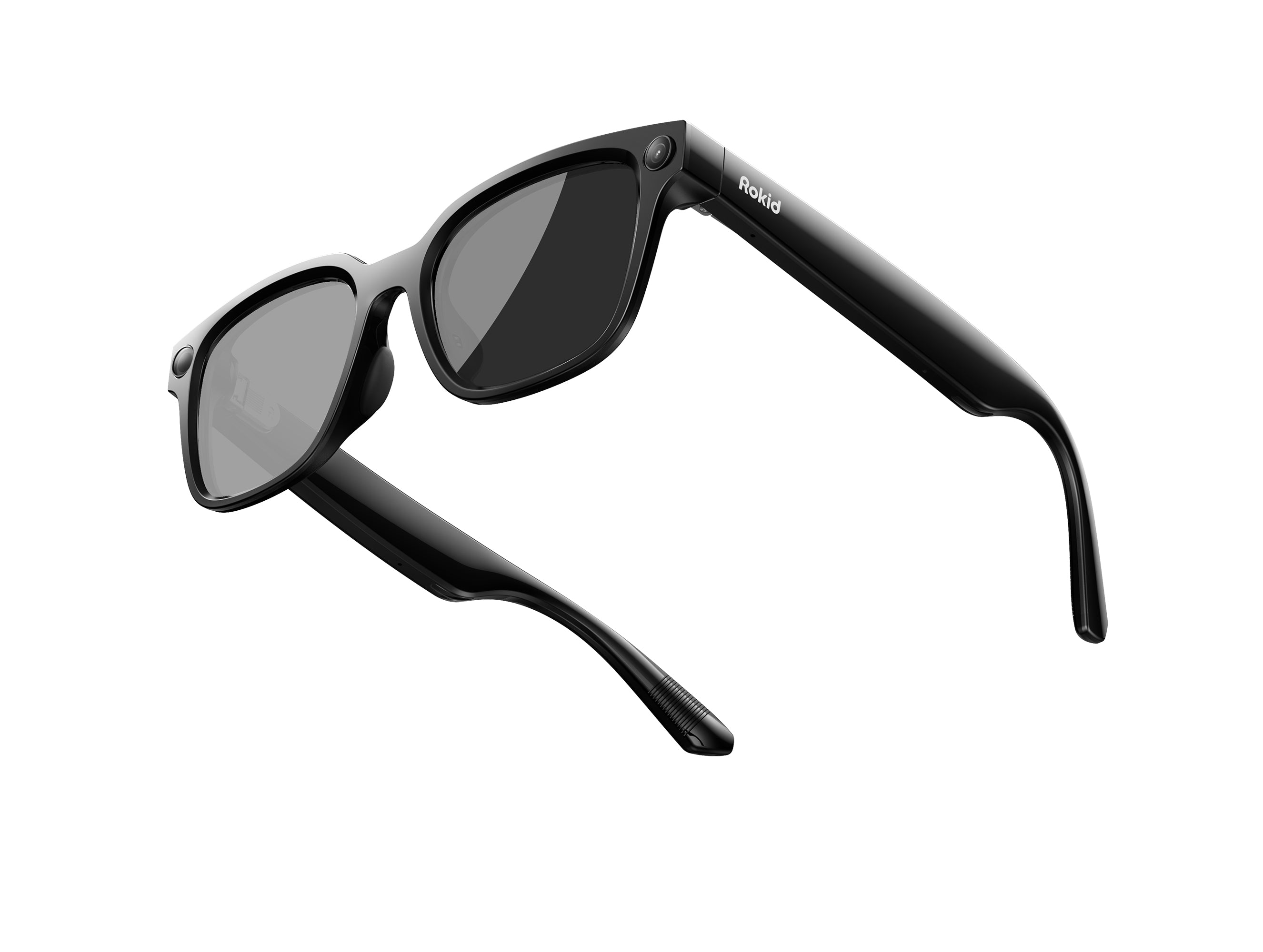
Rokid AI Glasses Style is a useful reset after several display-glasses articles because it removes the screen entirely. XREAL 1S, XREAL One Pro, and VITURE Luma Pro are about private visual displays. Rokid Style is about something lighter and more social: voice-first AI, camera capture, translation, and everyday assistance in a frame that weighs less than many ordinary smart glasses.
That makes Rokid Style a direct comparison point for Ray-Ban Meta, Oakley Meta HSTN, and other display-free AI glasses. It is not trying to replace Meta Quest, and it is not trying to become a laptop monitor. It is asking whether AI glasses can be useful even when they do not put a screen in front of your eyes.
What Rokid AI Glasses Style is
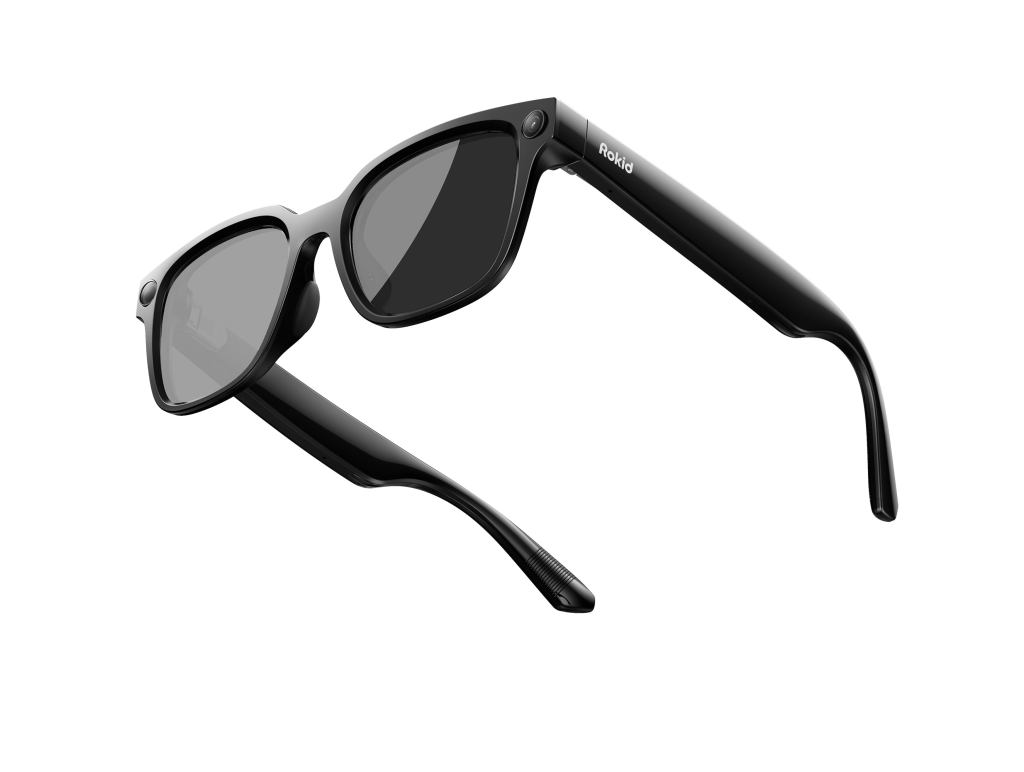
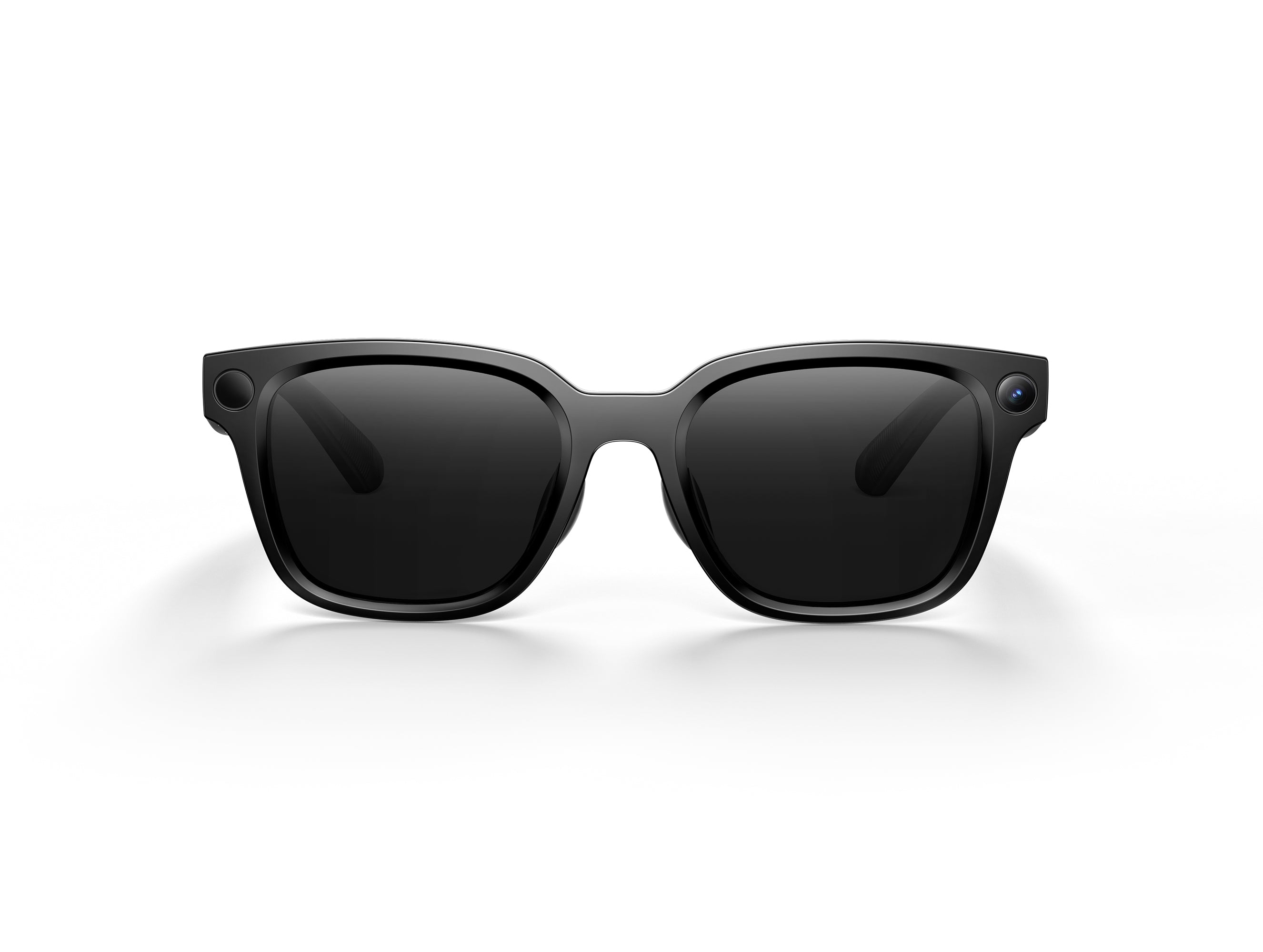
Rokid AI Glasses Style is a display-free, voice-centric pair of AI smart glasses. Rokid launched the product at CES 2026 and then announced global availability in January 2026. The official Rokid shop currently shows a discounted price around $279 with a higher regular price shown on the product page, while Rokid’s launch materials positioned the glasses as starting at $299. Pricing may shift with sales, bundles, regions, and Amazon availability.
The important product decision is the missing display. There is no floating screen, no HUD, and no AR overlay. Instead, Rokid focuses on a 38.5-gram frame, open AI model support, camera capture, voice interaction, prescription-first options, and real-world tasks such as translation, visual questions, meeting summaries, and quick photos or videos.
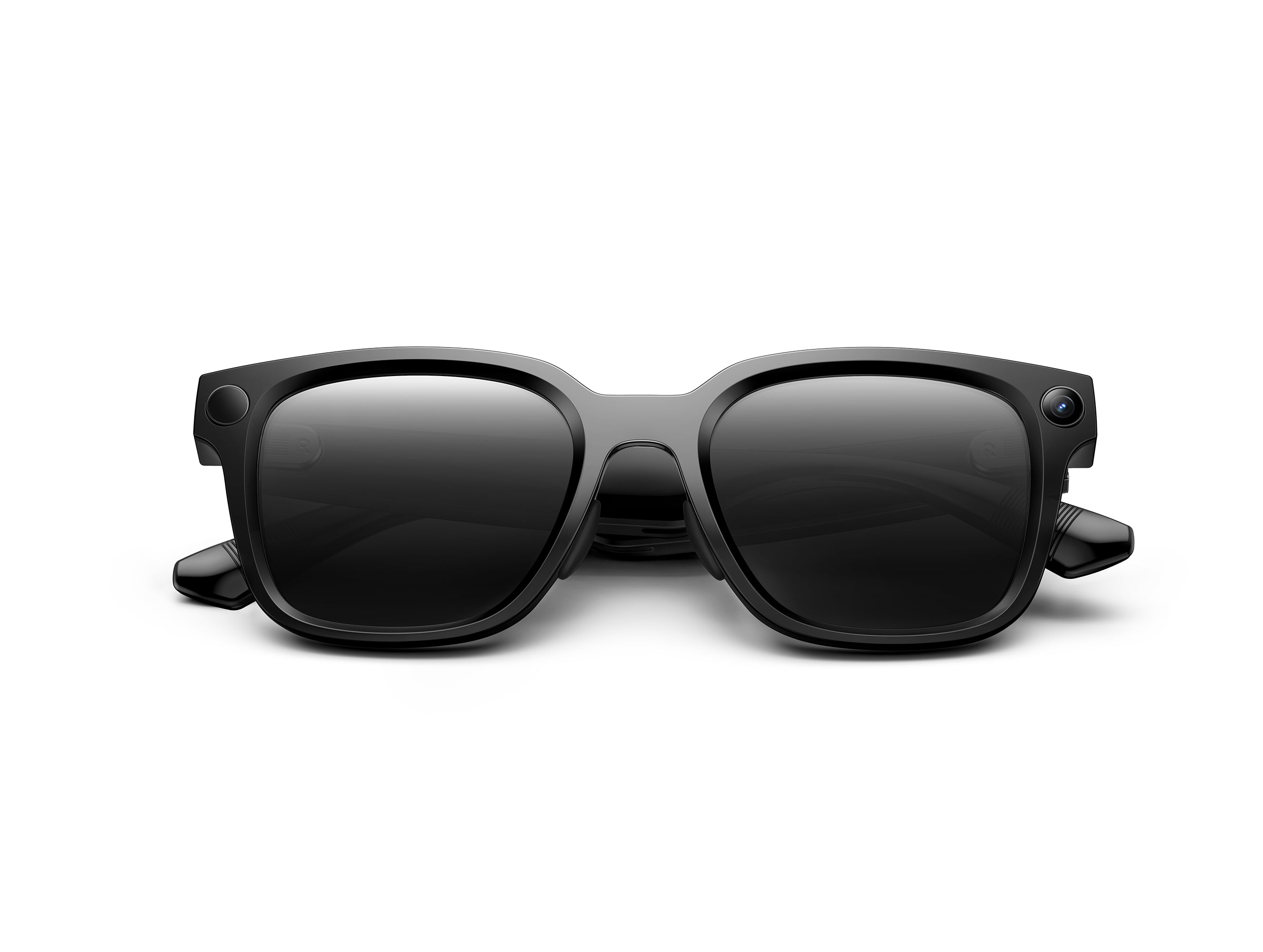
The core specs that matter
- Current official shop price: about $279 on Rokid’s global shop at the time checked, with launch materials citing a $299 starting price.
- Weight: 38.5 grams according to Rokid’s CES and launch materials.
- Display: none. This is a screenless AI glasses product.
- Camera: 12MP camera with Sony sensor according to Rokid and multiple launch reports.
- Video: Rokid describes support for 4K capture and multiple recording formats.
- AI ecosystem: Rokid promotes support for ChatGPT, Qwen, DeepSeek, Gemini, and other model integrations depending on region and update status.
- Battery claim: up to 12 hours of typical use in Rokid’s CES materials and follow-up coverage.
- Design: prescription-first frame options and interchangeable lens styles.
- Controls: voice-first operation with touch and app-based support depending on feature.
The spec sheet is not trying to impress VR buyers with immersion. It is trying to convince everyday glasses buyers that AI features can be light enough to wear all day. That is a different bet from XREAL and VITURE, and it is exactly why Rokid Style deserves a separate article instead of being grouped with display glasses.
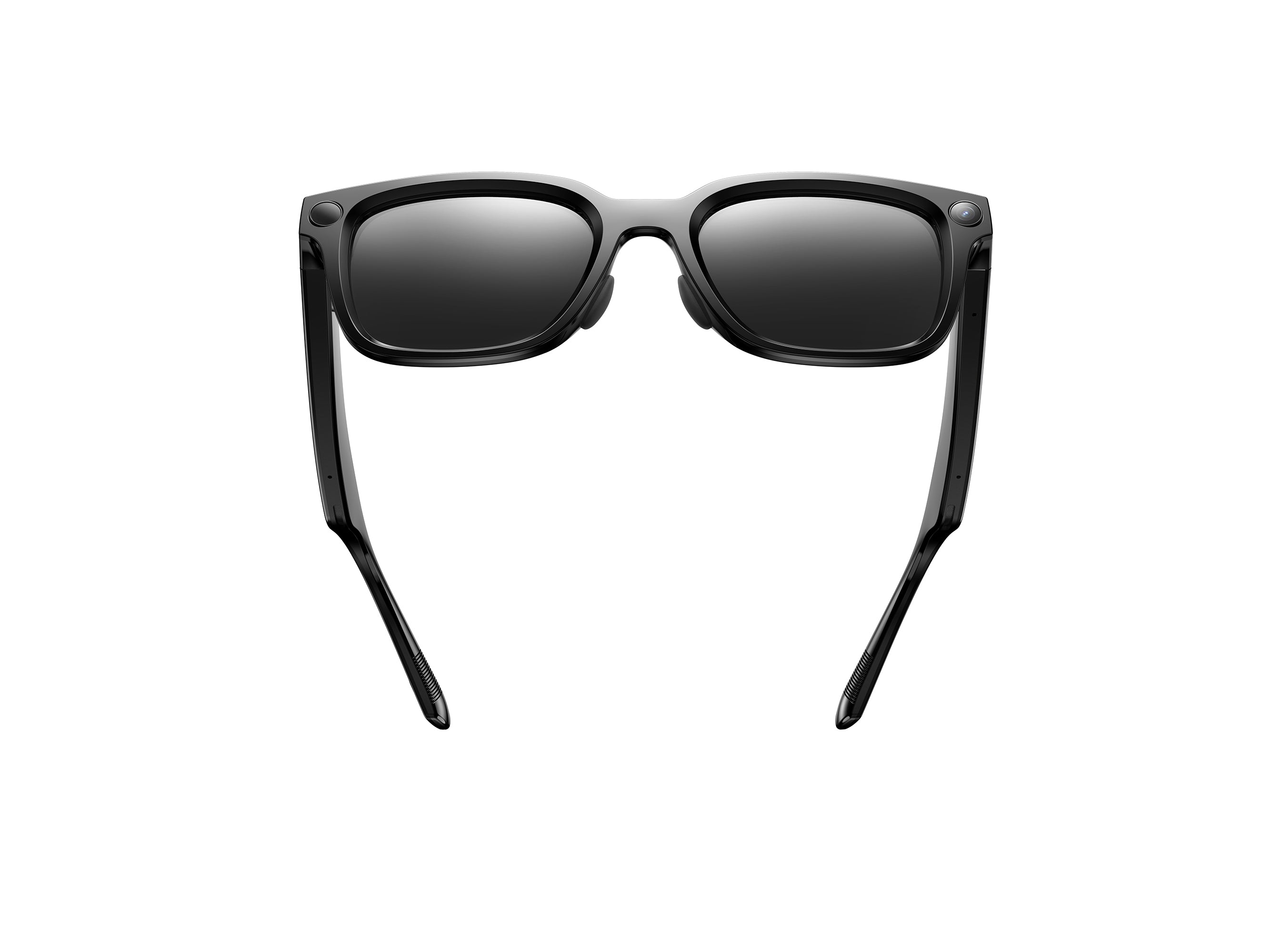
The open AI ecosystem is the main pitch
Rokid’s clearest claim is openness. The company repeatedly describes Style as an open AI ecosystem product, with support or integration plans around ChatGPT, Qwen, DeepSeek, Gemini, Google Maps, Microsoft AI translation, and other services. The pitch is that buyers should not be locked into one assistant just because they chose one pair of glasses.
That is important because AI glasses are still early. Ray-Ban Meta is strong because Meta controls the hardware, app, assistant, camera, and social sharing flow. Rokid’s counterargument is flexibility. If AI tools keep changing quickly, a glasses platform that can speak to multiple models may age better than one tied too tightly to a single assistant.
What you actually do with screenless AI glasses
The screenless design creates one big advantage and one obvious limit. The advantage is comfort. Without display optics, the frame can be lighter, simpler, and closer to normal eyewear. The limit is feedback. If the glasses answer by voice, phone app, or audio, they cannot show a map arrow, a live caption line, or a visual notification in your field of view.
That makes Rokid Style best for tasks that work naturally through voice and camera: ask what you are looking at, capture a quick clip, translate a conversation, summarize a meeting, record hands-free content, or call on an AI assistant without pulling out a phone. It is less ideal for tasks where a tiny display would clearly help, such as navigation overlays, live captions, teleprompter prompts, or glanceable notifications.
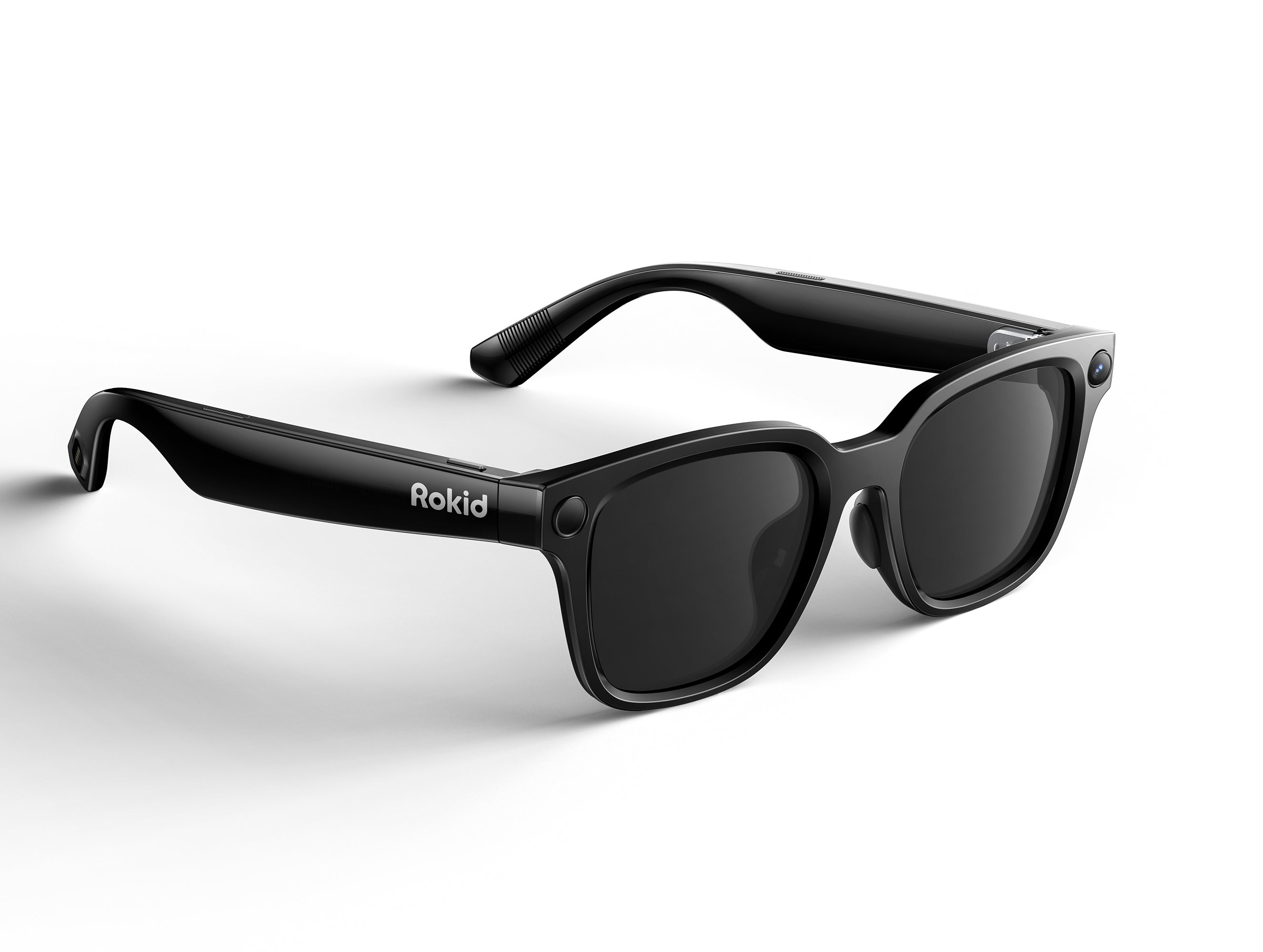
Prescription-first design matters more than it sounds
Many smart glasses fail the boring test: can someone who wears prescription lenses actually use them without turning the purchase into a confusing accessory project? Rokid keeps emphasizing prescription-first design, broad lens customization, and support for users who need real vision correction. That is not glamorous, but it is practical.
This matters because display-free AI glasses are supposed to be worn outside, not reserved for a gaming desk. If a buyer cannot make the lenses work, the AI features do not matter. Rokid’s prescription positioning is one of the clearest ways it tries to separate Style from gadget-only smart glasses.
Camera and creator use
The 12MP camera puts Rokid Style in the same broad category as Ray-Ban Meta: hands-free capture. Rokid’s launch materials and third-party coverage emphasize 4K video and multiple aspect ratios, which makes the product easier to imagine for short-form creators. A bike ride, cooking scene, travel moment, or repair task can be captured from a first-person perspective without holding a phone.
The practical question is trust. Camera glasses always have a social comfort problem. People nearby need to know when they are being recorded, and the wearer needs to be thoughtful about private spaces. A lighter camera is still a camera. That is not a reason to avoid the category, but it is a reason to treat recording etiquette as part of ownership.
Who should consider Rokid AI Glasses Style
- Ray-Ban Meta shoppers who want a cheaper or more open AI ecosystem alternative.
- People who do not want a display but still want camera, voice AI, translation, and hands-free capture.
- Prescription glasses users who care about lens support before they care about novelty.
- Travelers and multilingual users who want AI translation and quick contextual help.
- Creators who want first-person clips without wearing an action camera.
Who should skip it
- Anyone who wants a screen should look at Meta Ray-Ban Display, Rokid AR Lite, XREAL, or VITURE instead.
- VR gamers should buy Meta Quest or another VR headset, because Rokid Style does not run immersive apps.
- People who dislike voice-first products may find the no-display design too invisible.
- Privacy-sensitive buyers should think carefully about wearing camera glasses in social settings.
- Buyers who want the most polished U.S. social-camera ecosystem should still compare Ray-Ban Meta first.
Rokid Style vs Ray-Ban Meta
Ray-Ban Meta is the obvious benchmark. Meta has the stronger consumer brand, better known frame styles, Instagram and Facebook sharing, mature app support, and a very clear camera-glasses story. Rokid Style counters with lower pricing, lighter weight, prescription-first messaging, and an open AI model strategy.
The clean buying rule is this: choose Ray-Ban Meta if social capture, style familiarity, and Meta’s app ecosystem matter most. Choose Rokid Style if you care more about open AI integrations, lighter weight, price, and prescription flexibility.
Rokid Style vs display glasses
Compared with XREAL 1S, XREAL One Pro, and VITURE Luma Pro, Rokid Style solves a different problem. Display glasses make existing screens larger. Rokid Style makes AI interaction and capture more wearable. One belongs with handheld gaming and travel movies. The other belongs with daily assistance, translation, meetings, and quick camera moments.
For a smart-glasses section, that distinction is healthy. The category is splitting into lanes: immersive VR headsets, display glasses, display-equipped AI glasses, and screenless AI glasses. Rokid Style is one of the clearer examples of the last lane.
Bottom line
Rokid AI Glasses Style is not the most visually exciting smart glasses product because it intentionally has no display. But that restraint is the point. By skipping the screen, Rokid can focus on low weight, voice AI, camera capture, translation, prescription support, and a price that undercuts some better-known AI glasses.
If you want a giant private screen, buy XREAL or VITURE. If you want VR, buy Quest. If you want everyday AI in a lighter frame and you are comfortable with voice-first interaction, Rokid Style is one of the more interesting Ray-Ban Meta alternatives to watch in 2026.
Continue Reading
If this guide helped, these related smart glasses articles are the best next stops.
- Ray-Ban Meta vs Oakley Meta vs XREAL vs Vuzix: Smart Glasses Types ExplainedA smart glasses type guide that explains the difference between AI camera glasses, sports glasses…
- Ray-Ban Meta Gen 2 Guide: Why These AI Glasses Are the Smart Glasses BaselineA U.S.-focused Ray-Ban Meta Gen 2 guide covering price, 3K video, battery life, Meta AI, daily…
- Oakley Meta Vanguard Guide: Sports AI Glasses Built for Training, POV Video, and StravaA U.S.-focused Oakley Meta Vanguard guide covering the $499 price, 12MP ultra-wide camera, 3K…
- Oakley Meta HSTN Guide: The Everyday Oakley Smart Glasses Between Ray-Ban and VanguardA U.S.-focused Oakley Meta HSTN guide covering the $399 starting price, limited edition $499…