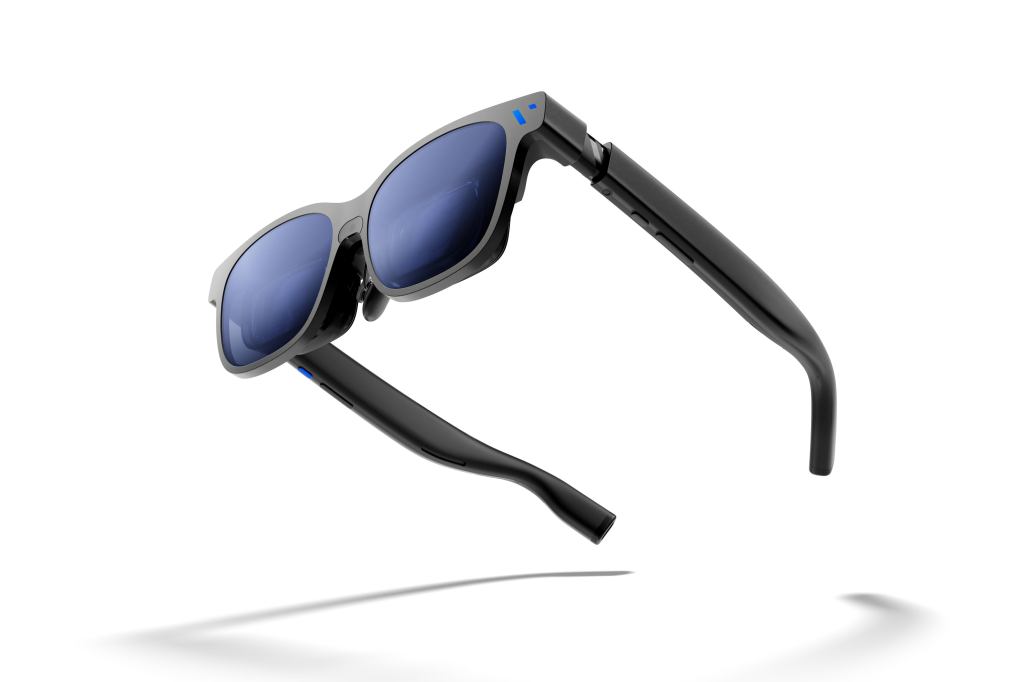
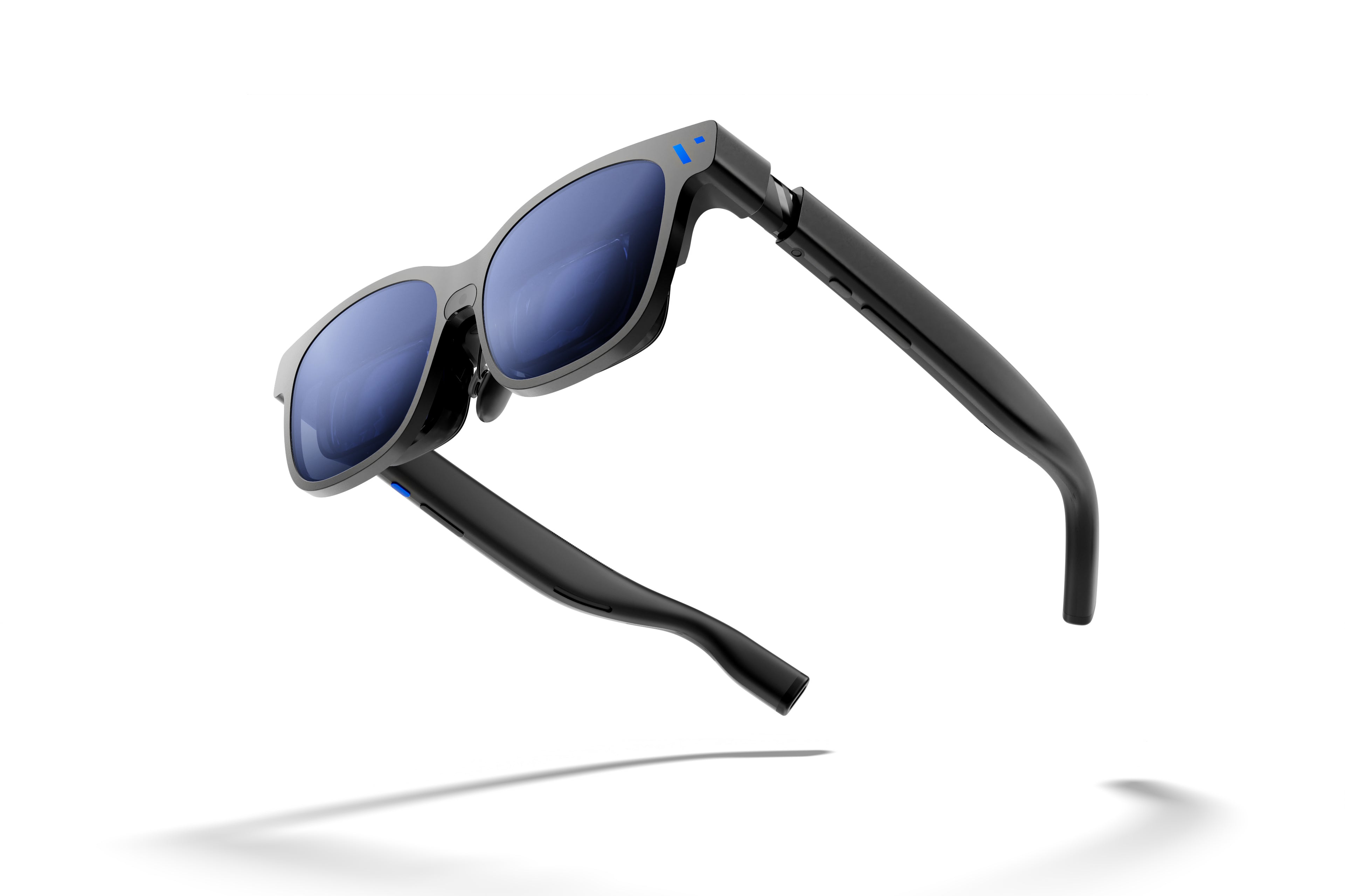
September 22, 2026: RayNeo is positioning its latest smart glasses around practical, phone-light work. According to CNET, the glasses can take notes, translate in more than 55 languages, and deliver calendar alerts without requiring users to check their phones. That puts the product in the display-glasses conversation, where private information and screen access matter more than social capture.
RayNeo targets work, travel, and productivity
The RayNeo report is notable because its listed functions are tied to everyday tasks rather than simply adding another camera to a pair of frames. Note-taking, translation, and calendar alerts describe a glasses experience built around receiving or viewing useful information while keeping the phone out of the interaction.
CNET’s description does not establish how well those functions perform in practice, but it does show the direction RayNeo is presenting: glasses that act as a private display for work and travel. The same display-focused category also includes products aimed at gaming and other screen-based uses. That is a different proposition from camera-first AI glasses, where recording, hands-free capture, and visible privacy signals are central to the buying decision.
Source: How RayNeo’s New Smart Glasses Can Streamline Your Work Day
Viture Pro 2 deal puts display glasses back in focus
Android Central reported that an early October Prime Day deal pushed the Viture Pro 2 XR glasses to what it characterized as their lowest price ever recorded. The report also describes the glasses as having a strong display and highly adjustable frames. Those are important details for a product whose core appeal is a wearable screen rather than a camera.
The timing matters. A deal connected to an early October shopping event may create a useful buying opportunity, but the supplied report does not establish how long it will remain available. Readers should therefore treat the offer as time-sensitive context, not as a standing price claim.
Placed beside RayNeo’s work-oriented announcement, the Viture item reinforces the display-glasses path: private visual access for entertainment, travel, and productivity. These products compete on the quality and comfort of the viewing experience, while camera-first glasses raise a separate set of questions about recording and consent.
Some Londoners voice privacy concerns about camera glasses
The category’s other major path is facing a more direct social test. CNN reported that some Londoners said smart glasses made them feel uneasy in bars, restaurants, and other settings where people expect a degree of privacy.
The responses do not represent every person in London, nor do they settle the broader question of how camera glasses will be received. They do show why privacy can become a purchase consideration alongside design, battery life, prescription support, and AI features. A camera that is easy to use may also make bystanders wonder when recording is happening and whether they have any meaningful way to object.
That concern is distinct from the private-screen case for RayNeo or Viture. Display glasses can still raise questions about visibility and social etiquette, but the supplied London reporting is specifically about discomfort around camera-equipped products. For buyers, the distinction between a wearable display and an always-available camera remains one of the clearest category lines.
Source: ‘Turn the cameras off:’ London’s growing privacy pushback against smart glasses
Meta glasses move into automotive service
TruVideo announced compatibility with Meta AI glasses for automotive and trucking service technicians, according to a PR Newswire release. The announcement points to a workplace use case in which glasses are connected to service work rather than positioned only as consumer accessories.
The packet does not provide further technical detail about the compatibility or describe the workflow beyond the intended technician audience. Even so, the announcement expands the camera-and-AI glasses story into an industry setting. Hands-free communication or visual assistance may be relevant to service teams, but the specific benefits should be judged against what the announced integration actually supports.
Meta’s glasses remain the mainstream reference point in the packet’s buying-context framing. That helps explain why compatibility announcements involving Meta matter: they connect the consumer-facing product category to practical business workflows without making the two use cases identical.
Cellid and SB C&S pursue AR commercialization
Cellid and SB C&S announced a business alliance intended to accelerate the commercialization of AR glasses, according to PR Newswire. The announcement identifies Cellid as a developer of displays and spatial recognition engines for next-generation AR glasses, while SB C&S is the other participating company in the alliance.
This is a business-development story rather than a consumer launch report. It does not supply a product, price, release schedule, or buyer-facing feature list. Its significance is the role it plays in the larger category map: AI camera glasses, wearable displays, and fuller AR products continue to develop along related but different tracks.
For readers following the market, that split is useful. RayNeo and Viture represent the supplied display-oriented stories; Meta and TruVideo represent an AI-glasses workflow; Cellid and SB C&S point toward the longer commercialization path for AR hardware and its underlying display and spatial-recognition systems.
Source: Cellid and SB C&S Form Business Alliance to Accelerate Commercialization of AR Glasses
Continue Reading
For broader buying context, these guides cover the major smart-glasses categories and comparisons.
Sources
- How RayNeo’s New Smart Glasses Can Streamline Your Work Day — CNET
- This early October Prime Day deal knocks the Viture Pro 2 XR glasses back to their lowest price ever recorded — but how long will it last? — Android Central
- ‘Turn the cameras off:’ London’s growing privacy pushback against smart glasses — CNN
- TruVideo Announces Compatibility with AI Glasses from Meta for Automotive and Trucking Service Technicians — PR Newswire
- Cellid and SB C&S Form Business Alliance to Accelerate Commercialization of AR Glasses — PR Newswire