
September 21, 2026: Meta is reportedly preparing a cheaper pair of smart glasses without a camera for Connect, according to The Information, as privacy concerns around camera-first AI glasses continue to grow. That reported change puts privacy at the center of today’s smart-glasses conversation, alongside Snap’s push to bring true augmented reality into businesses and VITURE’s discount on a different kind of wearable display.
Meta’s reported camera-free glasses put privacy first
The Information’s report, as covered by UploadVR, says Meta will launch cheaper smart glasses without a camera at Connect. The launch remains a report rather than an independently confirmed product announcement, but the positioning is notable: a lower-cost model would give Meta another way to approach shoppers who are interested in hands-free AI features but are uneasy about wearing a camera in public.
The timing also connects the product report to a larger privacy backlash around the form factor. That does not establish Meta’s motive, but it does make the camera question harder for buyers to ignore. Camera-first AI glasses can be discussed as everyday accessories, yet the presence of a camera affects how other people may perceive them and how comfortable an owner feels using them around strangers.
For shoppers, privacy is becoming one of the main buying questions rather than a background concern. A camera-free model could make the comparison less about whether someone wants to record or capture their surroundings and more about which hands-free features remain useful without that hardware. Until Meta confirms the product, its price, specifications, and availability are still unknown.
Source: Meta To Launch Smart Glasses Without Camera As Privacy Backlash Grows
Snap combines enterprise partnerships with a live AR demo
Snap is approaching smart glasses from a different direction. Its AR glasses effort now includes Nvidia, Salesforce, and AWS, according to TechRadar’s report. Those partnerships place the project in a business context, suggesting that Snap is looking for practical environments where augmented-reality glasses can be used inside organizations rather than relying only on consumer novelty.
That strategy was paired with a public demonstration. Snap’s CEO demoed the soon-to-launch standalone Specs true AR glasses live on stage, including an official Harry Potter experience from HBO. The demonstration offers a clearer picture of the category Snap is pursuing: glasses designed to place digital content into the wearer’s view, rather than only adding cameras, microphones, or voice-driven AI to familiar frames.
Specs are still described as soon-to-launch, so the demonstration should not be treated as evidence that the glasses are already available. It does, however, keep true AR in the buying conversation while most shoppers are comparing lighter AI camera glasses and display glasses. Those categories overlap in appearance but serve different purposes. Camera glasses emphasize capture and assistance, display glasses emphasize a private visual screen, and true AR glasses aim to anchor digital content in the surrounding world.
Source: Snap brings Nvidia, Salesforce, and AWS into its AR glasses push
Source: Watch Snap's CEO Demo Specs True AR Glasses Live On Stage
Ray-Ban Meta Gen 2 remains the practical reference point
The second-generation Ray-Ban Meta smart glasses bring several hardware and software upgrades, with the changes aimed at making the glasses more useful in everyday use. The supplied report does not establish that those improvements have been proven in practice, but it frames Gen 2 as an effort to refine a product people can wear through ordinary routines rather than a device built only for demonstrations.
That distinction matters because Meta’s glasses remain the mainstream reference point for many smart-glasses comparisons. Reviews, prescription options, and feature changes can alter the practical answer to a shopper’s basic questions: whether the glasses fit into daily life, whether they work with a particular prescription, and whether the added capabilities justify choosing them over simpler eyewear or a display-focused alternative.
The Gen 2 discussion therefore belongs alongside the camera-free report. One story points toward a possible privacy-sensitive model within Meta’s lineup; the other concerns upgrades to the company’s established camera-equipped glasses. Neither removes the need to compare the actual hardware and software features before buying.
Source: Ray-Ban Meta Gen 2 Smart Glasses: Here’s What’s New And Improved
VITURE Pro 2 gets an $80 discount
The day’s deal is for the VITURE Pro 2 XR/AR glasses, which are discounted by $80. The supplied description positions them for watching movies, getting work done, gaming, and related private-screen uses. That makes the offer relevant to shoppers who want a wearable display rather than a camera-first assistant.
Display glasses follow a different path from camera glasses. They are less focused on social capture and more focused on putting a personal screen in front of the wearer for travel, entertainment, gaming, or work. The category can still be described with XR or AR language, but the everyday experience is fundamentally about viewing content privately rather than adding a camera to ordinary-looking frames.
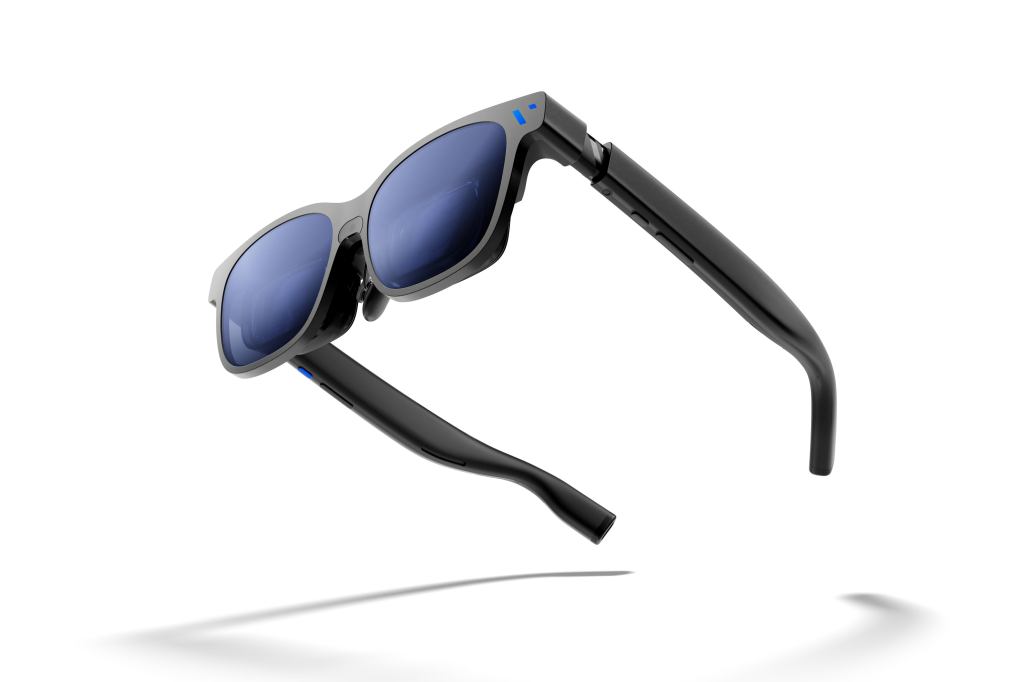
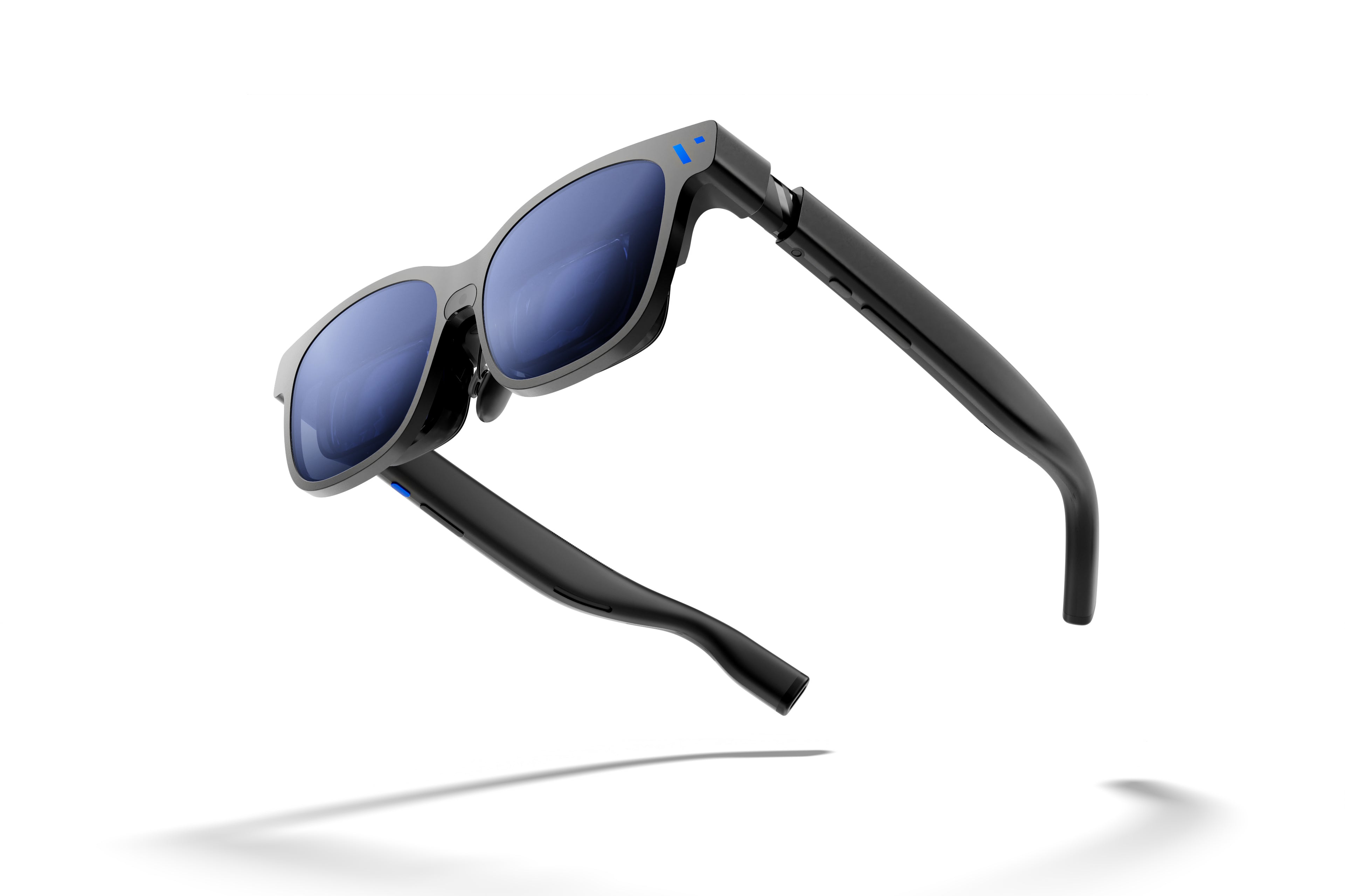
The accompanying image identifies a VITURE Beast product, while the reported discount concerns the VITURE Pro 2. The image should therefore be treated as a VITURE product visual, not as confirmation that the pictured model is the discounted one.
Source: Get your game on with $80 off the Viture Pro 2 XR/AR glasses
Continue Reading
These guides provide broader buying context for today’s stories.
Sources
- Meta To Launch Smart Glasses Without Camera As Privacy Backlash Grows – UploadVR
- Snap brings Nvidia, Salesforce, and AWS into its AR glasses push – TechRadar
- Watch Snap's CEO Demo Specs True AR Glasses Live On Stage – UploadVR
- Ray-Ban Meta Gen 2 Smart Glasses: Here’s What’s New And Improved – Mashable India
- Get your game on with $80 off the Viture Pro 2 XR/AR glasses – Mashable

 PlayTechDeep VR