
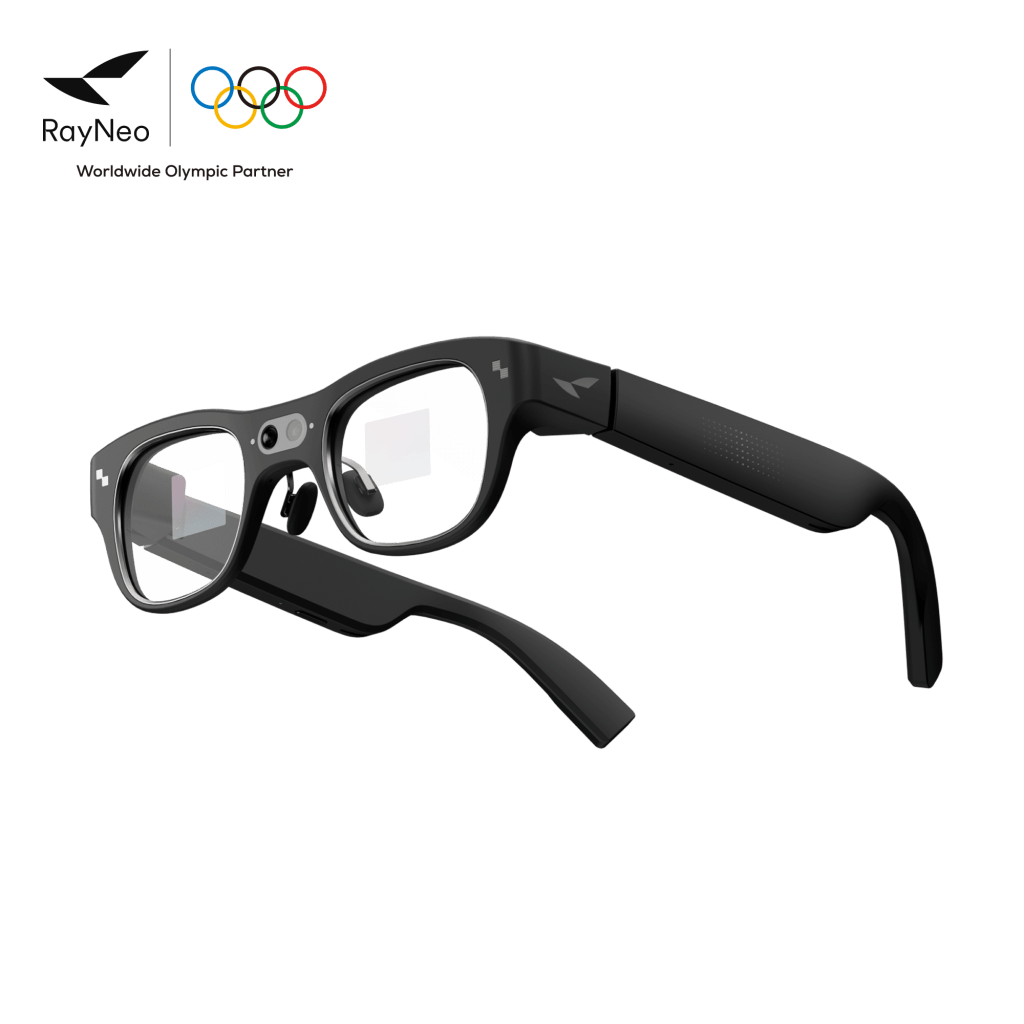
September 19, 2026: Australia is considering barring smart-glasses use in government offices, while a BBC report asks people in Sydney whether they would support such a restriction. Alongside that policy story, Mashable is highlighting a $50 saving on the RayNeo Air 3s Pro. Together, the reports show why “smart glasses” now covers several different product paths: AI camera glasses, wearable displays, and more complete AR products.
Australia weighs a restriction for government offices
The BBC’s report centers on Australia considering a restriction on the use of smart glasses in government offices. That is a narrower proposal than a nationwide ban: the supplied report does not say that Australia has enacted a ban, or that smart glasses would be prohibited everywhere.
The public-reaction angle comes from interviews with people in Sydney. The BBC frames those responses under the headline “Weird and icky”: Would Australians support a smart glasses ban? The wording makes clear that the report is asking what people think. It should not be read as evidence that Australians broadly support a ban, nor as a measure of nationwide opinion.
The issue also puts attention on what different glasses can do. A pair designed around cameras and AI may raise questions about recording and social boundaries, while a display-focused pair is primarily built around showing a private screen. The two reports do not settle those questions, but they place them side by side in today’s coverage.
Source: “Weird and icky”: Would Australians support a smart glasses ban?
RayNeo’s $50 deal keeps display glasses in focus
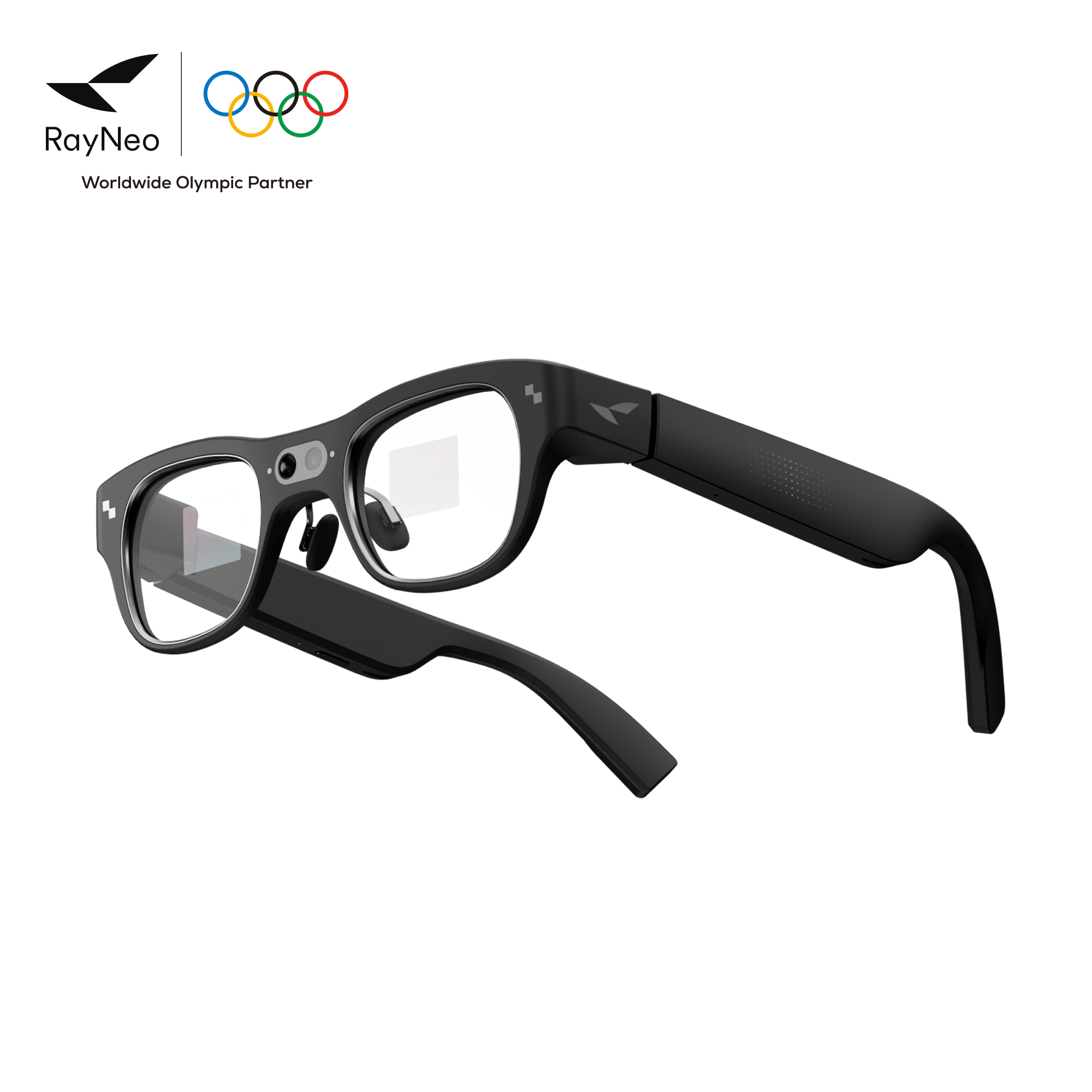
Mashable’s deal report leads with the RayNeo Air 3s Pro and an advertised $50 saving. Mashable also describes the smart glasses as “seriously impressive, even at full price.” That is Mashable’s assessment, rather than an independent rating from this brief.
The important distinction is how the product is positioned. The RayNeo report belongs to the display-glasses track, where the use case is private screen time for travel, gaming, and work. That makes the product story different from coverage of camera glasses built around social capture, even though both may be marketed under the broad smart-glasses label.
For someone comparing products, the category matters before the discount does. A $50 saving is relevant only after the buyer understands whether the glasses are intended for viewing a private display or for camera- and AI-centered interactions. The supplied deal report supports the former framing for the RayNeo Air 3s Pro.
Source: Best smart glasses deal: Save $50 on RayNeo Air 3s Pro
Why these two stories belong together
Australia’s possible government-office restriction and Mashable’s display-glasses deal describe different pressures on the same broad category. One story is about where smart glasses may be considered appropriate to use. The other is about the value of a product designed for personal viewing.
That split is useful because AI camera glasses, wearable displays, and full AR products should not automatically be treated as interchangeable. They can differ in purpose, in the kind of interaction they emphasize, and in the questions buyers may need to ask before choosing one.
The distinction should still be treated as a framing for these reports, not a rigid rule that places every product neatly in one box. The broader point is that the label “smart glasses” now requires more explanation. A camera-centered product and a display-centered product may look related in a shopping list while serving very different roles in daily use.
Continue Reading
For broader buying context, these guides cover the main product categories and comparisons raised by today’s stories.
 PlayTechDeep VR