September 18, 2026: Smart-glasses coverage today splits into three distinct stories: privacy and public trust around AI-enabled wearables, the continuing promise of full augmented reality, and the more private appeal of display glasses for entertainment and work. Together, the reports show why “smart glasses” now describes several different product experiences rather than one clearly defined category.
Privacy is becoming a central smart-glasses question
Wired-Gov’s report, Enabling technology for good: smart glasses, privacy and a broader challenge for public trust, frames smart glasses and other AI-enabled wearable devices as part of a broader public debate. The issue is not limited to technical capability. It also concerns whether people trust these products and feel comfortable with their presence in everyday public life.
That debate is reinforced by TechRadar’s report on a possible move in an Australian state to ban smart glasses in government. The headline describes a proposed “world-leading” restriction and says public backlash is growing. The source presents this as a possibility, not as a completed ban, but the development still shows how quickly smart glasses can become a policy and public-trust issue.
For buyers, privacy is no longer a background consideration when looking at camera-first AI glasses. A shopper may need to think about the device’s camera and AI functions alongside its design and capabilities. The question is not simply what the wearer can do with the glasses; it is also how the product is received by people nearby.
That makes the category harder to compare at a glance. A pair of AI camera glasses and a pair of display glasses may both be marketed as smart glasses, yet they raise different practical questions. The first group is closely connected to public visibility and trust, while the second is more directly associated with a personal viewing experience.
Snap Specs keep full AR in the conversation
TechRadar’s hands-on report, I tried out Snap Specs and the chunky AR glasses delivered in more ways than I expected, covers a different direction for the market. The glasses are described as chunky, but the hands-on experience found them comfortable to wear and credited them with impressive AR and AI capabilities.
That combination matters because it points toward a product that is being considered as more than a lightweight camera accessory. Full AR remains a distinct ambition: the hardware is discussed in terms of the experience it can provide, not only the convenience of wearing a camera and AI assistant on the face.
The report’s comfort assessment is especially relevant to that ambition. Chunkier hardware has to make a clear case for its physical presence, and a comfortable fit helps support longer or more involved use. The source does not turn that observation into a universal verdict on all AR glasses, but it does show why the form factor can still attract attention when the AR and AI experience feels substantial.
Snap Specs also clarify why broad category labels can be misleading. A shopper comparing camera-first AI glasses with display glasses is making a different comparison from someone interested in full AR. The products may overlap in branding and wearable format, but their priorities are not identical: privacy and public acceptance matter heavily for camera-first devices, while AR capability and fit are central to the Snap Specs story.
Source: I tried out Snap Specs and the chunky AR glasses delivered in more ways than I expected
Display glasses offer a more private use case
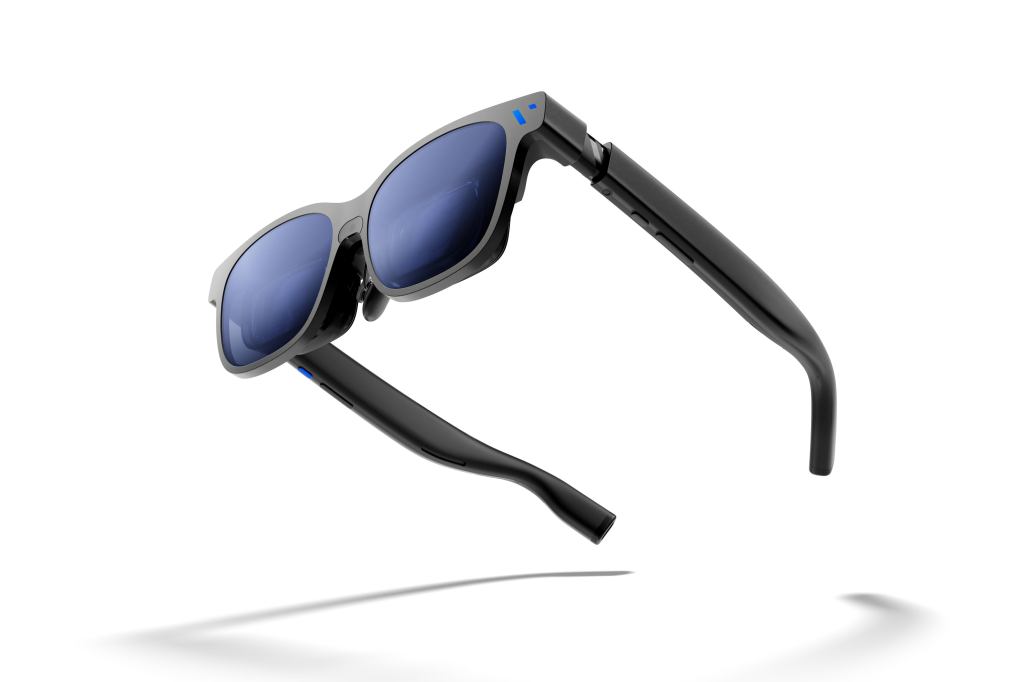
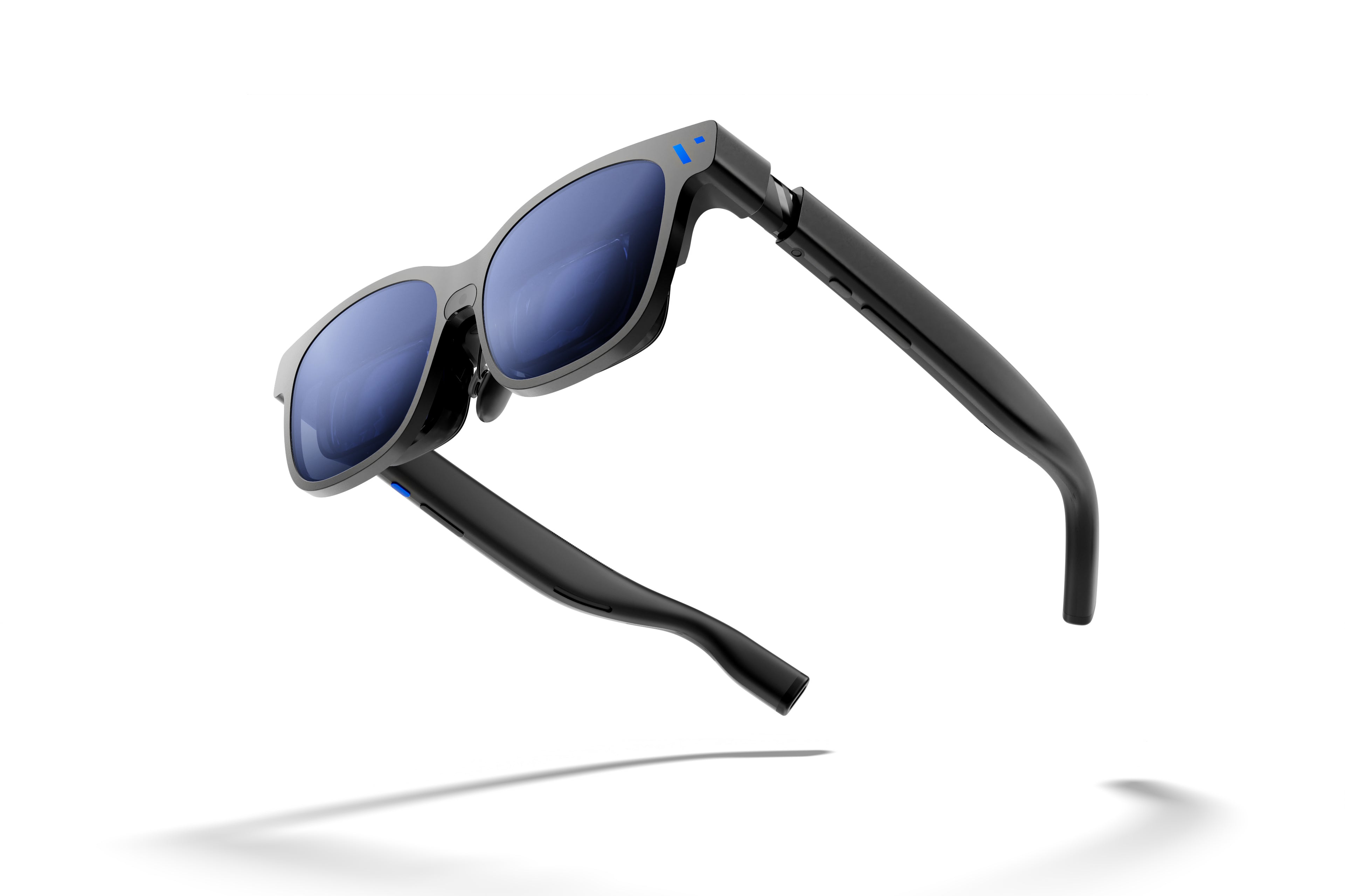
The RayNeo Air 3s Pro and VITURE Pro 2 XR/AR deal reports point toward a quieter branch of the market. The RayNeo headline reports a $50 saving, while the VITURE headline reports $80 off. Those are specific promotions from the supplied coverage, and they place attention on display glasses rather than on camera-first AI features.
The buyer impact is different as well. Display glasses are associated with private screen time for travel, gaming, and work. The VITURE coverage also highlights watching movies and getting work done while wearing the glasses. In this context, the main appeal is a personal visual experience rather than capturing the surrounding environment.
That distinction can help shoppers interpret the word “smart.” Someone looking for a wearable screen may care most about how the glasses fit into a flight, gaming session, work setup, or movie-watching routine. Someone considering camera-first AI glasses may instead be weighing privacy and public trust. Neither use case cancels out the other, but they should not be evaluated as though they offer the same kind of product.
The promotions also show how display glasses can be discussed through a straightforward use case. The RayNeo story connects the product with travel, gaming, and work, while the VITURE story emphasizes movies and productivity. The evidence supports a clear separation from the privacy debate without suggesting that one category is universally better than another.
Source: Best smart glasses deal: Save $50 on RayNeo Air 3s Pro
Source: Get your game on with $80 off the Viture Pro 2 XR/AR glasses
Three product paths are emerging
Today’s reports leave three broad paths in view. AI camera glasses are increasingly tied to questions about privacy and public trust. Full AR products such as Snap Specs keep attention on a more ambitious combination of fit, augmented-reality capability, and AI. Display glasses such as the RayNeo Air 3s Pro and VITURE Pro 2 XR/AR glasses focus on private screen-based use.
These paths explain why a single smart-glasses buying guide can contain products with very different strengths. The relevant question is not only whether a device is called smart glasses. It is what the wearer expects the device to do. A camera-first product brings public-facing considerations; a full AR product must make its larger hardware worthwhile; and a display product needs to fit the wearer’s plans for movies, gaming, travel, or work.
The supplied coverage does not resolve which direction will dominate. It does show that the category is developing along several tracks at once. Public trust can shape how camera-equipped products are received, hands-on AR experiences can keep more advanced hardware in the conversation, and discounts can draw attention to display glasses as a practical personal screen.
Continue Reading
These guides add broader context for comparing the product types discussed in today’s coverage.
Sources
- Enabling technology for good: smart glasses, privacy and a broader challenge for public trust — Wired-Gov
- I tried out Snap Specs and the chunky AR glasses delivered in more ways than I expected — TechRadar
- Australia could ban smart glasses in government — state seeks to make the ‘world-leading’ move to restrict so-called ‘pervert glasses’ as public backlash grows — TechRadar
- Best smart glasses deal: Save $50 on RayNeo Air 3s Pro — Mashable
- Get your game on with $80 off the Viture Pro 2 XR/AR glasses — Mashable
 PlayTechDeep VR