August 25, 2026: Smart-glasses privacy is moving from an abstract concern to a practical question. Apps such as Zuckoff help detect smart glasses nearby, while Burning Man 2026 will allow AI glasses only if users obtain consent from everyone captured in recordings, including people in the background. Together, the stories show why privacy is becoming one of the main buying questions for camera-first AI glasses.
They also point to a broader market split: camera-first AI glasses designed to see, hear and capture; display glasses built around private screen use; and more ambitious AR or VR products that seek to combine computing with an immersive visual layer.
Privacy moves from concern to ground rule
CNET’s report on Bluetooth detector apps focuses on a simple change in the public conversation: people may want a way to identify smart glasses in the wild when they are unsure whether a nearby wearer is recording. Apps such as Zuckoff are presented as tools that can help with that detection.
The report does not make detection a complete answer to the privacy debate. It does, however, underline the tension created by camera-equipped wearables. A pair of glasses can look ordinary while adding microphones, cameras and AI-assisted features to an everyday social setting. That makes the question of whether someone is recording harder to answer from appearance alone.
Burning Man’s 2026 policy brings the other side of the issue into sharper focus. Smart AI glasses will be allowed, but users must obtain consent from everyone included in recordings. The requirement also covers background subjects, not only the person a wearer may have intended to film.
That context includes Ray-Ban Meta, but the consent question is broader than one product line. Any camera-first glasses used around other people raise the same practical issue: a wearer may control the device, while the people being captured may not know when they entered its field of view. For buyers, privacy is therefore part of the product experience and the social rules around using it.
Source: If You Don’t Want Smart Glasses to Spy, Try a Bluetooth Detector App
Source: Burning Man 2026: Privacy Warning Issued Over Ray-Ban Meta and AI Smart Glasses
RayNeo expands the display-glasses track
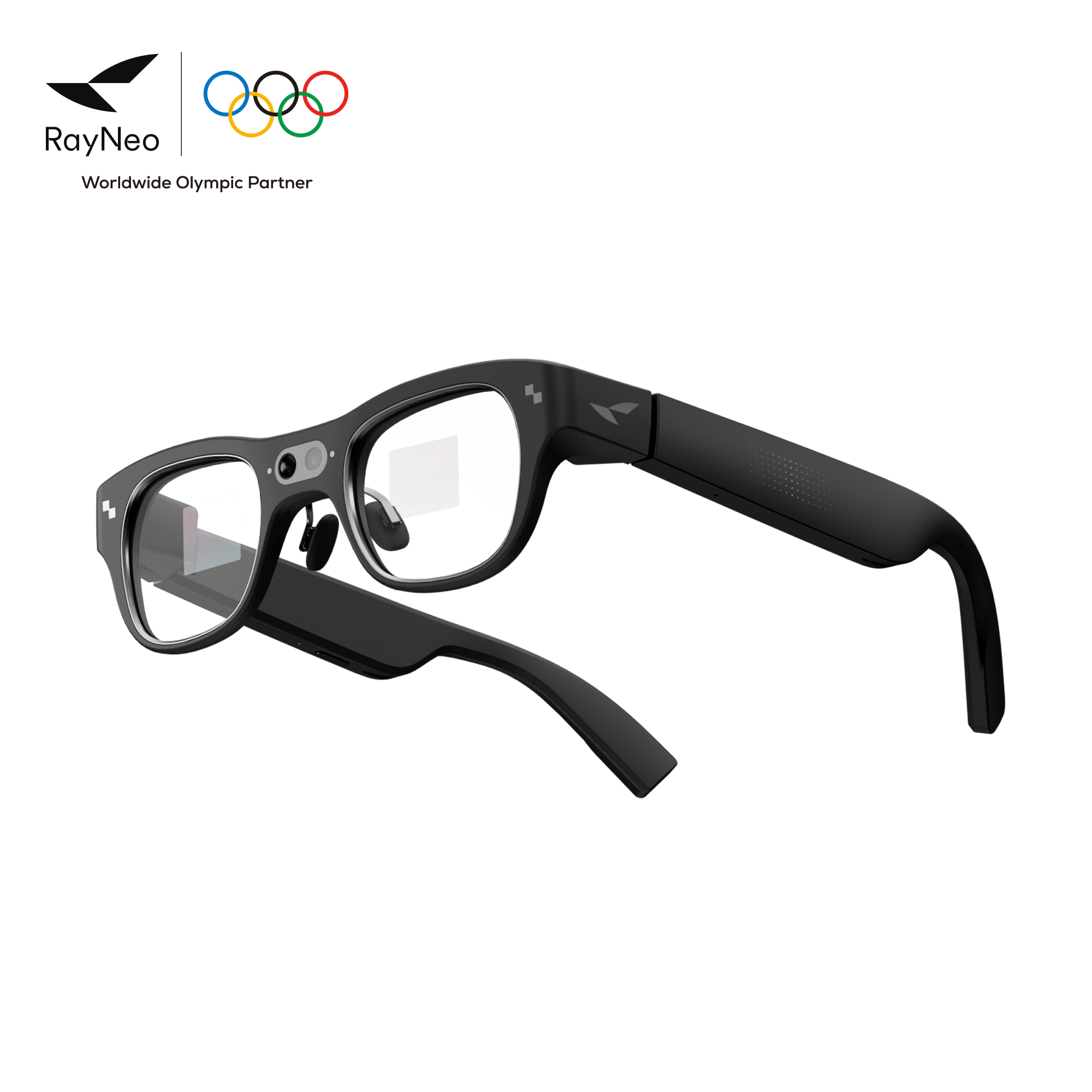
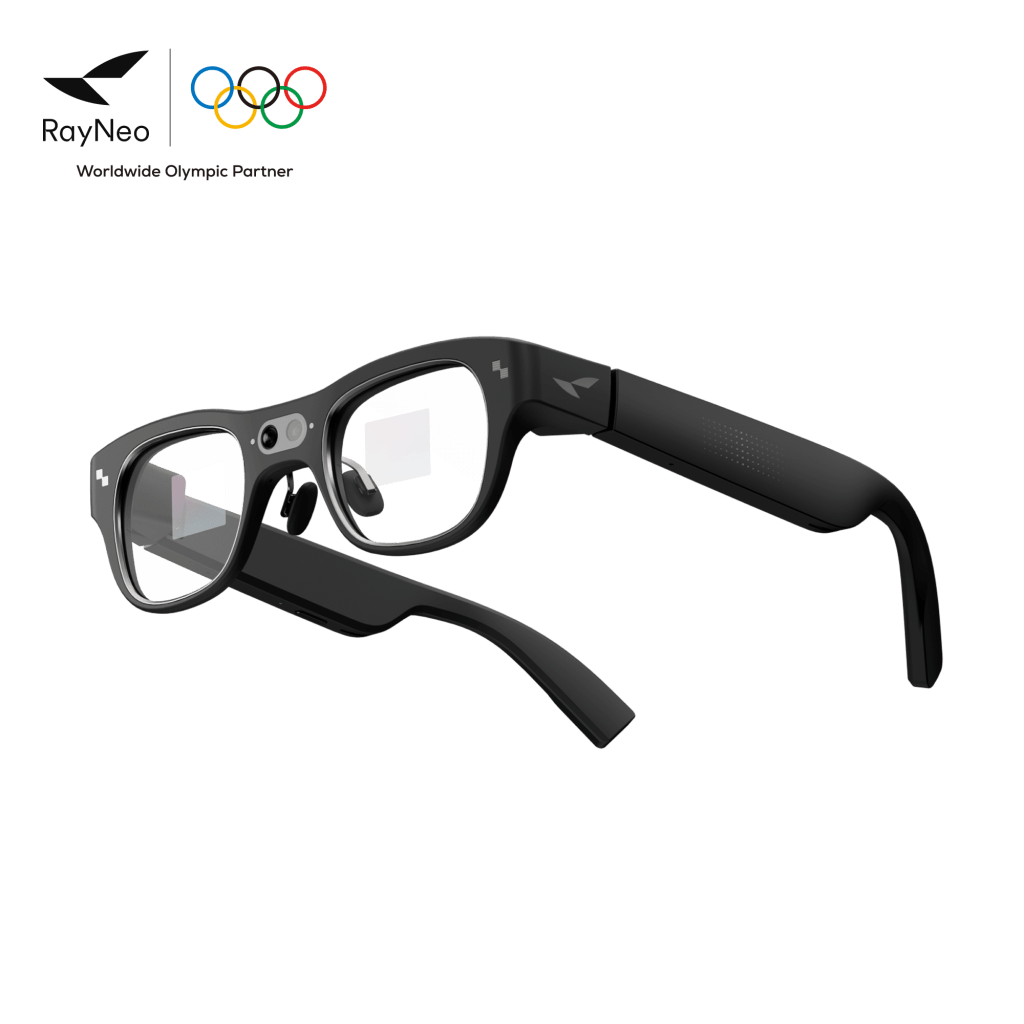
RayNeo has announced two new smart-glasses lineups for September 2026: the lightweight, camera-free RayNeo iO productivity glasses and the cinematic RayNeo GT Series. The supplied announcement places both products on the display-glasses side of the category, where the central experience is a private visual screen rather than social capture.
That distinction matters because display glasses address a different set of situations from camera glasses. A wearer might use them for travel, gaming or work, keeping content visible to the wearer without turning the glasses into an obvious recording device. The appeal is less about documenting the surrounding world and more about bringing a personal display into it.
The two RayNeo lines also suggest that “smart glasses” is no longer a single product category with one obvious design goal. Lightweight productivity hardware and cinematic viewing hardware may share a glasses form, but they can serve very different routines. The announcement is for September 2026, so the supplied evidence establishes the planned lineups rather than current availability or detailed specifications.
Source: RayNeo Is Launching Two New Lines of Smart Glasses
Apple’s reported pivot broadens the platform race
Design News reports that Apple is shifting focus from VR headsets toward artificial intelligence and smart glasses after Vision Pro failed to gain market traction. Both the reported weakness and the claimed change in direction should be read as that report’s characterization, rather than as independently established facts in this brief.
Even with that qualification, the report is significant because it places smart glasses within a larger platform decision. The market is not only deciding which glasses people might wear; companies are also deciding whether the next major interface should be a camera-equipped assistant, a personal display, a full VR environment or a combination of those ideas.
Apple’s reported movement toward AI and glasses would widen the competition around lightweight, everyday computing. It would also keep attention on the gap between products that can fit naturally into daily life and products that ask users to enter a more dedicated virtual or mixed-reality experience.
Source: Apple's VR Business Struggles Company Pivots to AI, Smart Glasses
Healthcare remains a forecast, not a current feature set
Forbes forecasts that smart glasses will soon become health-monitoring devices powered by sensors and AI. The comparison with bio-watches suggests a direction for the category: glasses could eventually track or interpret health-related signals while sitting closer to the wearer’s eyes, ears and face.
That is a longer-term possibility, not evidence that the products discussed today already provide medical monitoring. The forecast depends on sensors, software and AI working together in a form people can comfortably wear. It also raises questions about how health information would be interpreted and used, although the supplied report does not establish specific capabilities, timelines or products.
The idea nevertheless expands the ambition for smart glasses beyond photography, notifications and entertainment. If the forecast develops, glasses could become another kind of personal wellness device, alongside the bio-watches that have already shaped expectations for wearable health technology.
Source: Smart Glasses Set To Transform Healthcare And Wellness
What to watch next
Today’s stories divide the category along three clear lines. Camera-first glasses face growing attention around consent and whether people nearby can recognize recording. Display glasses such as the announced RayNeo iO and RayNeo GT Series are being framed around private productivity and cinematic viewing. Longer-term platform reports are looking toward AI, while healthcare forecasts imagine sensors turning glasses into wellness devices.
Those paths may eventually overlap, but they create different questions for anyone following the market. Is the priority social capture and an AI assistant, a personal screen for travel and work, or a broader computing platform? The answer will shape not only which glasses seem useful, but also which privacy expectations and daily habits come with them.
Continue Reading
For broader buying and product-type context, these guides cover the main branches of the category.
Sources
- If You Don’t Want Smart Glasses to Spy, Try a Bluetooth Detector App – CNET
- Burning Man 2026: Privacy Warning Issued Over Ray-Ban Meta and AI Smart Glasses – Convergence Now
- Apple's VR Business Struggles Company Pivots to AI, Smart Glasses – Design News
- RayNeo Is Launching Two New Lines of Smart Glasses – Lifehacker
- Smart Glasses Set To Transform Healthcare And Wellness – Forbes

 PlayTechDeep VR