
August 21, 2026: XREAL says its AURA AR glasses have surpassed 10,000 global reservations ahead of their fall launch. The milestone matters because AURA is presented as the first AR glasses running Google’s Android XR operating system, putting the product at the intersection of display hardware and Google’s emerging XR platform.
These are reservations, not completed sales. XREAL characterizes the response as “strong early demand across consumers, developers, and enterprise customers,” while a separate report says the initial early-bird reservation offer has sold out. The two developments point to a launch that is already attracting attention before official pricing is fully announced.
XREAL AURA’s reservation milestone puts Android XR in focus
XREAL’s announcement centers on a concrete figure: more than 10,000 global reservations for AURA. The company describes the glasses as its latest flagship AR product and says interest has come from consumers, developers, and enterprise customers. That mix is notable because it gives the launch a broader audience than a glasses product aimed only at individual buyers.
The Android XR connection is the other important part of the announcement. AURA is described as the first AR glasses to run Google’s Android XR operating system, making the product relevant not only as hardware but also as an early example of how Google’s XR software may appear in glasses.
9to5Google’s report adds a pricing detail without resolving the entire launch picture. The initial reservation offer was $99, while the stated launch figure is $199, and the early-bird deal has sold out. XREAL is expected to provide official pricing soon. Because the packet describes reservations and an early-bird offer, the milestone should be read as launch interest rather than a sales total.
Source: XREAL AURA Surpasses 10,000 Unit Reservations Ahead of Launch This Fall
Related report: XREAL teases the price of its Android XR glasses as early-bird deal sells out
Display glasses take center stage
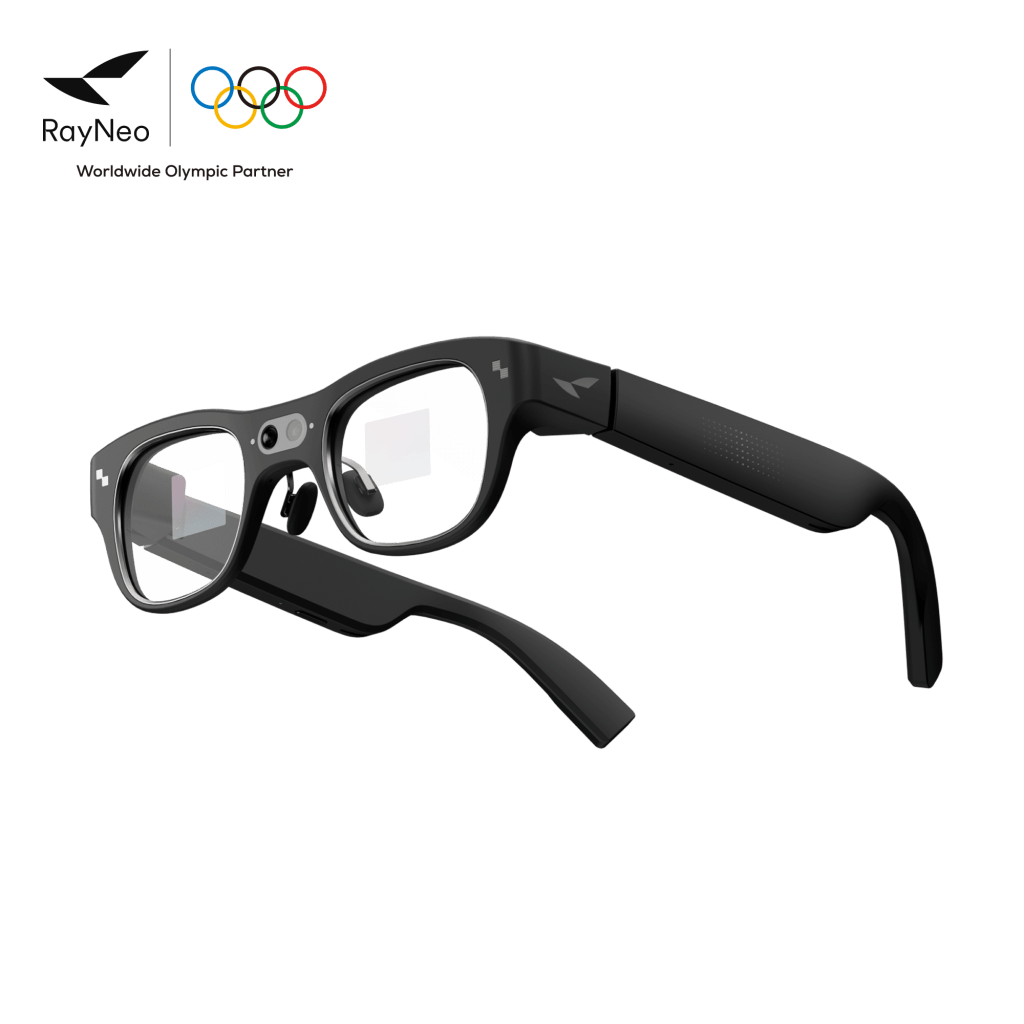
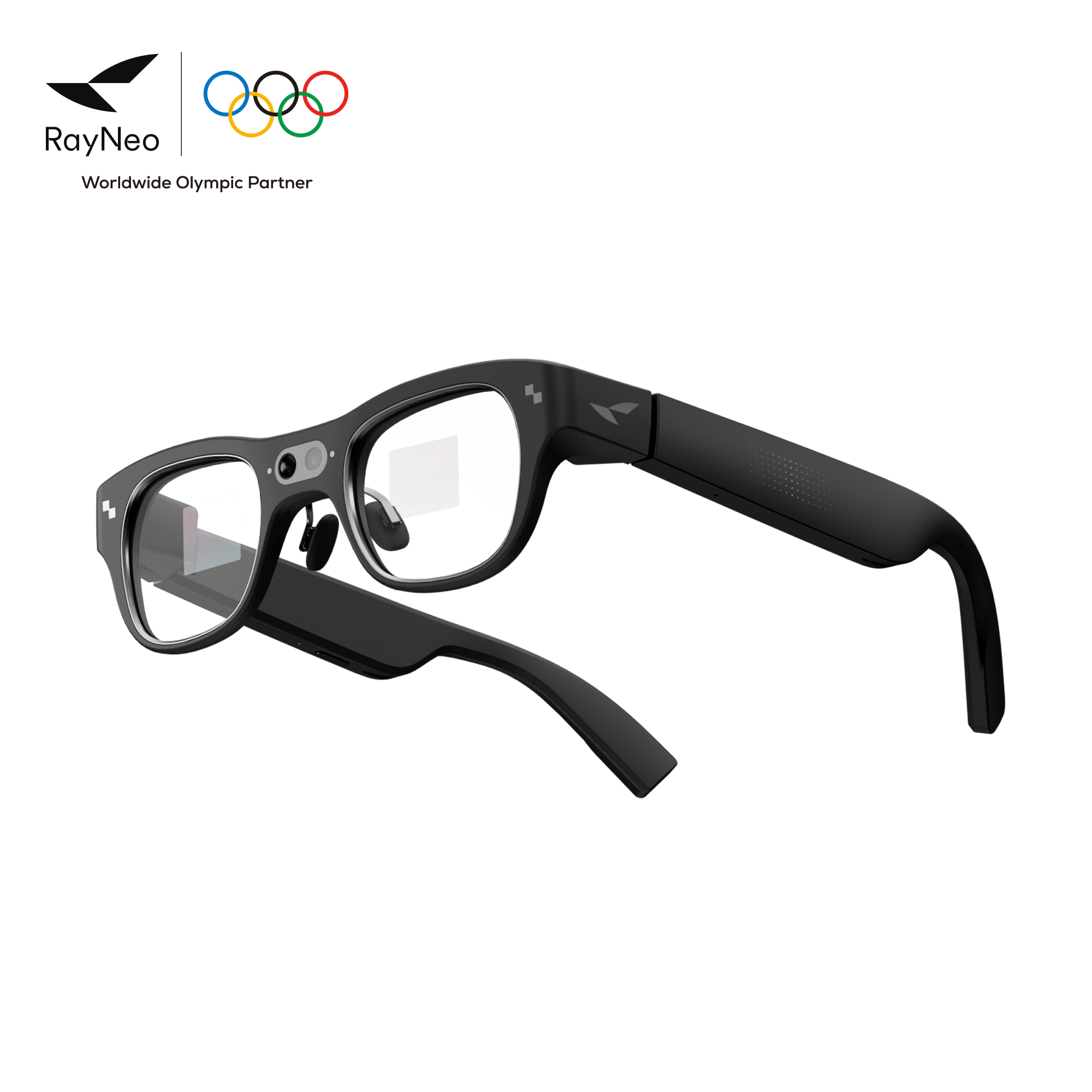
RayNeo’s iO Smart Glasses show the other direction the category is taking. The glasses place a tiny MicroLED display in the wearer’s line of sight and pair it with live translation, 112-language dictation, and an AI memory log. The reported price is $479.
That combination makes iO a display-and-information story rather than a camera-glasses story. The supplied report places these capabilities in the context of private screen use for travel, gaming, and work. A display that stays in the wearer’s field of view can support information access without making the product primarily about capturing the surrounding world.
RayNeo’s translation, dictation, and memory-log functions remain reported product claims, while the MicroLED display is the defining hardware detail supplied here. Together with AURA, iO shows why AR display glasses deserve to be tracked separately from camera-first models: the central question is how useful a private visual layer can become in ordinary situations.
Source: RayNeo’s new iO Smart Glasses slip a tiny display into your line of sight
Meta glasses face a different kind of scrutiny
Tom’s Guide reports that ICE has banned Ray-Ban Meta glasses for its agents. The story is about privacy and institutional policy, not a product review or a new consumer feature. Its framing places the glasses inside a workplace where wearable cameras and connected functions can raise questions about recording, oversight, and use around sensitive operations.
The important distinction is attribution. The privacy concern belongs to the report’s explanation of ICE’s decision; it should not be treated as an independent finding about every Ray-Ban Meta use case. The ban also does not erase the glasses’ position in the consumer conversation. Meta’s Ray-Ban line remains the mainstream reference point for practical discussions of smart glasses, including reviews, prescription models, and feature changes.
Source: ICE just banned Ray-Ban Meta glasses for agents — here’s why
Oakley Meta HSTN review weighs usefulness against price
The Oakley Meta HSTN story returns to the buying experience. Mashable India’s review describes the glasses as genuinely fun and useful, but calls the Rs 47,600 price steep for the convenience they provide. That is the reviewer’s assessment, rather than an independently established verdict for every buyer.
The judgment captures a familiar tension in smart glasses: usefulness can be easy to appreciate when the hardware makes everyday tasks more convenient, but the value calculation changes sharply when the price is high. Oakley Meta HSTN therefore belongs in the broader Meta ecosystem while remaining distinct from the ICE report. One story concerns institutional privacy policy; the other concerns a reviewer’s experience with a consumer product and its cost.
Source: Oakley Meta HSTN Smart Glasses Review: Specs on Steroids
Continue Reading
For broader context on today’s stories, these guides cover the main buying paths.
Sources
- XREAL AURA Surpasses 10,000 Unit Reservations Ahead of Launch This Fall — Road to VR
- ICE just banned Ray-Ban Meta glasses for agents — here’s why — Tom’s Guide
- XREAL teases the price of its Android XR glasses as early-bird deal sells out — 9to5Google
- Oakley Meta HSTN Smart Glasses Review: Specs on Steroids — Mashable India
- RayNeo’s new iO Smart Glasses slip a tiny display into your line of sight — Digital Trends

 PlayTechDeep VR