
August 22, 2026: The day’s smart-glasses story is shaped by a direct tension: Meta is associated with reported privacy and consent concerns, while an Android Central report describes a patent proposal aimed at adding a stronger hardware-level safeguard. That proposal is not an available feature or a confirmed product function, but it shows how central privacy has become to the conversation around camera-first AI glasses.
Meta’s proposed hardware response
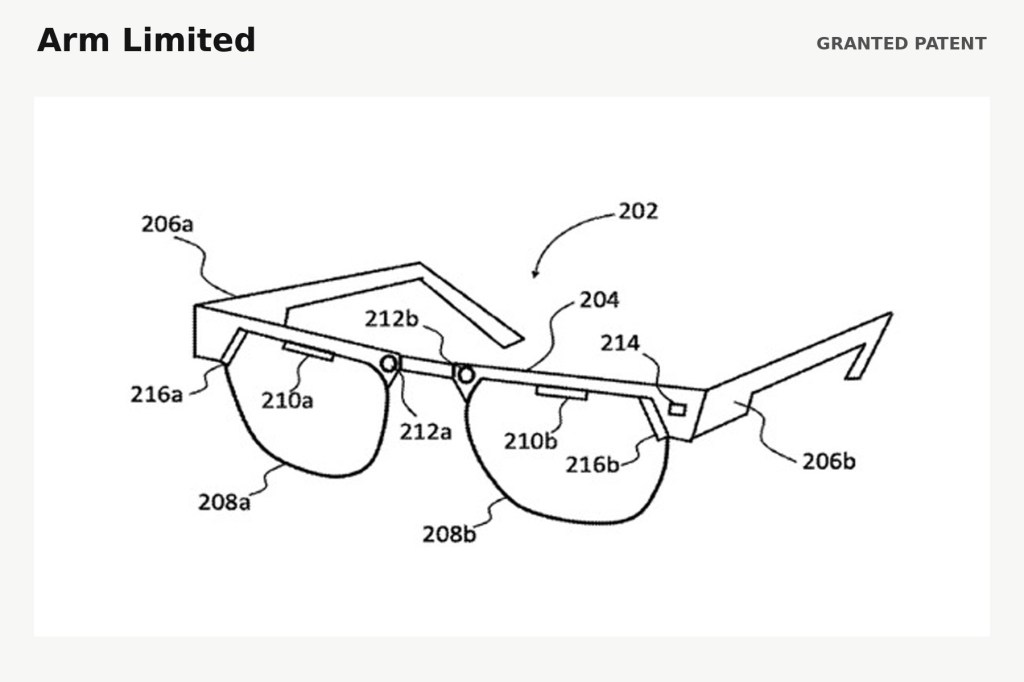
Android Central reports on A Meta patent could introduce strong “hardware lock” for AI glasses privacy. The patent proposal is presented as an attempt to address the severe backlash and major privacy concerns reported around Meta’s AI glasses.
The important distinction is between a proposed safeguard and a shipping feature. The packet does not establish that Meta has released the hardware lock, confirmed it for a particular pair of glasses, or demonstrated how effective it would be. What the report does establish is the direction of the response: privacy protection is being considered at the hardware level, not only as a matter of settings, notices, or user behavior.
What changes for buyers: privacy is no longer a background concern; it is becoming one of the main buying questions around camera-first AI glasses. A patent proposal cannot answer that question by itself, but it puts the issue directly alongside the product concept.
Source: A Meta patent could introduce strong “hardware lock” for AI glasses privacy
Why consent remains the central issue
Several CBS News reports provide the surrounding context. One report describes growing privacy concerns over Meta’s AI glasses and the possibility of people being recorded without their consent. Another examines privacy safeguard features as technology companies such as Meta push AI wearables forward.
A separate CBS News item focuses on one woman’s reported experience after she says she was secretly filmed. The account is presented as an individual allegation and should be understood that way; it does not establish how widespread covert filming is. The supplied report ends with her saying that technology like Meta…
Taken together, these reports explain why a proposed hardware lock attracts attention. Camera-equipped glasses can make recording part of an ordinary social setting, so the consent question is not limited to the person wearing the device. It also involves people nearby who may not know when a camera is active or what is being captured.
The reports do not provide a complete technical assessment of Meta’s safeguards, nor do they prove that a proposed lock would resolve every concern. They do show that privacy expectations, visible indicators, and consent are becoming part of the practical debate over AI glasses.
Source: Meta’s AI glasses spark privacy concerns
Source: Looking into the privacy safeguard features of AI smart glasses
RayNeo takes a display-led path
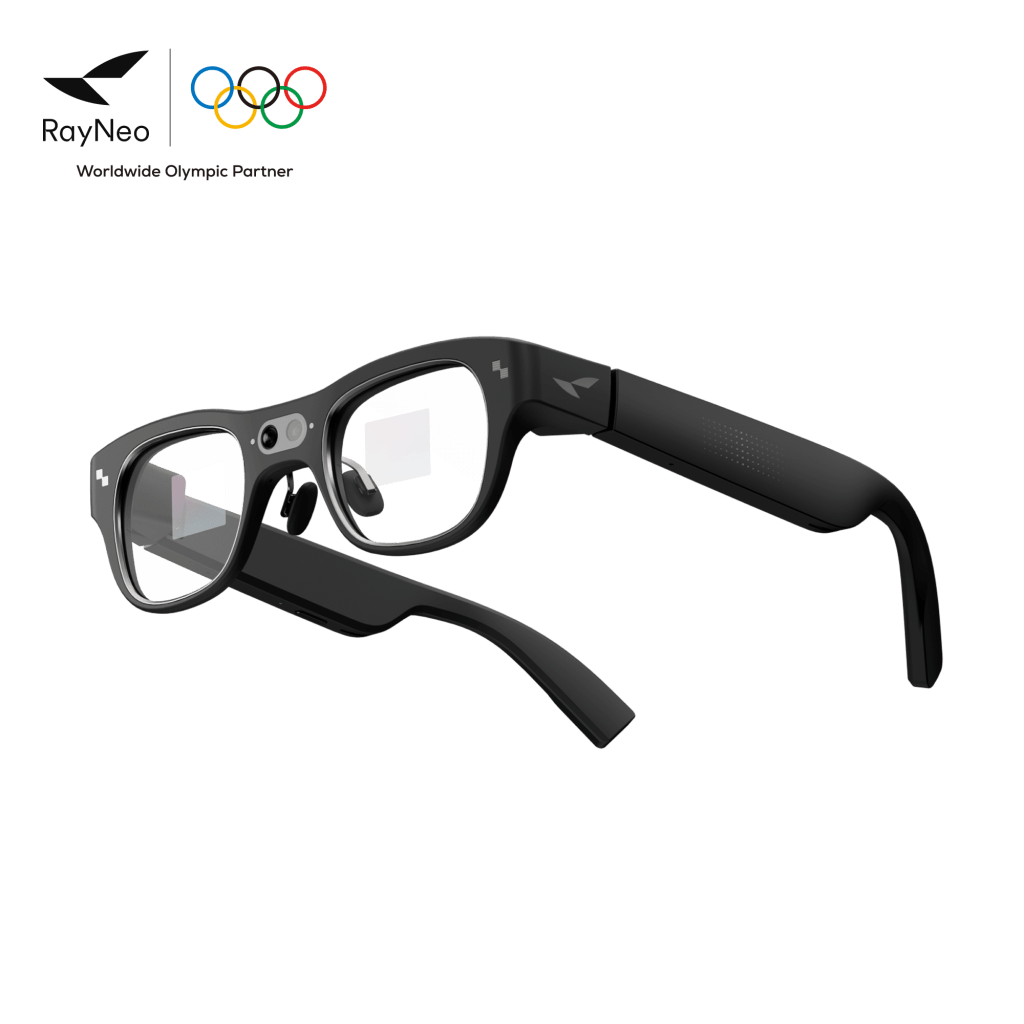
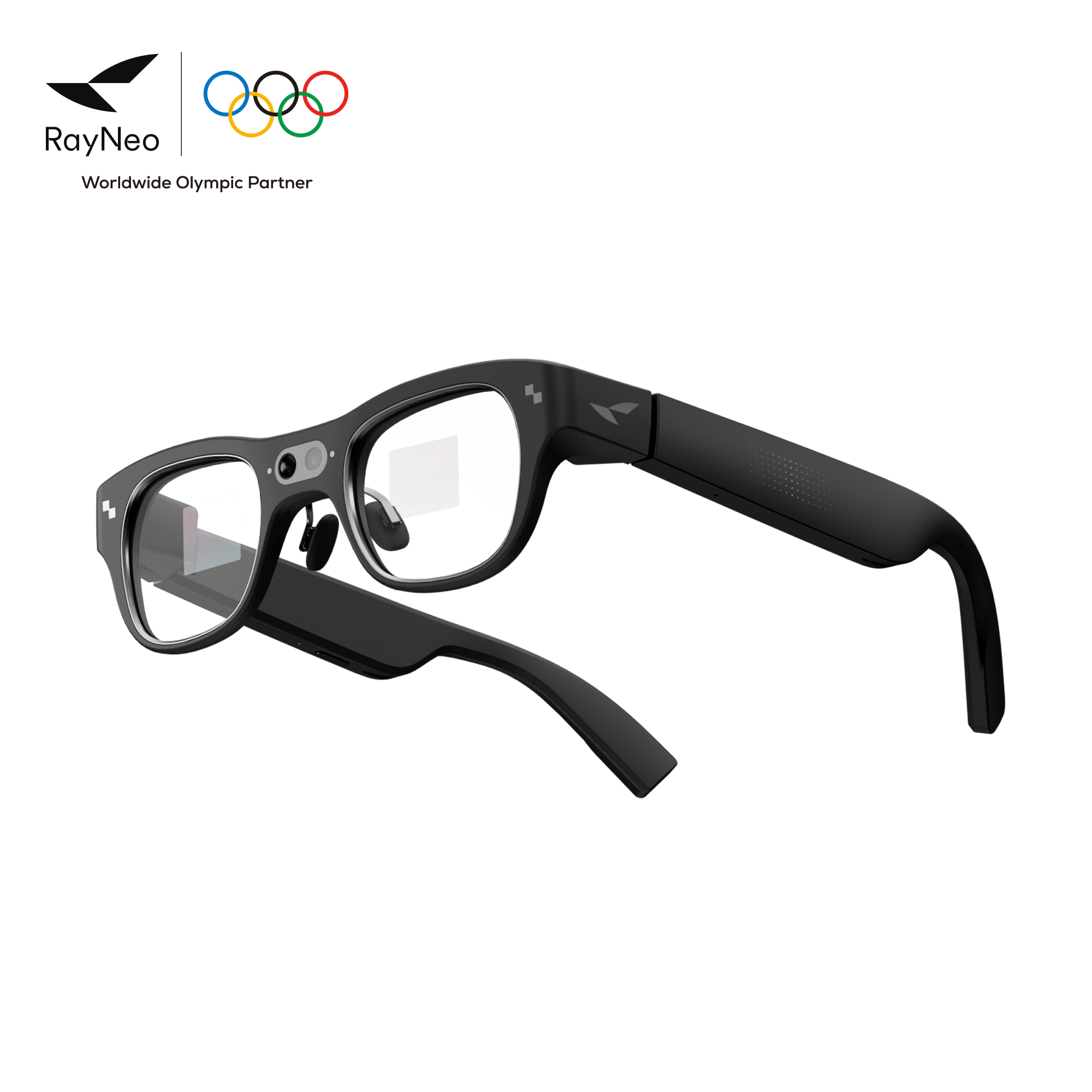
RayNeo’s iO Smart Glasses represent a different direction from camera-first AI glasses. The launch report lists a heads-up waveguide display, a four-microphone array with a bone-conduction sensor, real-time streaming text translation, and captioning and translation across 55 languages.
Those specifications put the emphasis on information appearing in the wearer’s field of view. The use case is less about social capture and more about a private screen that can support travel, gaming, and work. The display-led approach does not eliminate privacy questions, but it follows a different path from glasses whose most visible value is built around cameras and AI interaction.
The 55-language claim belongs to the RayNeo launch report, and the supplied evidence does not establish translation accuracy, battery life, performance, pricing, availability, or overall suitability for a particular buyer. The useful takeaway is narrower: display glasses are being positioned around captioning, translation, and private visual utility.
What changes for buyers: the category is dividing into different practical questions. Camera-first AI glasses raise questions about recording, consent, and safeguards. Display glasses raise questions about how useful a private heads-up screen, captioning, and translation can be for a person’s actual routine.
What buyers should watch next
For camera-first AI glasses, the story to watch is whether privacy protections move from reported concerns and patent proposals into clearly explained, available product behavior. The supplied reports do not justify declaring a solution complete, but they make consent an issue buyers will need to examine alongside cameras, AI features, and everyday use.
For display glasses, the relevant story is whether captioning, translation, and private-screen functions provide meaningful utility across travel, gaming, and work. The evidence here supports the category distinction, not a ranking. Neither approach can be called universally superior from the supplied reports.
Today’s coverage therefore points to two different definitions of smart-glasses value: sensing and responding to the world through cameras, or presenting information privately through a display. The buying decision depends on which questions matter most to the wearer—and, in the camera-first case, to the people around them.
Continue Reading
These guides provide broader category context for the stories above.
Sources
- A Meta patent could introduce strong “hardware lock” for AI glasses privacy — Android Central
- Meta’s AI glasses spark privacy concerns — CBS News
- Woman covertly filmed by Meta AI smart glasses raises privacy and consent concerns: “I had no say” — CBS News
- RayNeo Launches AI Smart Glasses With Real-Time Captioning and Live Translation Across 55 Languages — The Hearing Review
- Looking into the privacy safeguard features of AI smart glasses — CBS News

 PlayTechDeep VR