
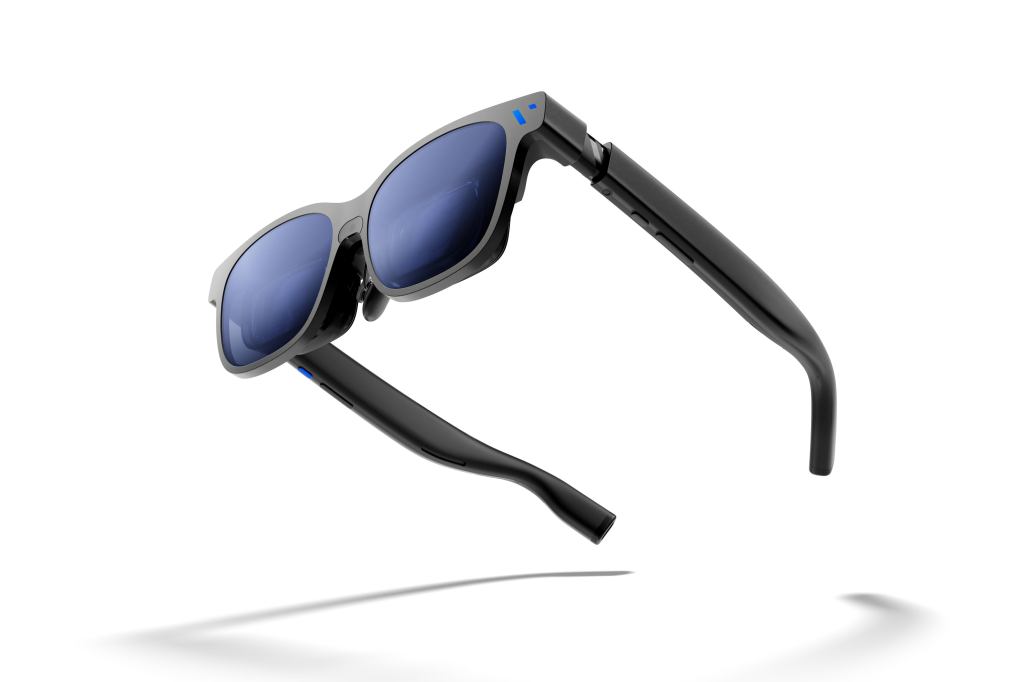
August 23, 2026: Meta is reportedly exploring a “hardware lock” for smart glasses that would restrict unauthorized use of the camera and microphone. The proposal appears in a patent, so it is not a confirmed product feature or a promise that the company plans to release it. But the idea puts a precise technical response against a growing concern: how camera-first AI glasses should signal consent and prevent recording when people do not expect to be filmed.
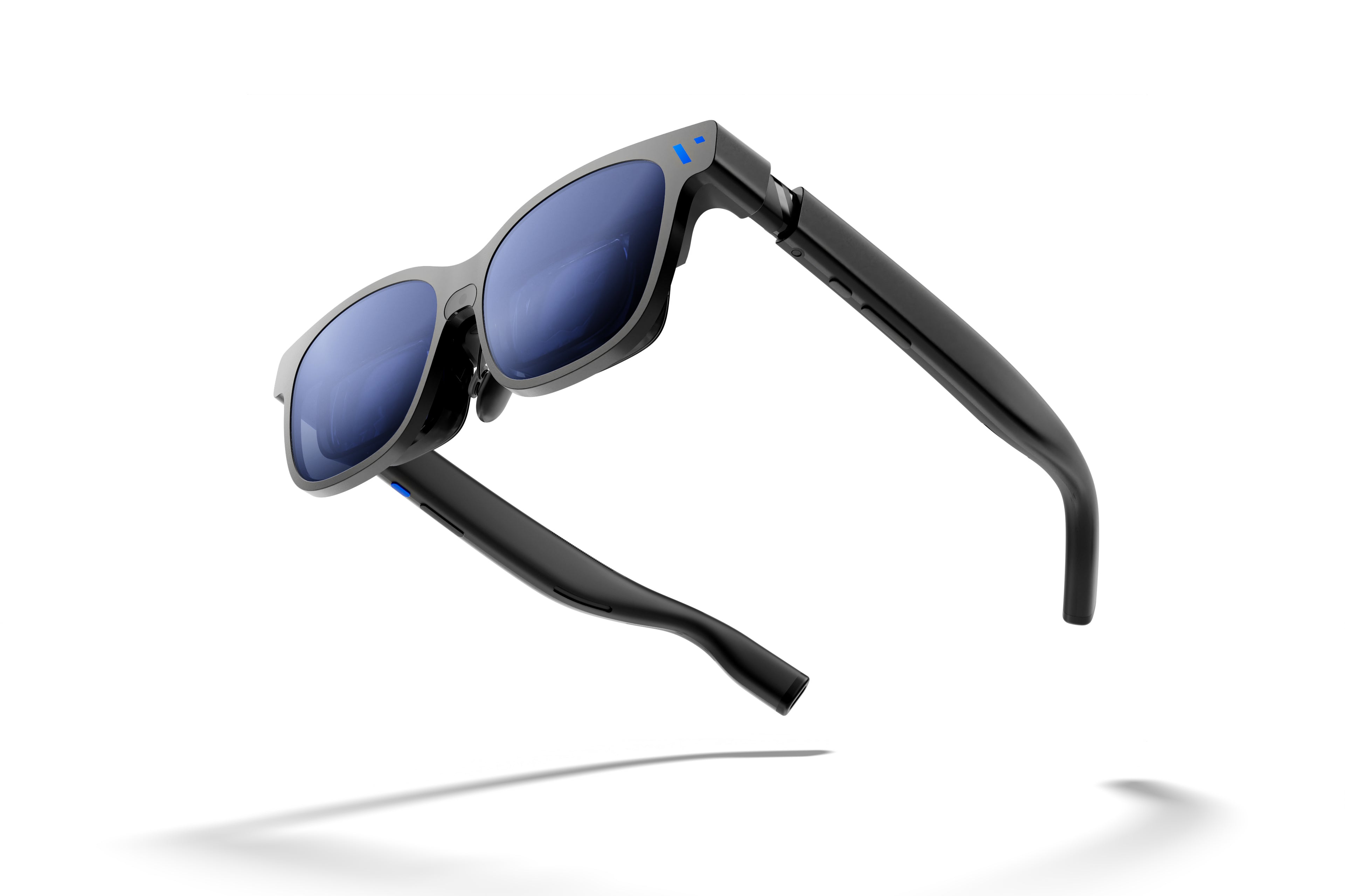
Meta’s patent puts a hardware lock in the privacy debate
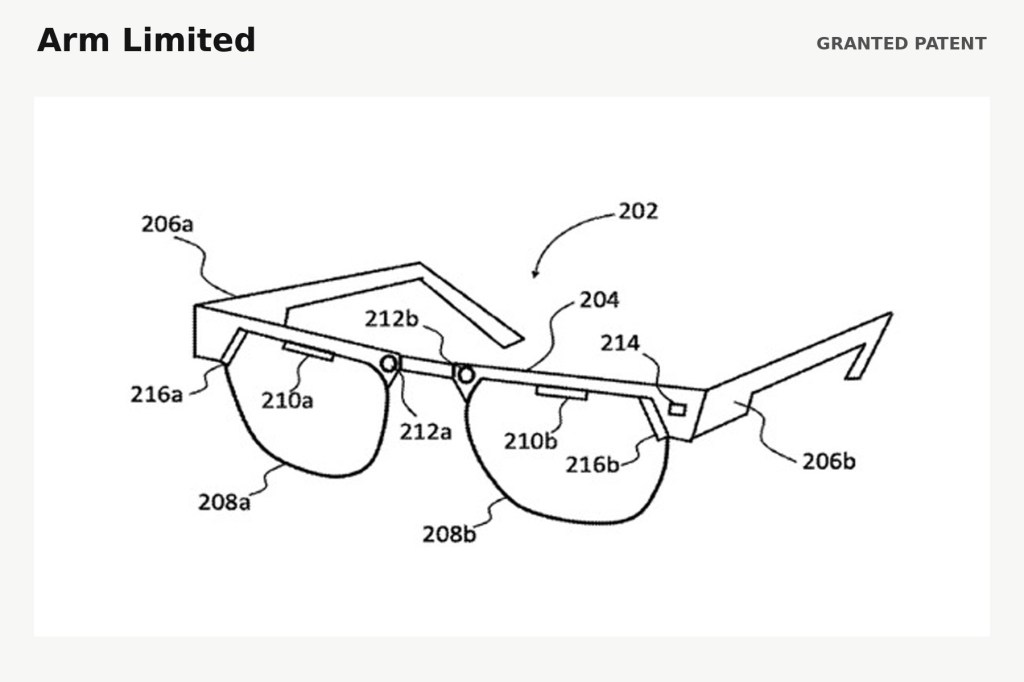
The reported Meta patent describes a “hardware lock” intended to restrict camera and microphone activity when use has not been authorized. In practical terms, the concept is aimed at making those sensors harder to activate without permission. That could address a specific fear surrounding smart glasses: someone nearby may not know whether the glasses are recording, or whether a microphone is listening.
The important qualification is that this remains a reported patent proposal. The source does not establish that Meta has implemented the feature, that it works in real-world conditions, or that it will appear in a shipping pair of glasses. A patent can show what a company is considering without confirming availability, timing, or effectiveness.
Even with those limits, the proposal is notable because it treats privacy as a hardware problem as well as a software setting. Camera indicators, account controls, and user prompts may all matter, but a physical restriction could represent a more direct attempt to limit unauthorized sensor use. Whether that approach would satisfy people in public spaces is a separate question, and the supplied report does not answer it.
Source: Meta’s patented privacy shield for smart glasses could prevent snooping
Public-space rules are becoming part of the product conversation
A separate report describes broader concern about unauthorized recording and the implications for consent as smart glasses gain popularity. The issue is not limited to a device owner’s personal settings. It also involves the people who appear in a camera’s field of view, often without choosing to participate.
Burning Man 2026 has officially permitted smart AI glasses, while warning attendees to respect personal boundaries and obtain explicit consent before recording anyone. The guidance, as reported through the event’s official 2026 Survival Guide, places responsibility on wearers to ask for and receive permission before recording. It is a clear example of a public event addressing the social use of camera-equipped glasses directly.
That does not create a universal rule for every venue, and it does not settle the wider debate over recording in public. It does show how privacy expectations can become part of an event’s operating guidance when wearable cameras are present. For camera-first AI glasses, the experience therefore depends on more than what the hardware can capture; it also depends on whether the people around the wearer understand what is happening and accept it.
Privacy is no longer a background concern in these stories. The Meta patent addresses unauthorized camera and microphone use at the device level, while the public-space reports focus on consent between people. Together, they show why privacy is becoming one of the main questions around camera-first AI glasses.
Source: As smart glasses go mainstream, privacy concerns follow
Source: One of world’s most popular festivals has a ‘privacy warning’ for smart AI glasses wearers
Budget AR glasses compete on comfort, displays, and features
The other major track today is less about recording people and more about putting a private screen in front of the wearer. Tom’s Guide compares the X by Xreal a01+ with the Viture Pro 2 in the budget AR glasses category, using comfort, display quality, and features as the comparison dimensions.
That framing matters. These products are being discussed as display glasses rather than camera-first AI glasses. Their appeal is private screen time for travel, gaming, and work: a wearer can use glasses-shaped hardware as a personal viewing surface instead of relying only on a phone, laptop, television, or handheld console.
The supplied comparison does not include its final verdict, so there is no evidence here to declare which model is the better buy. Comfort, display quality, and features can each change the experience in meaningful ways. A lighter or more comfortable design may matter during a long trip, while display performance may matter more for films or games. Features can determine how easily the glasses fit into an existing setup.
For now, the useful takeaway is the shape of the competition, not a winner. Xreal and Viture are being compared within a budget segment where buyers may be weighing private viewing against cost and convenience. That is a different product proposition from glasses whose central appeal is an outward-facing camera and an AI assistant.
Source: X by Xreal a01+ vs Viture Pro 2: Which budget AR glasses should you buy?
RayNeo adds iO and GT lines to its consumer AR range
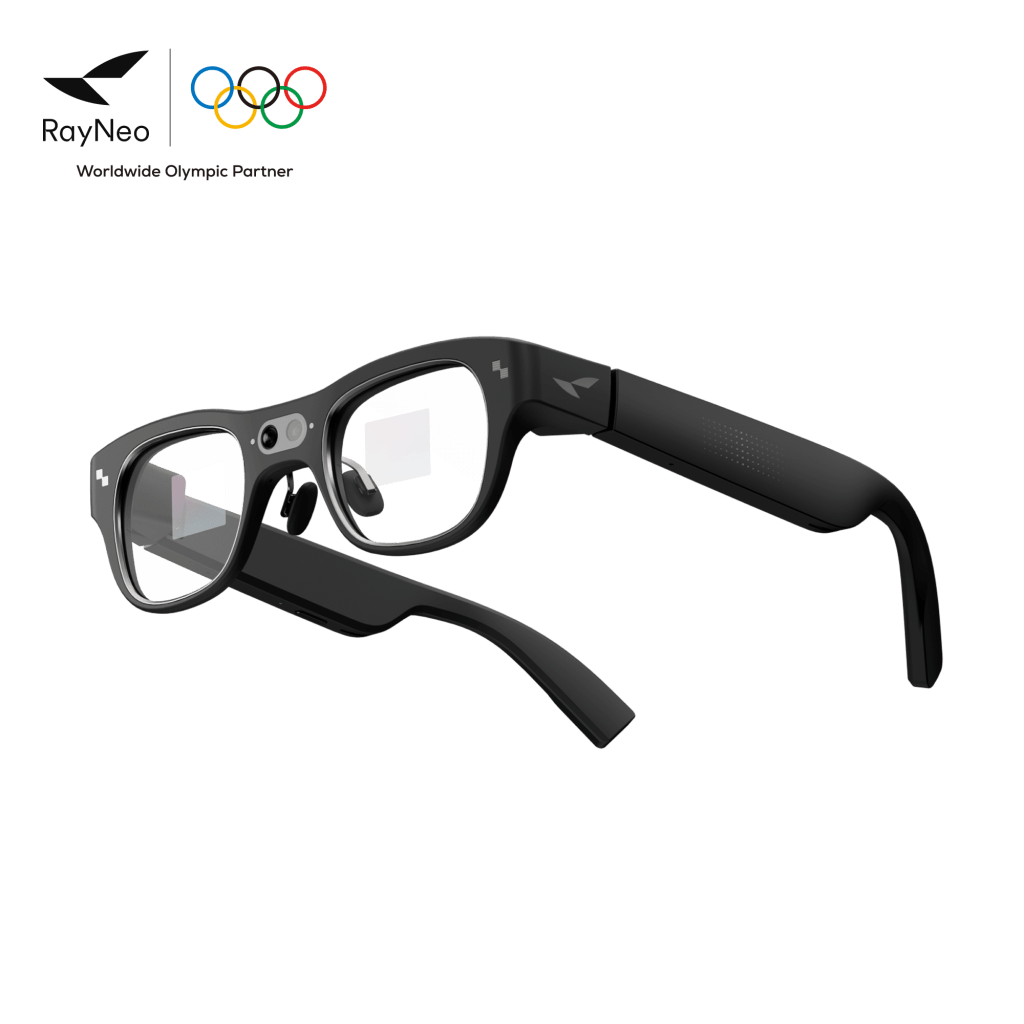
PR Newswire reports that RayNeo introduced the RayNeo iO smart glasses and the cinema-oriented RayNeo GT series as additions to its consumer AR range. The announcement describes RayNeo as a global leader in consumer augmented-reality glasses and uses “groundbreaking” language for the two product lines. Those are claims from the company’s press-release material, not independent test findings established by the supplied evidence.
The distinction between the iO smart glasses and the cinema-oriented GT series reinforces the display-focused direction appearing elsewhere in today’s brief. The announcement identifies two lines, but the packet does not provide detailed specifications, pricing, release timing, measured display performance, or a hands-on assessment. It therefore supports reporting the introduction and positioning of the products, not a judgment about how they compare with competing glasses.
Placed beside the Xreal and Viture comparison, the RayNeo news suggests a market conversation centered on different kinds of private viewing. Travel, gaming, work, and cinema are all use cases associated with having a screen close to the wearer. The supplied material does not establish that these products will outperform rivals, but it does show RayNeo expanding the range of consumer AR products it is presenting.
Two smart-glasses tracks to watch
Today’s stories split smart glasses into two recognizable tracks. Display glasses are being positioned around private screen time, with the buyer’s attention on comfort, image quality, features, and the setting in which the glasses will be used. Camera-first AI glasses raise a different set of questions because their outward-facing sensors affect people who may not be wearing the device or expecting to be recorded.
Those tracks can overlap in the broader AR category, but the supplied reports point to different priorities. The Xreal, Viture, and RayNeo items focus on what the wearer sees. The Meta patent and the reports about public recording focus on what the device may capture and how consent is handled.
That makes privacy controls and public etiquette part of the watch list alongside display quality and comfort. Meta’s reported hardware-lock concept is only a proposal, and the public guidance from Burning Man applies to that event rather than every location. Still, both stories show the same pressure building around camera-first glasses: people want clearer boundaries around when sensors can be used and when recording is acceptable.
Continue Reading
Use these guides if today’s brief made you want the bigger buying context.
Sources
- X by Xreal a01+ vs Viture Pro 2: Which budget AR glasses should you buy? — Tom’s Guide
- RayNeo erweitert sein AR-Sortiment für Endverbraucher: Vorstellung der RayNeo iO Smart-Brillen und der kinotauglichen RayNeo GT-Serie — PR Newswire
- Meta’s patented privacy shield for smart glasses could prevent snooping — NewsBytes
- As smart glasses go mainstream, privacy concerns follow — BusinessLine
- One of world’s most popular festivals has a ‘privacy warning’ for smart AI glasses wearers — The Times of India

 PlayTechDeep VR