
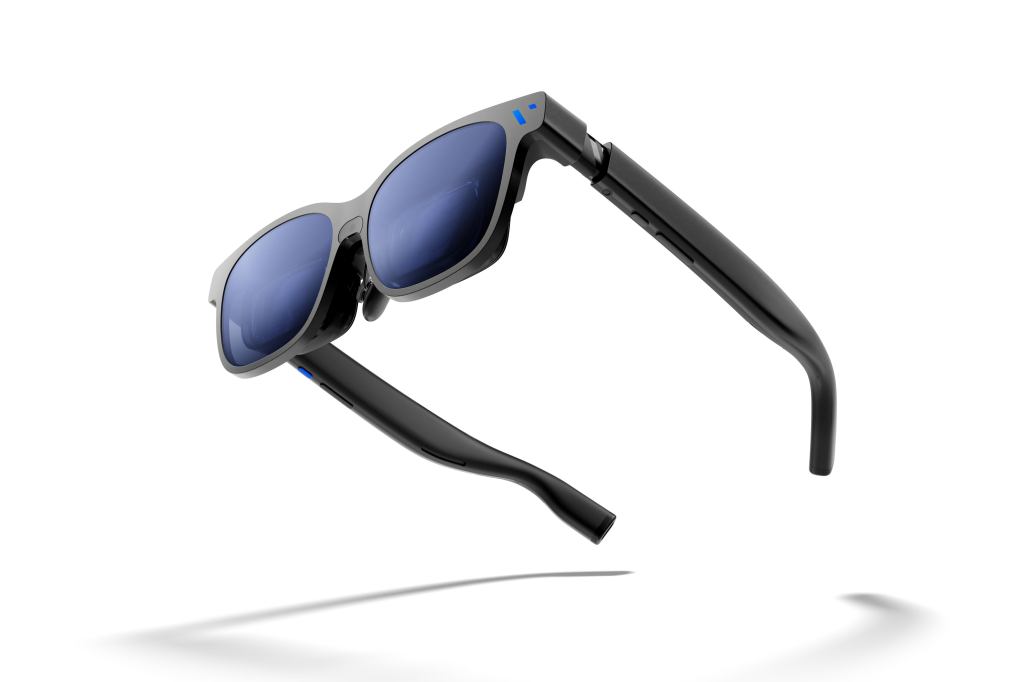
August 18, 2026: A newly public Meta patent describes smart glasses that could identify people with AI facial recognition and use that information when creating media. It is a patent concept, not a confirmed feature or release plan. Alongside that speculative development, Digital Trends’ Viture Pro 2 review offers a more immediate buyer story: display-focused glasses aimed at private screen use for work, travel, and play.
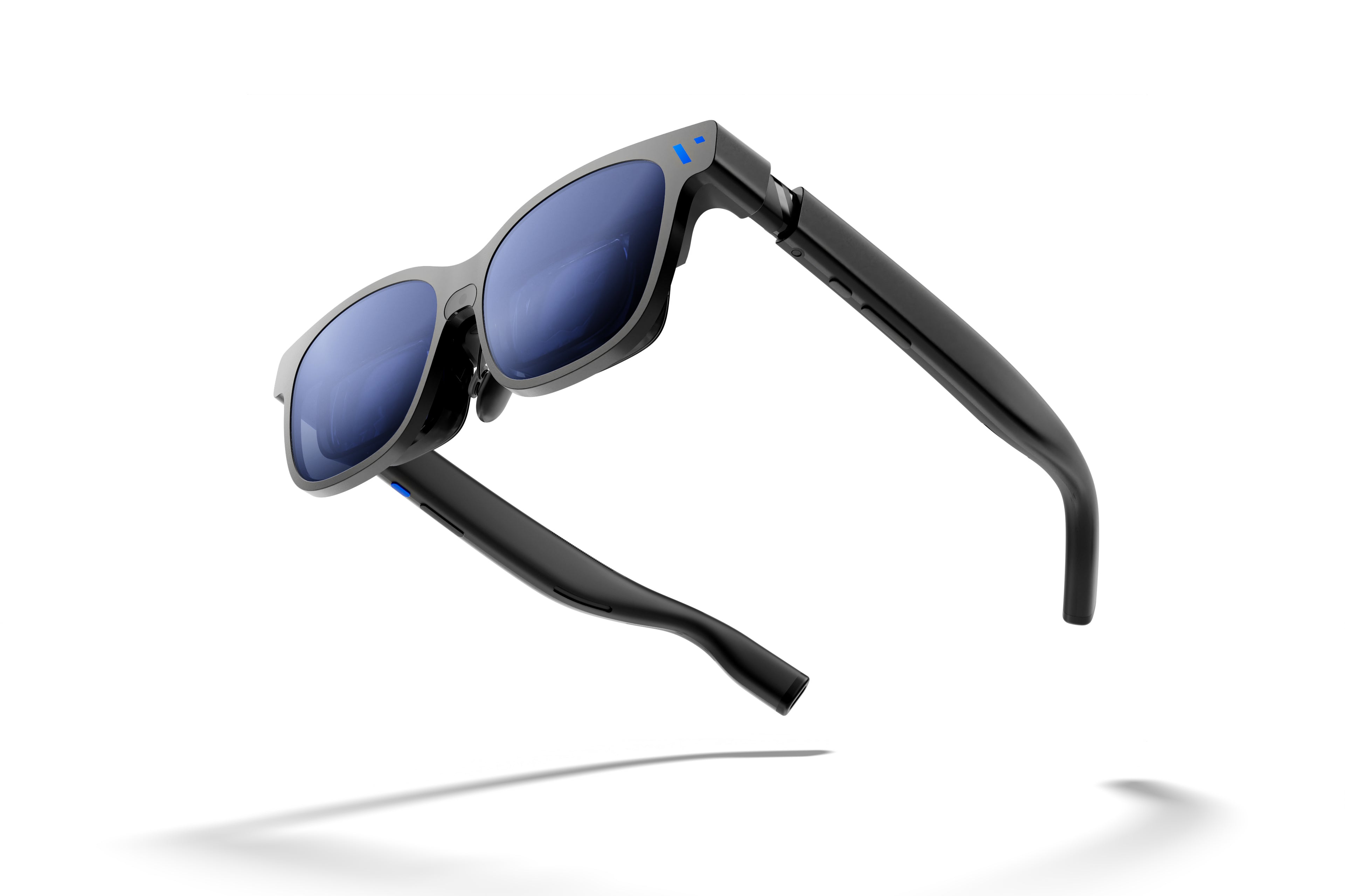
Viture Pro 2 makes the practical display-glasses case
Digital Trends’ Viture Pro 2 review: Affordable glasses that I loved more for work than play presents the product as a strong mix of affordability, visual quality, comfort, and productivity benefits. The review’s emphasis matters: the glasses made a more favorable impression for work than for play, giving the product a clearer identity than the broad “smart glasses” label suggests.
That identity is rooted in the display. Rather than centering the experience on recording people or sharing moments through a camera, display glasses provide a private screen that can be useful while traveling, gaming, or working. The distinction is important for buyers comparing different categories. A screen worn in front of the user serves a different purpose from camera glasses designed around social capture and hands-free media.
The supplied review describes Viture Pro 2 positively, but those comments belong to Digital Trends’ assessment. The useful takeaway is not that every buyer will have the same experience; it is that display glasses can be evaluated as personal viewing and productivity tools, with comfort and visual performance carrying much of the decision.
Source: Viture Pro 2 review: Affordable glasses that I loved more for work than play
Meta patent puts facial recognition back in the conversation
Digital Trends reports that a Meta patent describing facial-recognition smart glasses has resurfaced. The newly public document outlines how Meta’s glasses could use AI facial recognition to identify people and incorporate that information when creating media.
The wording is significant. The patent describes what the glasses could do; it does not establish that facial recognition is available on a current product, confirmed for release, or planned for a particular model. Patent documents can point to areas of exploration without becoming consumer features.
Even as a concept, the idea changes the questions surrounding camera-first AI glasses. Identification adds a different layer to recording than simply taking a photo or video. It raises questions about how information might be used, what a wearer would see, and whether people nearby would know that the system had recognized them. The patent alone does not answer those questions, but it explains why the feature is drawing attention.
Buyer context: camera-first glasses need to be judged not only by what they can capture, but also by how their AI capabilities might affect people who are not wearing them.
Source: Meta’s facial recognition smart glasses idea just resurfaced in a patent
Recording and consent are becoming product questions
Forbes’ report, Why Meta Smart Glasses Recordings Continue To Grow On Social Media, frames the concern around smart glasses and phones turning ordinary people into viral content without consent. The report also points to the possibility of an outraged reaction in the comment section. That is the report’s framing, rather than proof that every recording produces the same result.
The underlying issue is easier to understand than the online reaction: camera glasses can make recording feel less visible to the people around the wearer. A phone held up in front of someone is often apparent. A pair of glasses can make the act harder to notice, especially when the wearer is moving through a public setting.
A separate report from The Chronicle PH says a Danish political party called for Meta’s AI-powered smart glasses to be banned over privacy concerns. The proposal was tied to fears that wearers could discreetly record people without their consent. This was a call from a political party, not a Danish government policy or an enacted prohibition.
Placed together, the two reports show why privacy is moving toward the center of the camera-glasses buying decision. Buyers may want hands-free capture, but the people appearing in that capture have interests too. Consent, visibility, and the possibility of unwanted exposure are no longer background considerations for camera-first AI glasses.
Buyer context: the practical question is not simply whether a pair of glasses can record. It is how noticeable that recording is and how responsibly the wearer can use it around other people.
Source: Why Meta Smart Glasses Recordings Continue To Grow On Social Media
Source: Danish party pushes Meta AI glasses ban over privacy concerns
Another Meta patent explores the hardware behind future glasses
India Today reports that Meta is reportedly exploring a new antenna design for smart glasses, night-vision goggles, and other head-worn devices. The design could make future smart glasses more capable, while also applying to hardware beyond everyday consumer eyewear.
This is a separate hardware development from the facial-recognition patent. It does not indicate a finished product or confirm a capability that buyers can use today. It also does not establish a release date. At most, the report points to engineering work that could influence future head-worn devices if the concept moves beyond the patent stage.
For now, the antenna story belongs in the category of possible infrastructure: a component-level idea that may support more capable devices later. That makes it relevant to the direction of the market, but not a reason to expect an immediate upgrade to a current pair of glasses.
Source: Meta patent reveals new antenna design for smart glasses, night-vision goggles and more
What to watch as the categories separate
Today’s stories draw a useful line through the smart-glasses market. Viture Pro 2 represents the more practical display-glasses story supplied here: private screens, comfort, visual quality, and productivity, with Digital Trends finding the work case stronger than the play case. Meta’s patent and privacy reports point toward a different track, where cameras, AI identification, recording, consent, and future hardware concepts shape the discussion.
That contrast gives buyers a straightforward starting point. If the goal is a personal screen for travel, gaming, or work, display glasses address that need directly. If the goal is camera-first AI eyewear, the feature set comes with broader questions about how recording works around other people. The technology may advance on both tracks, but they should not be treated as interchangeable products.
Continue Reading
Use these guides for broader smart-glasses buying context.
Sources
- Viture Pro 2 review: Affordable glasses that I loved more for work than play – Digital Trends
- Meta’s facial recognition smart glasses idea just resurfaced in a patent – Digital Trends
- Why Meta Smart Glasses Recordings Continue To Grow On Social Media – Forbes
- Danish party pushes Meta AI glasses ban over privacy concerns – The Chronicle PH
- Meta patent reveals new antenna design for smart glasses, night-vision goggles and more – India Today

 PlayTechDeep VR