October 07, 2026: Meta is presenting AI glasses as everyday support for seniors, with an emphasis on staying connected with family and seeing the world more clearly. That accessibility-focused message sits alongside reports about venue restrictions, specialized display glasses, and smart-glasses partnerships aimed at professional training.
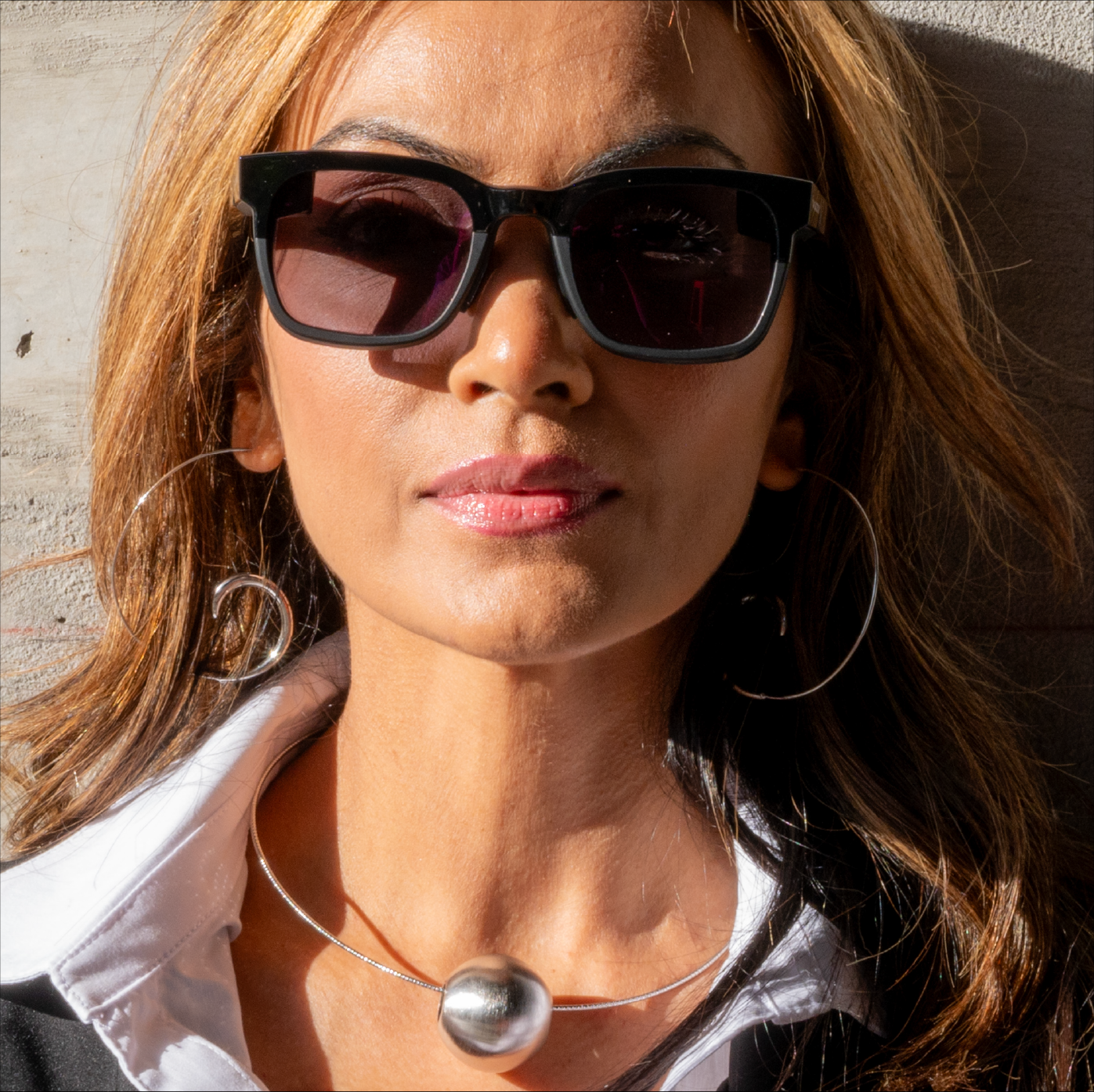
AI glasses for seniors focus on connection and clarity
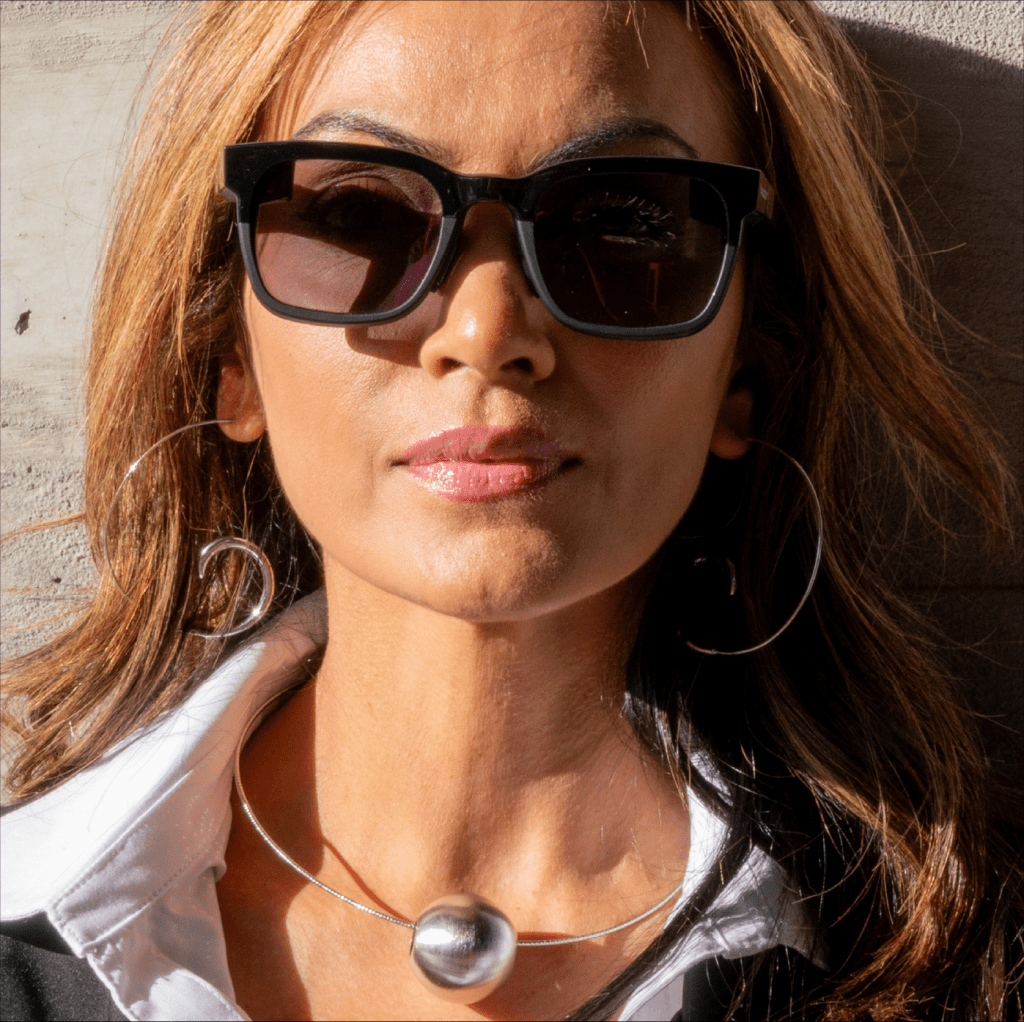
Meta’s senior-focused story describes AI glasses as a way to make everyday life easier. The examples supplied by Meta are deliberately practical: keeping in touch with family and seeing the world more clearly. In that framing, the glasses are positioned as support that can move with the wearer instead of remaining tied to a desk, phone, or other fixed device.
The wording matters because Meta is making a positioning claim about accessibility and daily assistance. The supplied report does not establish a medical benefit or define a particular product feature set beyond those examples. It does, however, show how the company wants readers to think about AI glasses for older users: as tools connected to communication and the experience of the surrounding world.
Source: AI glasses for seniors: Support that moves with you
Accessibility benefits meet restrictions in some venues
A separate report highlights a tension around smart glasses. Smart glasses are banned in some venues, while blind and visually impaired wearers describe them as game-changing. Those two facts point to different experiences of the same category: restrictions can affect whether the devices are accepted in particular places, while disabled users may regard them as important to how they navigate daily life.
The supplied evidence does not show how widespread venue bans are, why individual venues impose them, or whether every wearer experiences the devices in the same way. It does establish that accessibility use is part of the public conversation, and that the backlash story is not only about cameras or novelty. For some blind and visually impaired users, the reported value is closely tied to independence and practical assistance.
Source: Blind and visually impaired people fear smart glasses backlash
Viture sees a future beyond the smartphone
David Jiang, CEO of Viture, says smart glasses still have low market penetration. Speaking on the sidelines of the Milken Institute Asia Summit in Singapore, he argues that future growth depends on reshaping how people interact with computers.
That is Jiang’s outlook, rather than an established description of the market’s final direction. His comments place Viture’s display-focused approach inside a broader argument about computing interfaces: smart glasses may become more important if people use them to interact with computers in different ways, rather than treating them simply as another smartphone accessory.
For display glasses, the supplied buyer context is distinct from the camera-glasses conversation. The emphasis is less social capture and more private screen time for travel, gaming, and work. That difference helps explain why “smart glasses” can describe products with noticeably different purposes, even when they share a similar form factor.
Source: Watch Viture CEO Sees Smart Glasses Moving Beyond Smartphones
Specialized displays target training, running, and cycling
Vuzix and Shiny Box Interactive announced a partnership to advance military medical training and remote-mentoring solutions on the Ultralite Pro OEM smart-glasses platform. The item was distributed through PR Newswire. The supplied description is limited to the partnership, its military medical-training and remote-mentoring focus, and the Ultralite Pro platform; it does not establish deployment, results, contracts, or availability.
That makes the announcement a useful example of smart glasses being presented as a professional display platform. The relevant story is not a general consumer launch, but a reported collaboration around training and remote mentoring. It also shows why product announcements in this category need to be read closely: an OEM platform partnership does not, by itself, establish what end users can buy or when they can use it.
ENGO’s engo Titanium takes a more specialized route for runners and cyclists. Auganix reports launch claims of a 28.9-gram design, more than 40 metrics, and a stated minimum battery life exceeding 24 hours. Those specifications describe a lightweight sports-oriented product built around information presented during activity.
The audience is important here. ENGO is not presented in the supplied material as a general-purpose replacement for a phone or as a universal AR device. Its reported focus is runners and cyclists, with the weight, metric count, and battery claim tied to that use case. As with any launch report, these figures are claims attributed to the reporting around the product’s introduction.
Source: ENGO Launches engo Titanium, 28.9-Gram AR Smart Glasses for Runners and Cyclists
Today’s buyer context: different glasses, different jobs
The day’s reports suggest a larger split between AI camera glasses, wearable displays, and full AR products. That is a framing device, not a settled market consensus, but it helps organize the supplied examples. Meta’s senior-focused message centers on connection and clearer vision. Viture’s CEO discusses changing computer interaction. ENGO reports a sports-specific display, while Vuzix’s announcement concerns military medical training and remote mentoring.
For buyers, the practical question is therefore what kind of support they want from glasses. The evidence here covers family connection, accessibility, private screen time, activity metrics, and specialized professional training. Those are separate priorities, and the reports do not support treating them as interchangeable.
Continue Reading
Use these guides for broader buying context on the categories covered in today’s brief.
Sources
- AI glasses for seniors: Support that moves with you – http://www.meta.com
- Watch Viture CEO Sees Smart Glasses Moving Beyond Smartphones – Bloomberg.com
- Vuzix and Shiny Box Interactive Partner to Advance Military Medical Training and Remote-Mentoring Solutions on Ultralite Pro OEM Smart Glasses Platform – PR Newswire
- ENGO Launches engo Titanium, 28.9-Gram AR Smart Glasses for Runners and Cyclists – Auganix.org
- Blind and visually impaired people fear smart glasses backlash – BBC