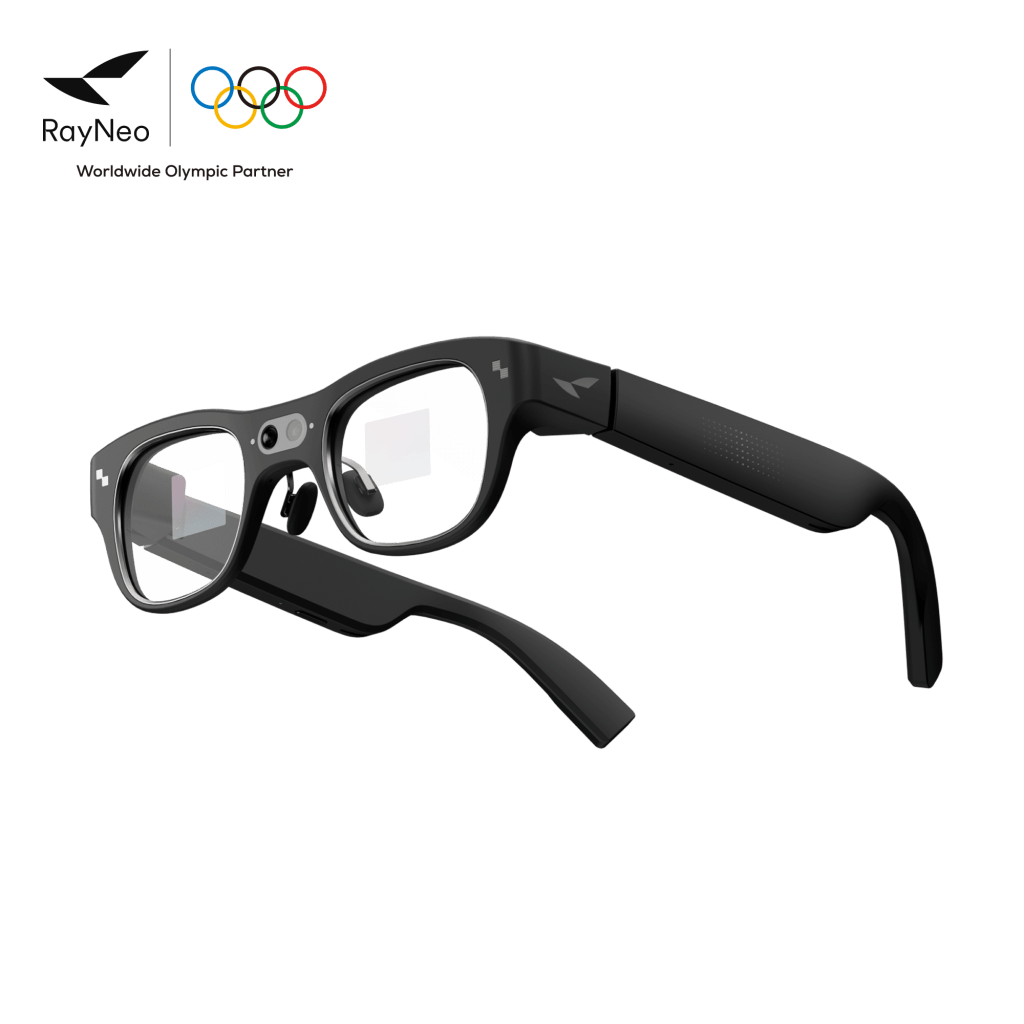

August 13, 2026: German digital-rights group HateAid has filed a criminal complaint against Meta and companies selling Ray-Ban Meta glasses in Germany. The complaint alleges violations of digital privacy laws and cites a law barring the sale of covert communication-recording devices. Those are allegations in a legal filing, not established findings, but they put camera-first AI glasses under a sharper privacy spotlight.

Privacy Complaint Targets Ray-Ban Meta Sales in Germany
Engadget reports that HateAid’s complaint targets Meta as well as companies selling its AI-enabled Ray-Ban smart glasses in Germany. Inshorts similarly reports that HateAid alleges the glasses violate digital privacy laws and says the complaint cites a restriction on selling covert recording communication devices.
The supplied reports do not establish that Meta or the sellers have violated the law. They establish that a criminal complaint has been filed and that the filing identifies privacy and covert-recording concerns as its legal basis. That distinction matters for anyone assessing camera-first AI glasses: the privacy question is not only about how a device works technically, but also about how people nearby may experience a camera and microphone built into an ordinary-looking frame.
For buyers, this is a developing legal and social consideration rather than a final verdict. The complaint adds pressure to an already visible question around smart glasses: how should recording, consent and public use be handled when the hardware is designed to blend into everyday eyewear?
Source: German Nonprofit Files Criminal Complaint Over Meta Smart Glasses Privacy
Meta Announces 15,000 Glasses for Vision Ireland
In a separate development, Meta is donating 15,000 Ray-Ban Meta glasses to Vision Ireland for blind and visually impaired people. Engadget reports the donation, while Meta Newsroom presents the initiative as part of its own account of the program. The two reports describe the same broad effort: putting the glasses in the hands of adults supported by the Irish charity.
Vision Ireland’s announcement includes a concrete explanation from Brian Manning. He said the glasses let him get information quickly instead of waiting for someone to read a letter or tell him what is in the fridge. He also described being able to act independently on impulses that he might previously have avoided.
“What I really like about the glasses is the speed at which I get the information I need – instead of waiting for someone to read a letter or waiting for someone to tell me what I have in the fridge, I’ll just do it on impulse. Now I’m doing things for myself independently, that maybe before I wouldn’t have done.”
Manning’s account is an individual experience, not a guarantee that every blind or visually impaired person will use the glasses in the same way. It does, however, show the accessibility story at its most practical: faster access to information, fewer small requests for assistance and more freedom to decide when to investigate something independently.
The initiative also gives the product category a different context from ordinary consumer comparisons. The glasses are being discussed not only as personal technology, but as a tool that may help some people access information during routine moments. The supplied material does not claim that the program resolves every accessibility need or that the glasses are suitable for every person. Its evidence is narrower and more useful: one named participant explains how speed and independence affect his daily choices.
Source: Meta Is Giving Away 15,000 AI Glasses To Blind And Visually Impaired People In Ireland
Everyday Use Cases Keep the Consumer Story Grounded
CNET’s practical guide, What can Ray-Ban Meta AI Glasses Do? 5 Use Cases for Your Everyday Routine, frames the glasses around ordinary situations rather than a distant product category. Its examples include traveling, tackling a DIY project and watching or participating from the sidelines.
That framing is useful because it treats hands-free AI glasses as tools that may fit into activities people already do. A traveler could be looking for help while moving through an unfamiliar routine. Someone working on a DIY project may want assistance without repeatedly reaching for another device. A person on the sidelines may want to watch or take part while keeping attention on the event.
CNET describes these kinds of uses as ways the glasses can simplify everyday tasks. That remains source-attributed framing, not a universal result. The practical value will depend on the person, the situation and whether wearing a camera-equipped device feels appropriate around other people.
The contrast with the German complaint is important. The same hands-free design that makes a device convenient in a task can create questions when other people are present. The source packet does not provide a complete privacy policy or a technical test of recording behavior, so the evidence supports a focused conclusion: utility and social acceptability have to be considered together.
Source: What can Ray-Ban Meta AI Glasses Do? 5 Use Cases for Your Everyday Routine
What These Reports Put in Focus
Taken together, the reports show three different pressures shaping the smart-glasses conversation. CNET emphasizes practical utility. Vision Ireland’s announcement shows how the same general category can be used in an accessibility program, with Manning’s experience illustrating the potential importance of speed and independence. The German complaint highlights the privacy questions that follow when cameras and microphones enter public, social spaces.
Meta’s glasses remain a mainstream reference point in the buying conversation, an editorial interpretation rather than a quantified market statistic. That makes the privacy complaint relevant to shoppers comparing everyday AI eyewear: the question is not simply what the glasses can do, but also where and around whom those capabilities should be used.
For now, the evidence supports a balanced view. These glasses are being discussed as practical tools and as accessibility aids, while their built-in recording capabilities continue to raise legal and social concerns. Buyers should treat each theme as part of the same decision rather than assuming that a useful feature settles the privacy question.
The reports also point to different kinds of evidence. A use-case guide describes possible routines. A charity announcement supplies an individual account of accessibility. A criminal complaint records an allegation that still needs to be distinguished from a proven legal violation. Keeping those categories separate makes the day’s news easier to assess without overstating what any one report demonstrates.
Continue Reading
Use these guides for broader buying context around smart glasses and wearable displays.
Sources
- What can Ray-Ban Meta AI Glasses Do? 5 Use Cases for Your Everyday Routine — CNET
- German Nonprofit Files Criminal Complaint Over Meta Smart Glasses Privacy — Engadget
- Meta Is Giving Away 15,000 AI Glasses To Blind And Visually Impaired People In Ireland — Engadget
- The Future Is for Everyone: Free AI Glasses for Every Blind and Visually Impaired Adult Vision Ireland Supports — Newsroom | Meta Newsroom
- Ray-Ban Meta AI glasses face criminal complaint in Germany | ‘We’re closely monitoring smart glasses market’ | Inshorts — Inshorts