
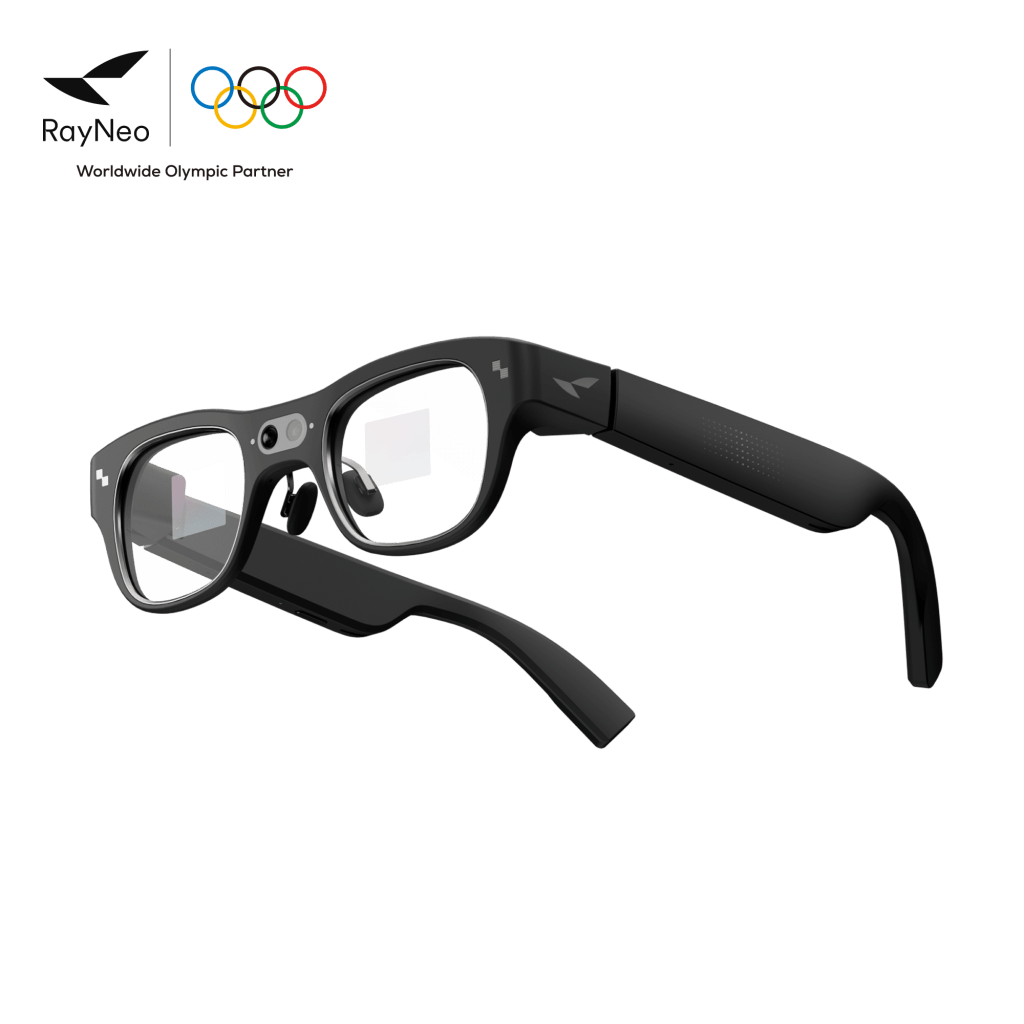
September 27, 2026: Meta’s newly announced VR Glasses arrive in the same conversation as the forthcoming Xreal Aura, with Tom’s Guide asking which spatial-computing glasses will win. The comparison says the products have more similarities than you may think, while a separate Mashable report says Mark Zuckerberg largely ignored the privacy backlash surrounding smart glasses at Meta Connect. Together, the stories capture the day’s central tension: stronger product momentum alongside harder questions about how camera-first glasses fit into everyday life.
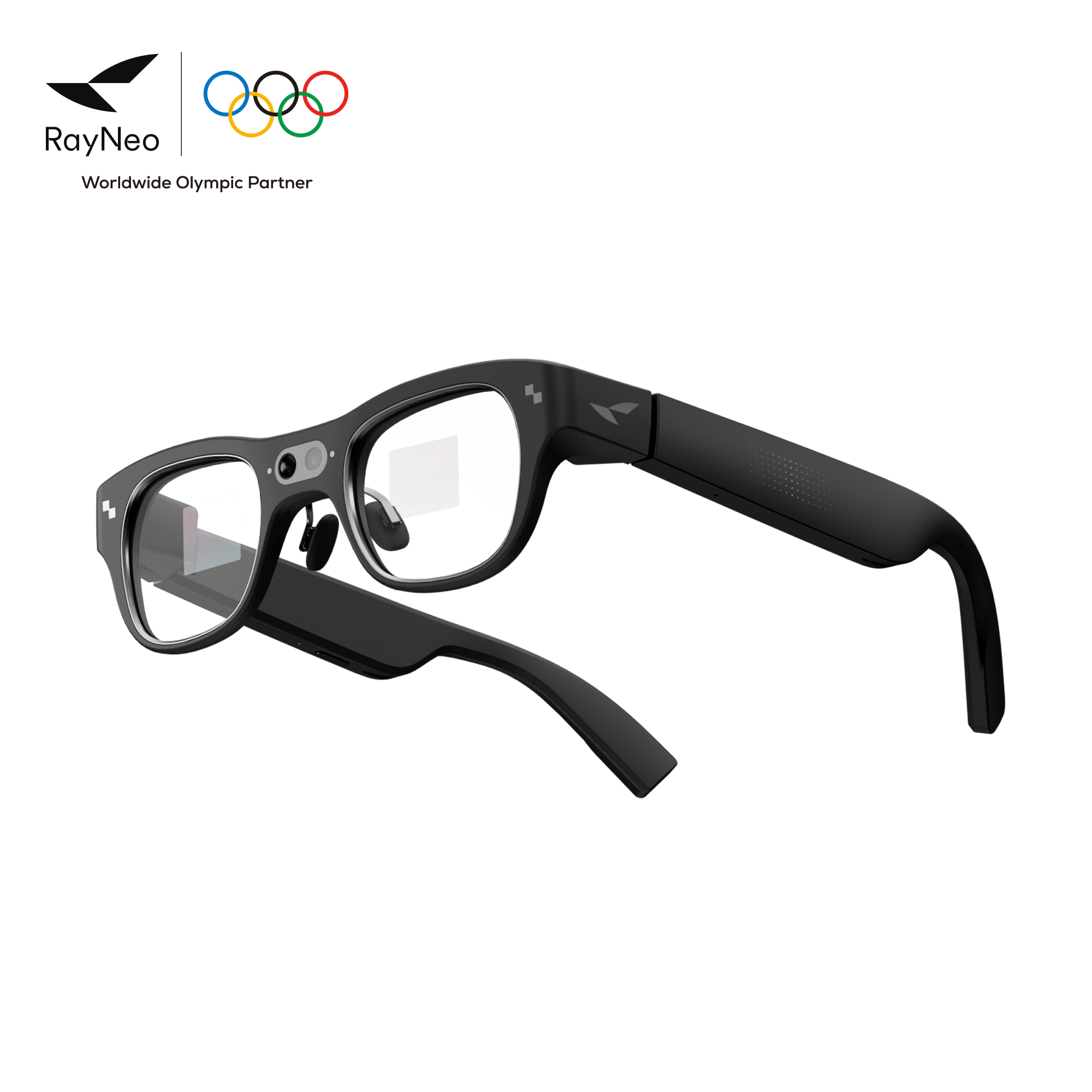
Meta VR Glasses and Xreal Aura enter the same debate
Tom’s Guide’s comparison puts Meta’s newly announced VR Glasses beside the forthcoming Xreal Aura. The supplied comparison does not provide specifications or a verdict, but its central observation is clear: the two products have more similarities than you may think. That makes the matchup useful even before a winner can be named.
The comparison also matters because Meta remains the mainstream reference point in the smart-glasses conversation. That position affects how buyers interpret reviews, prescription models, and feature changes. A new Meta product can therefore shape the practical discussion beyond its own hardware: it gives shoppers a familiar benchmark when they assess what another spatial-computing option is trying to do.
For now, the evidence supports a comparison, not a conclusion. Xreal Aura is still forthcoming, and the question of which glasses will win remains a headline question rather than an established outcome. Buyers watching this category should treat the announcement as a reason to follow the comparison closely, not as proof that one product has already pulled ahead.
Source: Meta VR Glasses vs Xreal Aura: Which spatial computing glasses will win?
Meta’s product momentum meets a privacy backlash
The product story is immediately complicated by Mashable’s report, titled Mark Zuckerberg largely ignores smart glasses privacy backlash at Meta Connect. Its framing is that public opinion has turned against smart glasses, putting Meta and Zuckerberg in an awkward position. That is the report’s characterization, and it supplies a pointed counterweight to the excitement around a new Meta device.
The buyer question is not simply whether the glasses can add useful capabilities. It is also whether people nearby feel comfortable around them, and whether the person wearing them is comfortable with the privacy expectations attached to camera-first AI glasses. The supplied evidence does not establish a universal public response, but it does show privacy moving into the foreground of the buying conversation.
That distinction is important for the market’s next phase. Product announcements can improve the hardware conversation, while privacy concerns influence whether the hardware feels acceptable in shared spaces. Meta’s mainstream position makes that tension especially visible: the company’s next changes in features, models, and positioning will be read alongside the backlash described by Mashable.
Source: Mark Zuckerberg largely ignores smart glasses privacy backlash at Meta Connect
RayNeo’s $50 deal highlights a different kind of smart glasses
The day’s clearest consumer item is a $50 saving on the RayNeo Air 3s Pro. The supplied deal report calls the glasses seriously impressive even at full price, but the brief does not need to turn that subjective description into a universal verdict. The concrete point is the saving and the type of experience these glasses represent.
Display glasses follow a different path from camera glasses. Their stated appeal here is private screen time for travel, gaming, and work, rather than social capture. That gives shoppers a useful way to separate categories that are often grouped under the same smart-glasses label. A person looking for a personal display may be weighing a different set of priorities from someone focused on cameras, AI features, or the social questions surrounding wearable capture.
The deal therefore sits alongside the Meta stories without being a direct alternative in every respect. Meta’s announcement and the privacy report center the camera-first and mainstream-platform conversation. RayNeo’s offer points toward a more private display use case. The right comparison depends on what the buyer wants the glasses to do, and the supplied stories describe those paths without establishing that one is universally better.
Source: Best smart glasses deal: Save $50 on RayNeo Air 3s Pro
Continue Reading
These guides provide broader context for the product types and buying questions raised by today’s brief.