August 08, 2026: Privacy concerns are becoming a more visible part of the smart-glasses conversation, while camera-less display glasses are building momentum through crowdfunding and new product launches. Today’s reports cover both sides of that divide: scrutiny around Ray-Ban Meta and interest in glasses designed to place a private display in front of the wearer.
Ray-Ban Meta privacy questions extend beyond the device
Engadget’s report, Are Ray-Ban Meta Glasses A Privacy Risk? Here's What You Should Know, emphasizes that features are not all equal when it comes to securing user data. That makes privacy a feature-by-feature question rather than a simple judgment about the glasses as a whole.
For someone considering camera-first AI glasses, the distinction is important. A product can combine several capabilities, and each one may raise a different question about the information it uses or the way that information is handled. Buyers therefore have reason to examine the privacy implications of individual features instead of treating the device’s privacy profile as one fixed characteristic.
The concern also affects how these glasses fit into shared spaces. A separate report from The420.in says Meta’s Ray-Ban AI smart glasses face growing restrictions in courts, schools, restaurants, and clubs because of concerns about unauthorized recording. Those settings have different expectations and rules, but the reported restrictions point to the same broader issue: the wearer’s decision to use the glasses can affect people nearby.
That gives camera-first glasses a buying consideration that reaches beyond appearance or functionality. Before choosing a pair, users may want to think about where they expect to wear it and whether recording-related concerns could make it unwelcome in those environments.
Source: Are Ray-Ban Meta Glasses A Privacy Risk? Here's What You Should Know
MemoMind One puts camera-less display glasses in the spotlight
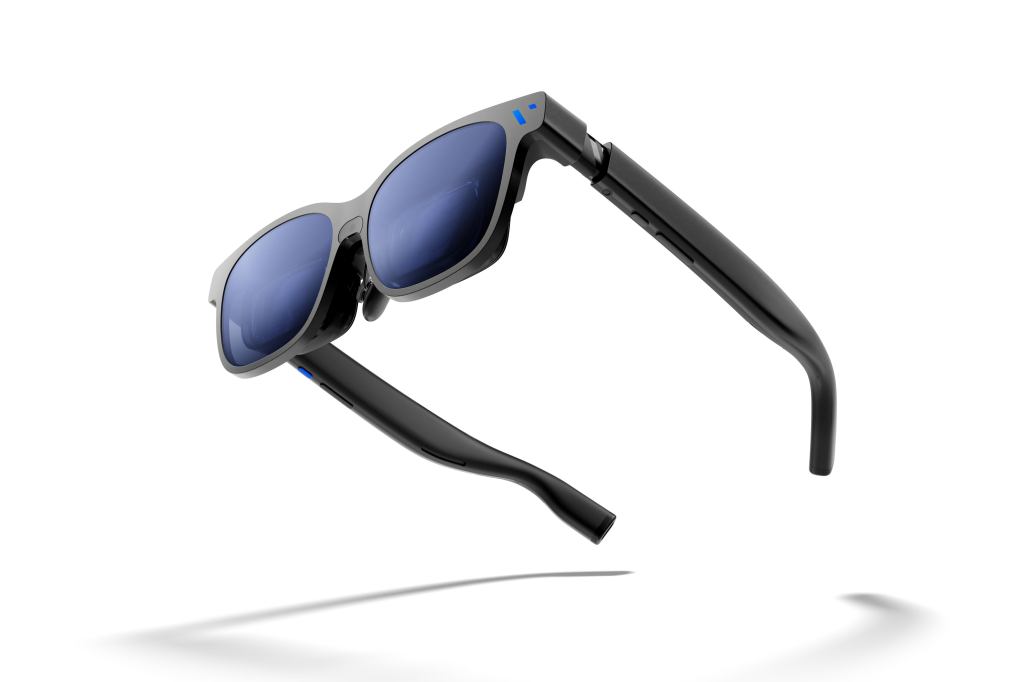
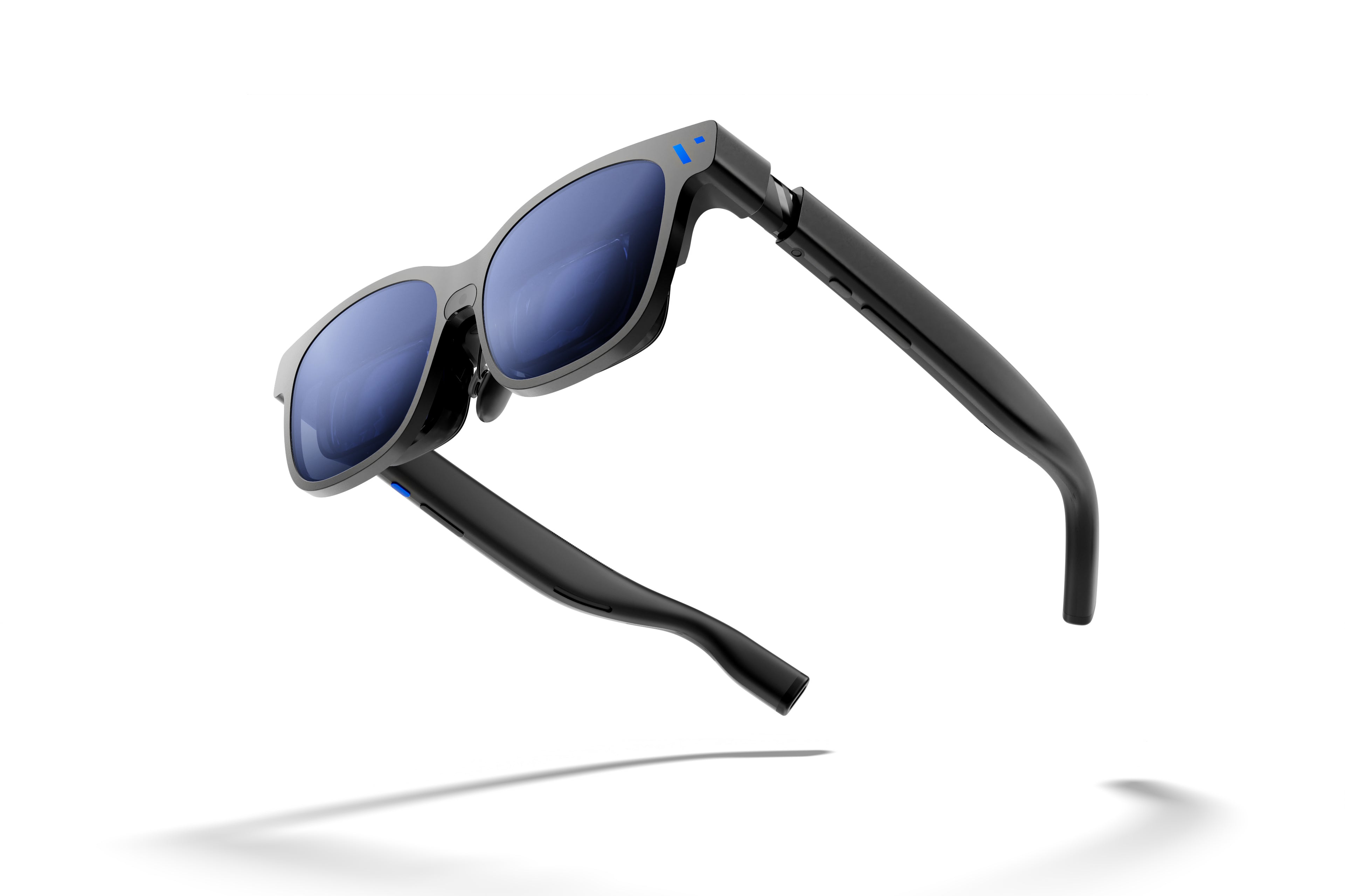
Road to VR reports that China-based projector manufacturer XGIMI launched a crowdfunding campaign in June for MemoMind One, its first smart glasses. The product is built around a display-equipped design that does not contain cameras, placing it on a different track from camera-first AI glasses.
The Kickstarter campaign has reached $1 million. That result does not by itself establish broad consumer demand or confirm long-term market success, but it gives the camera-less display category a notable early signal. The campaign’s performance shows that there is meaningful interest in a smart-glasses concept centered on viewing content without adding cameras to the eyewear.
The product distinction is straightforward. Camera-less display glasses can focus on screen use, while camera-equipped AI glasses raise additional questions about recording and consent. For buyers, that can make the two categories feel less like direct substitutes and more like products aimed at different priorities.
Travel, gaming, and work are the clearest uses described in the supplied coverage for this display-focused approach. The emphasis is on private screen time: content appears to the wearer without making social capture part of the product’s defining pitch. MemoMind One’s crowdfunding result gives that proposition a concrete point of attention.
Source: ‘MemoMind One’ Kickstarter Hits $1M, Making a Strong Case for Camera-less Display Glasses
XREAL targets beginners while VITURE focuses on handheld gaming
The XREAL item adds a beginner-oriented product angle. Mogura VR reported that the XREAL “xbx a01+” was released on July 6. The supplied headline describes the glasses as lightweight, bright, and affordable, says they offer more than enough performance, and recommends them for beginners.
Those descriptions reflect the source’s presentation. The supplied material does not include independent testing, detailed specifications, or a price, so the available evidence supports the positioning but does not allow a deeper performance or value comparison.
VITURE’s reported launch is tied to a more specific use case. GamesRadar+ described a new pair of budget augmented-reality glasses with a mobile dock designed for Switch 2 XR fans. The report’s central idea is projecting a small Switch 2 screen in front of the wearer, making the dock an important part of the product story.
These two reports show how display glasses can be presented to different audiences. XREAL is framed around accessibility for beginners, while VITURE is connected to a particular handheld-gaming setup. Neither story changes the basic distinction between display glasses and camera-first AI glasses, but both demonstrate how manufacturers can give the display category a more concrete purpose.
For prospective buyers, the choice may begin with the type of experience they want. Someone looking for a private visual screen may be more interested in the display-focused category, while someone considering camera-first AI glasses must also account for consent and recording concerns in the places where the device will be used.
Two clearer paths for smart-glasses buyers
The reports point to a category separating into two recognizable paths. Ray-Ban Meta coverage is focused on privacy, data security, consent, and reported restrictions in shared settings. MemoMind One, XREAL, and VITURE coverage instead centers on displays, crowdfunding interest, beginner positioning, and gaming use.
That separation can make the buying decision more specific. Camera-first AI glasses bring privacy questions into the evaluation, especially when the glasses may be used around other people. Camera-less display glasses emphasize what the wearer sees, with travel, gaming, and work presented as practical contexts.
The available evidence does not show that one approach has replaced the other. It does show that smart glasses are being discussed through different expectations: social acceptability and data security on one side, private viewing and targeted entertainment or productivity uses on the other. Buyers can use that distinction to narrow their search before comparing individual products.
Source: Meta’s Smart Glasses Face Growing Restrictions Over Consent and Privacy Concerns
Continue Reading
These guides offer additional context for comparing smart-glasses types and display-focused products.
Sources
- Are Ray-Ban Meta Glasses A Privacy Risk? Here's What You Should Know – engadget.com
- ‘MemoMind One’ Kickstarter Hits $1M, Making a Strong Case for Camera-less Display Glasses – Road to VR
- Lightweight! Bright! Affordable! The new smart glasses "XREAL xbx a01+" offer more than enough performance and are recommended for beginners. – Mogura VR
- Meta’s Smart Glasses Face Growing Restrictions Over Consent and Privacy Concerns – The420.in
- Viture just launched a new pair of budget augmented reality glasses with a mobile dock designed for Switch 2 XR fans – GamesRadar+