
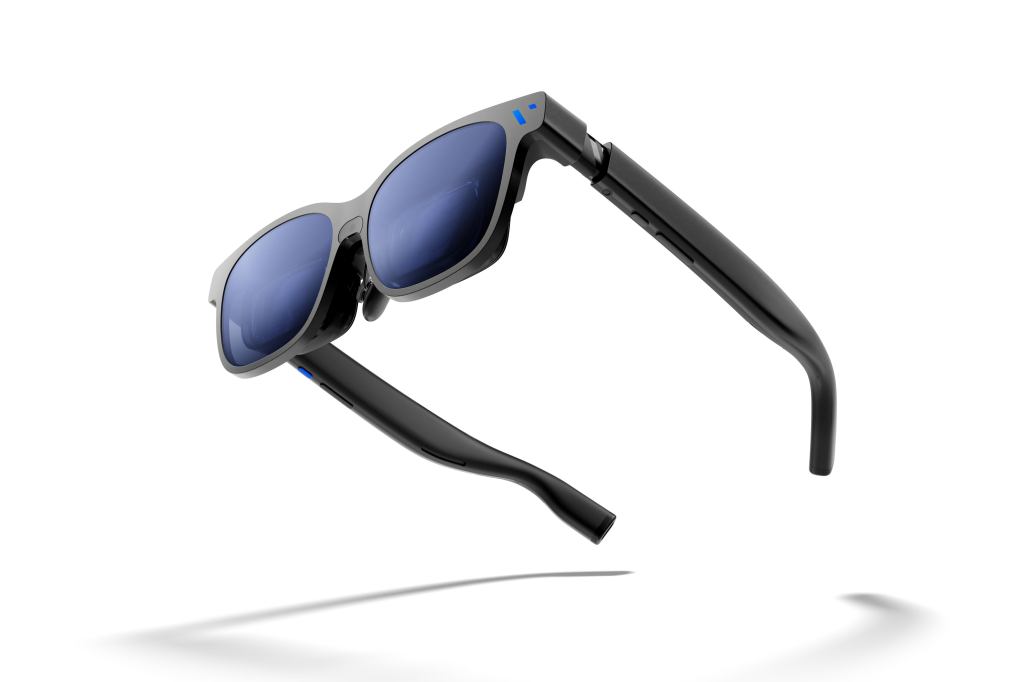
Worldwide AI-glasses shipments rose 263% year over year during the first half of 2026, according to Counterpoint Research. Display-less products made up 96% of those shipments. That combination captures the smart-glasses market’s central tension: adoption is accelerating, but camera-first products are also drawing more visible privacy criticism.
The category is no longer moving along one clear path. AI camera glasses, audio-focused products, wearable displays and full AR glasses are developing in parallel, with different answers to the questions of usefulness, social acceptability and privacy. Apple could eventually enter that expanding market, but its arrival remains a possibility rather than a confirmed product launch.
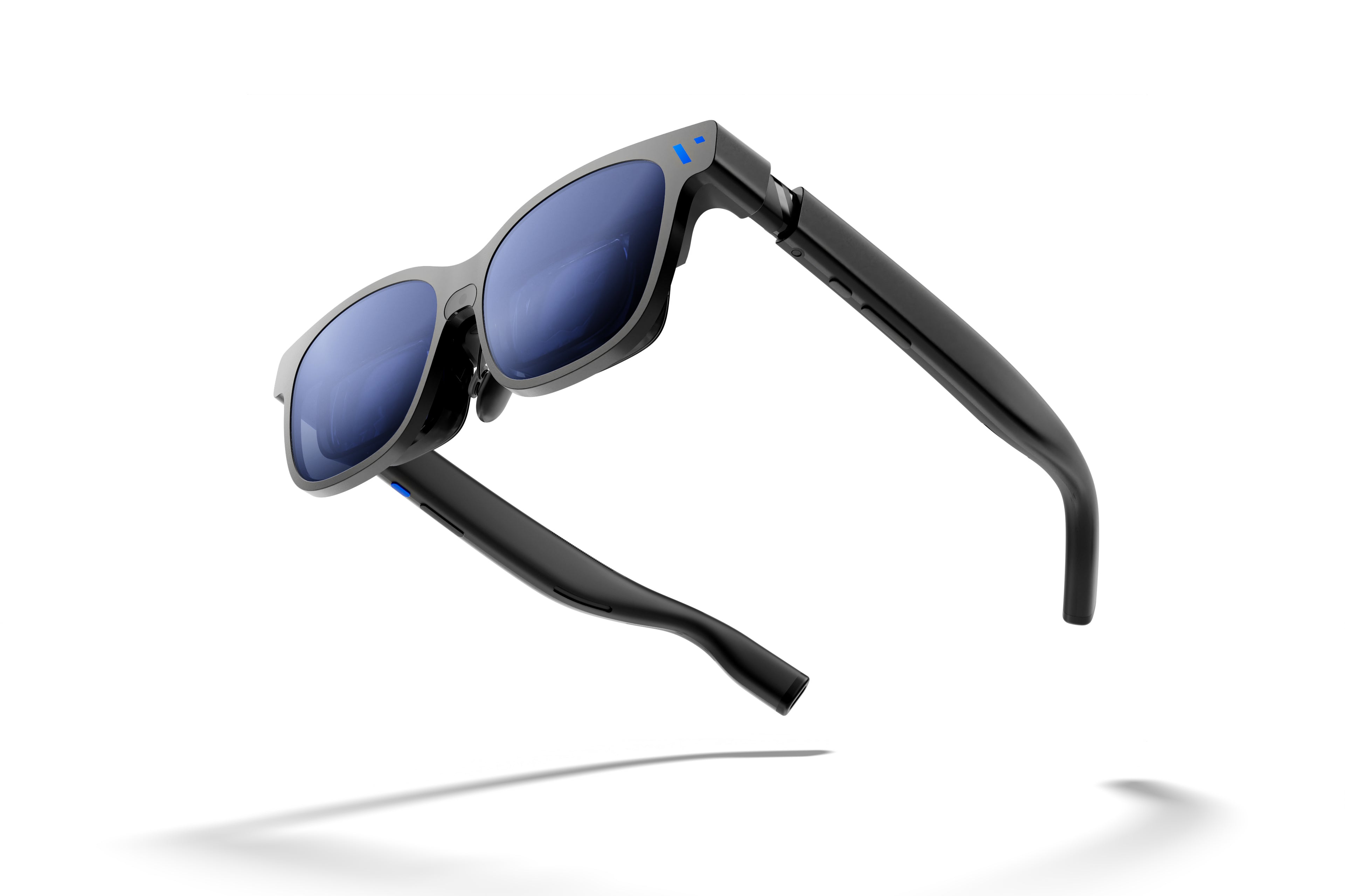
The market is growing, but the product mix matters
Counterpoint Research’s shipment figure is especially notable because display-less glasses accounted for nearly the entire market measured in the report. That does not mean every product serves the same purpose. AI camera glasses emphasize hands-free capture, voice interaction and other AI functions, while wearable displays put visual information in front of the wearer. Full AR products represent a broader category still, combining digital content with the surrounding environment.
That distinction gives the 263% growth figure some needed context. A surge in shipments does not describe a single unified device type. It describes a market where manufacturers are testing several approaches to making glasses useful without asking people to hold a phone.
Apple’s possible entry is therefore being discussed against an already active market. The company’s first smart glasses could arrive while display-less products remain dominant, but the supplied reporting does not confirm a launch or provide a timing claim.
Source: Apple’s Smart Glasses to Enter a Rapidly Growing Market
Meta remains the mainstream reference point
9to5Google’s framing is direct: smart glasses are becoming more popular even as Meta’s Ray-Ban glasses face backlash. Those two developments can exist at the same time. Interest in the format can grow while people continue to question how camera-equipped glasses should be used around others.
Meta remains the practical comparison point for much of the category. Its glasses are the baseline against which reviews, prescription models and feature changes are discussed. That makes each change to the product conversation consequential beyond Meta itself: buyers are often evaluating newer ideas by asking how they differ from the familiar Ray-Ban model.
The popularity story does not erase the backlash story. It shows instead that demand and hesitation are developing together, leaving the market to resolve whether convenience can coexist comfortably with visible cameras in everyday settings.
Source: As Android XR nears, smart glasses are only getting more popular despite Meta backlash
Privacy is becoming a design question
Some Londoners told CNN that smart glasses make them uneasy in bars, restaurants and other social settings where people expect a degree of privacy. The reporting presents those reactions as concerns from some people in London, not as a measure of universal public opinion. Still, the settings matter: these are ordinary places where the presence of a camera can change how comfortable people feel.
Alongside that reaction, Mashable reported that Meta is planning camera-free smart glasses focused on audio and AI. Because the product is reported rather than confirmed in the supplied material, its final design and availability should not be treated as settled facts. The reported direction is nevertheless significant. It suggests that Meta may be exploring a way to preserve hands-free assistance while removing the camera from the social equation.
Put together, the two reports make privacy a central buying question for camera-first AI glasses. A buyer is not only choosing what the glasses can do; they are also choosing how the device may be perceived in a room, at a table or during a conversation.
Source: Meta reportedly plans camera-free smart glasses as privacy concerns grow
Source: ‘Turn the cameras off:’ London’s growing privacy pushback against smart glasses
Viture tests a display-free alternative
Viture is exploring a different version of the display-less concept with Vonder, described by WIRED as the company’s first display-free smart glasses. The glasses use bone-conduction microphones and are intended to privately record the wearer’s daily musings.
That purpose separates Vonder from both AR display glasses and conventional camera-first products. The supplied description does not present the glasses as a way to place screens in front of the wearer, nor does it establish an objective guarantee of privacy. It describes a device built around audio input and personal recording, with the private nature of that use as part of the concept.
Vonder is consequently another sign that “smart glasses” is becoming an umbrella term rather than a single product formula. The market includes devices built to capture images, devices built to work through audio and AI, and devices designed around visual displays. Their differences will shape how people use them and how others respond to them.
Source: Viture’s Vonder Glasses Are Meant to Map Your Mind
The stories worth watching next
The immediate story is not simply that smart-glasses shipments are rising. It is that the category is separating into distinct tracks. AI camera glasses currently define much of the mainstream conversation, with Meta serving as the reference point. Display-free audio and AI products offer another direction, especially as privacy concerns become harder to treat as a secondary issue.
Wearable displays and full AR products remain separate parts of the market, with different hardware and different expectations from buyers. Apple’s possible entry could add another major competitor, but the supplied reporting supports only the possibility of arrival.
For now, the most important developments to watch are the balance between adoption and social resistance, the reported move toward camera-free assistance, and experiments such as Viture’s audio-focused Vonder. The market is growing quickly, but its next phase will be defined by which forms of smart glasses people are willing to wear around one another.
Continue Reading
For broader buying context, these related guides cover the major smart-glasses categories.
Sources
- As Android XR nears, smart glasses are only getting more popular despite Meta backlash — 9to5Google
- Viture’s Vonder Glasses Are Meant to Map Your Mind — WIRED
- Apple’s Smart Glasses to Enter a Rapidly Growing Market — MacRumors
- Meta reportedly plans camera-free smart glasses as privacy concerns grow — Mashable
- ‘Turn the cameras off:’ London’s growing privacy pushback against smart glasses — CNN