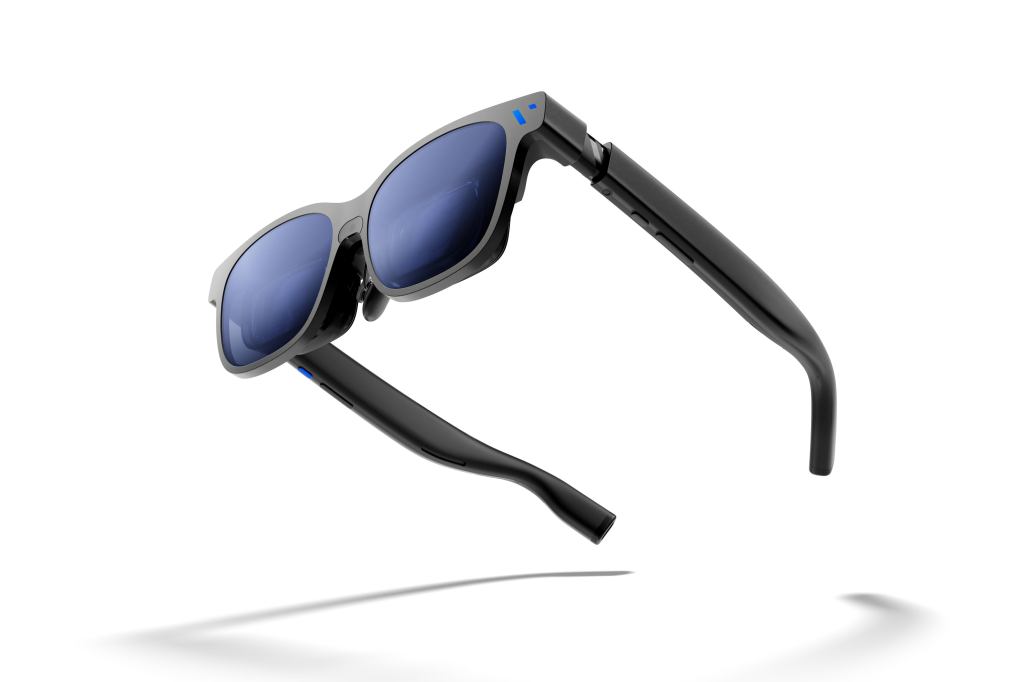
August 07, 2026: VITURE has launched the $300 VITURE Pro 2, which the company describes as its thinnest, lightest, and most comfortable AR glasses yet. The launch also includes a smaller, more pocketable USB-C dock designed to support a wider range of devices, including Nintendo Switch 2.
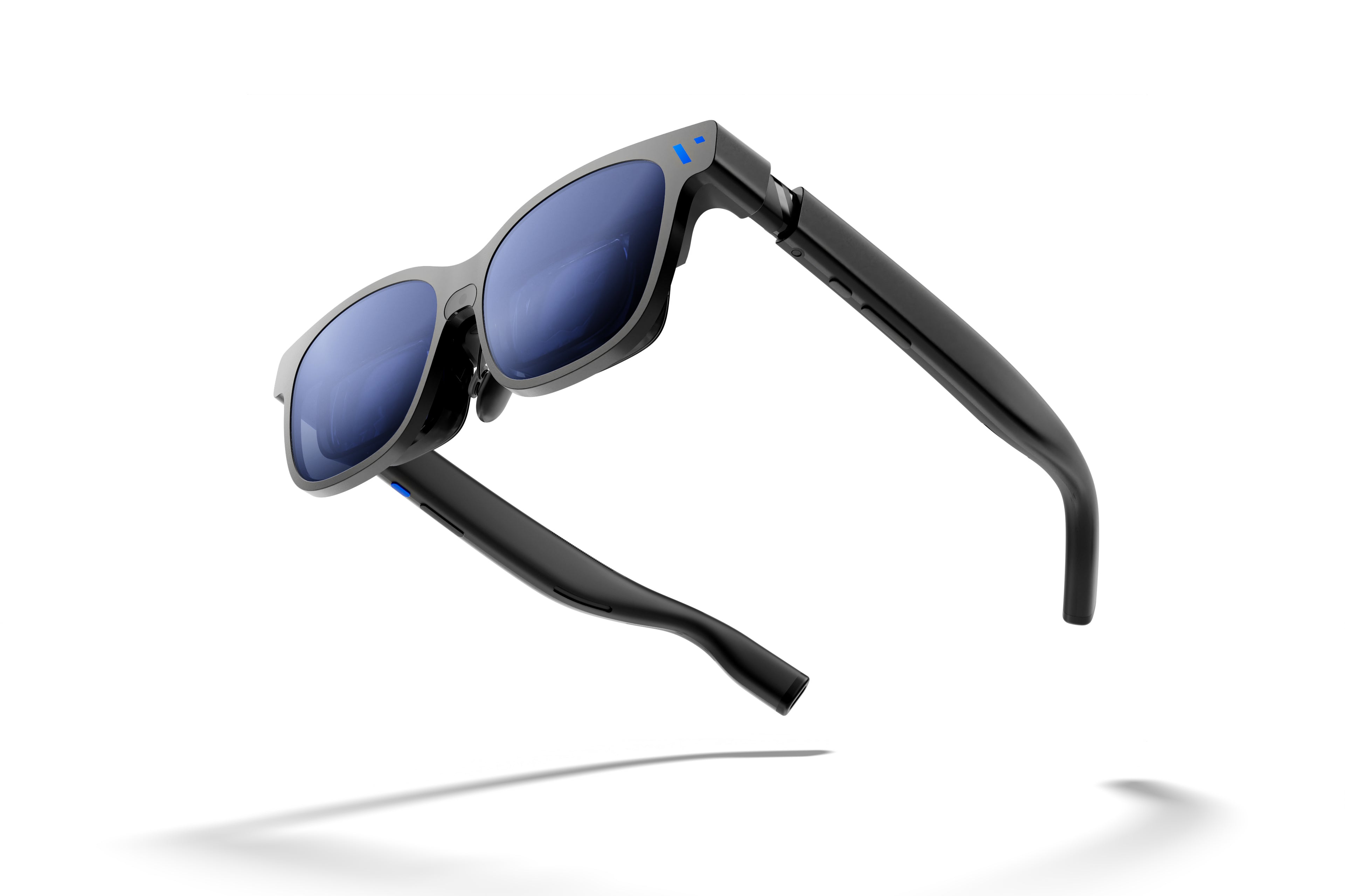
VITURE’s Pro 2 launch leads the day
The Pro 2 is the day’s main smart-glasses story because the launch is supported by multiple early reports, not just the company’s announcement. Road to VR framed the glasses around VITURE’s claims of reduced size and weight, while also highlighting the $300 price and the new USB-C dock.
The dock matters because it broadens the practical device story around the glasses. VITURE says the more pocketable accessory connects with a wider range of hardware, including Nintendo Switch 2. That positions the Pro 2 as a display accessory for several kinds of screen-based use, rather than a product centered on cameras or social capture.
Source: VITURE Pro 2 is the Company’s Thinnest & Lightest AR Glasses Yet, Priced at $300
Comfort and clarity are the early questions
Tom’s Guide’s hands-on assessment focuses on an important tradeoff: whether the Pro 2 feels better to wear than the original model while also coming in at a lower price. Its supplied assessment says the emphasis on comfort over specifications paid off. That is a publication’s testing impression, rather than a universal verdict, but it points to the part of the upgrade that may matter most during extended use.
The Verge’s report adds a second comparison point. It lists the Pro 2 at $299.99 and notes that this is the same price as Xreal’s A01 Plus. The report also identifies the glasses’ diopter dials as making a significant difference, and attributes the strongest image-clarity assessment to its own testing experience.
Those details make the Pro 2 story less about a single headline specification and more about everyday usability. Weight, comfort, optical adjustment, and the ability to connect the glasses to familiar devices all affect whether a display product fits naturally into travel, gaming, or work routines.
Source: VITURE’s cheapest AR glasses have the sharpest image clarity I’ve seen yet
Display glasses still serve a different purpose
The Pro 2 coverage also clarifies where display glasses sit within the broader smart-glasses market. These products emphasize a private screen that can be used for travel, gaming, and work. That is a different priority from camera glasses, which are more closely associated with recording, AI features, and sharing moments around other people.
For buyers, the distinction is useful because “smart glasses” now covers several product categories. A pair intended to show a large private display should be judged by comfort, visual quality, device compatibility, and optical fit. A camera-focused pair raises different questions about recording, assistance, and social use. The categories can overlap, but they do not offer the same basic experience.
Apple’s reported AI-glasses timing remains unconfirmed
Separately, Mashable reports that Apple’s AI glasses could debut in the first half of 2027. The timing is a report-based claim, not a confirmed launch announcement, so it should be treated as a possibility rather than a settled release plan.
The report nevertheless adds weight to the growing conversation around AI camera glasses. Apple’s rumored direction belongs to a different part of the market from the VITURE Pro 2’s wearable display focus. It also helps explain why broad comparisons can become confusing: AI camera glasses, wearable displays, and full AR products may all be called smart glasses while offering very different capabilities.
Source: Apple AI glasses are set for 2027 debut, report claims
The Disney-song filming tip is circulating, but it is not established advice
Another story making the rounds concerns what someone might do if they suspect they are being filmed by smart glasses without consent. The circulating suggestion is to play or sing a Disney song. The theory is that, if the recording is uploaded, copyright-detection technology could recognize the song and the platform might remove the video.
That is the stated theory behind the tip. The supplied report also describes online disbelief and an uncertain outcome, so the tactic should not be presented as a way to stop filming, guarantee removal, or serve as verified privacy guidance. At most, it reflects how people are thinking about the relationship between wearable cameras, platform moderation, and consent.
Source: If you think you’re being filmed by smart glasses, try this
Together, today’s stories show why the smart-glasses category needs more precise labels. The VITURE launch is about a wearable display and the experience of using it privately. Apple’s reported project points toward AI glasses, while the filming discussion centers on the privacy questions raised by camera-equipped wearables.
Continue Reading
These guides provide optional background on the different smart-glasses categories and buying decisions.
Sources
- VITURE Pro 2 is the Company’s Thinnest & Lightest AR Glasses Yet, Priced at $300 — Road to VR
- I tested the VITURE Pro 2 AR glasses and they’re more comfortable (and cheaper) than the originals — Tom’s Guide
- VITURE’s cheapest AR glasses have the sharpest image clarity I’ve seen yet — The Verge
- Apple AI glasses are set for 2027 debut, report claims — Mashable
- If you think you’re being filmed by smart glasses, try this — CNN