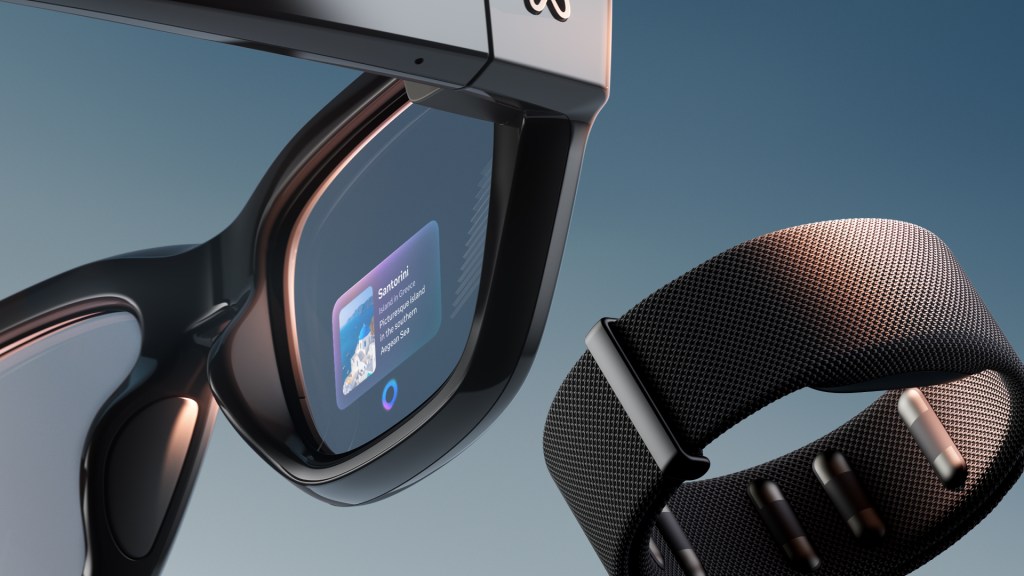
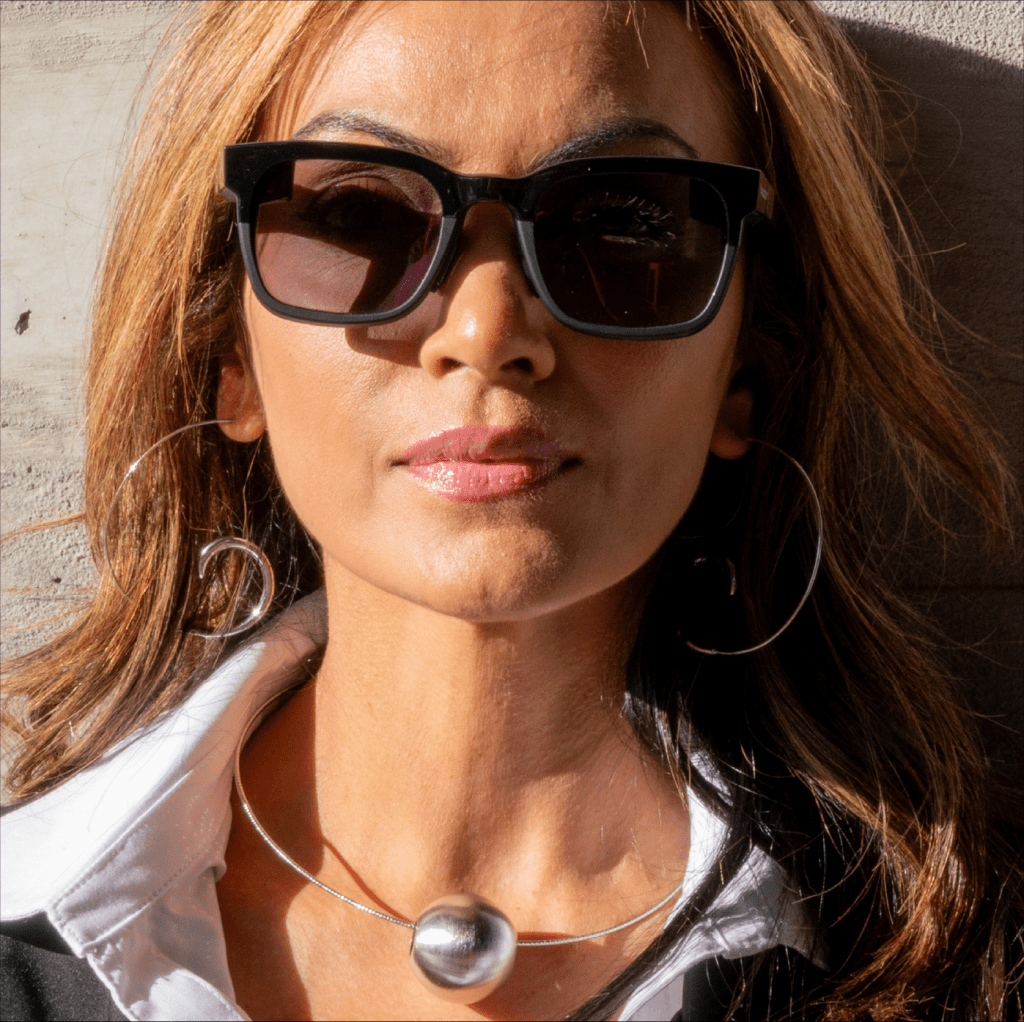
August 05, 2026: Snap’s Specs smart glasses are heading toward a September launch at $2,195, while Apple’s reported plans point to fitness as a possible long-term focus for future smart glasses and XR headsets. Elsewhere, Acer has introduced a lineup combining tablets, wired AR glasses, and a wireless AI-powered wearable. Vuzix is also promoting a 90-minute proficiency claim for its M400 smart glasses.
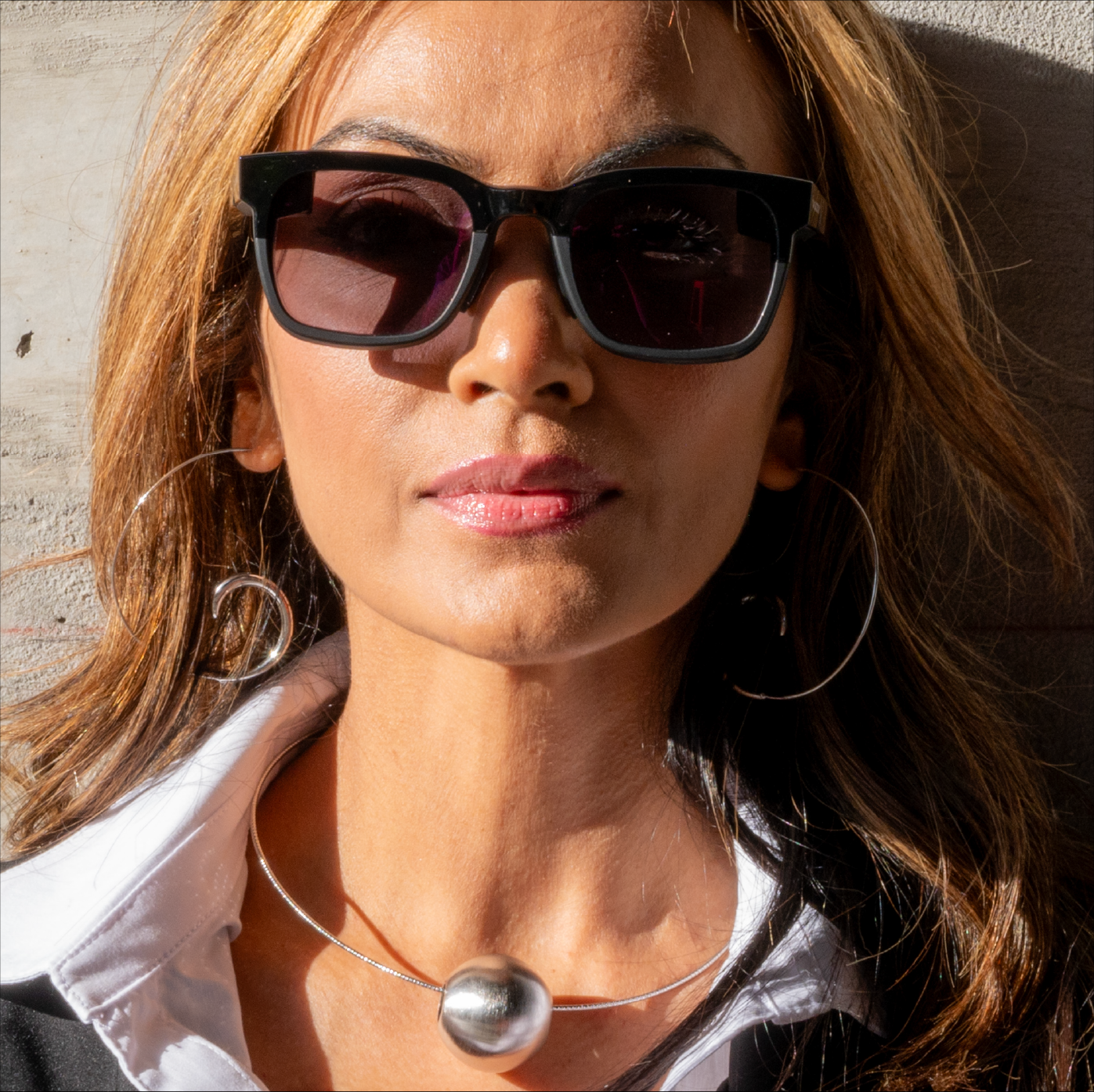
Snap puts a price and launch window on Specs
Snap’s Specs smart glasses are scheduled to launch in September at $2,195. That gives the product two concrete buyer-facing details: a target month and a stated price. The price places Specs at the expensive end of the smart-glasses conversation, particularly when compared with lighter AI camera glasses and wearable display products.
CEO Evan Spiegel declined to share preorder numbers during Snap’s Q2 earnings call. As a result, the available information describes when the glasses are expected and what they are expected to cost, but does not provide a company-reported measure of early demand.
The launch keeps real AR glasses visible alongside the other major approaches in the category. AI camera glasses emphasize a different kind of wearable experience, while display glasses focus on placing visual content in front of the wearer. Specs represents Snap’s push toward a more ambitious AR product, but the supplied report does not establish how buyers will respond once the glasses become available.
Read the Snap launch report for the announced September timing, $2,195 price, and preorder disclosure.
Apple’s reported fitness direction is separate from its launch timing
One report says Apple is looking at fitness as a central use for future smart glasses and XR headsets. It also says Apple’s first-generation smart glasses are not expected to include fitness tracking. Those details describe a possible long-term product direction while setting a limitation on what may arrive in the first generation.
That distinction matters because a reported future ambition is not the same as a confirmed launch feature. The available report presents fitness as something Apple ultimately hopes to place at the center of a major product segment, rather than as a capability confirmed for its initial smart glasses.
The fitness-focused Apple report provides the distinction between the reported long-term goal and the expected first-generation feature set.
A separate report says Apple may delay its smart-glasses launch after backlash associated with Meta’s glasses. It also refers to a rumored WWDC 2027 debut. The report describes a possible delay and a rumored event window; neither point confirms that Apple will launch at that event or that distrust is the definitive reason for any change in timing.
The trust issue nevertheless adds another dimension to Apple’s reported plans. Camera-equipped glasses must be judged not only by their technical abilities but also by how comfortable people are with them in public. In this case, the supplied evidence supports treating the backlash and delay as reported possibilities, rather than settled facts about Apple’s release strategy.
The separate Apple launch report is the source for the possible delay, the Meta-related distrust framing, and the rumored WWDC 2027 debut.
Acer combines tablets, wired AR, and wireless AI hardware
Acer’s new lineup includes three Android tablets built around 3:2 displays, alongside wired AR glasses and a wireless AI-powered wearable. The announcement therefore covers several kinds of personal technology at once: conventional tablets, a glasses-based display product that uses a wire, and a separate wearable built around wireless AI functionality.
The lineup shows why “smart glasses” does not describe one uniform product type. Wired AR glasses and wireless AI wearables can sit in the same announcement while serving different purposes and requiring different assumptions about connectivity and display use. The supplied report presents them as parts of Acer’s broader new lineup, but it does not establish that the products are interchangeable.
For shoppers, the practical question is what kind of hardware they actually want. A person seeking a wearable display may evaluate Acer’s wired AR glasses differently from someone interested in an AI wearable without the same display emphasis. The three tablets add another conventional-screen option to the same product announcement.
See the Acer lineup report for the tablet, wired AR-glasses, and wireless AI-wearable details.
Vuzix makes a specific enterprise-training claim
Vuzix claims that users can reach proficiency with its M400 smart glasses in 90 minutes, compared with four to six hours for voice setups. These are Vuzix’s reported figures and should be understood as a company claim, not as an independently verified test result supplied in this brief.
The comparison also places the M400 in a different part of the market from consumer-facing camera and display glasses. For an enterprise customer, training time may be a central consideration because it concerns how quickly workers can become proficient with a system. That is a different buying question from whether a pair of glasses is comfortable for casual daily use or suitable for watching content.
The claim applies to the M400. The Vuzix Z100 image accompanying this brief is identified as a work-use image and should not be treated as visual evidence for the M400’s reported proficiency figures.
Review the Vuzix claim for the 90-minute and four-to-six-hour comparison.
What the reports clarify for buyers
Taken together, these updates separate the category into several paths. AI camera glasses, wearable display products, real AR glasses, and enterprise smart glasses are not evaluated by exactly the same standards. Snap’s Specs brings a stated price and launch window to the real-AR discussion. Acer’s announcement shows wired AR and wireless AI hardware appearing alongside tablets. Vuzix’s M400 claim focuses on workplace proficiency and training time.
Apple’s reports remain more prospective. Fitness is described as a possible central use for future smart glasses and XR headsets, while first-generation fitness tracking is not expected. The separate report about a possible delay, Meta-related backlash, and a rumored WWDC 2027 debut also describes possibilities rather than confirmed launch details.
Snap provides the clearest confirmed buyer information in this brief: a September launch target and a $2,195 price. Preorder numbers were not disclosed by Spiegel. The remaining reports help define the different directions companies are pursuing, but they do not turn every reported ambition, claim, or rumor into a confirmed product feature.
Continue Reading
These guides provide broader buying context for the products and categories covered here.
Ray-Ban Meta vs Oakley Meta vs XREAL vs Vuzix: Smart Glasses Types Explained
Best AR Display Glasses for Movies and Gaming (2026): XREAL vs VITURE vs RayNeo vs Rokid
Ray-Ban Meta Gen 2 Guide: Why These AI Glasses Are the Smart Glasses Baseline
Sources
- Apple is Reportedly Eyeing Fitness as the Killer App for Future Smart Glasses – Road to VR
- Acer Launches New Iconia Duo Tablets Alongside AR and AI Glasses – IGN
- Apple said to delay smart glasses launch after Meta backlash – Mashable
- Vuzix claims 90 minute ramp to proficiency on M400 smart glasses – Traders Union
- Snap’s $2,195 smart glasses head toward September launch – Northeast Times