
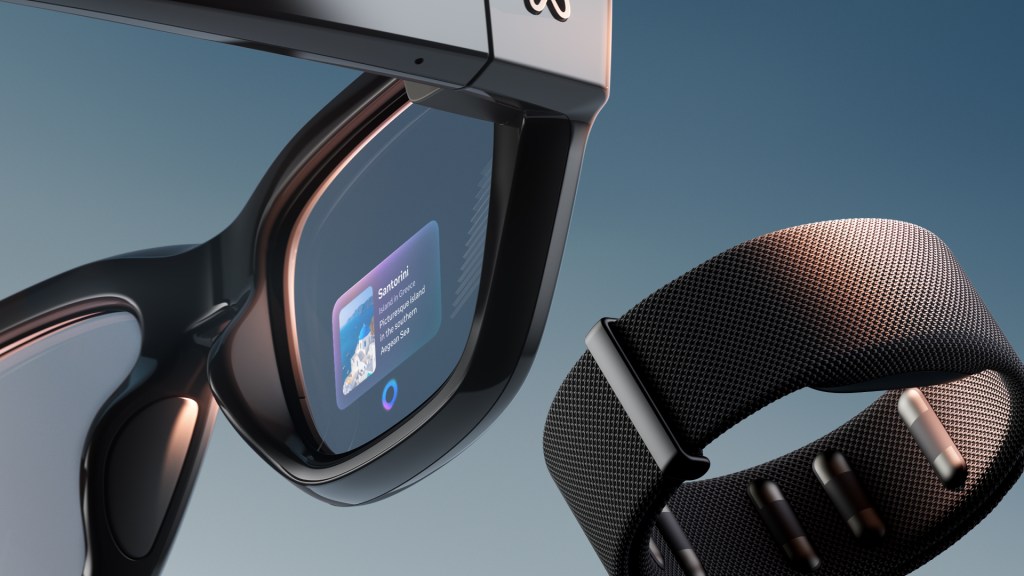
August 02, 2026: A report says a $2 micro-perforated sticker can bypass the privacy indicator on Meta smart glasses, enabling covert recording despite Meta’s security updates. The claim gives a concrete edge to a broader question raised by Wired: can glasses that record audio and video while running onboard AI avoid feeling intrusive?
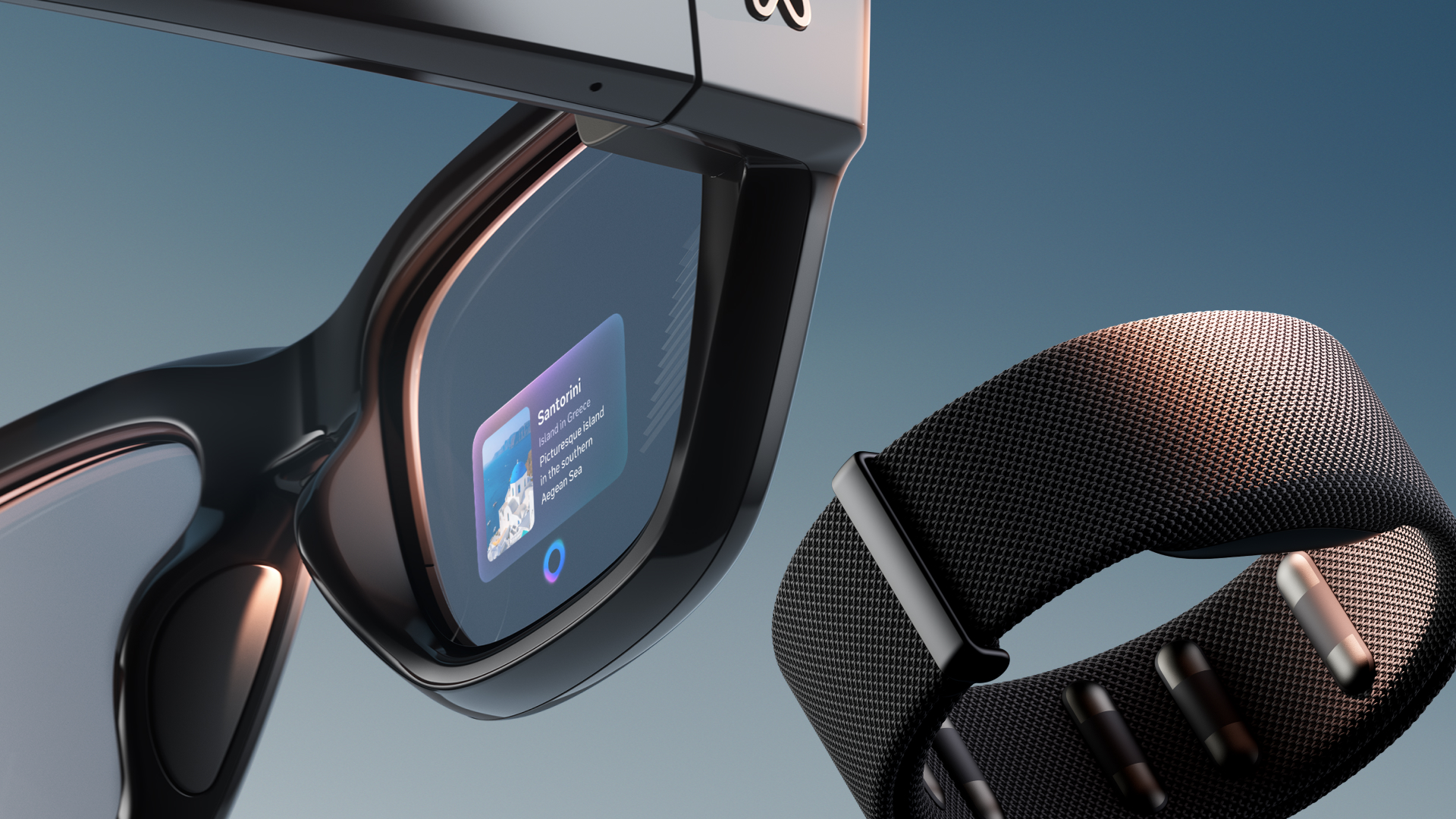
Meta’s privacy indicator faces a specific challenge
The reported sticker is inexpensive, small, and designed with micro-perforations that allegedly trick the glasses’ LED sensor. That matters because the privacy indicator is meant to make recording visible to people nearby. If the report holds, the concern is not simply that camera glasses can record; it is that a visible safeguard may be made less reliable without changing the glasses themselves.
Wired’s Is It Possible to Make Smart Glasses That Aren’t Creepy? places the issue in a wider industry context. Major companies are investing in glasses that combine cameras, microphones, and AI, bringing more capable computing into ordinary social situations. The sticker report turns that general privacy concern into a practical question for anyone considering camera-first AI glasses: how dependable is the signal that recording is taking place?
The packet does not establish that every Meta pair can be bypassed in every situation, or that Meta’s updates have failed broadly. It does show why privacy is becoming a central buying consideration alongside camera quality, AI functions, and comfort.
Source: Is It Possible to Make Smart Glasses That Aren’t Creepy?
Apple may inherit the trust problem
Mashable reports that Apple is said to have delayed its smart-glasses launch after backlash involving Meta. Apple may therefore face public distrust before its rumored WWDC 2027 debut, even though the report concerns a different company and product plan.
Meta’s glasses have become a mainstream reference point for the category, so developments around their privacy protections can shape the conversation that follows. For prospective buyers, Apple’s reported delay is less a product detail than a reminder that public acceptance may be as important as the hardware. Glasses worn in shared spaces need people around the wearer to understand what the device can do and when it may be recording.
The timing and cause remain qualified in the supplied report: Apple is said to have delayed the launch, and the WWDC 2027 appearance is described as rumored. Those details should not be treated as a confirmed release schedule.
Source: Apple said to delay smart glasses launch after Meta backlash
Three kinds of smart glasses are competing for attention
These stories cover related but distinct products. AI camera glasses focus on cameras, microphones, and assistant features. Wearable display glasses add visual information or a large virtual screen while remaining lighter than full augmented-reality hardware. Full AR glasses aim to place mixed-reality content into the wearer’s surroundings and require a more demanding technical system.
That split explains why the news has different implications across the category. Privacy is especially immediate for camera-first glasses. Heat becomes more complicated as processing and displays are added. Developer tools matter most when a product is trying to build an AR platform rather than simply offer hands-free AI features.
Heat remains a hardware constraint
Another report focuses on the physical cost of putting more capability into a frame worn directly against the face. AI processing, computer vision, translation capabilities, and high-resolution displays can all contribute to heat. The challenge is not only whether the components can perform those tasks, but whether the glasses can do so while remaining comfortable in everyday use.
Yanko Design reports on a 1mm fan as a possible answer. The idea is presented as a way to address the warmth created by increasingly capable smart-glasses hardware, not as a confirmed solution. A fan that small would still need to fit within the frame, manage airflow, and avoid introducing new comfort or noise concerns. The supplied evidence does not establish that the approach has solved the problem, but it highlights the kind of engineering tradeoff the category is facing.
Source: Smart Glasses Run Hot. A 1mm Fan Might Finally Fix That.
Snap keeps developer-focused AR in view
A report says Snap Specs AR Glasses launched with new mixed-reality features and tools for developers building immersive AR experiences. That puts Snap’s work at the more ambitious end of the category split, where the goal is not only to add an assistant or camera to familiar eyewear but to support software that responds to the wearer’s surroundings.
For shoppers, the distinction is important. Most current comparisons in the supplied guides involve lighter AI camera glasses and display glasses, while Snap’s reported progress is centered on developers and full AR capabilities. The launch keeps real AR glasses in the conversation without suggesting that developer-oriented hardware has become a straightforward mainstream purchase.
Source: Snap Specs AR Glasses Launch With New Mixed Reality Features for Developers
Continue Reading
Use these guides for optional buying and category context:
Sources
- Is It Possible to Make Smart Glasses That Aren’t Creepy? – wired.com
- Apple said to delay smart glasses launch after Meta backlash – Mashable
- Smart Glasses Run Hot. A 1mm Fan Might Finally Fix That. – Yanko Design
- Snap Specs AR Glasses Launch With New Mixed Reality Features for Developers – chshyd.in
- Meta Smart Glasses Privacy Feature Bypassed By $2 Sticker – chosun.com
Read the report on the $2 sticker and Meta smart-glasses privacy feature.