
The right handheld starts with the games you already own. Steam Deck OLED, ROG Xbox Ally X, Legion Go 2, and Switch 2 are not interchangeable storefronts, while the upcoming ROG Xbox Ally X20 is a Windows alternative that remains in preorder status on October 8, 2026. Screen specifications, battery capacities, and refresh rates matter, but they do not replace the more basic question of whether your library works on the device.
Choose the software ecosystem first
Steam Deck OLED is the most direct fit for a Steam-first library. It runs SteamOS 3 and uses Linux and Proton compatibility checks for individual games. That can work very well for compatible titles, but it does not guarantee that every Windows game, launcher, or anti-cheat system will function properly. Check the specific games you care about before treating the Deck as a complete replacement for a Windows handheld.
ROG Xbox Ally X and Legion Go 2 run Windows 11. That gives them access to compatible Windows Steam games and other Windows storefronts, subject to each game’s hardware and software requirements. Windows can be the better fit for a library spread across stores, but the Xbox branding on the Ally does not create universal access to licenses for Xbox console games. The relevant advantage is Windows compatibility, not an automatic console-library entitlement.
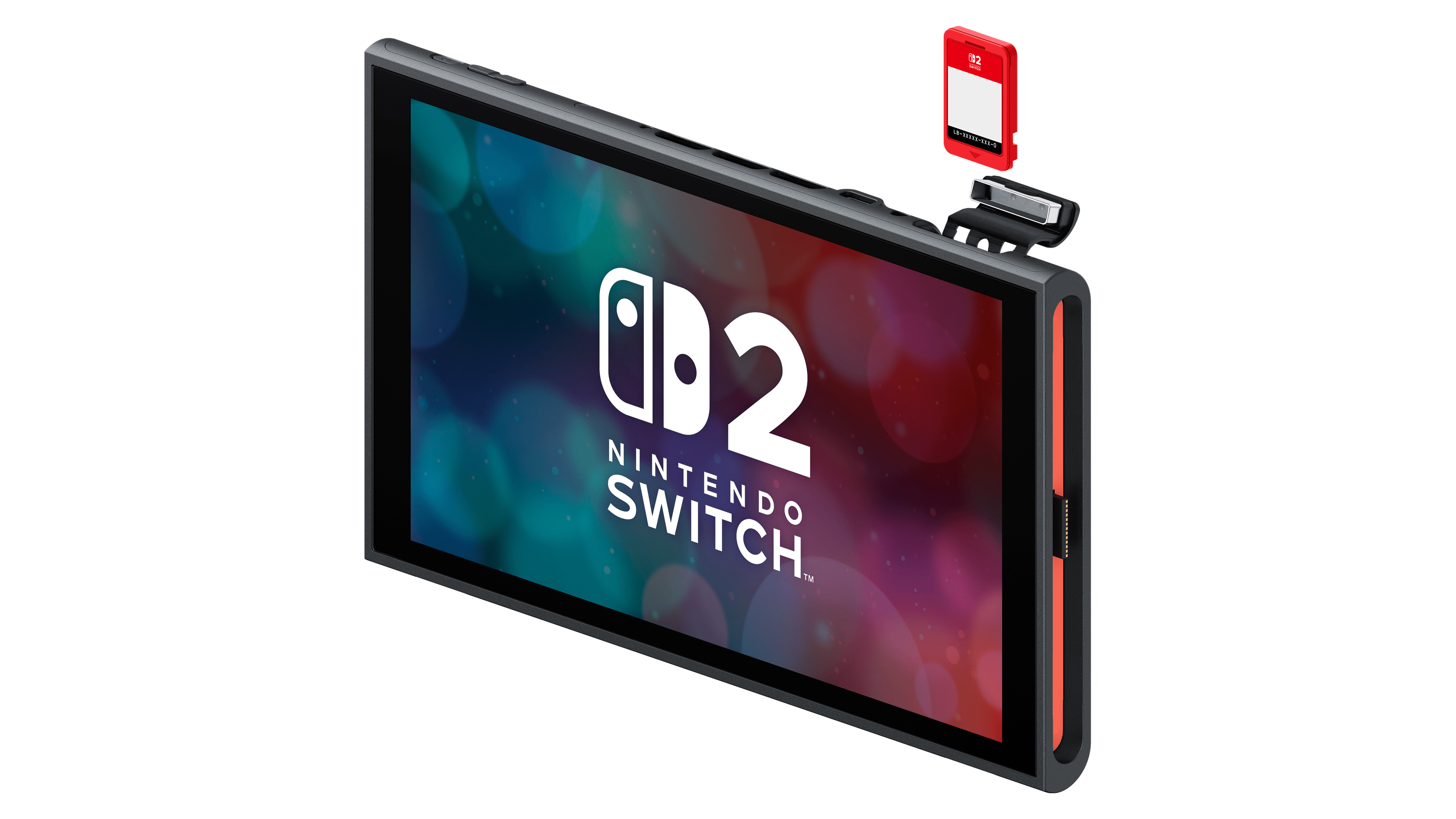
Switch 2 belongs to Nintendo’s ecosystem. It runs Nintendo system software, uses separate Nintendo game purchases, and does not install Steam PC games. Compatible Switch games are not guaranteed to work in every case, so owners should check important titles individually. Switch 2 is therefore a choice for Nintendo games and console-style ownership rather than an alternative Steam PC.
Availability and status on October 8, 2026
Steam Deck OLED released on November 16, 2023. ROG Xbox Ally X released on October 16, 2025, and Switch 2 released on June 5, 2025. Lenovo announced the Legion Go 2 Windows family as available starting in September 2025, but an exact U.S. launch date for each configuration was not verified. Family-level availability is not proof that every SKU is in stock.
ROG Xbox Ally X20 has a planned U.S. on-sale date of October 15, 2026. On the October 8 snapshot, it is still an upcoming product in preorder status. A product page’s “Buy Now” wording is not evidence that the device has shipped. The X20 should be evaluated as a forthcoming model until its release and subsequent reviews provide more evidence.
This is a specification comparison, not hands-on testing of frame rates, fan noise, heat, or battery runtime. A higher maximum refresh rate does not guarantee higher game FPS, and a higher native resolution creates more rendering work at otherwise equivalent settings. OLED describes the display panel; it is not a processor-performance designation.
Meet the four released handhelds
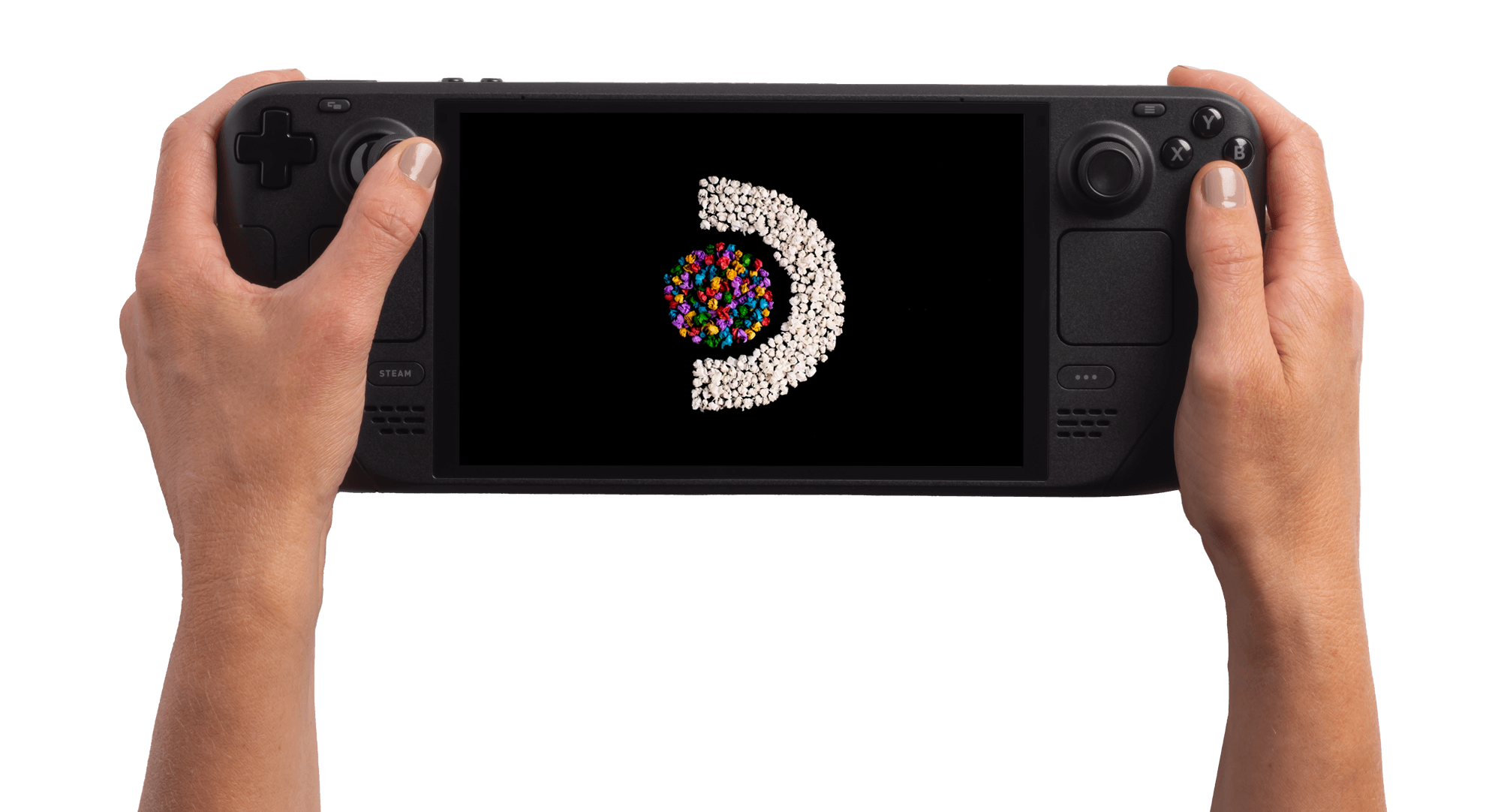
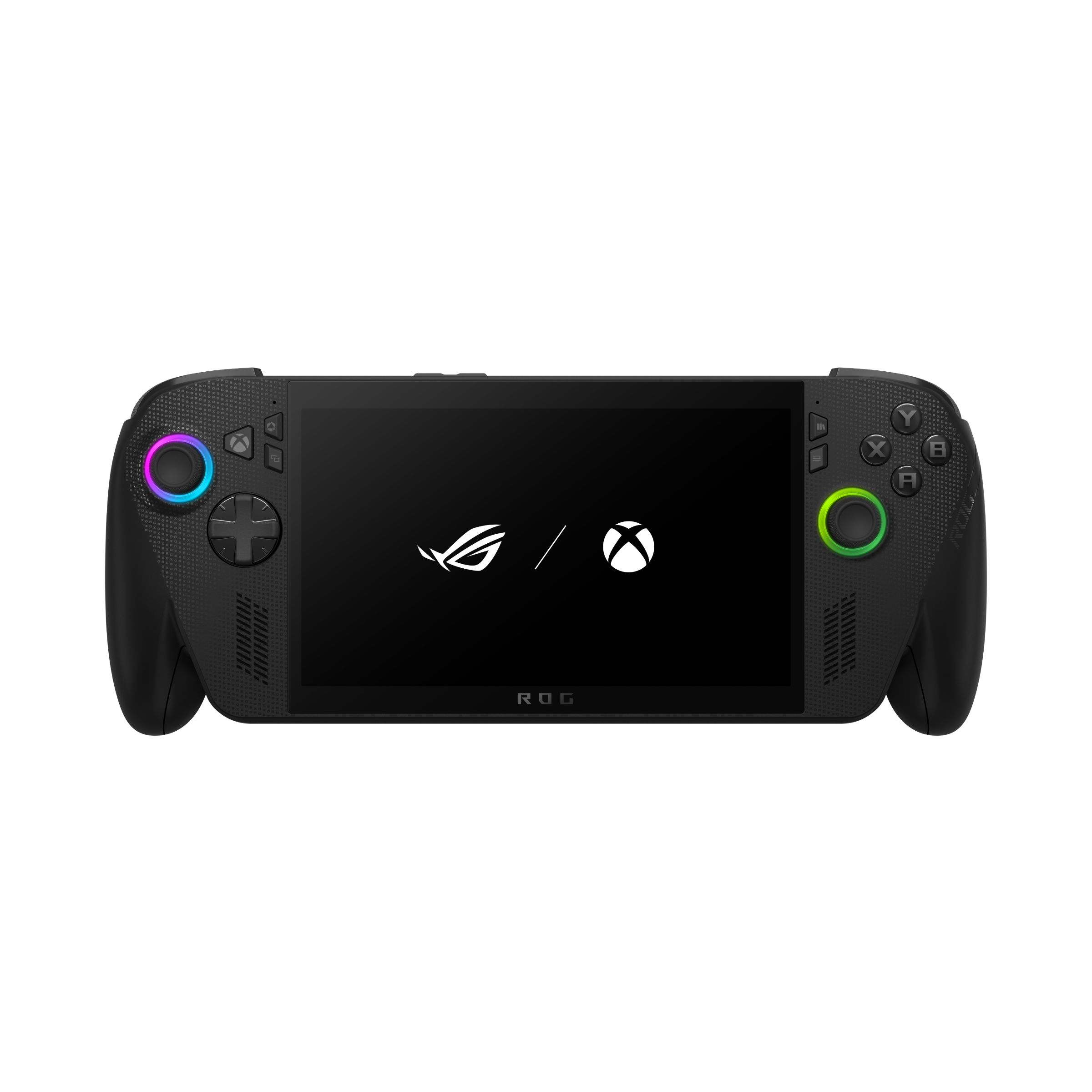
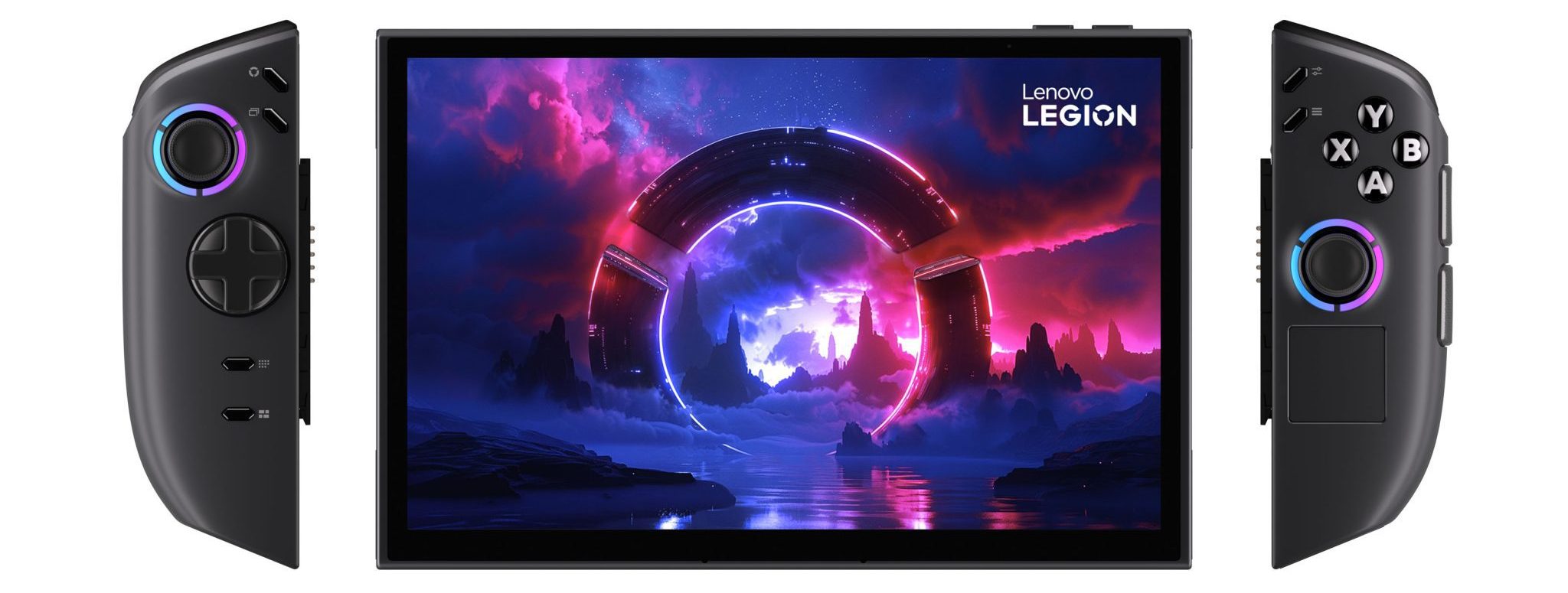
Official product images show the different control layouts. Images are not to scale. The upcoming X20 appears separately below.
Steam Deck OLED
ROG Xbox Ally X (2025)
Lenovo Legion Go 2
Nintendo Switch 2
24 Buying Checks: Four Released Handhelds
| Comparison point | Steam Deck OLED | ROG Xbox Ally X (2025) | Legion Go 2 (Windows) | Nintendo Switch 2 |
|---|---|---|---|---|
| Release / availability date | November 16, 2023 | October 16, 2025 | September 2025 availability announced; exact U.S. date not verified | June 5, 2025 |
| Status on October 8, 2026 | Released; stock varies | Released; stock varies | Released Windows family; exact SKU stock varies | Released; stock varies |
| U.S. price reference before tax | $789 / $949 for 512GB / 1TB, Valve May 2026 revision; recheck checkout | $999.99 listed, 24GB / 1TB | Current exact-SKU U.S. price not verified | $499.99 system MSRP effective September 1, 2026 |
| Operating system | SteamOS 3 | Windows 11 Home | Windows 11 Home family here, not SteamOS model | Nintendo system software |
| Local Steam games | Compatible Linux / Proton games; check each title | Windows Steam games subject to requirements | Windows Steam games subject to requirements | No native Steam library installation |
| Native Nintendo library | Not a Nintendo console | Not a Nintendo console | Not a Nintendo console | Switch 2 games and compatible Switch games |
| Processor | Custom AMD 6nm APU; Zen 2 / RDNA 2 | AMD Ryzen AI Z2 Extreme | Up to AMD Ryzen Z2 Extreme; check exact SKU | Custom NVIDIA processor |
| RAM | 16GB LPDDR5 | 24GB LPDDR5X | 16GB / 32GB configurations | Not specified on Nintendo public tech-spec page |
| Built-in storage | 512GB / 1TB NVMe SSD | 1TB NVMe SSD | 512GB / 1TB / 2TB family options; verify SKU | 256GB UFS; usable space lower |
| Storage expansion | UHS-I microSD | microSD | microSD | microSD Express for game storage |
| Screen size | 7.4-inch | 7-inch | 8.8-inch | 7.9-inch |
| Screen technology | OLED | IPS-level LCD | OLED | LCD |
| Native handheld resolution | 1280 x 800 | 1920 x 1080 | 1920 x 1200 | 1920 x 1080 |
| Maximum panel refresh | 90Hz | 120Hz | 144Hz | 120Hz |
| HDR specification | HDR OLED; 1,000-nit peak claim | No HDR specification claimed here | DisplayHDR True Black 1000; 1,100-nit HDR peak claim | HDR10 |
| Touchscreen | Yes | Yes | Yes | Yes |
| Weight with controls | Approx. 640g | 715g | Around 920g with controllers | Approx. 1.18 lb with Joy-Con 2 |
| Battery specification | 50Wh | 80Wh | 74Wh | 5,220mAh; do not rank against Wh without voltage |
| Comparable tested gaming runtime | Not tested here | Not tested here | Not tested here | Not tested here |
| Detachable controls | No | No | Yes | Yes, Joy-Con 2 |
| Pointer-style input | Two trackpads | Touchscreen / optional mouse | Right-controller touchpad and FPS mode | Joy-Con 2 mouse controls in supported games |
| Wired external display path | USB-C DisplayPort; dock/adapter as needed | USB-C DisplayPort; dock/adapter as needed | USB-C DisplayPort; dock/adapter as needed | Nintendo Switch 2 dock HDMI |
| Wi-Fi generation | Wi-Fi 6E | Wi-Fi 6E | Wi-Fi 6E | Wi-Fi 6 |
| Best-fit use (our assessment) | Steam-first library with game-specific compatibility checks | Windows game libraries in a smaller handheld | Larger screen and detachable-control tabletop play | Nintendo games and console-style ownership |
What the released hardware emphasizes
Steam Deck OLED has a 7.4-inch OLED touchscreen with a 1280 × 800 native resolution and a maximum 90Hz refresh rate. Its two trackpads give it a pointer-oriented control option that can help with mouse-heavy games and desktop navigation. At approximately 640g with controls, it is lighter than the larger Windows models in this comparison. Its 16GB of LPDDR5 memory and custom AMD 6nm APU are part of a SteamOS-centered design rather than evidence of universal compatibility.
ROG Xbox Ally X uses a 7-inch 1920 × 1080 IPS-level LCD touchscreen with a maximum 120Hz refresh rate. ASUS lists 24GB of LPDDR5X memory, 1TB of NVMe storage, and an 80Wh battery specification. At 715g, it remains a relatively compact Windows handheld, but its central appeal is the software access that comes with Windows rather than a detachable control system or a pointer device built into both sides.
Legion Go 2 is the large-screen option. Its 8.8-inch OLED touchscreen has a 1920 × 1200 native resolution and a maximum 144Hz refresh rate. The controllers detach for tabletop use, and the right controller includes a touchpad and FPS mode. Around 920g with controllers, it is a substantial device. The family includes 16GB and 32GB memory configurations and 512GB, 1TB, and 2TB storage options, so a buyer must confirm the exact Windows SKU before comparing price or performance with a specific rival.
Switch 2 has a 7.9-inch LCD touchscreen with a 1920 × 1080 native resolution and a maximum 120Hz refresh rate. Its Joy-Con 2 controllers detach, and supported games can use mouse-style input through those controllers. The system also has a Nintendo Switch 2 dock with an HDMI path to a television. Its approximate 1.18-pound weight is specified with Joy-Con 2 controllers attached, making the figure useful only when comparing like-for-like configurations.
Battery figures and display comparisons need context
Manufacturer battery specifications do not rank actual gaming runtime. Steam Deck OLED is listed with an approximate 3–12-hour range, while Switch 2 is listed with an approximate range that reaches 6.5 hours. Those figures come from different workloads and should not be presented as a direct winner-takes-all test. The Deck’s 50Wh specification and the Ally X’s 80Wh specification also do not predict identical playtime across different hardware, brightness settings, games, or power modes.
Switch 2 lists a 5,220mAh battery specification. Milliamp-hours cannot be compared directly with watt-hours without voltage information. For travel, look for gaming-runtime tests of the titles and settings you actually use rather than treating the largest battery number as the automatic winner.
Display numbers require the same restraint. Legion Go 2 has the highest stated refresh ceiling in this group, but that does not establish higher frame rates. Switch 2 and the Windows handhelds use different operating environments and game targets, while Steam Deck OLED’s lower native resolution may change rendering demands without making it inherently faster in every title. Resolution, panel type, refresh rate, and processor should be considered together.
Wait for X20? Compare the Upcoming Model Separately
| Comparison point | ROG Xbox Ally X (2025) | ROG XBOX Ally X20 (upcoming) |
|---|---|---|
| Release / availability date | October 16, 2025 | October 15, 2026 planned U.S. on-sale date |
| Status on October 8, 2026 | Released; stock varies | Upcoming / preorder; not treated as shipped |
| U.S. price reference before tax | $999.99 listed, 24GB / 1TB | $1,299.99 standalone listed; not the glasses bundle |
| Operating system | Windows 11 Home | Windows 11 Home |
| Local Steam games | Windows Steam games subject to requirements | Windows Steam games subject to requirements |
| Native Nintendo library | Not a Nintendo console | Not a Nintendo console |
| Processor | AMD Ryzen AI Z2 Extreme | AMD Ryzen AI Z2 Extreme |
| RAM | 24GB LPDDR5X | 24GB LPDDR5X |
| Built-in storage | 1TB NVMe SSD | 1TB NVMe SSD |
| Storage expansion | microSD | microSD Express |
| Screen size | 7-inch | 7.4-inch |
| Screen technology | IPS-level LCD | OLED |
| Native handheld resolution | 1920 x 1080 | 1920 x 1080 |
| Maximum panel refresh | 120Hz | 120Hz |
| HDR specification | No HDR specification claimed here | Dolby Vision HDR; 1,400-nit HDR peak claim |
| Touchscreen | Yes | Yes |
| Weight with controls | 715g | 756g |
| Battery specification | 80Wh | 80Wh |
| Comparable tested gaming runtime | Not tested here | Not tested; upcoming product |
| Detachable controls | No | No |
| Pointer-style input | Touchscreen / optional mouse | Touchscreen / optional mouse |
| Wired external display path | USB-C DisplayPort; dock/adapter as needed | USB-C DisplayPort; dock/adapter as needed |
| Wi-Fi generation | Wi-Fi 6E | Wi-Fi 6E |
| Best-fit use (our assessment) | Windows game libraries in a smaller handheld | Wait for OLED/control upgrade reviews, not an assumed GPU leap |
What X20 changes, and what remains unproven
ROG Xbox Ally X20 uses the same AMD Ryzen AI Z2 Extreme processor listed for the 2025 Ally X, along with 24GB of LPDDR5X memory, 1TB of NVMe storage, and an 80Wh battery specification. Its documented changes are the screen and controls: a 7.4-inch 1920 × 1080 OLED HDR display with a 120Hz maximum refresh rate, TMR sticks, updated controls, and a listed weight of 756g. The 2025 Ally X has a 7-inch 1920 × 1080 IPS-level LCD, a 120Hz maximum refresh rate, and a listed weight of 715g.
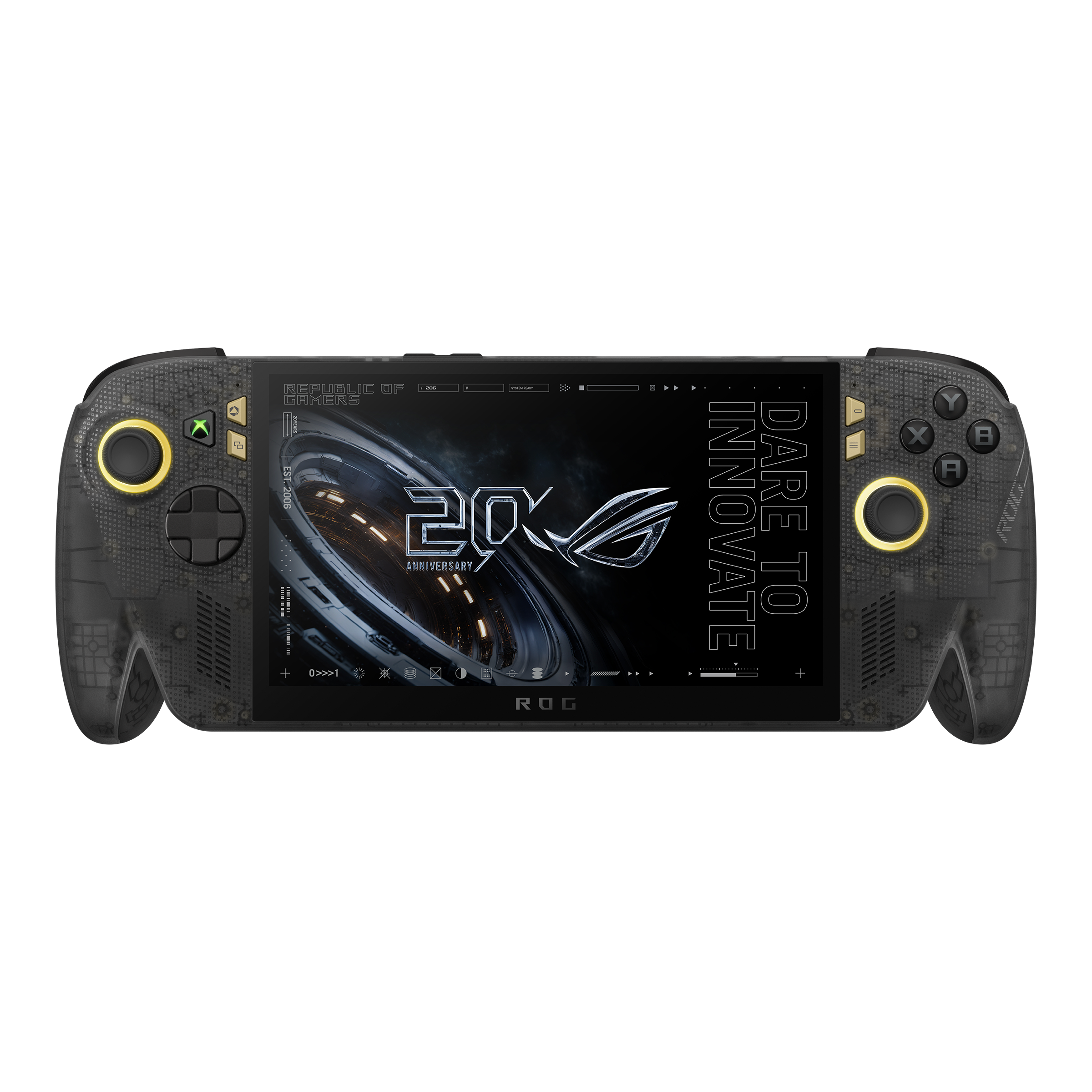
Those specifications describe an OLED and control refresh, not a confirmed GPU-performance upgrade. The shared processor and memory figures provide no basis for promising a large frame-rate improvement. Current Ally X owners should not assume their handheld is obsolete or that moving to X20 is automatically worthwhile. Waiting makes sense for someone who specifically wants OLED Windows hardware and does not need to buy immediately, while performance claims should wait for shipping and reviews.
Prices, configurations, and accessory costs
Valve’s May 2026 price announcement revised Steam Deck OLED to $789 for 512GB and $949 for 1TB. These are announcement references, so the checkout price should be rechecked. ASUS lists the 2025 Ally X at $999.99 for the 24GB and 1TB configuration. Nintendo’s revised Switch 2 system MSRP is $499.99, effective September 1, 2026.
The standalone X20 reference is $1,299.99, separate from the anniversary bundle with glasses and accessories. A current U.S. price for the exact Legion Go 2 Windows SKU was not verified. Lenovo lists different memory and storage configurations, so pairing the cheapest family price with the highest configuration would be misleading. Confirm the exact model, storage, memory, and included accessories before comparing totals.
Storage expansion also differs. Steam Deck OLED, Ally X, and Legion Go 2 use microSD storage. Switch 2 specifies microSD Express for game storage. The storage standard, internal capacity, and cost of a suitable card can change the practical price of a system, particularly for libraries that require large installs.
Shopping checklist and upgrade advice
Start by checking the operating system and the compatibility status of the games you actually play. Then confirm the exact SKU, current checkout price, internal storage, memory configuration, display preference, controls, weight, and accessory requirements. A large screen and detachable controllers may be useful for tabletop play, while a lighter handheld or trackpads may matter more for travel and desktop-style navigation.
Anyone considering AR display glasses should verify compatible USB-C video and power support. Not every USB-C cable carries the required video signal, and a handheld’s USB-C port should not be assumed to support every glasses setup. The glasses are not included in this comparison. This is also a handheld-screen comparison, not a VR-headset comparison.
Which handheld should you buy? Five buyer profiles
These recommendations are our assessment of the documented features, not a hands-on performance ranking. Start with the games you want to play, then decide which compromises you can accept.
Steam Deck OLED: for a Steam-first player who values OLED and trackpads
- Buy it if: Most of your games are on Steam, your must-play titles work well on SteamOS, and you want OLED plus built-in trackpads for pointer-heavy games and menus.
- Consider another option if: A must-have game or launcher requires a Windows setup that you do not want to troubleshoot. Choose compatibility over the screen.
- Before paying: Check compatibility and recent reports for your five most-played games. Compare the current 512GB and 1TB checkout totals rather than assuming the older launch price still applies.
Shopping verdict: A sensible starting point for an existing compatible Steam library, not a blanket recommendation for every PC gamer. Valve specifications.
ROG Xbox Ally X (2025): for Windows players who want a smaller-screen handheld
- Buy it if: You want compatible Windows PC games across storefronts and prefer a smaller device than Legion Go 2. You are comfortable managing Windows updates, launchers, and game settings.
- Consider another option if: OLED or detachable controllers are your main reason to buy. The 2025 Ally X does not provide either.
- Before paying: Confirm the listing is the 2025 Xbox Ally X, not another Ally model. Check each game’s requirements; Xbox branding does not make every Xbox console purchase playable on this PC.
Shopping verdict: Choose it for Windows access and its form factor, not for an assumed console-library entitlement or untested battery advantage. ASUS specifications.
Lenovo Legion Go 2: for large-screen and tabletop play
- Buy it if: A large OLED screen and detachable controls matter more than low weight. Your typical session is on a sofa or at a table, where you can support the device instead of holding it throughout.
- Consider another option if: You mainly play standing on a commute or want the lightest bag. Its size and weight deserve an in-person comfort check.
- Before paying: Verify the exact Windows configuration, RAM, storage, current U.S. price, and included accessories. Do not compare a base-model price with the highest-spec configuration.
Shopping verdict: Pay for the larger display and flexible controls only if you will actually use them; it is not automatically the best portable choice. Lenovo specifications.
Nintendo Switch 2: for Nintendo games, not a portable Steam library
- Buy it if: The Nintendo games you want are the main purchase reason, and you want handheld and docked television play within that ecosystem.
- Consider another option if: Your goal is to play an existing Steam PC library without buying into a separate game ecosystem. Switch 2 does not install those PC games.
- Before paying: Make a list of the games you will buy, check compatibility for any Switch titles you own, and include extra controllers or microSD Express storage only if needed.
Shopping verdict: Compare the cost of the system plus your intended games, not just the console price against a PC handheld. Nintendo specifications.
ROG Xbox Ally X20: for an OLED Windows buyer who can wait
- Wait for reviews if: You specifically want the documented OLED and control changes in a Windows handheld and do not need a device immediately.
- Do not upgrade on specifications alone if: You already own the 2025 Ally X and mainly want higher frame rates. The shared processor does not establish a meaningful performance upgrade.
- Before paying: Confirm shipping availability, the standalone-versus-bundle contents, and independent game-performance, runtime, heat, and comfort testing after release.
Shopping verdict: As of October 8, 2026, this is a wait-and-evaluate option, not a tested recommendation to replace an existing handheld. ASUS specifications.
If you are still undecided: Write down your five must-play games and eliminate devices that cannot run them in the way you need. Then set a total budget including games, storage, and necessary accessories. If your current handheld already meets those needs, keeping it is a valid choice; a newer screen or a higher specification alone is not a reason to spend.
For official details, see Valve’s OLED specifications, Valve’s May 2026 price revision, ASUS’s 2025 Ally X specifications and U.S. listing, and the Xbox Ally launch announcement. Lenovo’s information is covered by its Windows family specifications and availability announcement. For Nintendo, see the Switch 2 specifications and revised U.S. MSRP. ASUS’s X20 details are in its specifications and price and U.S. preorder and on-sale announcement.
For the glasses-related checks, see AR display glasses compared for gaming and travel and AR glasses not showing a picture: USB-C video, cables and adapters.
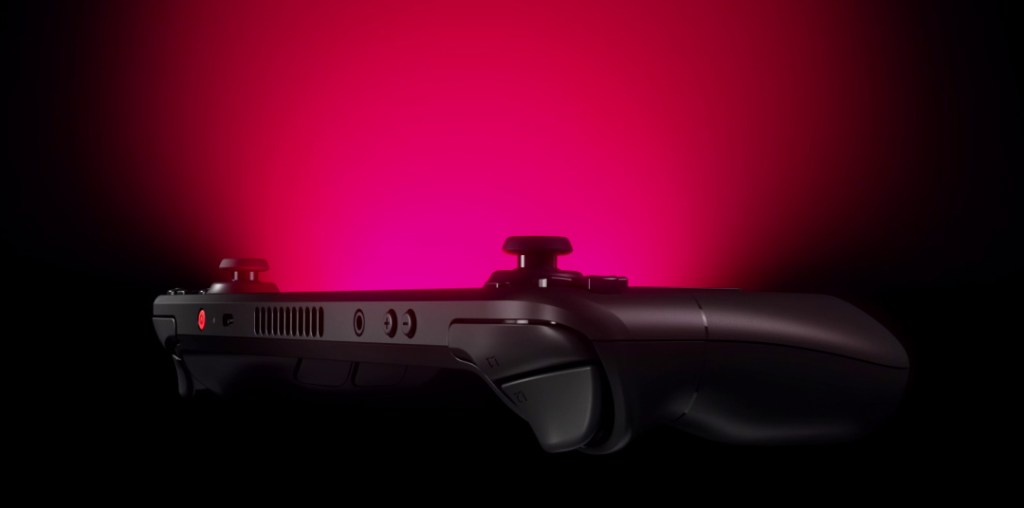
Cover: Steam Deck OLED official Valve artwork; one of the compared handhelds. Official artwork source. Specifications and availability checked October 8, 2026. Prices and compatibility can change.