
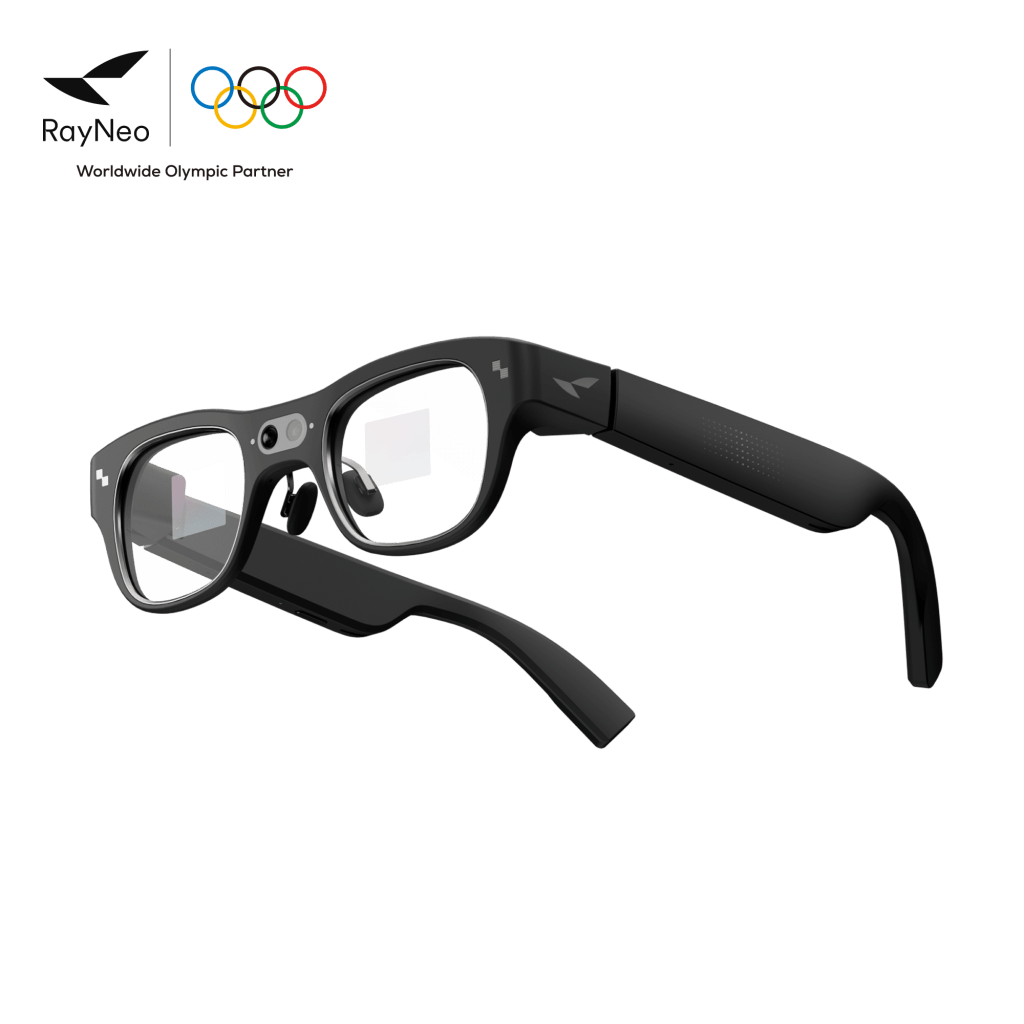
August 20, 2026: Today’s smart-glasses news shows how broad the category has become. One report focuses on an affordable pair built around a camera, recognition tools, translation, audio, and voice assistance. Another describes how smart glasses are helping a blind user with everyday information and navigation. Elsewhere, privacy concerns sit beside a market report about growth, while Sharge presents a comfort-first AI glasses strategy.
A low-cost pair puts camera AI in ordinary-looking frames
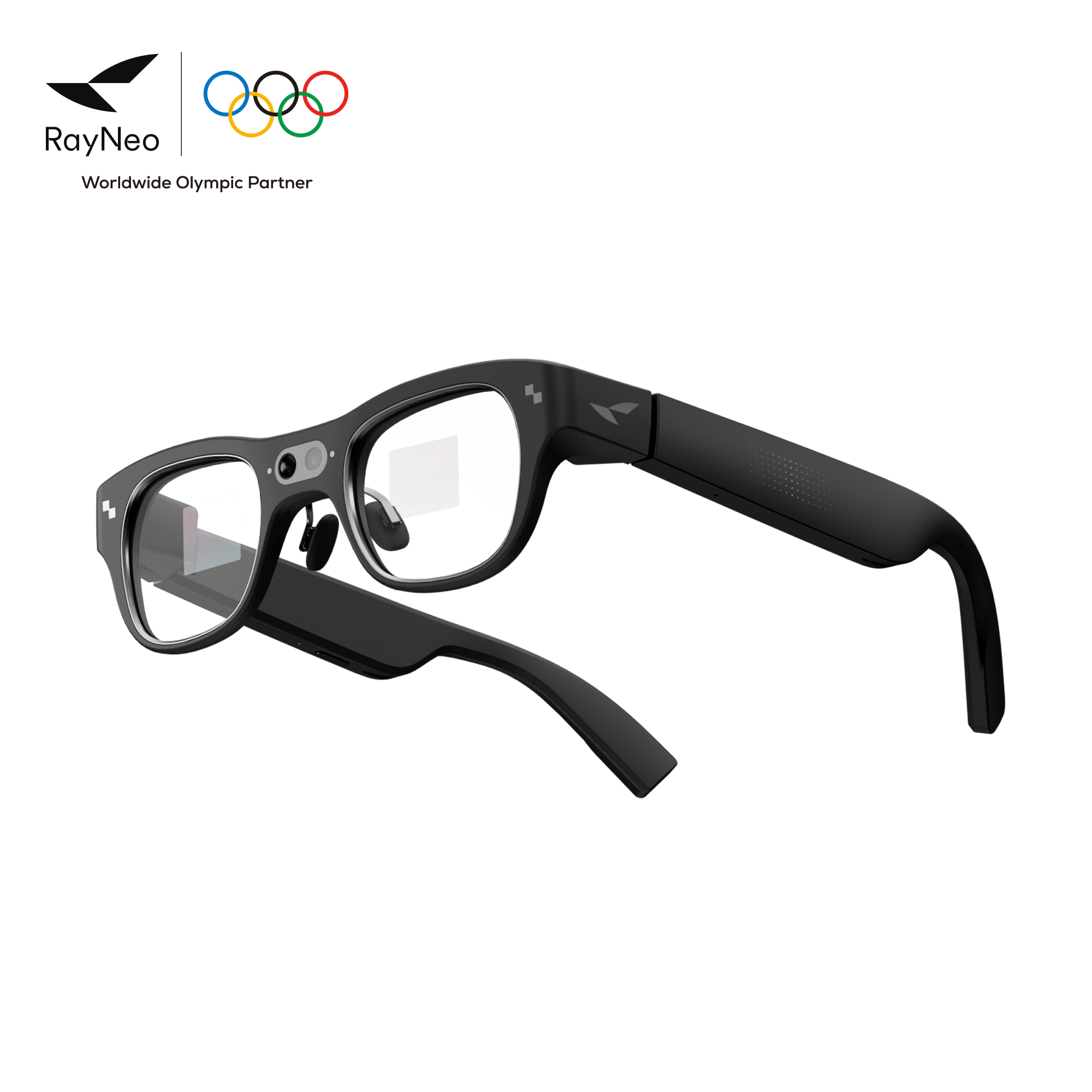
Digital Trends led with a new pair of $99.99 AI smart glasses that combines a 12MP Sony camera, visual recognition, live translation, open-ear audio, and voice assistance. The frames are described as ordinary-looking, which places familiar eyewear styling alongside functions associated with phones, cameras, and voice assistants.
The product’s appeal is the way those capabilities are assembled. Visual recognition is intended to help the glasses interpret what the wearer is seeing, while live translation addresses language encountered in the surrounding environment. Open-ear audio provides a way to hear responses without covering the ears, and voice assistance gives the wearer a hands-free interface.
The headline says the glasses can “see, listen, and translate the world around you,” but the supplied report does not provide an independent test of those capabilities. What it does establish is the product’s feature mix and its positioning as a relatively inexpensive entry into camera-based AI eyewear.
That positioning also makes the design questions important. Buyers considering this type of product will need to weigh the usefulness of camera and assistant functions against the experience of wearing a device that can capture information from its surroundings. The glasses may look conventional, but their role is much closer to a connected computer worn on the face.
Source: $100 smart glasses can now see, listen, and translate the world around you
For one blind user, the value is in routine tasks
The BBC report centers on Kevin Ramsey, a blind man from Suffolk, who says smart glasses have been a “game-changer.” He says the glasses can read menus to him and help him track walking routes.
Those examples give the technology a practical shape. Reading a menu is a small but meaningful information task: the wearer can access written details without relying on another person to read them aloud. Tracking a walking route connects the glasses to movement through a real environment rather than to a demonstration conducted at a desk.
Ramsey’s experience is a personal account, not evidence that every blind or visually impaired user will have the same results. Even so, it shows why specifications alone do not explain the appeal of AI glasses. A camera, recognition system, audio output, and voice interface can become useful when they reduce friction in ordinary activities.
The report also places accessibility within the wider conversation about camera-equipped eyewear. The same kind of visual input that can help a wearer interpret a menu may involve capturing images of public or private surroundings. Benefits for the wearer therefore exist alongside questions about consent and the people who appear in the glasses’ field of view.
Source: Blind Suffolk man says smart glasses have been game-changer
Privacy is part of the product experience
RNZ examined the privacy risks associated with smart glasses that can capture video, photos, and audio. The report notes that the eyewear has been used to record people secretly and asks whether this could mean “the end of privacy as we know it.” The supplied evidence does not support treating that question as a settled conclusion.
It does support a direct concern for buyers and for everyone nearby. Smart glasses can resemble ordinary frames while carrying recording capabilities. That appearance may make it difficult for another person to know when a camera or microphone is active, particularly in casual settings where people do not expect to be recorded.
Privacy is therefore not separate from the glasses’ usefulness. Camera-based features depend on sensing the wearer’s surroundings, and that can include other people, written material, or places where recording may be unwelcome. A product can be convenient for its owner while still changing the expectations of those sharing the same space.
The privacy question also differs from a general warning about technology. It is tied to the physical form of the device, the visibility of its recording status, and the circumstances in which the wearer uses it. Anyone considering camera-first AI glasses should treat those issues as part of deciding whether the format suits their routines.
Source: Are smart glasses putting our privacy at risk?
Sharge emphasizes comfort and active AI memory
On August 18, Sharge unveiled its loomys L1 AI glasses in Wuhan. The product was presented around titanium construction, all-day comfort, and active AI memory rather than around camera specifications. The reported starting price was 2,699 yuan.
This gives the loomys L1 a different emphasis from the camera-led product covered by Digital Trends. The story presents Sharge as rebuilding its approach around fashion and extended wear, with active AI memory positioned as a central part of the product. Those are the priorities described in the report; the supplied material does not independently verify how the features perform in daily use.
Founder Zhang Bo said AI glasses should replace everyday optical glasses, not phones. That view frames the product as ordinary eyewear first: something intended to become part of a person’s normal visual routine rather than a phone replacement worn on the face.
The launch was also discussed in light of the A1 setback, which cost the company its first product cycle. That background helps explain the renewed focus on comfort, fashion, and memory. It does not establish whether the loomys L1 will succeed, but it does show the direction Sharge says it is taking with the new glasses.
Growth does not mean one standard design
A separate market report describes continued growth for the global smart-glasses market and presents a forecast extending into the future. The supplied material gives that report’s estimates and forecast, but those figures should be understood as market projections rather than guaranteed outcomes.
The more useful takeaway is the variety of products grouped under the same label. AI camera glasses use cameras, recognition, audio, and assistants to interpret or respond to the wearer’s surroundings. Wearable display glasses use screens to present content in front of the wearer. Full AR products pursue a broader combination of digital information and the physical environment, while display-less designs focus on functions without putting an image directly in the wearer’s view.
The packet also distinguishes display glasses as a path toward more private screen time for travel, gaming, and work, with less emphasis on social capture. That is a category-level distinction, not a rule that applies identically to every product. The important point is that camera glasses and display glasses solve different problems.
That distinction matters when comparing products. Someone interested in translation, visual recognition, and voice assistance may be looking for a camera-first device. Someone seeking a large virtual screen for entertainment or work may care more about display hardware. A comfort-led AI product adds another interpretation of the category, centered on wearing the glasses as part of everyday life.
Source: Smart Glasses Market Growth 2026: Why AI, AR and Display-Less
Continue Reading
These guides offer optional background on the main smart-glasses categories and buying questions.
Sources
- $100 smart glasses can now see, listen, and translate the world around you – Digital Trends
- Blind Suffolk man says smart glasses have been game-changer – BBC
- Are smart glasses putting our privacy at risk? – RNZ
- Smart Glasses Market Growth 2026: Why AI, AR and Display-Less – openPR.com
- Sharge Launches loomys L1 AI Glasses: Titanium, All-Day Comfort, Active AI Memory From 2,699 Yuan – Pandaily

 PlayTechDeep VR