
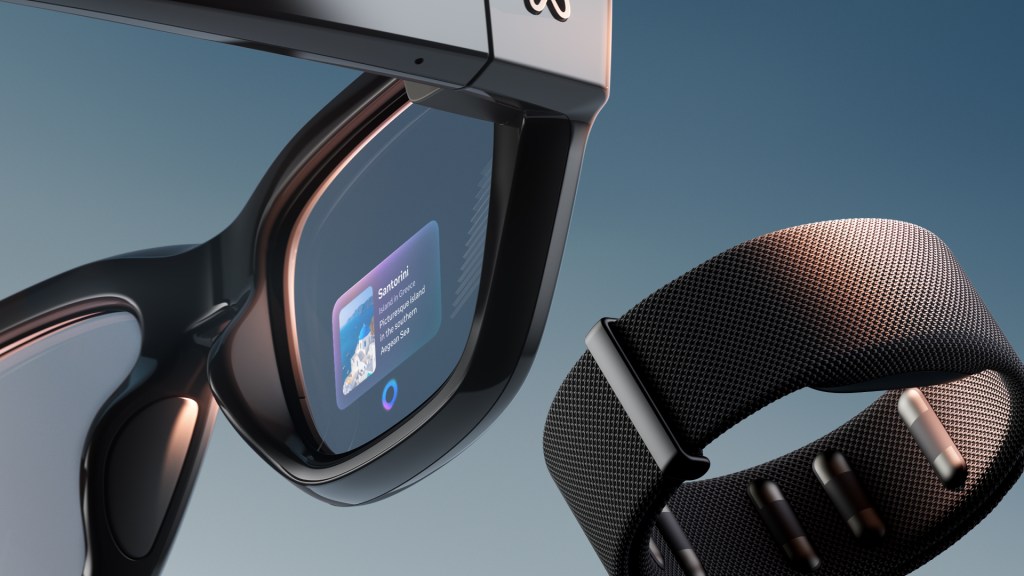
August 19, 2026: Today’s smart-glasses coverage moves between everyday convenience, workplace experimentation and privacy restrictions. CNET highlights five possible uses for Ray-Ban Meta AI glasses, including travel, DIY projects and cheering from the sidelines. NBC Boston reports an allegation involving smart glasses at Boston’s Frog Pond. Separate reports describe Meta glasses entering a dealership workflow while ICE bars employees from using them on duty.
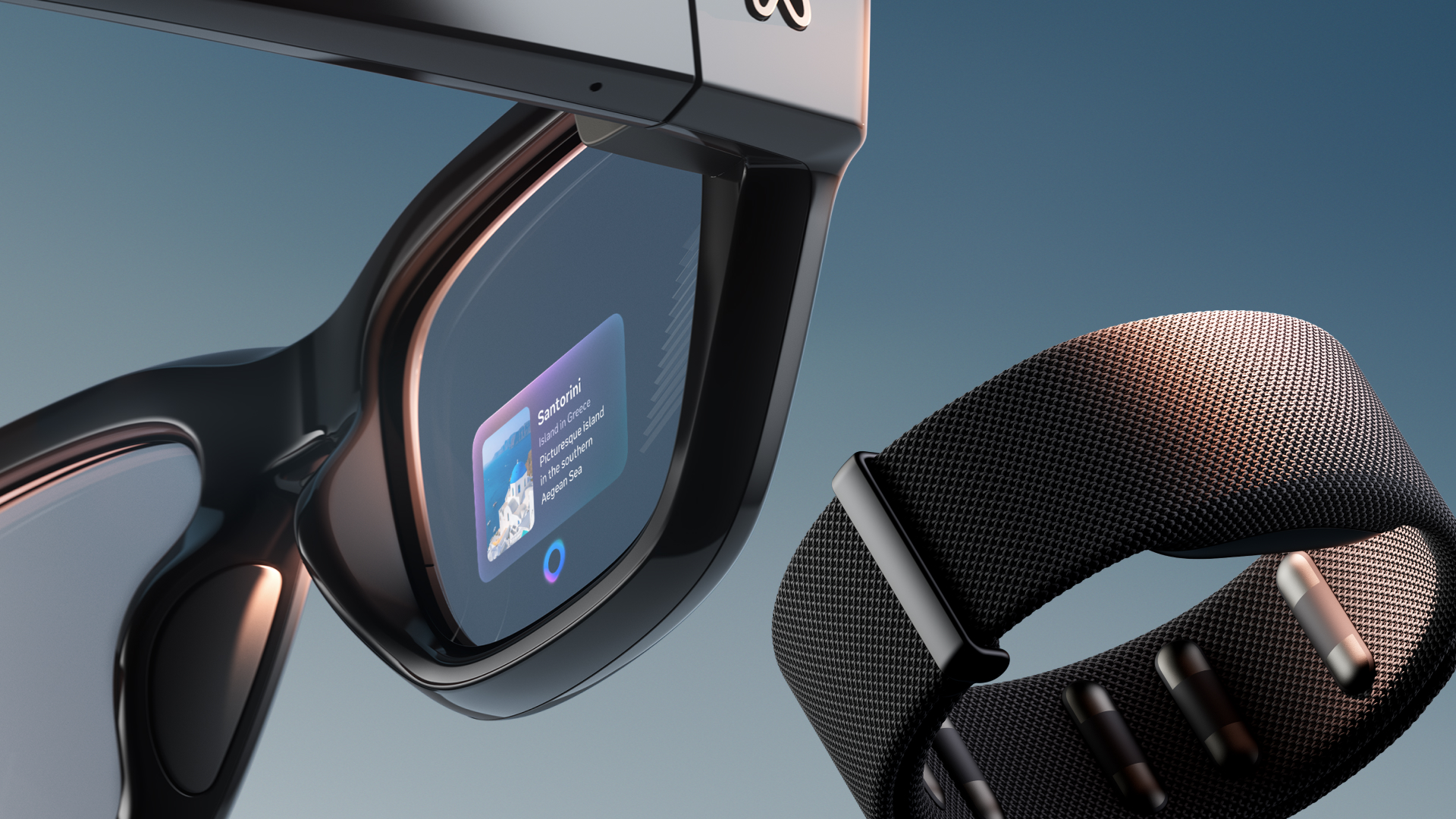
Ray-Ban Meta’s everyday appeal remains central
CNET’s report, What Can Ray-Ban Meta AI Glasses Do? 5 Use Cases for Your Everyday Routine, presents the glasses through familiar activities rather than through technical specifications. The examples supplied here include traveling, tackling a DIY project and cheering from the sidelines. The common thread is hands-free assistance during moments when a person may prefer to keep attention on the activity instead of reaching for another device.
That framing helps explain why Ray-Ban Meta glasses remain a mainstream reference point in the smart-glasses conversation. Their appeal, as described by the CNET coverage, is tied to practical routines: the glasses are positioned as something that can simplify everyday tasks while the wearer continues moving through the day.
The usefulness of camera-equipped AI glasses also makes context important. Travel, home projects and public activities do not all involve the same expectations about recording or interaction with other people. A hands-free feature may be convenient for the wearer, but the surrounding setting still shapes how the device is received and used.
Source: What Can Ray-Ban Meta AI Glasses Do? 5 Use Cases for Your Everyday Routine
Boston report puts recording concerns in sharper focus
NBC Boston reports that a registered sex offender is accused of using smart glasses and a cellphone to record children playing at Boston’s Frog Pond. The supplied report describes an accusation, not a finding of guilt, so the allegation should be treated accordingly.
The item is relevant to the broader product discussion because smart glasses can combine an ordinary eyewear form with a camera. That combination raises questions about how recording is recognized and understood in shared spaces. It also shows why the label “smart glasses” is not specific enough on its own to explain a device’s practical or privacy implications.
Camera-first AI glasses, wearable displays and full AR products belong to a broad category, but they are not interchangeable. The source packet does not provide a feature-by-feature comparison among those groups. It does establish that privacy concerns are becoming part of the public conversation around glasses that can record, particularly when other people are present.
Source: Sex offender accused of recording kids with smart glasses at Boston park
Dealership workflow shows a different kind of adoption
CardinaleWay Hyundai & Genesis of Mountain View announced that it had become the first dealership to integrate Meta AI glasses into its digital multi-point inspection workflow. The supplied description is abbreviated and does not explain the specific steps involved, so the evidence supports the existence of the announced integration without establishing how employees use the glasses in practice.
Even with that limitation, the announcement places Meta AI glasses in a professional setting rather than only in personal routines. It adds workplace experimentation to the same day’s consumer-focused coverage. The contrast is notable: one report presents hands-free glasses as a way to support a work process, while the ICE reports describe restrictions on their use by government employees.
The “first dealership” wording belongs to the announcement’s stated description. It should be read as the company or release claim supplied by PR Newswire, rather than as an independently confirmed ranking of every dealership using smart glasses.
ICE restrictions underscore the privacy divide
One report says ICE has barred employees from using Meta smart glasses because of privacy concerns after personnel were repeatedly seen wearing them while carrying out their work. The supplied account makes privacy the stated reason for the restriction.
A separate report says ICE banned staff from wearing Ray-Ban Meta glasses while the Department of Homeland Security pursues its own $7.5 million biometric-glasses program. Taken together, the two reports describe a divided institutional picture: Meta’s consumer glasses face limits in an official workplace, while the broader government interest in biometric glasses continues in the supplied coverage.
These reports do not establish that all smart glasses are treated alike, nor do they describe the technical design or status of the DHS program beyond the supplied claim. They do show that the setting in which glasses are used matters. A device that may be considered useful for hands-free consumer tasks can raise different questions when worn during government work involving members of the public.
For buyers, privacy is therefore part of the category distinction, not a separate issue added after the feature list. The relevant questions include whether the glasses are camera-first, whether they function primarily as a display and what expectations apply in the places where they will be worn.
Source: ICE bars employees from using Meta smart glasses over privacy concerns
Source: ICE bans staff from wearing Ray-Ban Meta glasses while DHS builds its own
What today’s reports establish for the category
The supplied coverage does not point to one simple verdict about smart glasses. Ray-Ban Meta AI glasses are presented as tools for travel, DIY work and sideline viewing. A dealership announcement places Meta AI glasses in a digital inspection workflow. The Boston report illustrates the seriousness of recording concerns, while the ICE reports show that privacy rules can limit use in official settings even as biometric-glasses development remains part of the government story.
The clearest takeaway is that product type and setting should be considered together. A camera-first AI device raises different questions from an AR display intended for movies or gaming. A consumer routine differs from a dealership inspection process, and both differ from government work. The source packet supports those distinctions without supplying enough detail to rank the products or assess the unreported technical specifics of any program.
Readers comparing devices can use the linked guides below to separate the major smart-glasses categories and understand where Ray-Ban Meta fits within that broader field.
Continue Reading
These guides offer broader context for comparing smart glasses, AI eyewear and AR displays.
Sources
- What Can Ray-Ban Meta AI Glasses Do? 5 Use Cases for Your Everyday Routine — CNET
- Sex offender accused of recording kids with smart glasses at Boston park — NBC Boston
- CardinaleWay Hyundai & Genesis of Mountain View Becomes First Dealership to Integrate Meta AI Glasses into Its Digital Multi-Point Inspection Workflow — PR Newswire
- ICE bars employees from using Meta smart glasses over privacy concerns — HR Katha
- ICE bans staff from wearing Ray-Ban Meta glasses while DHS builds its own — BetaNews

 PlayTechDeep VR