August 15, 2026: The day’s smart-glasses stories point to a trust problem that may reach beyond camera-equipped products. Tom’s Guide warns that privacy concerns around recording glasses could make public use harder even for display-only specs, while Forbes argues that Meta’s weak bystander safeguards risk turning a product breakthrough into a broader trust issue.
Privacy is becoming a category-wide trust problem
The concern described by Tom’s Guide is not limited to whether a particular pair of glasses can record. It is also about how people may react to glasses that look ordinary but include cameras. If camera-equipped products make bystanders suspicious, that discomfort could affect the public reception of glasses that only place information in front of the wearer.
That is the important distinction in the report’s headline. Display-only specs follow a different path from camera glasses: they are centered on private screen time and can serve uses such as travel, gaming, and work without the same visible recording question. Yet the public may not always separate those categories at a glance.
Source: I’m worried ‘pervert glasses’ are going to ruin all smart glasses — even display-only specs
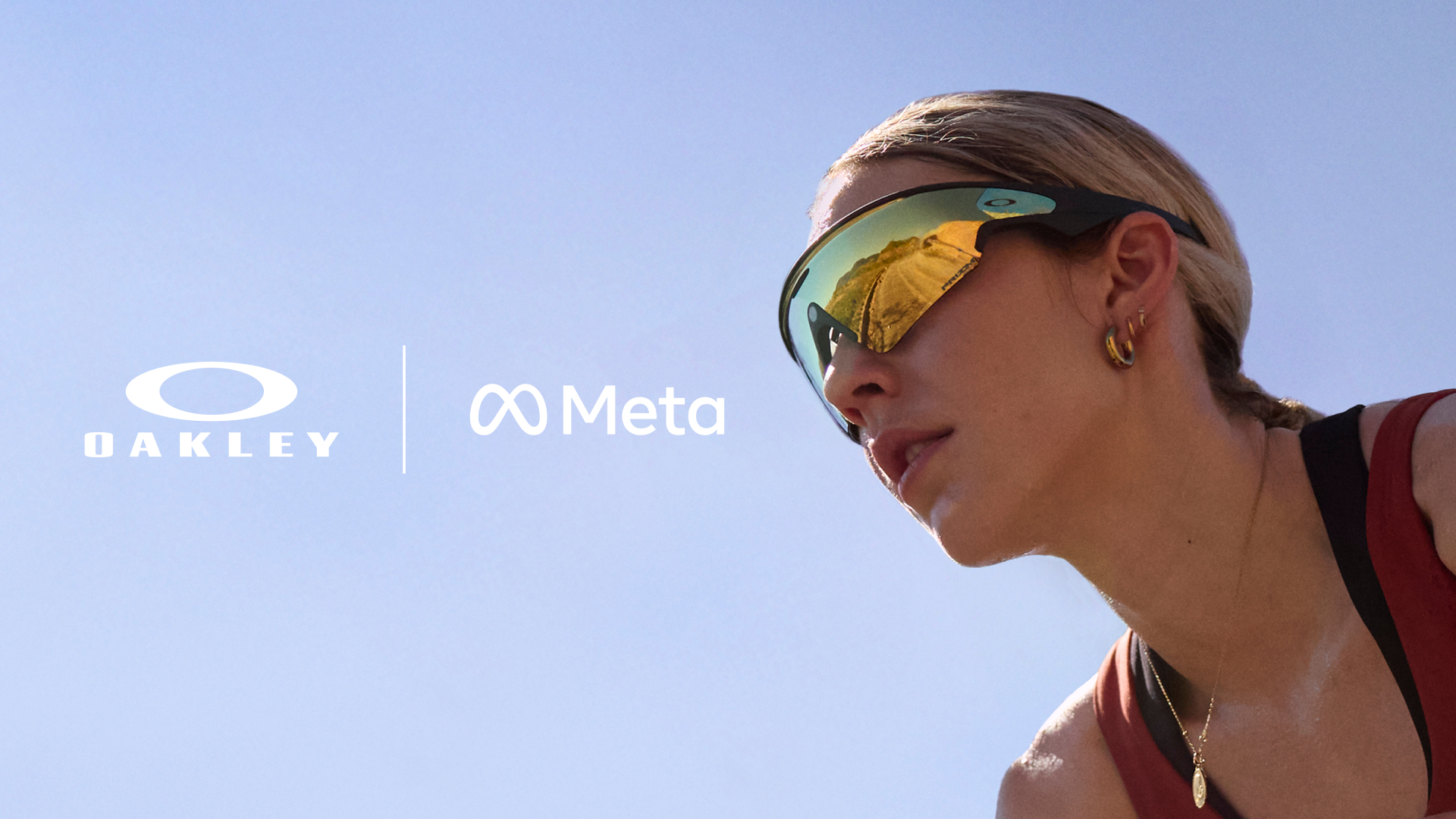
Forbes frames the Meta story in similar terms, focusing on trust rather than privacy as a background product concern. Meta helped make smart glasses look normal, but the report characterizes its bystander safeguards as weak. That does not establish a backlash, but it presents one as a risk if people feel that recording transparency has not kept pace with adoption.
For camera-first AI glasses, privacy is therefore becoming one of the main questions surrounding the category. The issue is not only what the wearer can do, but whether people nearby understand what is happening and feel comfortable sharing public space with the device.
Source: Why Meta’s Smart Glasses Privacy Problem Is Becoming A Trust Problem
Gaze data creates a less visible privacy frontier
The Campaign India report expands the conversation beyond visible cameras and bystander recording. It describes gaze data as a potential opportunity for advertising while also raising questions about privacy, consent, and surveillance.
Gaze is different from a recording light or a camera pointed toward the world because it concerns the wearer’s interaction with information. What attracts attention, how long someone looks, and what they repeatedly notice could become valuable if smart-glasses systems collect and interpret those signals. The report presents that value as a possibility, not as a confirmed commercial result.
That distinction matters. A display can feel personal because only the wearer sees it, but the data generated through that display may raise a separate set of concerns. Consent becomes harder to evaluate when the relevant information is not a conventional photograph or spoken command. The more smart glasses understand attention, the more important it becomes to ask who can access that understanding and how it might be used.
Source: Gaze data: Smart glasses open new frontiers for ads and expose new risks for privacy
Even Realities G2 shows the camera-free alternative
The Even Realities G2 review provides a useful counterpoint to the camera-first discussion. These are productivity-focused smart glasses that leave out POV cameras and instead use microdisplays alongside AI organization features. That places the product closer to wearable displays than to camera-led AI glasses or full AR products.
The appeal is straightforward: the glasses are aimed at helping with office work while keeping the display as the central experience. A camera-free design can also make the social question easier to explain. The wearer is looking at information, not necessarily capturing a view of the room.
Still, the review does not present the productivity concept as automatically successful. Its assessment is a rough draft of AI’s wearable workwear future, with the organizational features making sense when they deliver. That qualification is important because a different privacy profile does not remove the need for the product to be useful, reliable, and clear about what its AI can actually do.
The G2 consequently helps clarify the market split. AI camera glasses, display-led wearables, and full AR products may all be called smart glasses, but they create different expectations in public and different reasons to buy. Privacy is one of the lines separating them, not the only one.
A patent hints at a possible recording safeguard
The Apple patent report points toward one possible response to recording-transparency concerns: a private audio alert intended to indicate when recording is taking place. If such an approach were ever used in future smart wearables, it could give people nearby another signal beyond a visible indicator.
But this remains a patent hint. It is not an announced feature, a confirmed development, or an available solution. Nor does an audio alert by itself settle the larger questions raised by camera glasses, including public comfort, bystander consent, and how companies handle data. It is best understood as a sign of the design problem manufacturers may be trying to address.
Source: Apple Glasses Privacy Upgrade Could Solve a Major Smart Glasses Recording Problem
Continue Reading
For optional buying context, these guides cover the product categories and models connected to today’s stories.
Sources
- I’m worried ‘pervert glasses’ are going to ruin all smart glasses — even display-only specs — Tom’s Guide
- Why Meta’s Smart Glasses Privacy Problem Is Becoming A Trust Problem — Forbes
- Gaze data: Smart glasses open new frontiers for ads and expose new risks for privacy — Campaign India
- Even Realities G2 A.I. Smart Glasses Review: A Rough Draft of A.I.’s Wearable Workwear Future — Popular Mechanics
- Apple Glasses Privacy Upgrade Could Solve a Major Smart Glasses Recording Problem — Techgenyz