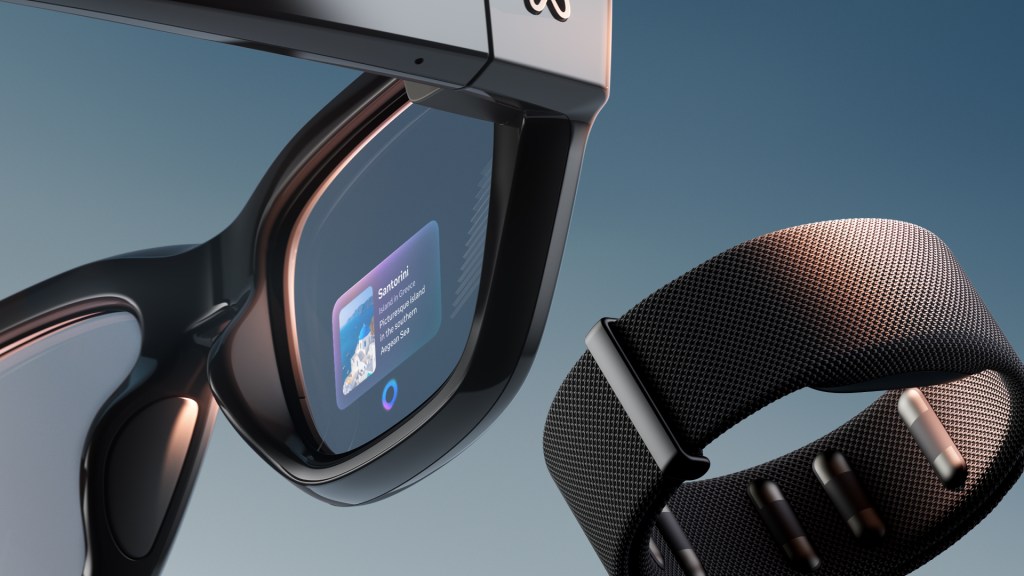
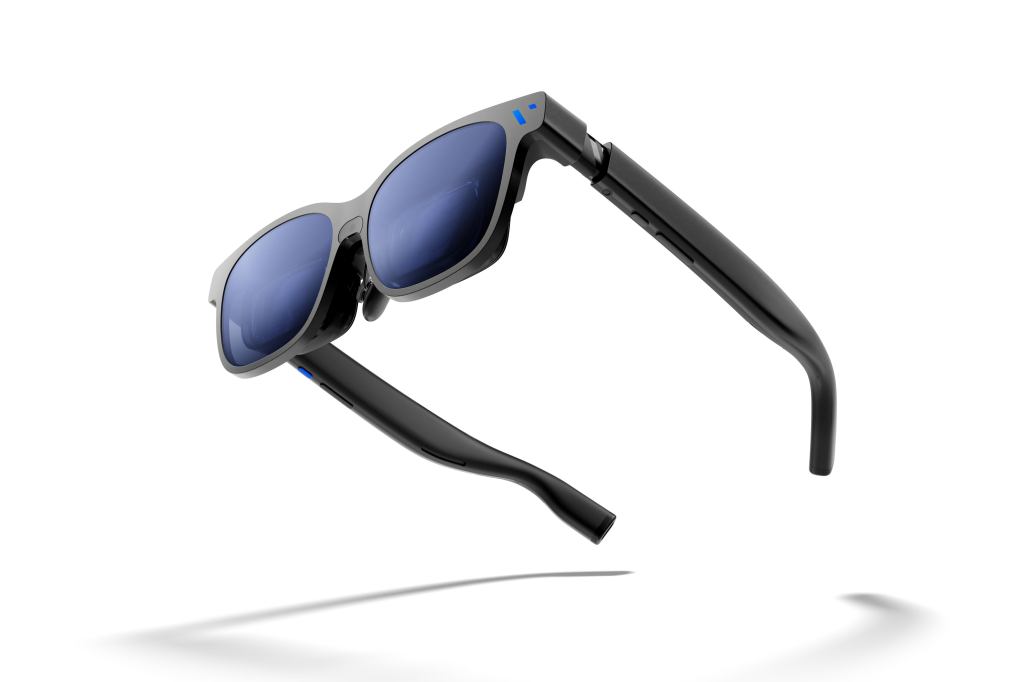
August 06, 2026: VITURE is releasing its $299 Pro 2 smartglasses alongside a more compact $99 Mobile Dock Mini. The launch gives today’s smart-glasses discussion a clear display-focused angle, while separate reporting about Apple and Meta keeps privacy and public acceptance in view.
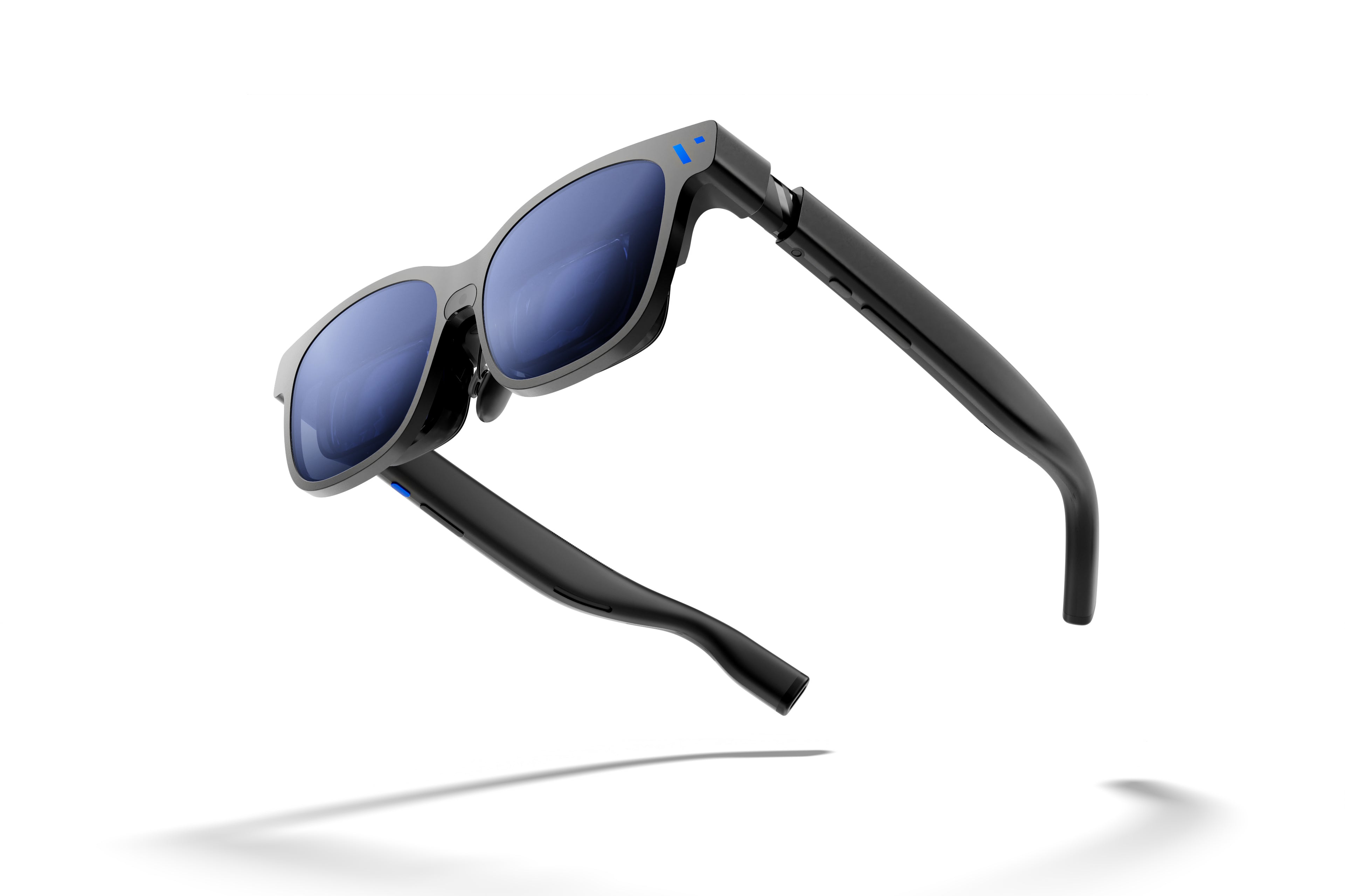
VITURE Pro 2 targets private viewing
Engadget describes the $299 Viture Pro 2 as the company’s lightest and most comfortable smartglasses yet. VITURE is also introducing the Mobile Dock Mini, a more compact accessory priced at $99. Notebookcheck’s report similarly presents the Pro 2 as an affordable XR option with a relatively lightweight design and bright displays.
Those details place the Pro 2 in the display-glasses lane. Its central appeal is private screen time rather than social capture: the wearer can use the glasses for travel, gaming, or work. The Mobile Dock Mini extends that setup with a smaller companion device, making the launch about the surrounding viewing experience as well as the frame itself.
That distinction matters when comparing products sold under the broad smart-glasses label. Display glasses and camera-first AI glasses address different needs. For the Pro 2, buyers will naturally focus on factors such as display brightness, comfort, portability, and how easily the glasses fit into a gaming or travel routine. The available reports support those product characteristics, but do not establish additional specifications or performance results.
Source: The $299 Viture Pro 2 Are The Company's Lightest And Most Comfortable Smartglasses Yet
Gaming remains a major display-glasses use case
The ROG XREAL R1 review connects AR display glasses with gaming hardware. The supplied description identifies ASUS’s ROG line as a leading gaming-hardware brand and XREAL as a leading augmented-reality smart-glasses brand. It does not provide enough evidence to make claims about the R1’s specifications, comfort, image quality, or review score.
Even with that limited information, the product helps show why display glasses are not interchangeable with camera-and-audio wearables. Gaming-oriented glasses are considered through the private viewing experience: where the screen fits into a player’s setup, how it supports personal content consumption, and whether the form factor suits the intended routine. The Pro 2’s launch points toward the same broad use case through its XR positioning, lightweight design, and bright-display description.
Shoppers evaluating these products should therefore identify the primary activity first. A pair intended for gaming and private viewing should be assessed on display and wearing considerations, while a camera-first pair raises a different set of questions about capture, audio, artificial intelligence, and use around other people.
Source: ROG XREAL R1 AR Gaming Glasses (Hardware) – Review
Apple’s reported delay keeps privacy in focus
Mashable reports that Apple is said to be delaying its smart-glasses launch after backlash involving Meta. The report also places a rumored Apple debut around WWDC 2027, but the timing remains unconfirmed. That distinction is important: the available evidence describes reported plans and a possible delay, not a confirmed launch date.
The story matters because Meta’s glasses have become a mainstream reference point for the category. Reviews and buying discussions now commonly raise questions about prescription models, feature changes, and the social implications of camera-equipped eyewear. Those questions can affect how shoppers understand any future entrant, including one from Apple.
For camera-first AI glasses, privacy is not limited to whether the wearer can take a picture or use audio features. The product is also present in shared spaces, where other people may want to know when a camera is active and what the glasses are capable of. Public distrust connected to Meta’s products can therefore shape the reception of smart glasses more broadly. That is a conclusion about the market conversation, not a confirmed statement of Apple’s strategy.
Source: Apple said to delay smart glasses launch after Meta backlash
One category now covers several different products
The broader smart-glasses market is becoming easier to understand when separated by purpose. Display glasses such as the VITURE Pro 2 are centered on a private visual experience. Gaming-focused products associated with XREAL fit within that same display-oriented discussion. Camera-first AI glasses make a different proposition, combining features such as audio, social capture, and connected assistance.
The Cool Down’s report frames buyers as weighing audio, displays, and privacy tradeoffs as smart glasses multiply. That framing is useful because it avoids treating the category as a single contest in which every product has the same strengths. A bright display answers a different need from hands-free audio, and a private viewing experience creates different social questions from an outward-facing camera.
For display glasses, the supplied VITURE reports give buyers a concrete starting point: the Pro 2 is priced at $299, is described as relatively lightweight, and is promoted through claims about comfort and bright displays. The $99 Mobile Dock Mini is a separate part of the launch and offers a more compact companion option. Those facts help define the product’s position without implying that the glasses are the best choice for every shopper.
For camera-first products, privacy becomes a central part of the decision. The practical issue is how the glasses are perceived and used in public, not simply which features appear on a specification sheet. Meta’s visibility and the reported Apple delay keep that concern active, while the broader market discussion continues to compare audio, displays, and privacy rather than reducing the decision to one headline feature.
The result is a market with overlapping names but distinct product experiences. Someone looking for a wearable display for movies, games, travel, or work should begin with display-oriented comparisons. Someone interested in AI assistance, audio, or social capture should examine a different group of tradeoffs. Separating those paths makes the current announcements easier to interpret.
Source: As smart glasses multiply, buyers are weighing audio, displays, and privacy tradeoffs
Continue Reading
These guides provide additional context for comparing smart-glasses types and display-focused products.
Sources
- The $299 Viture Pro 2 Are The Company's Lightest And Most Comfortable Smartglasses Yet – Engadget
- Viture intros affordable Pro 2 XR glasses with lightweight design and bright displays – Notebookcheck
- ROG XREAL R1 AR Gaming Glasses (Hardware) – Review – MKAU Gaming
- Apple said to delay smart glasses launch after Meta backlash – Mashable
- As smart glasses multiply, buyers are weighing audio, displays, and privacy tradeoffs – The Cool Down