August 04, 2026: Samsung Electronics reportedly plans to introduce its “Intelligent Eyewear” AI glasses in the second half of 2026, with privacy safeguards at the center of the company’s approach, according to Businesskorea. The report provides limited product detail, but its emphasis is notable: Samsung’s glasses are being discussed alongside privacy rather than only artificial intelligence or design.
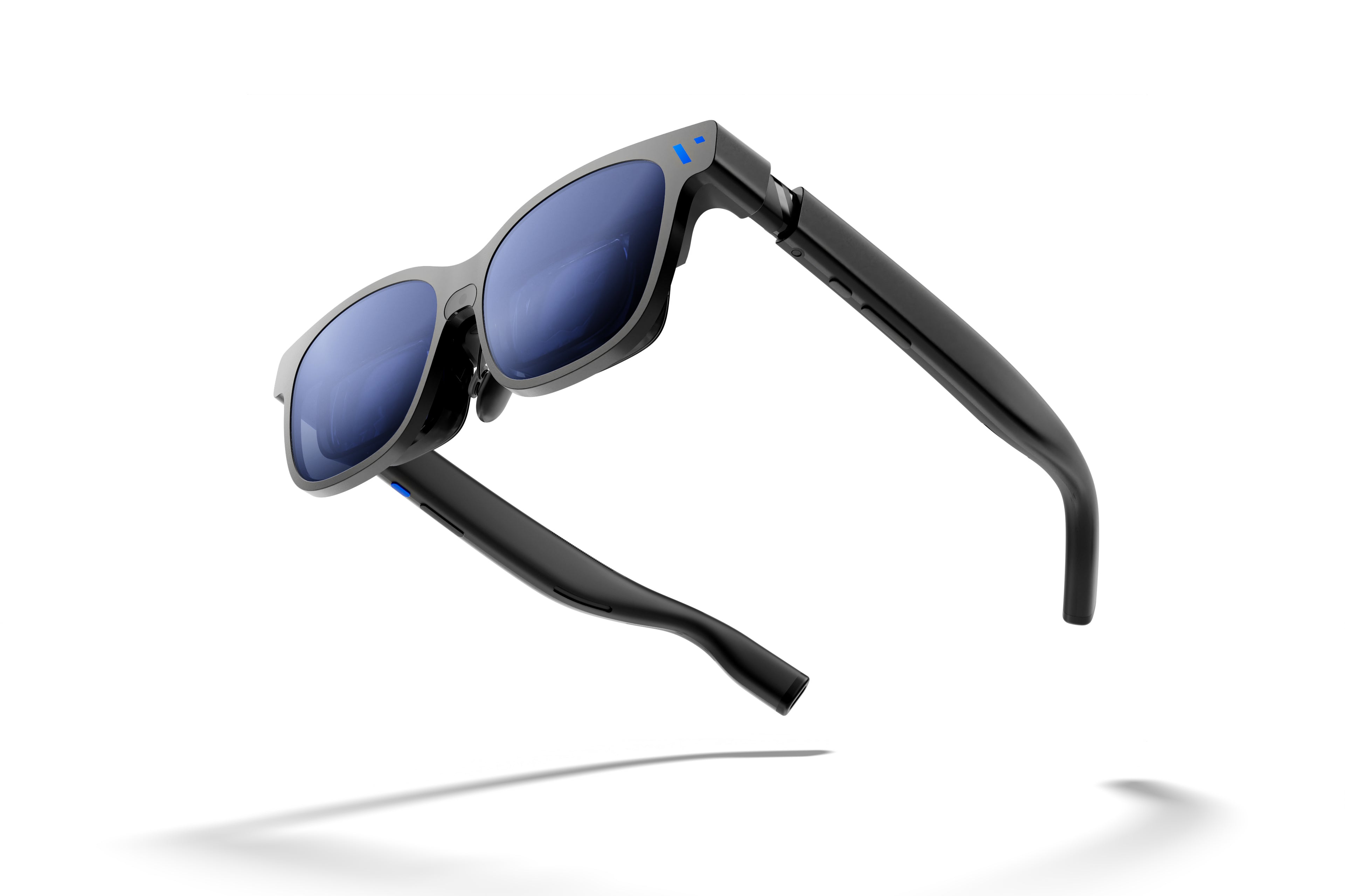
Samsung puts privacy at the center of its AI-glasses plans
Businesskorea’s report describes Samsung’s upcoming product as “Intelligent Eyewear” and places its introduction in the second half of 2026. That is a reported plan, not a confirmed launch date or a complete product announcement. The available reporting does not establish the glasses’ features, availability, or the specific safeguards Samsung intends to use.
Even with those details still unknown, the framing matters. Samsung is reportedly treating privacy as a central part of the product’s development. For a category that can combine cameras, microphones, artificial intelligence, and an always-worn form factor, that focus gives the company’s future announcement a clear question to answer: how will the glasses behave around people who are not wearing them?
Read the Businesskorea report on Samsung’s reported AI-glasses plans.
Low-cost camera glasses keep the privacy debate visible
The same concern appears in coverage of Kmart’s $89 Anko smart glasses. Tech expert Trevor Long says the product exposes privacy gaps and argues that banning one product would not stop camera wearables from spreading. His assessment is expert commentary, rather than a demonstrated finding established by the supplied reporting, but it places an inexpensive camera wearable in the same broader conversation as Samsung’s reported privacy safeguards.
The pairing is useful context for readers watching the category develop. Samsung’s product is a future reported plan with limited public detail, while the Kmart glasses show how camera-equipped wearables can enter the market at a comparatively low price. Together, the reports suggest that privacy may become one of the key buying questions around camera-first AI glasses, although the packet does not establish how consumers will ultimately weigh that concern.
Read the report on Trevor Long’s privacy assessment of Kmart’s Anko smart glasses.
Apple’s reported health ambitions extend beyond entertainment
Apple’s future glasses and headsets could also move into health and fitness. Bloomberg’s Mark Gurman reports that Apple wants those products to serve health and fitness functions. He has also connected that ambition to the early development of Vision Pro, when Apple considered a number of ambitious health and fitness features for the headset.
That history gives the latest reporting some context without turning it into a confirmed product roadmap. Apple’s interest, as described by Gurman, concerns future products. The reports do not confirm a release date, final hardware, or the specific health capabilities that might reach consumers.
A separate headline frames Apple’s possible direction as smart glasses without a display that could eventually act as a “fitness trainer.” That language should be treated as secondary reporting and an indication of the concept being discussed, not as an established specification. It points toward glasses designed to provide health and fitness assistance without necessarily functioning as a conventional screen-based display.
For buyers, the reported Apple direction broadens the category’s possibilities. Smart glasses may be discussed not only as camera and assistant devices, but also as wearable tools connected to exercise and health. Exactly how that would work remains unsettled in the supplied reports.
Read the MacRumors report on Apple’s reported health-device ambitions.
Read the separate report on Apple’s possible display-free fitness direction.
NVIDIA expands the developer layer
NVIDIA XR AI has entered public beta, giving developers tools to build spatially aware multimodal agents for AR glasses and other XR devices. The report describes a developer-facing release: its significance in the packet is the set of tools available for creating experiences that can understand spatial context while working across more than one input or output mode.
That does not establish consumer availability, supported hardware, performance, or a specific product launch. It does show another part of the smart-glasses market taking shape. While Samsung’s report concerns a future device and Apple’s reports concern possible product direction, NVIDIA’s update concerns the software and development layer that could support spatially aware experiences.
Read the report on NVIDIA XR AI entering public beta.
What to watch next
The immediate watchlist has three parts. Samsung’s reported “Intelligent Eyewear” plans raise questions about how privacy safeguards will be explained when more product information becomes available. Apple’s reported health and fitness ambitions suggest that future glasses and headsets could be positioned as wellness devices, though the final form remains unknown. NVIDIA’s public beta gives developers tools for spatially aware multimodal agents across AR glasses and XR devices.
Those developments sit across different parts of the market: AI camera glasses, wearable displays, and full AR products. That is editorial framing rather than a conclusion proven by these reports, but it helps explain why the category is becoming harder to define. The next meaningful details will be the concrete ones—what Samsung’s safeguards do, what Apple’s future hardware can actually measure or deliver, and what developers build with NVIDIA’s tools.
Continue Reading
For broader buying context, these guides cover the major smart-glasses categories.
Source: Businesskorea · Source: Mediaweek · Source: MacRumors · Source: Letem světem Applem · Source: Auganix