
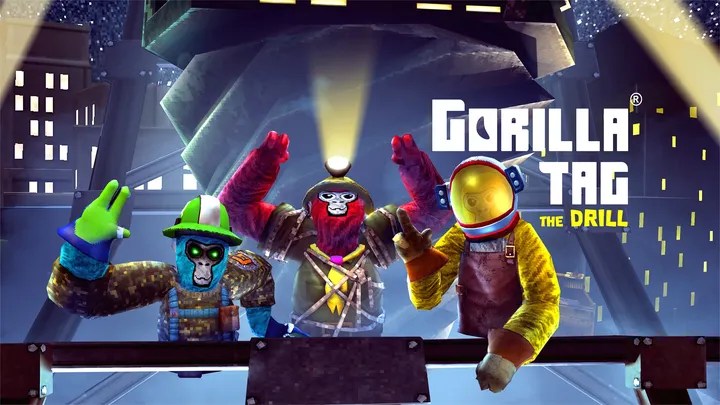
Gorilla Tag is popular with younger players for obvious reasons: it is free on Quest, easy to understand, funny to watch, and social immediately. That also means parents should not treat it like a quiet offline toy. It is an online multiplayer space with voice, strangers, physical movement, conduct rules, reporting systems, and real-world room safety to think about.
Meta Quest referral
If you use this link when buying a Meta Quest headset, you can receive a $30 store credit. Only use it if it feels useful.
Gorilla Tag series
- Read next: Gorilla Tag on Meta Quest: Complete Guide to the VR Game Everyone Keeps Talking About
- Read next: Gorilla Tag Beginner Guide: How to Move, Climb, and Survive Your First Lobby
- Read next: How to Get Better at Gorilla Tag: Movement Drills That Actually Matter
- Current article: Is Gorilla Tag Safe for Kids? What Parents Should Check on Meta Quest
- Read next: Best Gorilla Tag Settings on Meta Quest: Comfort, Voice, Boundary, and Safety
- Read next: Best Games Like Gorilla Tag on Meta Quest: Social VR Picks to Try Next
The Short Answer
Gorilla Tag can be a fun game for kids when the headset account, voice settings, room boundary, and play expectations are managed. It is not a game I would hand to a younger player with no setup and no supervision. The risk is not only screen time. It is public voice chat, rough movement near furniture, and behavior in fast-moving lobbies.
The official Gorilla Tag website publishes a Code of Conduct that bans racism, sexism, homophobia, transphobia, other forms of bigotry, cheats, mods, harassment, and behavior that intentionally makes other players uncomfortable. That is useful because parents can point to the game's own rules instead of inventing house rules from scratch.
Voice Chat and Social Risk
Public VR voice chat is the biggest parent concern. Gorilla Tag lobbies can be energetic, funny, chaotic, and sometimes inappropriate. Parents should check voice settings before play, explain how muting works, and make sure the player knows that leaving a lobby is normal. Winning a round is never more important than getting out of a bad social space.
The official FAQ says players can mute others from the in-game board, and that human voice can be disabled from the in-game computer and replaced with monkey sounds. That single setting can change the experience dramatically for families that want movement without open voice exposure.
k-ID and Managed Access
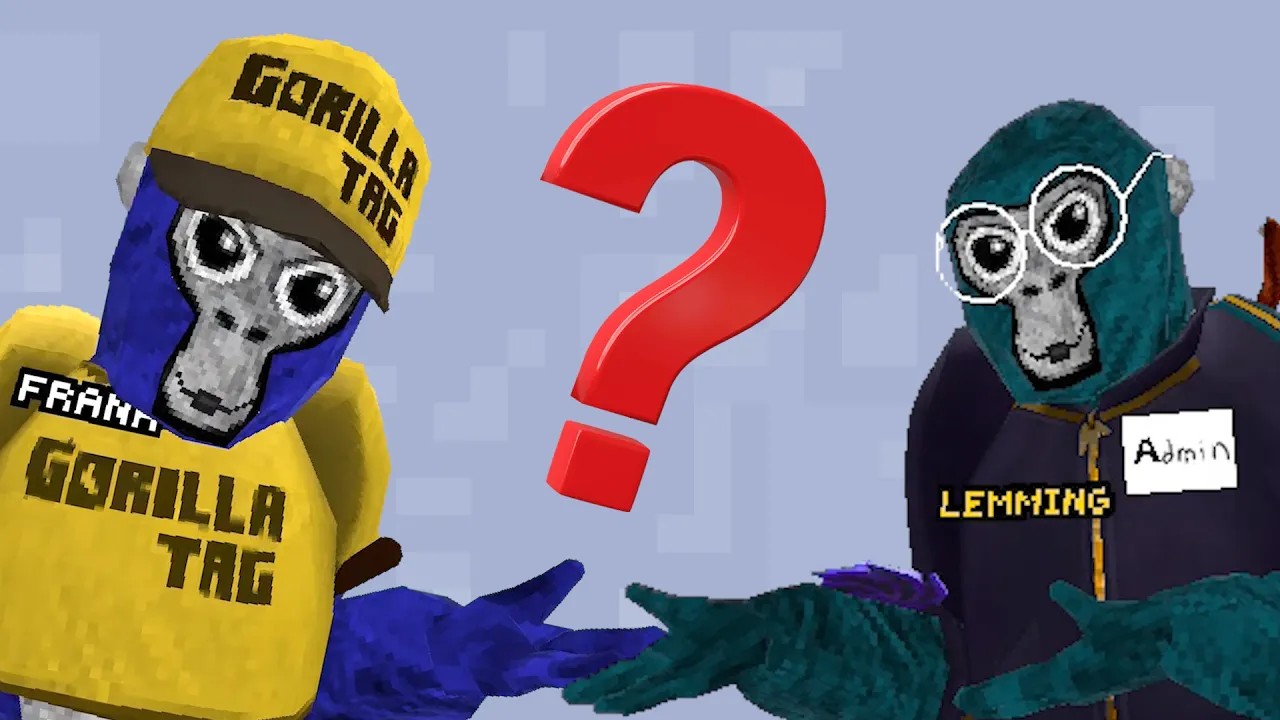
The official site also describes k-ID as a free family portal that helps younger players access multiplayer games and gives parents or guardians more oversight. It says the dashboard can manage items such as joining groups, custom usernames, and voice chat. Parents should treat that as part of setup, not as something to discover after a problem.
If k-ID prompts appear, do not rush through them. Complete the process carefully, use accurate information, and keep parent access separate from the child's quick-play habits. The boring setup is what makes the fun part safer.
Physical Safety at Home
Gorilla Tag asks players to swing their arms. That means the play space matters more than it does in seated puzzle games. Clear furniture, ceiling fans, lamps, pets, siblings, drinks, and hard edges. Set the Quest boundary conservatively. If the boundary warning appears often, the space is too small for that session.
A practical rule: the player should be able to extend both arms and rotate without touching anything. Even then, Gorilla Tag can pull players toward walls because they are chasing, dodging, and climbing under pressure. Watch the first session in the real room, not only on the casting screen.
Reporting, Bans, and Names
The official FAQ tells players to report conduct violations at the in-game board and warns that certain room or player names can trigger warnings or bans. Parents should explain this plainly: funny names are not worth account trouble, and mass reporting or ban evasion is not a game mechanic. The account has consequences.
Parent Verdict
Gorilla Tag is not automatically unsafe, but it is not hands-off. The best family setup is clear: supervised first session, voice settings checked, boundary cleared, conduct rules explained, and a no-argument exit rule if the lobby gets weird. With that structure, the game can be active, social, and genuinely fun.
If today's VR stories push you closer to jumping in, this Meta Quest referral can still give you a $30 credit on an eligible headset purchase.
Continue Reading
Stay in the VR guide loop with these related PlayTechDeep articles.
- Best Games Like Gorilla Tag on Meta Quest: Social VR Picks to Try NextA Meta Quest guide to games like Gorilla Tag for players who want social VR, movement, chaos, co-op, or…
- Best Gorilla Tag Settings on Meta Quest: Comfort, Voice, Boundary, and SafetyA practical Gorilla Tag settings guide for Meta Quest covering comfort, Guardian boundary, microphone, voice…
- How to Get Better at Gorilla Tag: Movement Drills That Actually MatterA practical Gorilla Tag improvement guide covering movement drills, routes, wall practice, juking, and smart…
- Gorilla Tag on Meta Quest: Complete Guide to the VR Game Everyone Keeps Talking AboutA complete Gorilla Tag Meta Quest guide covering gameplay, safety, movement, settings, cosmetics, and what to…
Related guide: Start with the Gorilla Tag cost, safety, and gameplay answer.