Getting better at Gorilla Tag is not about moving harder. It is about wasting less motion. Good players look wild from the outside, but their movement has rhythm: clean push, planned angle, fast correction, smart route, quick fake. If every chase feels like panic, the problem is probably not your speed. It is your decision-making before the chase starts.
Meta Quest referral
If you use this link when buying a Meta Quest headset, you can receive a $30 store credit. Only use it if it feels useful.
Gorilla Tag series
- Read next: Gorilla Tag on Meta Quest: Complete Guide to the VR Game Everyone Keeps Talking About
- Read next: Gorilla Tag Beginner Guide: How to Move, Climb, and Survive Your First Lobby
- Current article: How to Get Better at Gorilla Tag: Movement Drills That Actually Matter
- Read next: Is Gorilla Tag Safe for Kids? What Parents Should Check on Meta Quest
- Read next: Best Gorilla Tag Settings on Meta Quest: Comfort, Voice, Boundary, and Safety
- Read next: Best Games Like Gorilla Tag on Meta Quest: Social VR Picks to Try Next
Practice One Skill at a Time
The fastest way to improve is to isolate one movement skill instead of trying to become good at everything in public lobbies. Pick one drill for ten minutes: straight-line ground speed, wall contact, pinch climbing, route repetition, or juking. If you change goals every thirty seconds, your body never learns the rhythm.
A clean practice loop is simple. Choose a start point and an end point. Run the same route five times. On each run, change one thing: push angle, hand placement, jump timing, or landing. The point is not to look cool. The point is to feel which motion gives distance with the least wasted energy.
Ground Speed Drill
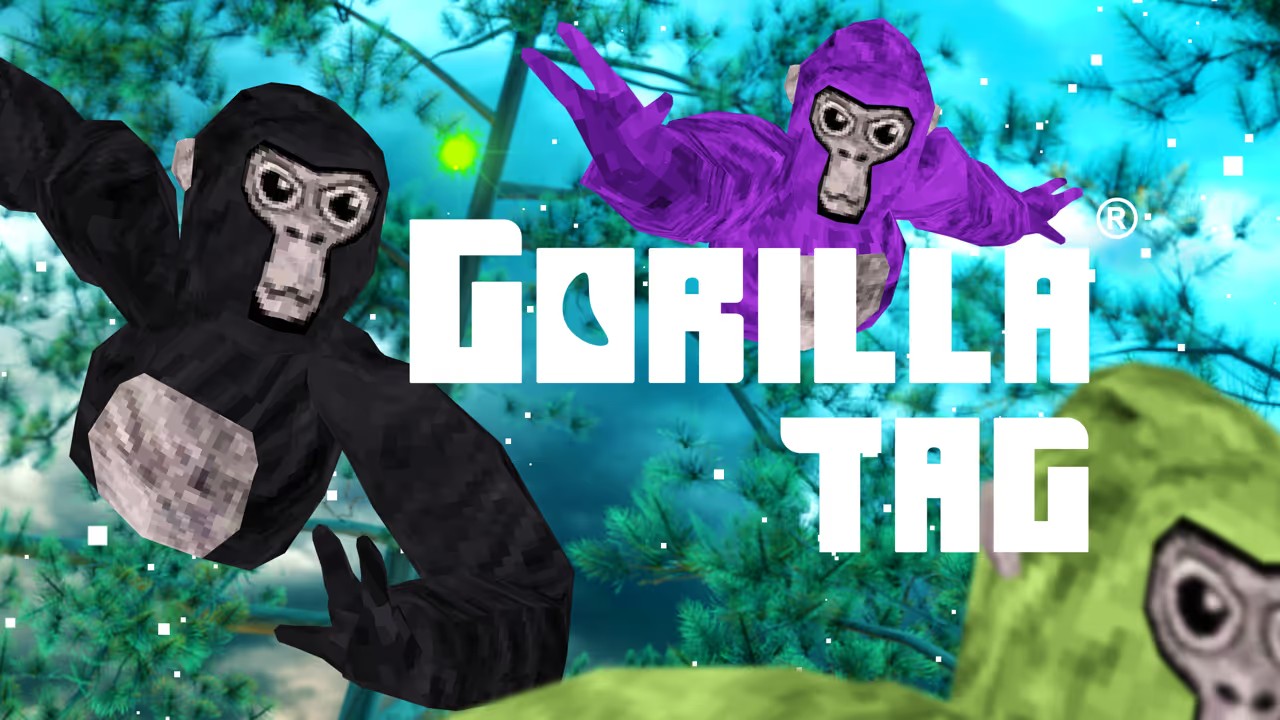
Find a flat stretch and practice pushing diagonally backward against the ground. Your hand should not just slap down. It should push from in front of your body toward behind your body so the force sends you forward. Keep your head stable and avoid twisting your shoulders too much.
Measure improvement by consistency. Can you cross the same stretch without drifting? Can you stop at the same point? Can you turn without crashing into your boundary? Those details matter more than one lucky fast run.
Climbing and Wall Contact
For climbing, beginners often pull straight down and lose contact. Better climbing uses alternating holds, short controlled pulls, and calm head movement. Pinch climbing is not magic. It is just repeated control: grab, pull, replace, grab, pull, replace. If your headset view shakes constantly, slow down until your hands are doing the work instead of your neck.
Wall practice should start low. Touch the wall, push away, land, repeat. Do not begin by trying to scale huge surfaces. Learn how much side force moves you along the wall and how much upward force throws you away from it.
Juking Without Looking Random
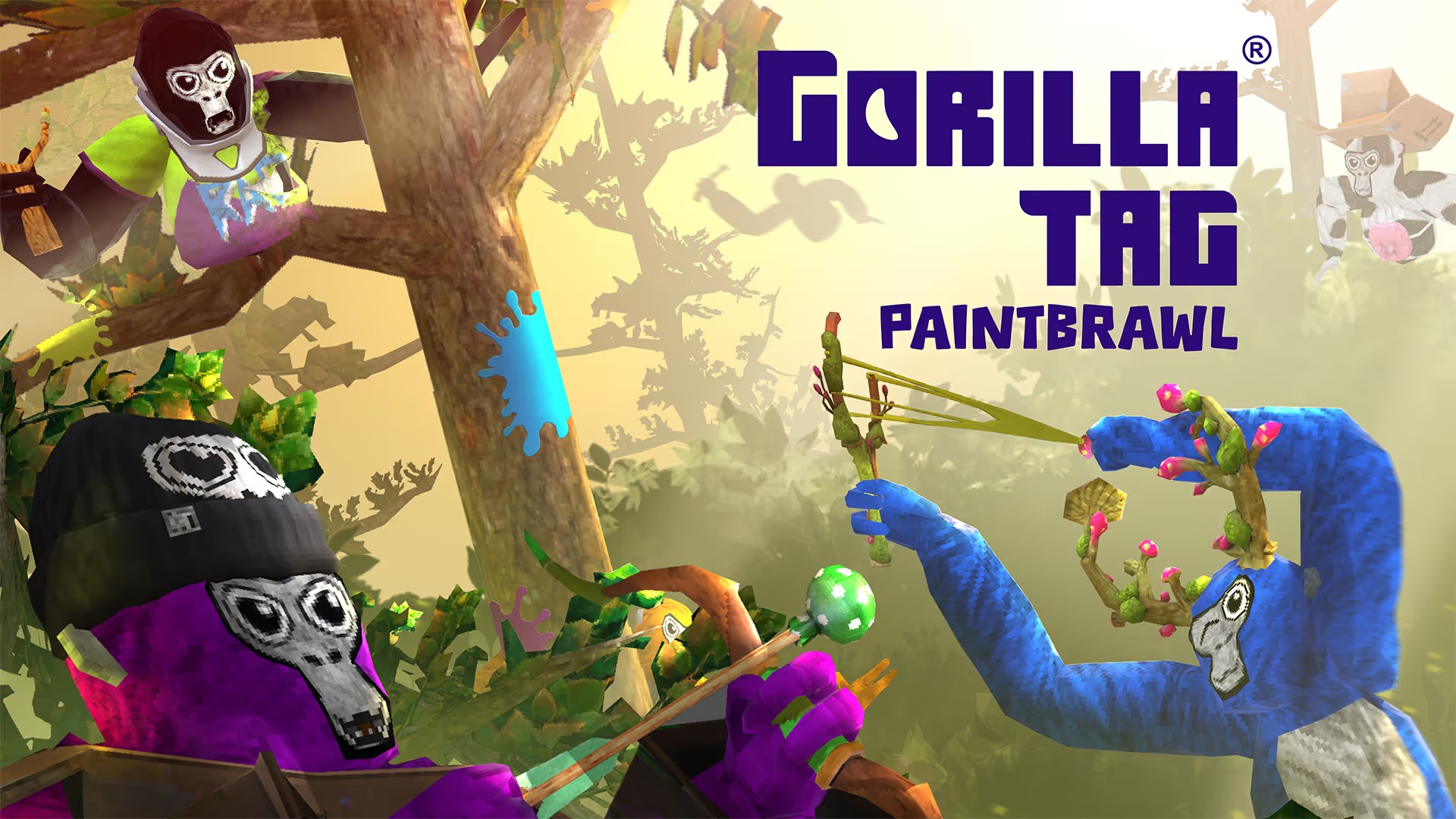
A juke is not just a sudden turn. It is a lie. You make the chaser believe you are committed to one route, then spend stored momentum somewhere else. The best simple juke is route hesitation: move toward a climb, pause just long enough for the chaser to adjust, then drop or cut sideways.
Bad jukes are expensive. If you fake with no exit route, you only slow yourself down. Before trying fancy movement, ask one question: where do I land if this works? If you do not know, it is not a juke. It is noise.
How to Practice Without Burning Out
Gorilla Tag can become physically intense fast. Practice in short blocks and stop before your shoulders get sloppy. Ten focused minutes can teach more than one exhausted hour. If your arms are tired, work on route reading or watch better players instead of forcing more movement.
Improvement also depends on lobbies. Public chaos teaches reaction, but private or quieter lobbies teach mechanics. Use both. Public play shows whether your movement works under pressure; quiet practice shows why it failed.
Improvement Verdict
The players who improve fastest are not always the most aggressive. They are the ones who repeat routes, notice angles, and practice one thing at a time. Move cleaner, not just harder. Gorilla Tag rewards rhythm more than rage.
If today's VR stories push you closer to jumping in, this Meta Quest referral can still give you a $30 credit on an eligible headset purchase.
Continue Reading
Stay in the VR guide loop with these related PlayTechDeep articles.
- Best Games Like Gorilla Tag on Meta Quest: Social VR Picks to Try NextA Meta Quest guide to games like Gorilla Tag for players who want social VR, movement, chaos, co-op, or…
- Best Gorilla Tag Settings on Meta Quest: Comfort, Voice, Boundary, and SafetyA practical Gorilla Tag settings guide for Meta Quest covering comfort, Guardian boundary, microphone, voice…
- Is Gorilla Tag Safe for Kids? What Parents Should Check on Meta QuestA parent-focused Gorilla Tag safety guide covering voice chat, conduct rules, k-ID, play space, reporting, and…
- Gorilla Tag on Meta Quest: Complete Guide to the VR Game Everyone Keeps Talking AboutA complete Gorilla Tag Meta Quest guide covering gameplay, safety, movement, settings, cosmetics, and what to…
Related guide: Start with the Gorilla Tag cost, safety, and gameplay answer.