Your first Gorilla Tag lobby can feel like being dropped into a playground where everyone else knows a secret language. Players launch up trees, bounce off walls, shout callouts, disappear over ledges, and somehow move faster with no legs than you do with your whole body. The good news is that the first goal is not to be good. The first goal is to stop fighting the movement.
Meta Quest referral
If you use this link when buying a Meta Quest headset, you can receive a $30 store credit. Only use it if it feels useful.
Gorilla Tag series
- Read next: Gorilla Tag on Meta Quest: Complete Guide to the VR Game Everyone Keeps Talking About
- Current article: Gorilla Tag Beginner Guide: How to Move, Climb, and Survive Your First Lobby
- Read next: How to Get Better at Gorilla Tag: Movement Drills That Actually Matter
- Read next: Is Gorilla Tag Safe for Kids? What Parents Should Check on Meta Quest
- Read next: Best Gorilla Tag Settings on Meta Quest: Comfort, Voice, Boundary, and Safety
- Read next: Best Games Like Gorilla Tag on Meta Quest: Social VR Picks to Try Next
The First Rule: Your Hands Are Your Feet
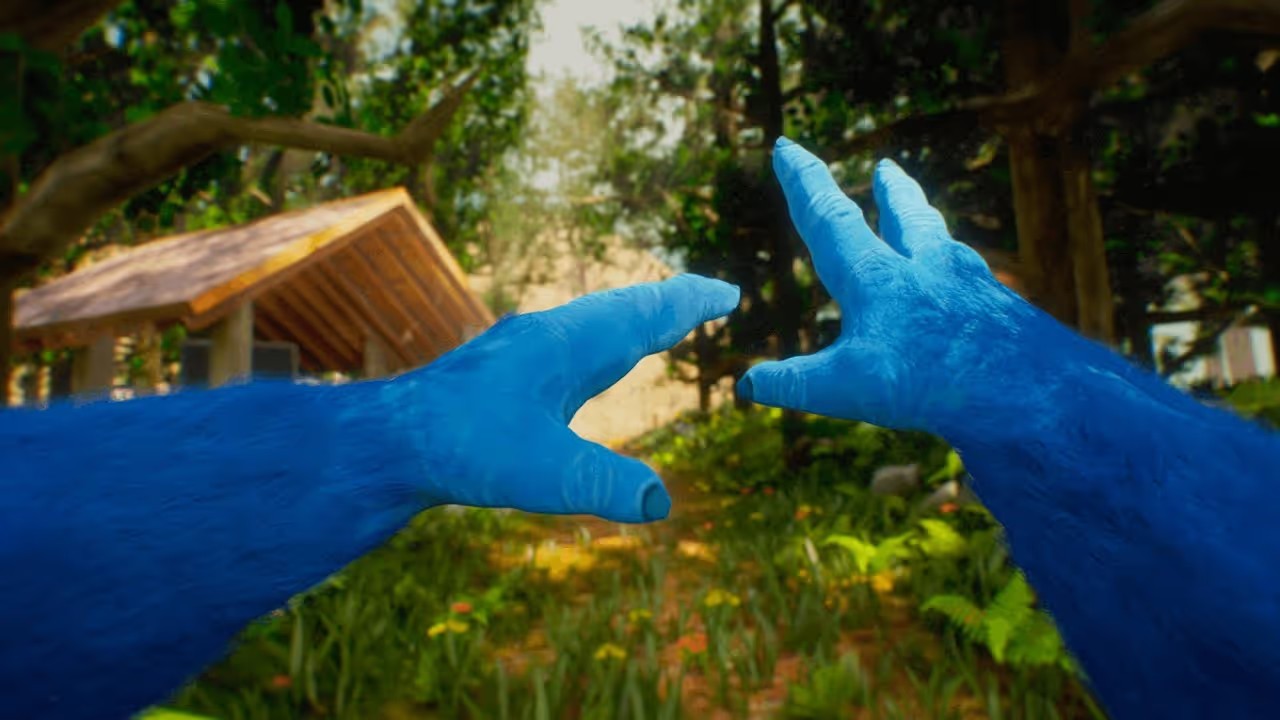
Gorilla Tag does not use normal joystick locomotion. You move by pushing against the world with your hands and arms. If your palm pushes down and backward against the ground, your body moves forward and up. If both hands squeeze a climbable surface, you can pull yourself higher. That simple rule explains almost every beginner mistake.
New players usually slap too fast, swing too wide, or try to move like they are swimming. Slow down. Put one hand where you want force to come from, push with intention, and let the game carry the motion. Clean short pushes beat panicked windmill arms.
Your First 30 Minutes
Spend the first five minutes in a quiet area learning short ground pushes. Do not chase anyone yet. Try to move from one point to another without spinning your body. Then spend ten minutes on low climbing surfaces. Use two hands, keep your headset centered, and learn how much force is enough. After that, join normal play and accept that experienced players will tag you constantly.
The first session should feel like learning to ride a bike, not like proving you are good at games. If your arms get tired, stop. If your boundary warning appears, stop. If you are breathing hard and laughing, that is normal. If you are angry or dizzy, take the headset off.
Basic Map Awareness
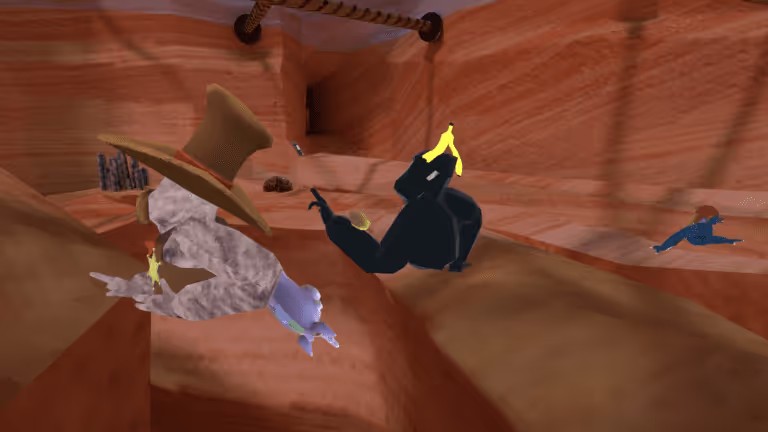
Forest is usually the best beginner learning space because it teaches ground movement, trees, platforms, and chase routes without making everything feel narrow. Canyon and Mountain can be fun, but they punish bad momentum more quickly. City is better for cosmetics and social moments than pure movement practice.
A useful beginner habit is to name your route before you move: ground to ramp, ramp to tree, tree to platform, platform to wall. This keeps your eyes ahead instead of staring at your hands. Gorilla Tag rewards looking where you are going.
Common Beginner Mistakes
The biggest mistake is playing too close to furniture. The second is trying to copy advanced players before basic pushes feel natural. The third is leaving voice chat completely unmanaged in public lobbies, especially for younger players. The fourth is playing until your arms are cooked and then wondering why your movement got worse.
A better first-week plan is simple: three short sessions, ten to twenty minutes each, with one practice focus per session. Session one: ground movement. Session two: climbing. Session three: chasing routes. That rhythm builds skill without turning the game into a sore-arm contest.
Beginner Verdict
Gorilla Tag is easy to understand but not easy to control. That is the hook. If you give yourself permission to be bad for the first hour, the game opens up quickly. Learn the push, protect your play space, mute when needed, and treat the first week as movement practice rather than competition.
If today's VR stories push you closer to jumping in, this Meta Quest referral can still give you a $30 credit on an eligible headset purchase.
Continue Reading
Stay in the VR guide loop with these related PlayTechDeep articles.
- Weekly Meta Quest Beginner Guide for May 02, 2026: First-Week Setup, Comfort, and Smart Buying PlanWeekly Meta Quest beginner guide based on community posts from the last 7 days: setup pain points, buying…
- Weekly Meta Quest Beginner Guide for April 25, 2026: First-Week Setup, Comfort, and Smart Buying PlanWeekly Meta Quest beginner guide based on community posts from the last 7 days: setup pain points, buying…
- Weekly Meta Quest Beginner Guide for April 18, 2026: First-Week Setup, Comfort, and Smart Buying PlanWeekly Meta Quest beginner guide based on community posts from the last 7 days: setup pain points, buying…
- Weekly Meta Quest Beginner Guide for April 11, 2026: First-Week Setup, Comfort, and Smart Buying PlanWeekly Meta Quest beginner guide based on community posts from the last 7 days: setup pain points, buying…
Related guide: Start with the Gorilla Tag cost, safety, and gameplay answer.