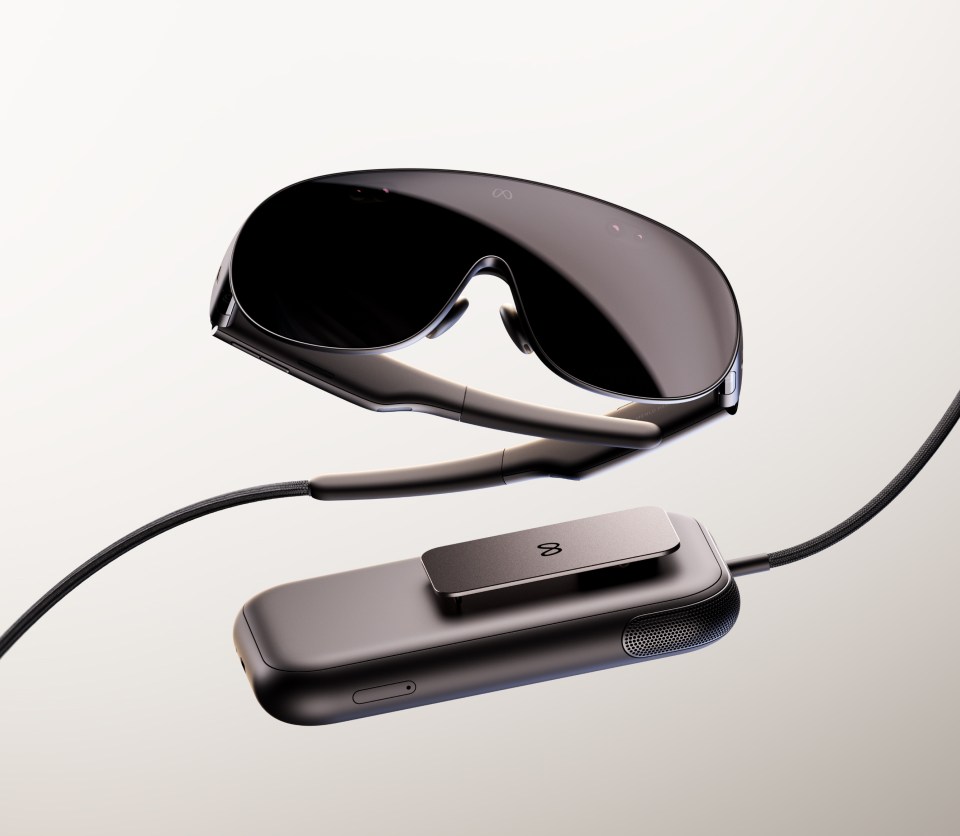

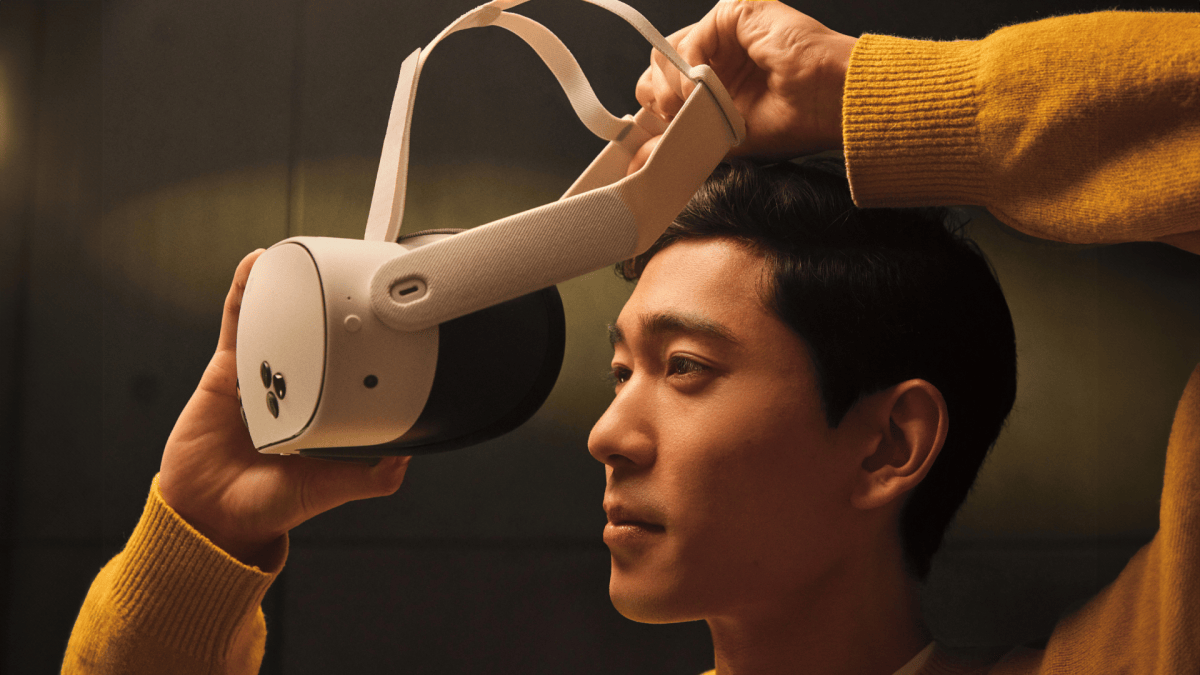
April 17, 2026 was a hardware-buying day for VR readers. Meta confirmed higher U.S. pricing for Quest 3 and Quest 3S, outside reports tied the move to memory and component costs, and deal-focused coverage turned the same news into a simple question: buy now, wait for a bundle, or hold for the next headset cycle?
Meta Quest referral
If you are buying an eligible Meta Quest headset, this link may give you a $30 store credit. Use it only if it is helpful for a purchase you were already considering.
Meta confirms the Quest price increase
Source: Meta
Meta’s own pricing update made the story concrete. This was not a rumor about a future headset. It affected current Quest hardware, which means every buying guide has to treat headset price as a moving variable rather than a fixed anchor.
For new buyers, that changes the first decision. Quest can still be the easiest standalone VR recommendation, but the full cost now deserves more attention: storage size, strap comfort, battery upgrades, prescription lenses, carrying case, and whether a bundle includes a game you actually want.
Reuters frames the increase as a component-cost story
Source: Reuters
Reuters reported the U.S. price increase in the context of rising component costs. That matters because it suggests the issue is not only marketing strategy. Memory and supply-chain pressure can affect multiple devices at once, which makes short-term discount timing less predictable.
The practical takeaway is restraint. If you already planned to buy a Quest, compare current prices against bundle value rather than assuming the next sale will erase the increase. If you are undecided, calculate the full setup price and compare it with PS VR2, PC VR, or waiting for future hardware announcements.
Deal coverage turns the news into a timing problem
Source: Android Central
Android Central treated the story from the buyer’s side: if prices are about to move, the window before the increase becomes part of the deal. That kind of coverage is useful because many readers do not need a corporate explanation. They need a yes-or-no shopping filter.
The best answer is conditional. Buy quickly only if the current package already fits your needs. Do not panic-buy the wrong storage size, the wrong headset, or a bundle you would never use. A rushed purchase can cost more than the price increase if you immediately replace accessories or regret the model.
Market and trade coverage shows why the price story spread
Sources: Social Media Today and Simply Wall St
The story also spread beyond VR outlets because Quest pricing sits inside Meta’s larger Reality Labs economics. That is useful context, but it should not distract from the reader’s decision. You do not need to predict Meta’s margin structure to buy a headset wisely. You need to know whether the price, library, comfort, and update path justify the purchase now.
What April 17 means for Quest buyers
Quest is still the most frictionless standalone VR route for most people, but the “easy default” argument got less automatic. At higher prices, app library, comfort upgrades, battery needs, and bundles matter more. If you play often, Quest can still make sense. If you are only curious, wait for a bundle, buy used carefully, or start with the cheaper model only after checking the display and storage tradeoffs.
Continue Reading
Meta Quest referral
If you are buying an eligible Meta Quest headset, this link may give you a $30 store credit. Use it only if it is helpful for a purchase you were already considering.