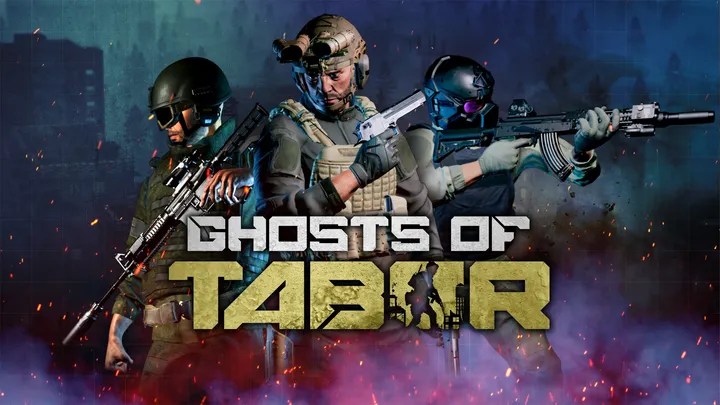
Search answer: how to extract in Ghosts of Tabor
To extract in Ghosts of Tabor, survive the raid long enough to reach an active extraction point with the gear you want to keep. The mistake beginners make is overlooting after they already have something valuable; extraction shooters reward leaving alive more than winning every fight.
Ghosts of Tabor is not a comfort-food Meta Quest shooter. It is a tense extraction game built around the fear of losing what you brought in, the relief of finding something valuable, and the ugly little calculation every player makes when they hear footsteps nearby: fight, hide, bargain with luck, or run for extraction.
Quick extraction answer
In Ghosts of Tabor, extraction means entering a raid, looting, surviving AI and player threats, then reaching an active extraction point before you lose your gear. It is worth it if you want Tarkov-style risk in VR and are willing to learn through painful losses.
- Best fit: tactical players, squads, and extraction-shooter fans.
- Main appeal: gear risk, raid tension, looting, weapon handling, and survival decisions.
- Skip if: you want a forgiving first VR shooter or instant casual matches.
That is why this app deserves a different kind of recommendation. Some VR shooters are easy to explain because they give you fast matches and clean dopamine. Ghosts of Tabor is stickier because it creates consequences. Every raid starts before the loading screen, when you choose your gear, accept the risk, and decide how much you are willing to lose.
Meta Quest referral
If you use this link when buying a Meta Quest headset, you can receive a $30 store credit. Only use it if it feels useful.
Quick Buyer Snapshot
- Genre: hardcore extraction-based VR FPS with PvPvE survival, looting, crafting, trading, missions, and loadout management.
- Developer: Combat Waffle Studios.
- Publisher: Beyond Frames Entertainment.
- U.S. price context: $24.99 in current U.S. public store snapshots. Quest Store DB also tracks recent discounts, including a $16.99 sale that ended April 27, 2026.
- Best for: tactical shooter players, extraction-game fans, squads that like high-stakes raids, and Quest owners who want long-term progression.
- Play mode: multiplayer with solo or squad approaches, internet required.
- Comfort context: public snapshots list standing, sitting, and room-scale player modes.
- Headset support: Meta lists support for Quest 2, Quest Pro, Quest 3, Quest 3S.
Why This Is Still Worth Covering
Ghosts of Tabor has one of the clearest identities in the Quest shooter library. The official site frames the question directly: will you survive long enough to make it out alive? That is the core. You enter raids, scavenge supplies, fight player and AI threats, manage weapons and survival needs, and try to extract before someone else turns your careful plan into their loot.
The Meta launch announcement also matters because it explains the game’s momentum. Ghosts of Tabor started on App Lab, built traction as a survival-extraction shooter, and then officially launched on the Meta Quest Store for Quest 2, Quest 3, and Quest Pro. Beyond Frames’ release highlighted more than $10 million in combined sales across App Lab and Steam Early Access before the full Quest Store launch. That is not a quiet niche signal.
How It Plays on Quest
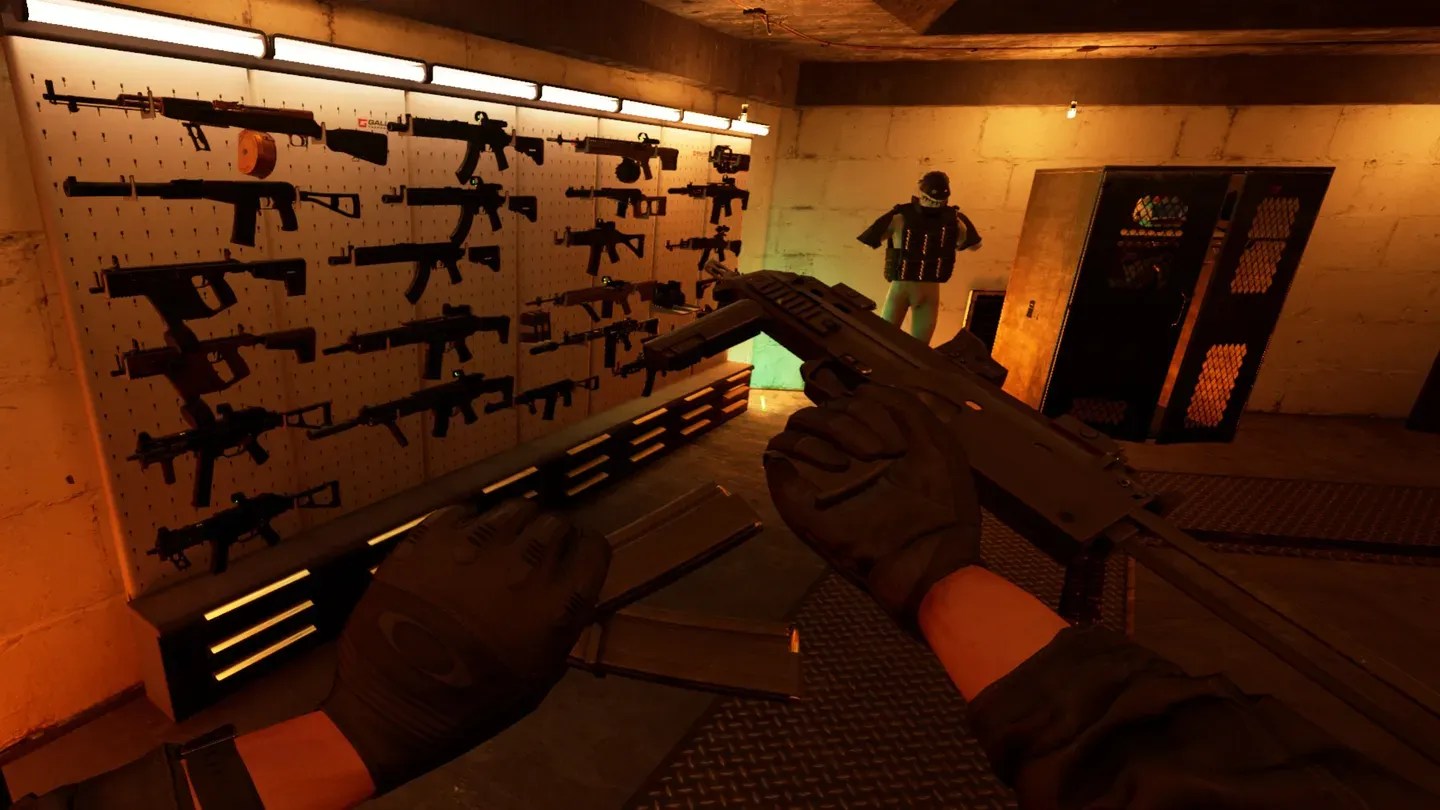
The loop is simple to describe and hard to master. You prepare a loadout, enter a map, search for gear, watch for AI and real players, manage health, hunger, thirst, ammo, armor, weapons, backpacks, and exits, then decide when to leave. The trick is that success is not only about aim. It is about judgment.
A normal shooter rewards aggression quickly. Ghosts of Tabor punishes stupid confidence. If you push a hallway too loudly, someone hears you. If you over-loot, you slow down. If you bring expensive gear without a plan, the raid can become a donation box. If you leave too early, you survive but miss the value. That constant risk math is the game.
Why Loadouts Matter
The armory is not decoration. It is the psychological center of the app. Before each raid, you decide what you trust yourself to carry. A better rifle can help you survive, but it also makes death hurt more. A cheap loadout lowers anxiety, but it may leave you outgunned when a better-equipped player appears.
That tension is why extraction games create stories. You remember the raid where you escaped with almost nothing, the raid where a stranger took your best kit, and the raid where a bad pistol somehow became a miracle. VR makes those stories sharper because reloading, aiming, grabbing, healing, and hiding all feel more exposed.
Combat and Raid Pressure
Combat in Ghosts of Tabor is not just target practice. It is weapon handling under stress. Corners matter. Reload discipline matters. Where you keep your hands matters. Whether your squad communicates clearly matters. The game can feel rougher and less instantly friendly than more polished arena shooters, but that roughness is partly tied to its survival personality.
The strongest moments happen when the world goes quiet. You hear movement, stop looting, shoulder the weapon, and suddenly every object in the room becomes cover or liability. In flat-screen extraction shooters, this tension lives in the camera and audio mix. In VR, it lives in your posture.
Outdoor Firefights and Extraction Decisions
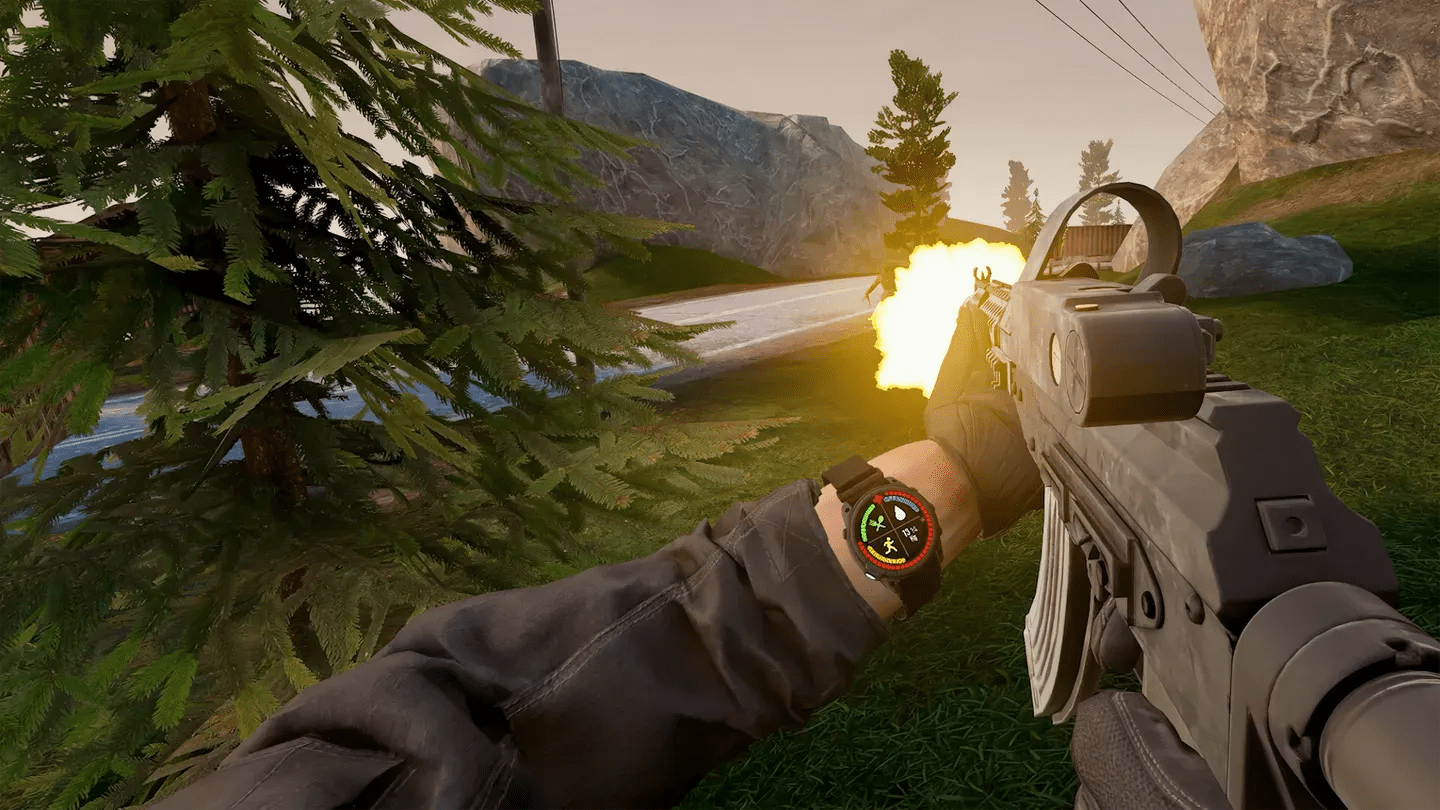
Outdoor fights create a different kind of pressure. Distance, sight lines, tree cover, elevation, and extraction timing all matter. A player who survives the first encounter can still lose everything by choosing the wrong path out. That is why Ghosts of Tabor is best understood as a decision game with guns, not just a gun game with loot.
For squads, the appeal gets stronger. One player scans, one loots, one covers, and one bad call can make the whole group collapse. If your friends like tactical communication, Ghosts of Tabor can become a weekly ritual. If your group mostly wants casual chaos, the same systems may feel punishing.
Community and Store Signals
Meta currently shows a 4.1 out of 5 rating from about 28,621 ratings. Quest Store DB’s current public snapshot lists about 28.6K ratings, more than 10K reviews, a $24.99 base price, 11.7 GB storage, internet required, and 19 add-ons. That is a lot of market signal for a VR-only extraction shooter. It shows the game has moved beyond curiosity into a durable Quest multiplayer ecosystem.
The reaction is not universally gentle. Players who love it tend to praise immersion, high stakes, weapon handling, progression, and the thrill of extraction. Players who bounce off often point to bugs, difficulty, learning curve, and the frustration of losing gear. Both sides are describing the same core truth: this game is not trying to be easy.
Price, DLC, and Long-Term Value
At $24.99, Ghosts of Tabor has a friendlier entry price than many premium Quest adventures, but it is also built like a live multiplayer game. Quest Store DB tracks multiple add-ons, including licensed or themed DLC packs. That does not mean you need everything. For most players, the base game is the real test: do you enjoy raids enough to keep learning after the first few painful losses?
If the answer is yes, the value case becomes strong because extraction games create long-term goals. You are not only finishing levels. You are improving routes, learning maps, building an armory, reading player behavior, and getting better at staying calm when the raid turns sideways.
Who Should Buy It
Buy Ghosts of Tabor if you want a serious multiplayer shooter with consequences, if you like Escape from Tarkov-style risk loops, or if your Quest library needs a game that can become a long-term habit. It is especially strong for players with friends who enjoy tactical communication and repeated learning.
It is also a good fit if you are tired of VR shooters that feel weightless. Here, the reason you care about the gun is not only recoil or damage. It is because losing it matters. That makes even simple moments feel charged.
Who Should Wait
Wait if you want a polished beginner-friendly shooter, if gear loss frustrates you more than it motivates you, or if your internet connection is unreliable. Also wait if you mostly play solo and dislike hostile multiplayer spaces. Solo runs can be rewarding, but they require patience and a tolerance for ambushes.
New VR players should probably build comfort and shooter basics elsewhere before making this their first serious app. Ghosts of Tabor can be thrilling, but it is not the soft landing zone for someone still learning how to reload, turn, and move comfortably in VR.
Official Store Page
Use the official Meta Quest store page to confirm live U.S. pricing, supported headsets, storage, comfort details, current rating, add-ons, and sale timing before buying.
Official Video
The launch trailer gives the quickest visual read: raids, squads, weapons, looting, and the survival-extraction pressure that makes the game work.
Final Recommendation
Ghosts of Tabor is worth recommending because it gives Meta Quest a kind of multiplayer tension that many VR shooters avoid. It is not casual, not cozy, and not always forgiving. But that is the point. The app works when a backpack full of loot makes your hands feel nervous.
My recommendation is strongest for tactical players, extraction fans, and squads that want a long-term shooter with risk. If you want comfort, instant fun, or a gentle first VR FPS, choose something else. If you want raids where every sound matters and every extraction feels earned, Ghosts of Tabor belongs high on your list.
If today's VR stories push you closer to jumping in, this Meta Quest referral can still give you a $30 credit on an eligible headset purchase.
Continue Reading
Stay in the VR guide loop with these related PlayTechDeep articles.
- Drop Dead: The Cabin on Meta Quest: Co-Op Zombie Survival With a Mixed Reality TwistDrop Dead: The Cabin on Meta Quest: a U.S.-focused app guide covering price, co-op zombie survival, mixed…
- Contractors Showdown: ExfilZone on Meta Quest: Is This Big VR Shooter Worth It?Contractors Showdown: ExfilZone on Meta Quest: a U.S.-focused app guide covering price, ExfilZone, battle…
- Breachers on Meta Quest: Why This 5v5 Tactical Shooter Still Feels SharpBreachers on Meta Quest: a U.S.-focused app guide covering price, 5v5 tactical rounds, gadgets, breaching…
- Pavlov Shack on Meta Quest: Why This Tactical VR Shooter Still MattersPavlov Shack on Meta Quest: a U.S.-focused app guide covering price, weapon handling, Search and Destroy, TTT…
Related guide: Read the Resident Evil 4 VR campaign and comfort verdict.