
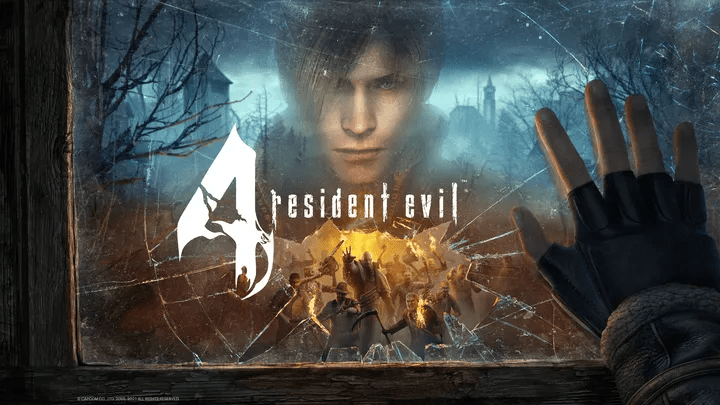
Resident Evil 4 VR is one of the easiest Meta Quest recommendations to misunderstand. It is not a small horror demo, not a remake of the 2023 flat-screen version, and not a nostalgia museum piece. It is the 2005 action-horror classic rebuilt around first-person VR interaction, and that change still makes the game feel more immediate than many newer Quest releases.
The reason I would still write about it now is simple: a lot of Quest buyers want one serious, recognizable, single-player game that proves the headset can carry a full campaign. Resident Evil 4 VR does that. It gives you a long adventure, readable combat, physical inventory handling, tense enemy pressure, and enough comfort options that it can work for more players than its horror reputation suggests.
Meta Quest referral
If you use this link when buying a Meta Quest headset, you can receive a $30 store credit. Only use it if it feels useful.
Quick Answer: Is Resident Evil 4 VR Worth It on Meta Quest?
- Genre: first-person survival-action horror with campaign exploration, shooting, melee follow-ups, inventory management, and boss encounters.
- Developer: Armature Studio.
- Publisher context: Oculus Studios / Capcom franchise license.
- U.S. price context: $39.99 on the U.S. Meta store in current public store snapshots. Always confirm the live Meta price before buying because sales can change quickly.
- Best for: players who want a real campaign, Resident Evil fans, horror-action players, and Quest owners tired of short arcade loops.
- Play mode: single-player campaign, with The Mercenaries added as a free score-attack mode.
- Comfort and rating context: public store snapshots list a Moderate comfort level and Mature 17+ age rating.
- Headset support: Meta lists support for Quest 2, Quest Pro, Quest 3, Quest 3S.
Why This Is Still Worth Covering
Resident Evil 4 VR matters because it shows what happens when a famous flat-screen game is not merely displayed inside a headset, but rethought around hands, body position, and spatial pressure. Leon’s mission is familiar: rescue the U.S. President’s daughter, survive a hostile rural village, uncover the cult behind the threat, and fight through a chain of increasingly strange enemy encounters. In VR, that familiar structure changes because every reload, weapon swap, knife reaction, and item choice becomes something you do with your hands.
That is the difference between playing a classic and inhabiting one. You are not only aiming with an analog stick. You are lifting the gun, checking space around you, reaching for gear, and feeling enemies close distance in a way that makes the village siege more stressful. The game does not need modern ray tracing or a new script to remain useful. Its VR version has a strong enough interaction layer to make an old campaign feel freshly dangerous.
How It Plays on Quest
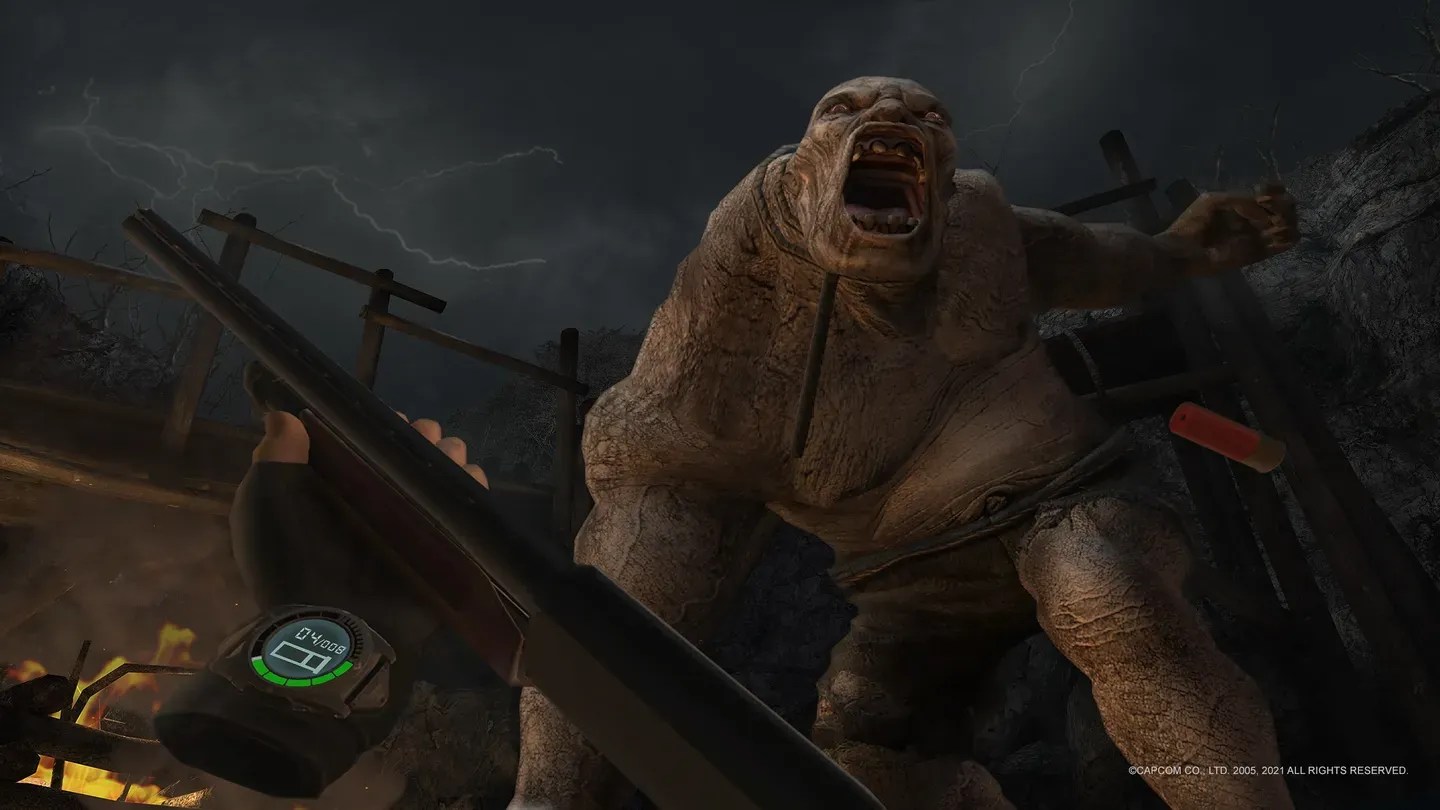
The core loop is campaign survival. You explore areas, solve light environmental blockers, manage ammo, shoot weak points, use melee follow-ups, upgrade weapons, and push through a sequence of villages, castles, traps, arenas, and boss fights. The VR difference is that weapon handling and inventory access are more physical. You can grab tools from your body, aim independently, and react to pressure with more immediacy than the original third-person camera allowed.
UploadVR’s early gameplay coverage highlighted exactly why this conversion attracted attention: first-person play, dual-wielding potential, a physical inventory system, interactive healing, and small environmental touches that turn legacy mechanics into VR actions. Those changes are not cosmetic. They change the rhythm of panic. When enemies crowd the room, the question is no longer only what button to press. It is whether your hands, aim, reload timing, and spatial awareness can stay calm.
The Mercenaries Adds Real Replay Value
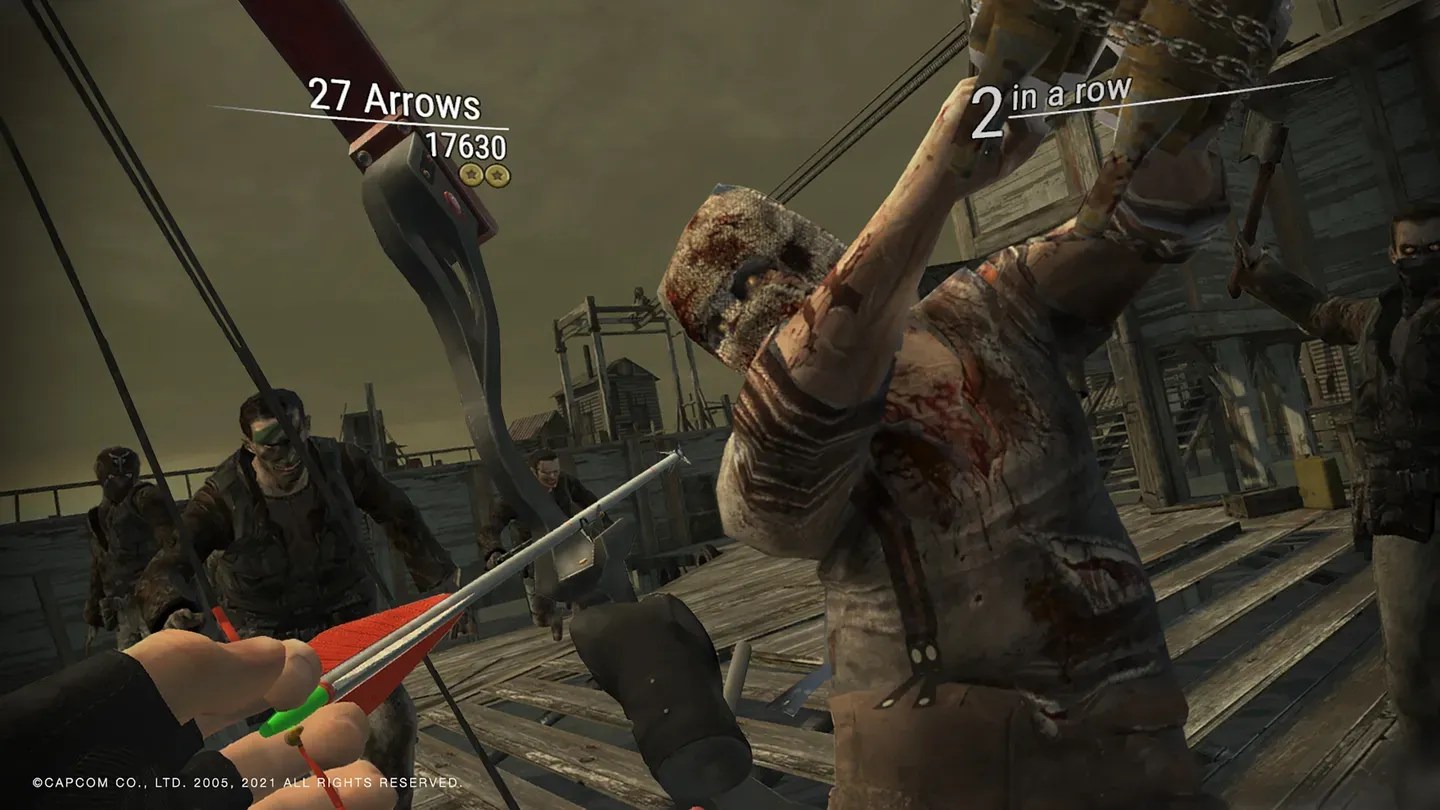
The main campaign is the reason to buy Resident Evil 4 VR, but The Mercenaries matters because it gives the app a second life after the credits. The mode turns the combat system into score pressure: survive waves, chain kills, chase higher performance, unlock extras, and learn how enemy routes behave when the story is no longer slowing things down.
That addition is important for buyers because premium Quest games can feel risky when they are purely one-and-done. Resident Evil 4 VR is still primarily a campaign purchase, but The Mercenaries gives action-focused players a sharper reason to return. It also helps the game sit between two audiences: people who want story progression and people who want cleaner combat repetition.
Community and Store Signals
Meta currently shows a 4.7 out of 5 rating from about 13,385 ratings, which is unusually strong for a full-price licensed VR conversion. Quest Store DB and VRDB snapshots also track the game around 4.7 stars with roughly thirteen thousand public ratings, plus a $39.99 standard price and Quest 2/Pro/3/3S support. That combination is exactly why it remains a useful recommendation: this is not a hidden experimental title with uncertain reception. It is a known quantity with years of user response behind it.
The strongest community signal is consistency. Players keep returning to the same praise points: the campaign feels substantial, the first-person conversion adds real tension, and the game is still one of the most complete single-player packages on Quest. The common caution is also consistent: it can be intense, it is built around horror-action pressure, and comfort-sensitive players should read current store details before jumping in.
Price and Value
At around $39.99, Resident Evil 4 VR is not an impulse-tier purchase. That price makes sense only if you want a full campaign, not a quick party app. The value case is strongest for players who will finish long single-player games, who like replaying combat encounters, or who want one recognizable premium app to justify the headset to themselves.
If you mostly use Quest for fitness, social hangouts, or ten-minute rhythm sessions, this may sit in your library unfinished. But if you have been looking for something with actual campaign weight, it is still one of the safer premium picks. VRDB’s public playtime snapshot points to a main-story length around the mid-teens in hours, which puts it far above many short Quest experiences.
Who Should Buy It
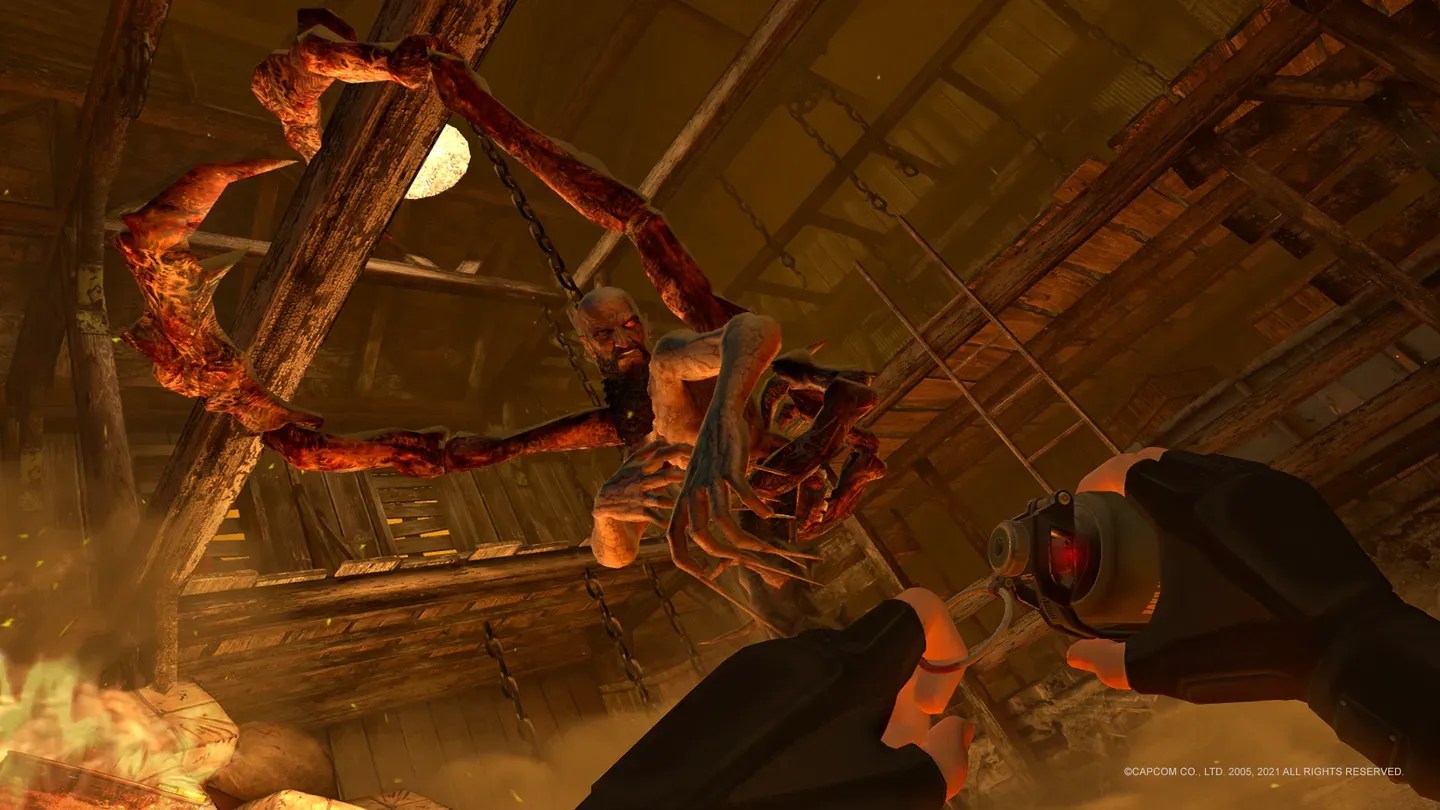
Buy Resident Evil 4 VR if you want a serious solo game, if you already like Resident Evil, or if you want to see how a flat-screen classic changes when combat and inventory become physical. It is also a strong pick for players who want horror tension without the slower, helpless pacing of some pure VR horror games. Leon is vulnerable, but he is not powerless.
It also works well as a library anchor. A healthy Quest library usually needs more than one kind of app: something social, something active, something casual, and something substantial. Resident Evil 4 VR fills the substantial slot better than almost anything else because it has a complete campaign shape and a brand name that new VR users instantly understand.
Who Should Wait
Wait if you are easily motion sick in first-person games, dislike horror pressure, or only want modern-looking Quest 3-native productions. This is still a VR adaptation of an older game, so the magic is in interaction and campaign design rather than cutting-edge visual spectacle. If you mainly want multiplayer, co-op, or mixed reality, other apps will fit your daily habits better.
Parents should also pay attention to the Mature 17+ rating. This is not a spooky family adventure. It has violence, horror imagery, and sustained threat. That clarity matters because Resident Evil is famous enough that younger players may recognize the name before understanding the tone.
Official Store Page
Use the official Meta Quest store page to confirm live U.S. pricing, supported headsets, comfort rating, age rating, file details, and current review count before buying. Store information can change with sales, platform updates, and bundle timing.
Video Preview
This gameplay trailer is the fastest way to understand the pitch: Resident Evil 4’s familiar campaign structure, but with first-person aiming, close-range panic, and VR-specific interaction replacing the old over-the-shoulder distance.
Final Recommendation
Resident Evil 4 VR still deserves a standalone app guide because it answers a buyer question that never really goes away: what should I play when I want Meta Quest to feel like a serious gaming platform? My answer is that this belongs near the top, especially for U.S. Quest owners who want a recognizable, complete, single-player campaign.
It is not the friendliest first app, and it is not the newest-looking showcase. But it remains one of the strongest examples of VR making an old game feel newly physical. If you want horror-action with real campaign length, strong public ratings, and mechanics that actually use your hands, Resident Evil 4 VR is still worth considering.
If today's VR stories push you closer to jumping in, this Meta Quest referral can still give you a $30 credit on an eligible headset purchase.
Continue Reading
Stay in the VR guide loop with these related PlayTechDeep articles.
- Drop Dead: The Cabin on Meta Quest: Co-Op Zombie Survival With a Mixed Reality TwistDrop Dead: The Cabin on Meta Quest: a U.S.-focused app guide covering price, co-op zombie survival, mixed…
- Contractors Showdown: ExfilZone on Meta Quest: Is This Big VR Shooter Worth It?Contractors Showdown: ExfilZone on Meta Quest: a U.S.-focused app guide covering price, ExfilZone, battle…
- Breachers on Meta Quest: Why This 5v5 Tactical Shooter Still Feels SharpBreachers on Meta Quest: a U.S.-focused app guide covering price, 5v5 tactical rounds, gadgets, breaching…
- Pavlov Shack on Meta Quest: Why This Tactical VR Shooter Still MattersPavlov Shack on Meta Quest: a U.S.-focused app guide covering price, weapon handling, Search and Destroy, TTT…