
Quick Answer: Is Eleven Table Tennis Worth It on Meta Quest?
Sports sim buyer answer
Eleven Table Tennis is worth buying if you want a realistic, repeatable VR sports sim instead of a short novelty demo. It fits players who have enough room for arm movement, want online matches or serious practice, and like games that reward timing over spectacle. If you want a more social club format, compare Racket Club; if you want outdoor-style sports, compare Walkabout-style golf.
Eleven Table Tennis has been one of VR’s most persistent reputation-builders for a reason. It is the app people bring up when they want to prove that a headset can deliver something more than a flashy demo. It takes a sport with very clear physical expectations, translates it into VR with unusual seriousness, and then survives the obvious question every buyer asks: does this actually feel real enough to matter? For a U.S.-based Meta Quest reader in 2026, that is still the right question. The app is not interesting because it is table tennis in theory. It is interesting because it keeps convincing players that VR can reproduce timing, touch, and repetition closely enough to feel worth practicing.
Meta Quest referral
If you use this link when buying a Meta Quest headset, you can receive a $30 store credit. Only use it if it feels useful.
Why Eleven Table Tennis Still Matters
The simplest reason this app still matters is that it treats realism as a product feature instead of a marketing adjective. A lot of sports games say they are authentic, but they really mean themed. Eleven Table Tennis aims at something narrower and harder: believable ball behavior, readable paddle response, and a rhythm of play that rewards timing rather than button memorization. That is why the app keeps showing up in conversations about VR games that genuinely transfer skill, not just atmosphere.
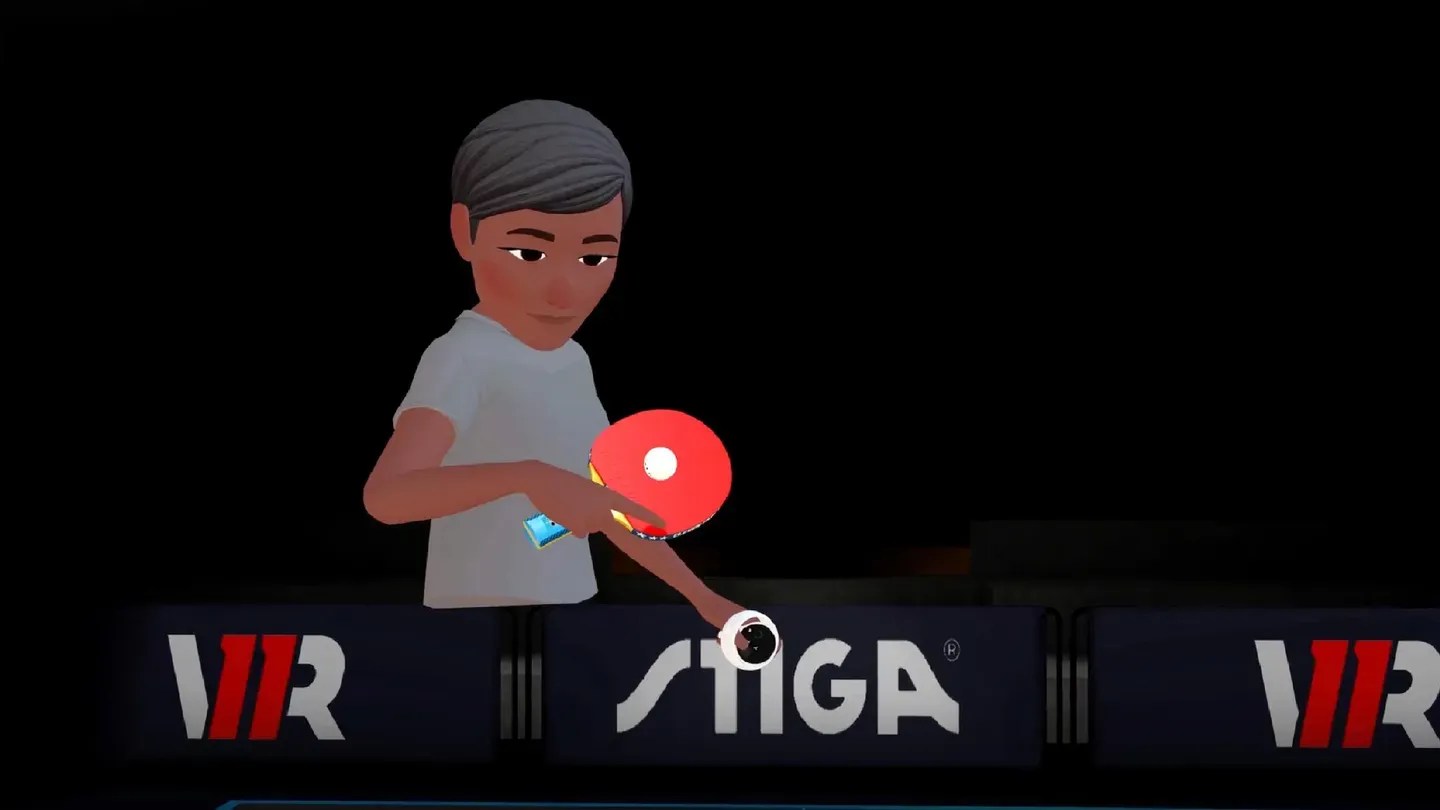
The official Eleven VR site leans hard into that identity. It positions the app around realism, online matchmaking, single-player use, training modes, and a massive number of matches played by the community. That combination matters because it tells you the game is not surviving on novelty alone. It is surviving on repetition. People keep coming back because the core loop still works after the first hour.

Genre and How It Plays
At its core, Eleven Table Tennis is a physics-driven sports sim. You hold a controller like a paddle, read spin and angle, and win points through placement, reaction, and consistency. That may sound straightforward, but it changes the buying decision in an important way. This is not a broad, arcade-style sports party game. It is much closer to a focused skill app. If you enjoy the process of getting better, it becomes unusually sticky. If you want randomness, spectacle, or a loose toybox feel, it may look more disciplined than entertaining.
That focus is also what makes it useful. Some players treat it as a daily warm-up. Some use it as a competitive online ladder game. Some use it because they love table tennis but do not have room, partners, or schedules that support real-life play. Others use it as a social app with a stronger gameplay spine than typical VR hangout spaces. The point is that the same core simulation supports multiple use cases without losing clarity.
What Makes It Different From More Casual VR Sports Games
Eleven Table Tennis does not try to be instantly spectacular. Its appeal grows when a player notices the small things: how easy it is to read the path of a point, how satisfying it feels to adjust placement, how naturally practice turns into longer sessions, and how the app rewards deliberate repetition. That makes it different from sports games that aim to entertain first and simulate second. Eleven goes in the other direction. It bets that precision itself will become compelling once players realize the simulation can support it.
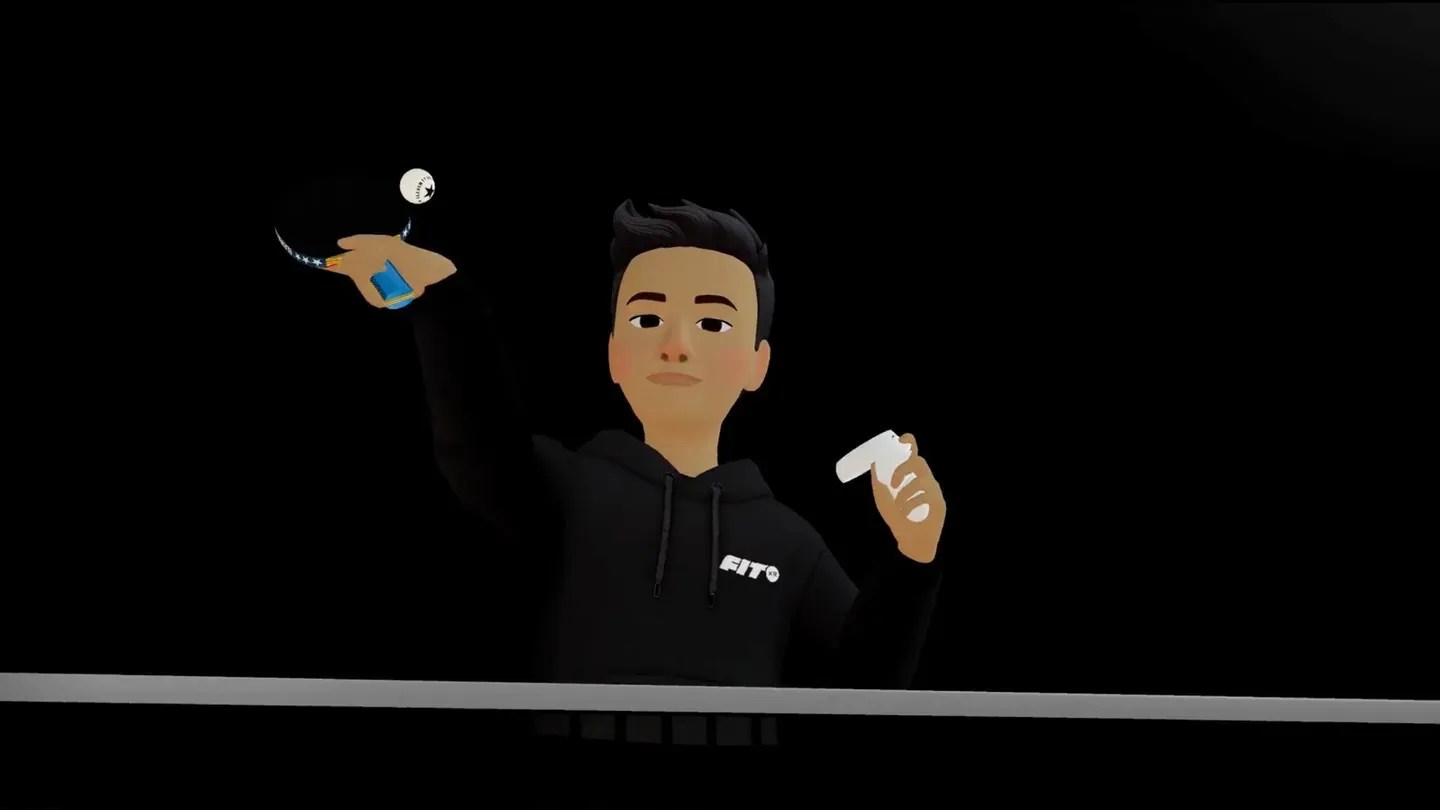
That choice narrows the audience a little, but it also strengthens the product. The app becomes easier to recommend to players who want a sport they can really learn inside VR. It becomes easier to justify at a paid price because the value is not tied to one campaign or one social gimmick. The value comes from whether you believe you will return to improve.
Price and Value for U.S. Buyers
Using a U.S. buyer lens, Eleven Table Tennis has a strong value case when the buyer actually wants realism and replayability. Even when the Meta page exposed from this environment needs currency conversion for a clean USD reference point, the practical question stays the same: will you keep using it after the novelty wears off? For players who like table tennis, practice loops, or honest competitive games, the answer is often yes. That is the difference between an app that looks sensible on a wishlist and an app that becomes part of a weekly routine.
It also helps that the app’s value does not depend on story content or one-time surprises. Skill-based VR ages well when the simulation is strong enough to support repetition. Eleven Table Tennis has spent years proving that it can do that, and the rating volume on the Meta store supports the idea that this is not just a niche recommendation from a tiny player base.
Community Reaction on Meta
The Meta store signal here is hard to ignore. A 4.6 out of 5 average across 11,086 ratings suggests the app has endured not just curiosity purchases, but sustained scrutiny from players who expected the simulation to hold up. In VR, that kind of rating profile means more than a clever trailer. It suggests people played enough, cared enough, and came away convinced enough to publicly endorse it.
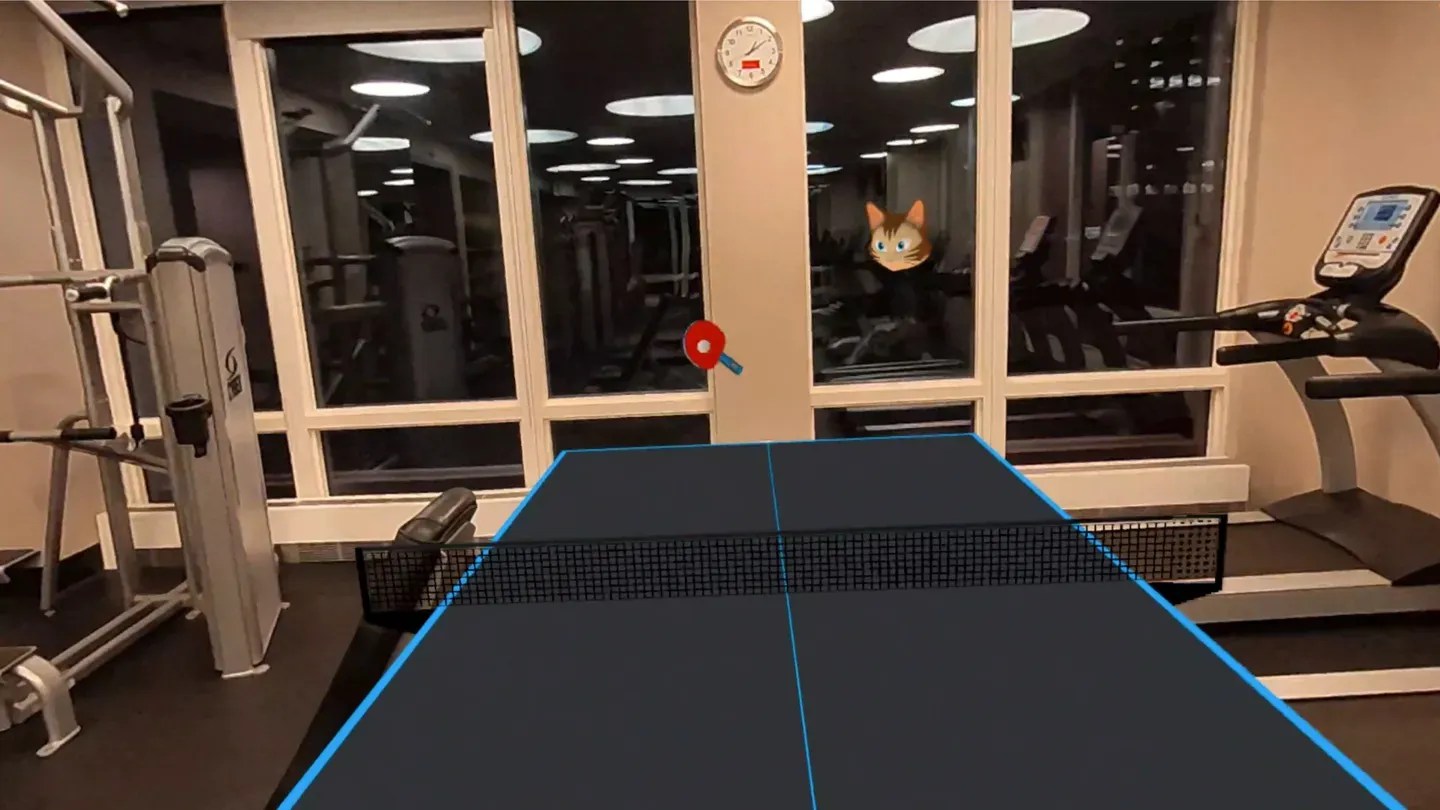
The tone of the official Eleven VR site points in the same direction. It highlights long-term player activity, heavy match volume, and realistic physics as the pillars of the experience. That matches the way the app is usually discussed: not as a one-off showpiece, but as one of the headset’s most credible examples of repeated sports play.
Who Should Play It
This is a strong fit for Quest owners who want one of three things: a serious skill app they can actually improve at, a competitive online game that does not rely on chaos, or a realistic sports simulation that proves VR can do more than novelty entertainment. It also makes sense for players who already enjoy real-world table tennis and want something that respects the sport rather than caricaturing it.
Who is it not for? Buyers who want a party-style sports game, a broad campaign, or a low-attention background experience may find it too focused. Eleven Table Tennis is rewarding, but it asks for engagement. That is exactly why the right audience tends to love it and the wrong audience may admire it more than they actually use it.
Official Sources
The official Meta store page is the best place to check current storefront pricing, device support, and rating data. The official Eleven VR site does a better job showing how the developer frames the product: realism, matchmaking, single-player use, training modes, and large-scale player activity. Together, those two official sources give buyers the clearest picture of what the app is trying to be.
What to Know Before Buying
The biggest thing to understand before buying is that Eleven Table Tennis is not impressive because it is broad. It is impressive because it is narrow and committed. The more you want an honest table tennis simulation, the better the value looks. The more you want variety, spectacle, or casual noise, the less central it may feel in your headset library. That is not a flaw. It is the core product decision.

For the right buyer, though, that focus is exactly the attraction. A Quest library gets stronger when it includes at least one app that can hold attention through skill, not just through presentation. Eleven Table Tennis still earns that spot.
Related app guides
Final Verdict
Eleven Table Tennis still deserves attention because it remains one of VR’s clearest examples of simulation done right. It feels disciplined, repeatable, and convincing in a way that many sports titles never reach. For a U.S. Meta Quest reader in 2026, it is still one of the smartest buys on the platform if the goal is not just to be impressed once, but to keep playing and keep improving.
If today's VR stories push you closer to jumping in, this Meta Quest referral can still give you a $30 credit on an eligible headset purchase.
Official Video
The official ElevenVR site embeds this video as its product video, so it is added here as the visual check before buying.
Continue Reading
Stay in the VR guide loop with these related PlayTechDeep articles.
- Walkabout Mini Golf on Meta Quest: Why It Still Feels Like VR’s Easiest RecommendationA detailed U.S.-focused guide to Walkabout Mini Golf on Meta Quest, including price context, how it plays, why…
- The Climb 2 on Meta Quest: A Scenic VR Climbing Game That Still Makes Palms SweatThe Climb 2 on Meta Quest: a U.S.-focused app guide covering price, scenic VR climbing, city routes, comfort…
- LES MILLS BODYCOMBAT on Meta Quest: A No-Subscription VR Fitness App That Actually Makes You WorkLES MILLS BODYCOMBAT on Meta Quest: a U.S.-focused app guide covering price, no-subscription VR fitness, Mixed…
- Golf+ on Meta Quest: Why It Still Feels Like VR’s Best Serious Golf EscapeA detailed U.S.-focused guide to Golf+ on Meta Quest, covering price context, how it plays, community…