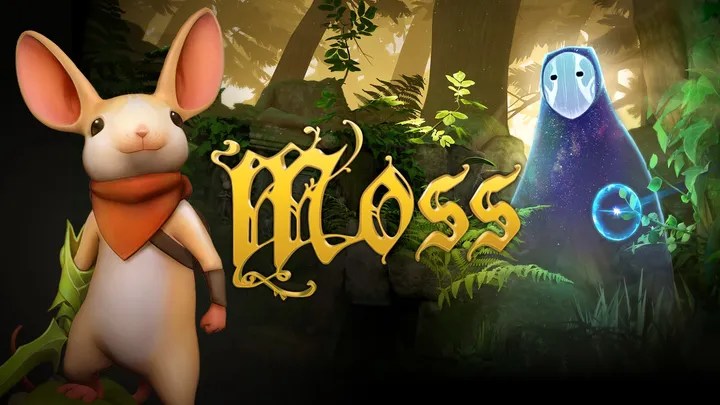
Moss still feels unusual on Meta Quest because it solves a different problem than most VR hits. It is not trying to overwhelm you with scale, speed, or pure spectacle. It is trying to make you care. That sounds simple, but in VR it is surprisingly rare. Many games can impress for ten minutes. Fewer can make the player feel protective, curious, and emotionally present in a handcrafted world that reads more like an interactive storybook than a typical headset showcase. For a U.S.-based Quest reader in 2026, that is why Moss still matters. It remains one of the clearest examples of VR being intimate rather than loud.
Meta Quest referral
If you use this link when buying a Meta Quest headset, you can receive a $30 store credit. Only use it if it feels useful.
Quick Facts Before You Buy
- U.S. price reference: Price can vary on the U.S. store.. Meta pricing can still vary by region, sale timing, and account context.
- Community rating on Meta: 4.8/5 from 7,818 ratings.
- Supported devices shown on Meta: Quest, Quest 2, Quest Pro, Quest 3, Quest 3S.
- Genre: Story-driven action adventure, environmental puzzle solving, exploration, and light combat.
Why Moss Still Stands Out
The biggest strength of Moss is that it understands scale emotionally, not just technically. You are not dropped into a giant sandbox and told to admire the hardware. Instead, you are placed in a close, carefully framed fantasy world and asked to guide Quill, a tiny mouse hero whose animation and personality do an enormous amount of the storytelling work. That design decision changes everything. Instead of feeling like the world exists to show off VR, it feels like VR exists to bring you closer to this specific world.

The official Meta description leans into that by calling Moss a timeless action-adventure puzzle game handcrafted for VR play. That wording fits. The game is remembered less for one giant mechanic than for the way its parts fit together: direct control of Quill, environmental interaction from the player’s higher perspective, gentle puzzles, readable combat, and a storybook atmosphere that makes the whole thing feel warm instead of aggressive. That combination is still hard to find even now.
Genre and How It Plays
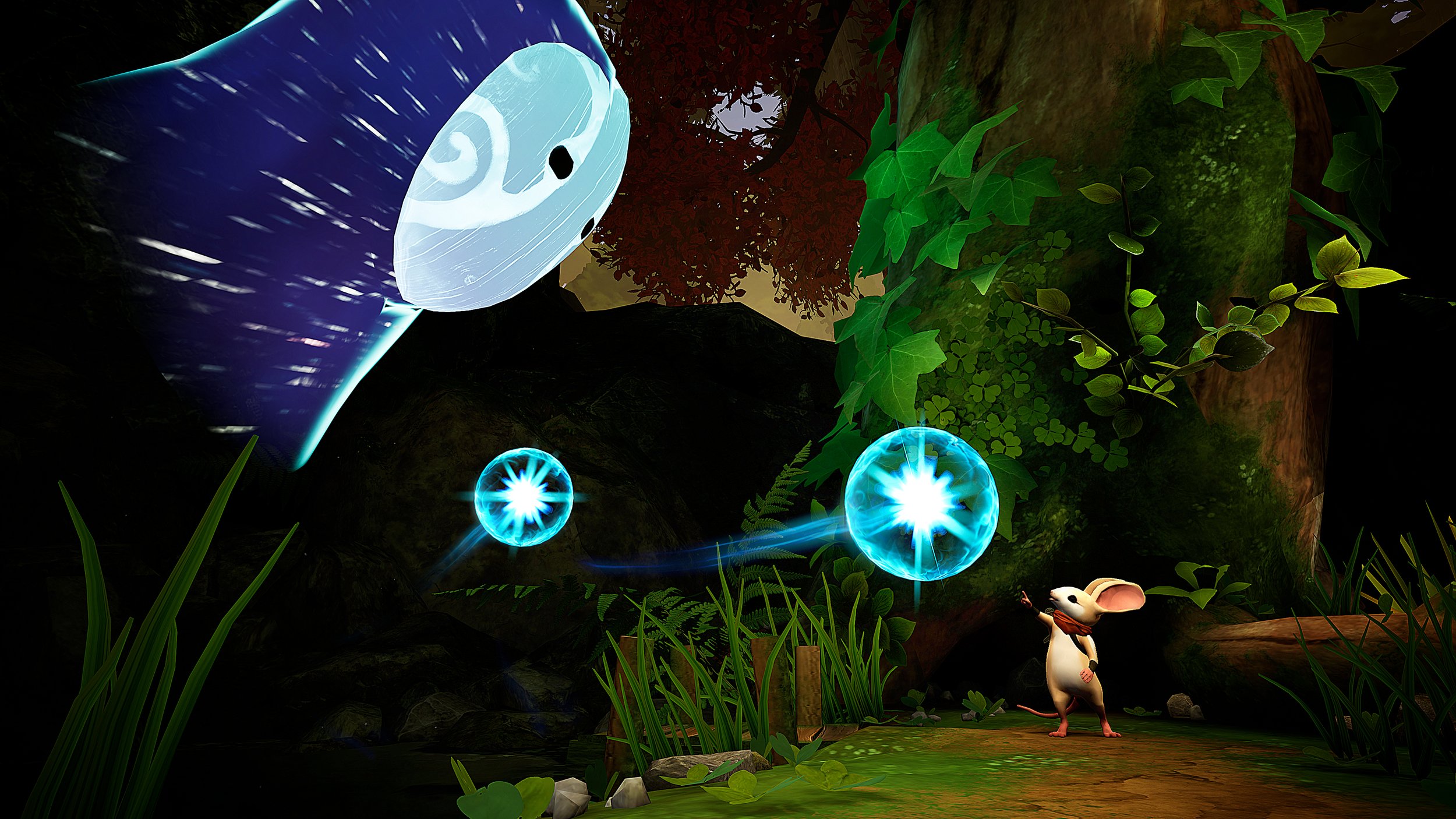
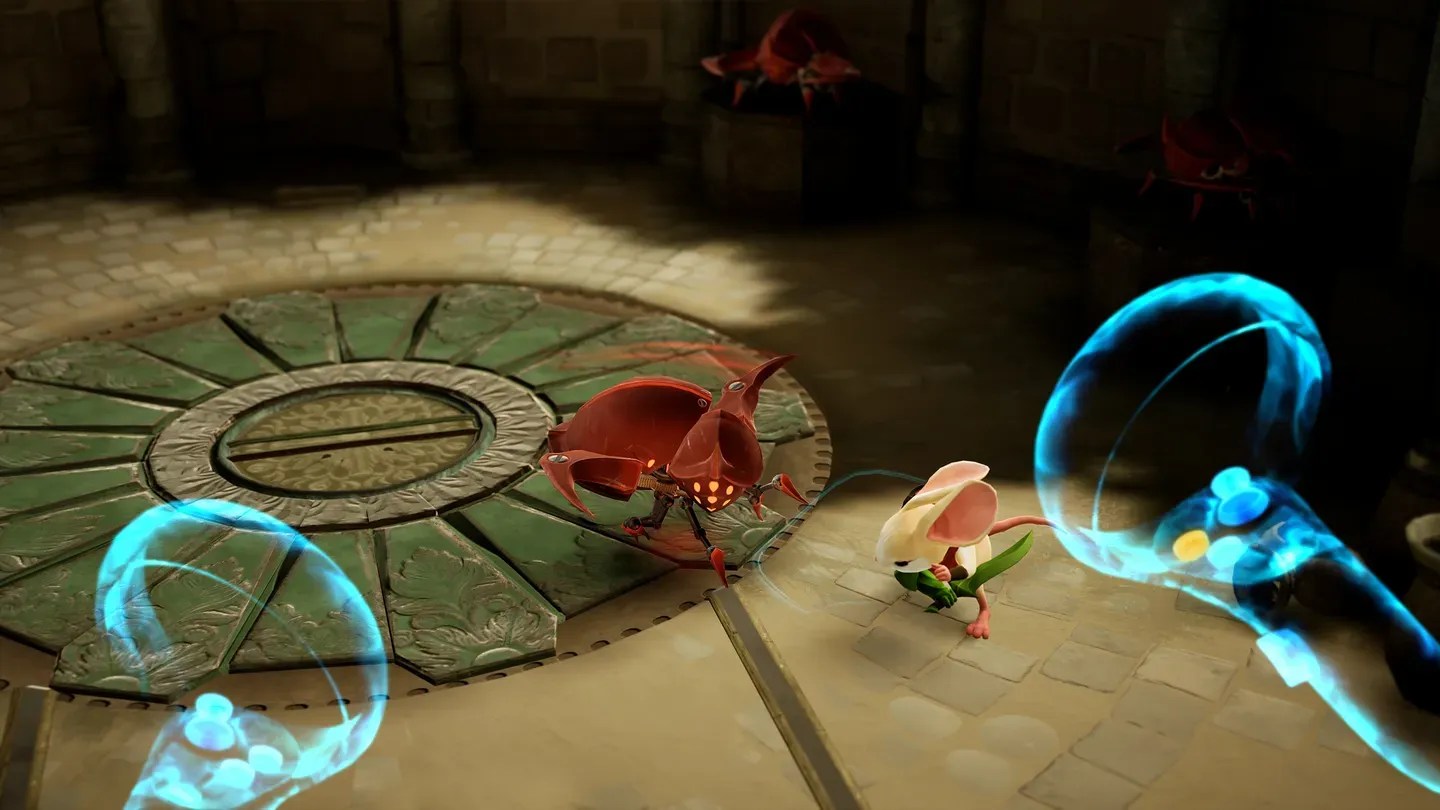
Moss sits in a rare middle space between puzzle adventure and action adventure. You control Quill directly, guiding her through combat spaces, traversal sequences, and environmental challenges, but you also act as a larger presence in the world, reaching in to manipulate objects, move pieces of the environment, and open paths. That dual-role design is what makes the game feel special. You are not only piloting a character. You are collaborating with her.
That collaboration creates a play style that feels different from standard third-person platformers and different from first-person VR adventures. Moss uses VR to add intimacy and physical presence to a structure players already understand. The controls stay approachable, the progression feels readable, and the pacing rarely becomes exhausting. That makes it especially strong for players who want a genuine adventure game without the fatigue or friction that can come with more intense VR systems.
Why It Feels Different From Most Quest Games
Most Quest recommendations lean toward rhythm, fitness, shooting, or social multiplayer because those categories are easy to demonstrate quickly. Moss stands out because it is more literary in tone. Its appeal grows through atmosphere, attachment, and pacing rather than instant adrenaline. That gives it a different kind of staying power. People do not remember Moss only because it looked nice. They remember the feeling of being near Quill, the diorama-like scenes, and the sense that the world was designed to be read with care.
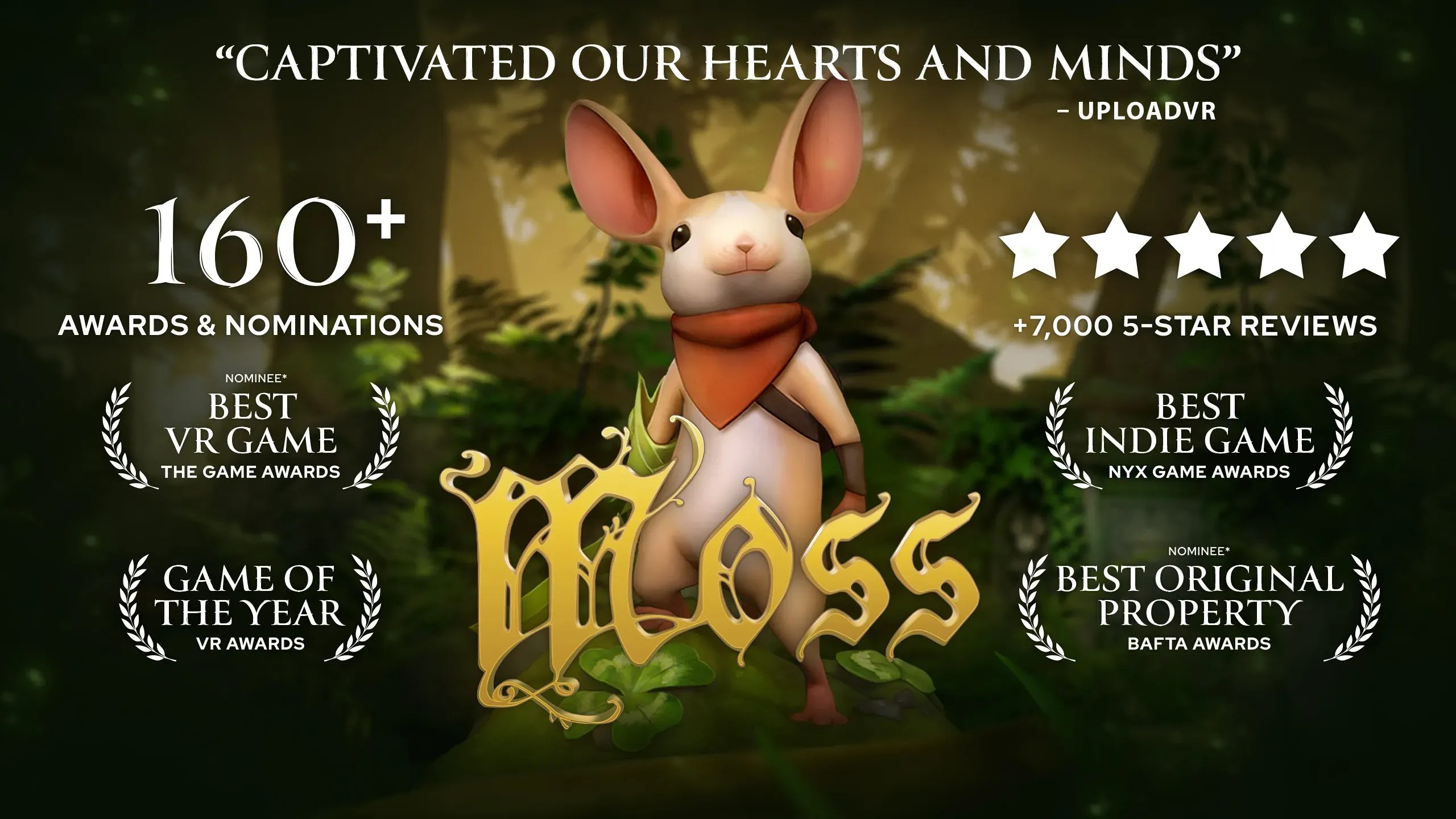
That makes Moss especially useful in a broader library. If the rest of a headset collection is loud, competitive, or physically demanding, Moss becomes the title that proves VR can also be gentle, tactile, and emotionally precise. That variety matters. A platform feels stronger when it can support different moods well, not just different mechanics loudly.
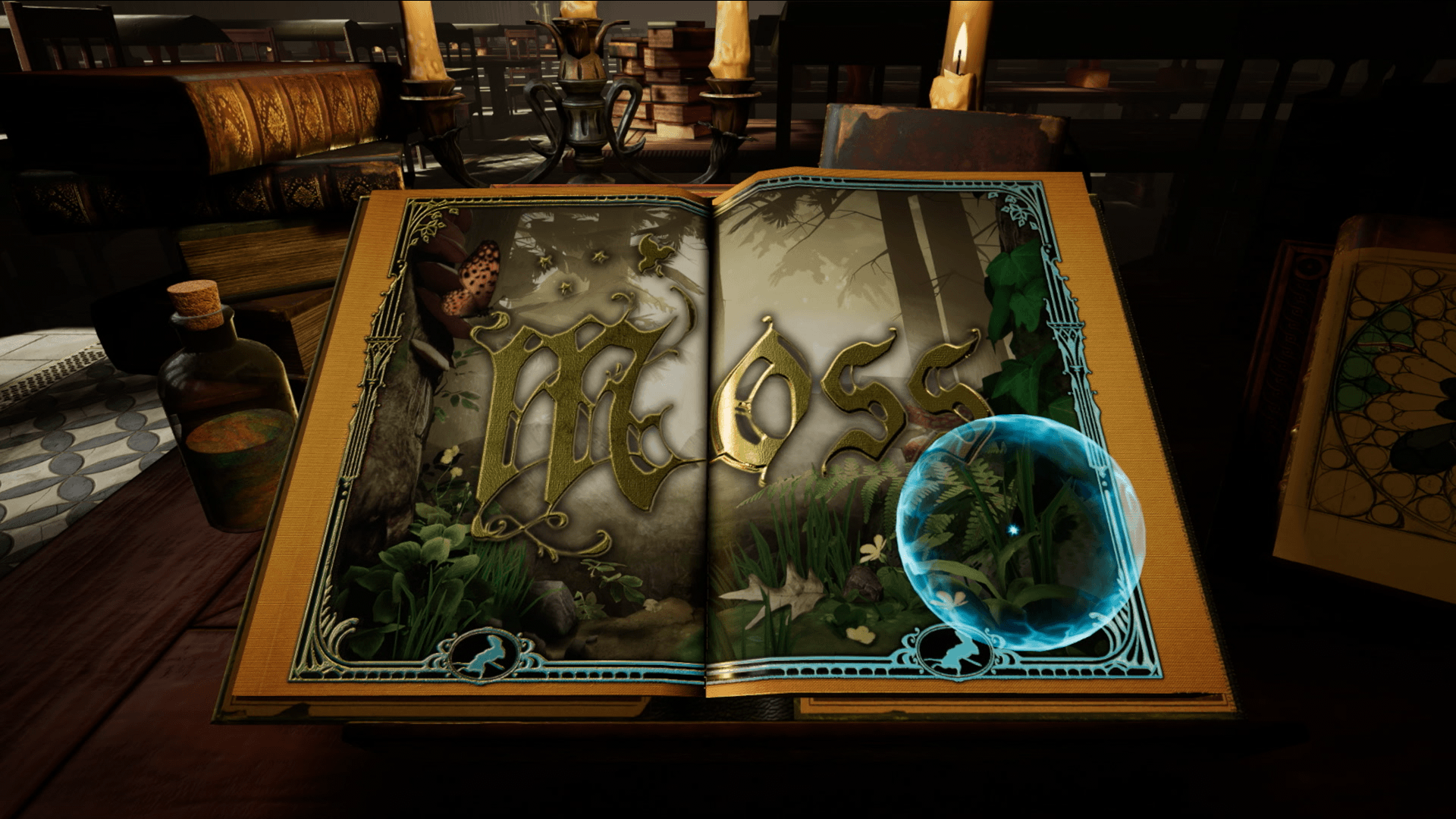
Price and Value for U.S. Buyers
Using a U.S. buyer lens, Moss makes the most sense when the player values craft over endless content hours. This is not the kind of app you buy because you want infinite replay grind. It is the kind of app you buy because you want a memorable, high-quality adventure with a very specific tone. Even when the visible Meta page from this environment requires currency conversion to produce a cleaner USD reference point, the main value question is straightforward: do you want one of the best-crafted story-focused VR adventures on the platform? If the answer is yes, Moss still makes a strong case.
That value case is stronger than it may first appear because polish matters more in adventure games than raw length alone. A shorter but carefully directed game can stay in memory much longer than a bloated one. Moss benefits from exactly that. Its charm, coherence, and presentation help it feel worth recommending years after release.
Community Reaction on Meta
The Meta store profile is another strong signal. A 4.8 out of 5 average across 7,818 ratings tells you the game has held up for a large audience over time. That matters because story-driven VR games can be harder sells than instantly obvious arcade titles. Players who publicly rate an adventure game this highly are usually reacting to execution, not just a clever premise. Moss has clearly continued to earn that goodwill.
The store description even includes an UploadVR quote about Quill’s adventure captivating hearts and minds, which lines up with how the game is commonly remembered. Moss is not usually discussed as a technical curiosity. It is discussed as a beloved VR adventure. That distinction is important for buyers who want more than a genre sample.
Who Should Play It
Moss is a strong fit for Quest owners who want one of three things: a storybook-like VR adventure, a puzzle-action game with approachable structure, or a headset experience that feels emotionally warm instead of mechanically intense. It is also a good recommendation for players who like the idea of VR but are not specifically looking for fitness strain, shooting pressure, or competitive loops. Moss proves the headset can support something quieter without becoming boring.
Who is it not for? If you want endless replay systems, open-world scale, or constant intensity, Moss may feel too measured. That does not make it slight. It just means the game is committed to tone and craft first. For the right audience, that is exactly the point.
Official Sources and Trailer
The official Meta store page is the best place to check current storefront pricing, device support, and rating data. Polyarc’s official Moss page is the better source for how the developer frames the game itself, including screenshots and the official trailer. If you want to see the tone and scale of the adventure before buying, the official Moss trailer is the cleanest starting point.
What to Know Before Buying
The most important thing to understand before buying Moss is that its strength is not volume. It is intimacy. The game is most rewarding when the player wants to slow down, notice details, and enjoy the relationship between perspective, environment, and character. If that sounds appealing, Moss still feels wonderfully distinct on Quest. If you are searching for raw intensity or massive content volume, you may admire it without fully connecting to what it is trying to do.
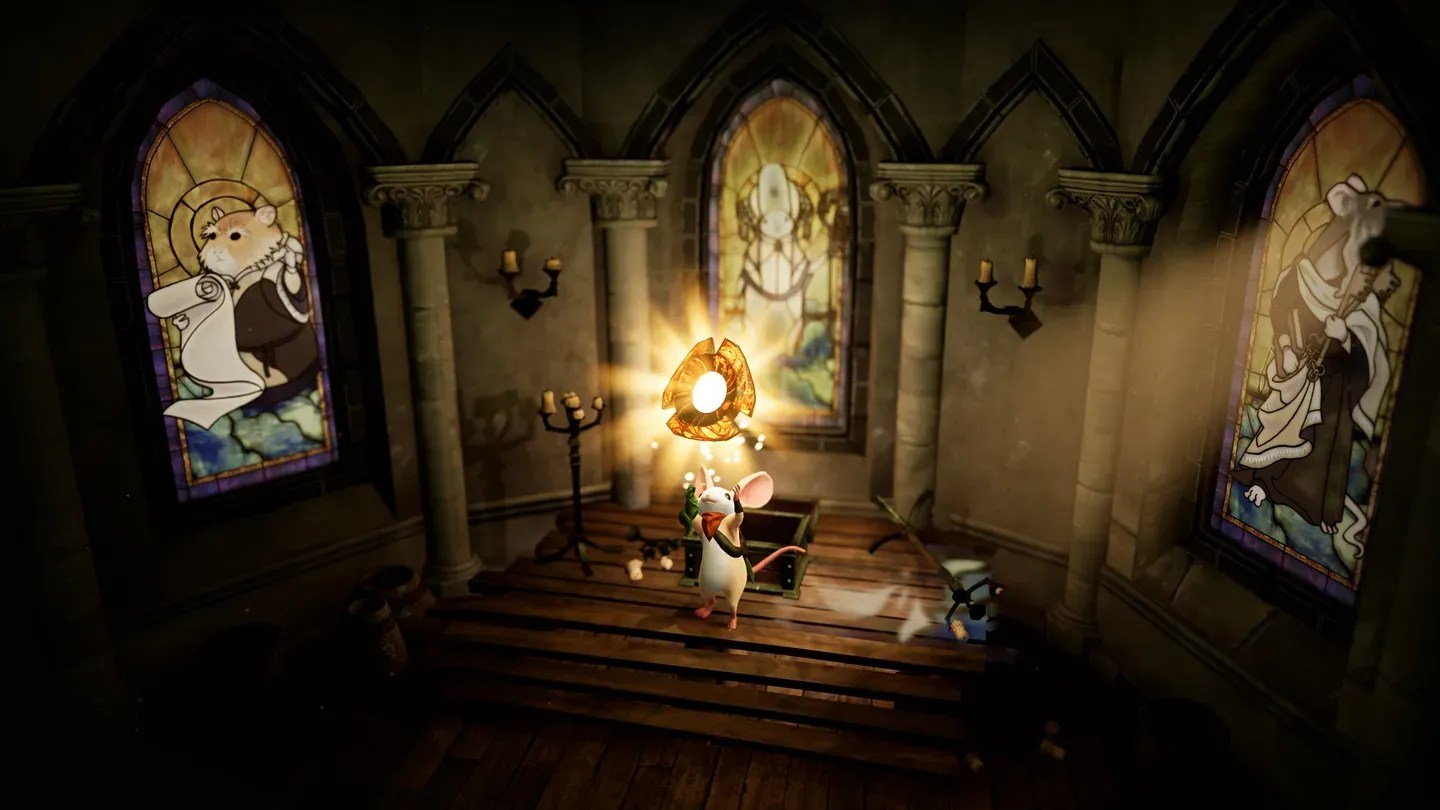
For the right player, though, Moss still represents one of the most graceful uses of VR as a storytelling tool. It makes the headset feel less like a screen strapped to your face and more like a way of leaning into a tiny, living world.
Related app guides
Final Verdict
Moss still deserves attention because it remains one of VR’s most elegant genre pivots. It proves Meta Quest can deliver more than fast loops and big reactions. It can also deliver tenderness, presence, and adventure on a smaller, more human scale. For a U.S. Quest reader in 2026, Moss is still one of the safest recommendations on the platform if the goal is to feel enchanted rather than simply impressed.
If today's VR stories push you closer to jumping in, this Meta Quest referral can still give you a $30 credit on an eligible headset purchase.
Continue Reading
Stay in the VR guide loop with these related PlayTechDeep articles.
- The Curious Tale of the Stolen Pets on Meta Quest: A Tiny Diorama Puzzle Game for Calm VR SessionsThe Curious Tale of the Stolen Pets on Meta Quest: a U.S.-focused app guide covering price, cozy diorama…
- Ghost Giant on Meta Quest: A Small Diorama Story About Helping Someone Feel Less AloneGhost Giant on Meta Quest: a U.S.-focused app guide covering price, diorama story, Louis, puzzles, comfort…
- Down the Rabbit Hole on Meta Quest: A Wonderland Diorama Adventure That Still Feels MagicalDown the Rabbit Hole on Meta Quest: a U.S.-focused app guide covering price, Wonderland diorama adventure…
- Tentacular on Meta Quest: A Weirdly Sweet Physics Puzzle Game With Giant Wobbly TentaclesTentacular on Meta Quest: a U.S.-focused app guide covering price, physics puzzles, giant tentacles, sandbox…