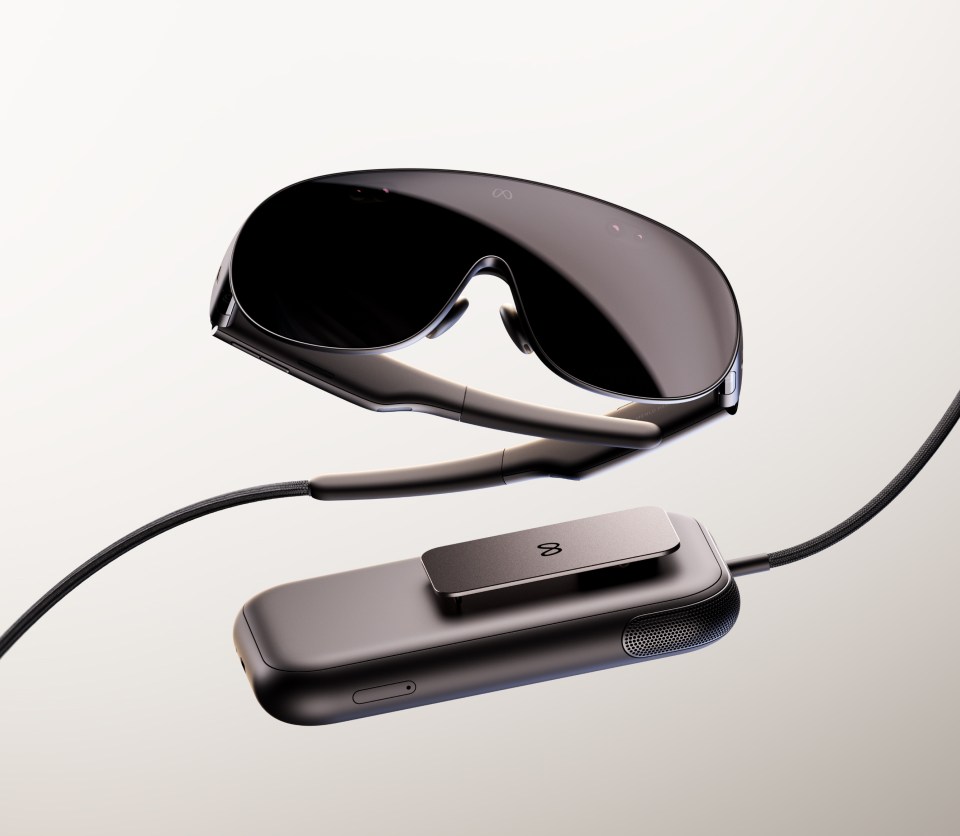

I Expect You To Die still feels special on Meta Quest because it understands how to turn stillness into tension. Instead of throwing the player into endless movement, it locks them into carefully staged danger and dares them to think their way out. That is a great fit for VR. Presence makes every trap, gadget, and ticking mistake feel more immediate, while the seated structure keeps the whole experience readable and focused. For a U.S.-based Quest reader in 2026, the real question is not whether the premise is clever. It is whether the game still holds up as a spy puzzle worth buying now. It does, and it still offers something that surprisingly few VR games do as well: compact, high-concept problem solving with personality.
Meta Quest referral
If you use this link when buying a Meta Quest headset, you can receive a $30 store credit. Only use it if it feels useful.
Quick Facts Before You Buy
- U.S. price reference: Price can vary on the U.S. store.. Meta pricing can still vary by region, sale timing, and account context.
- Community rating on Meta: 4.8/5 from 6,228 ratings.
- Supported devices shown on Meta: Quest 2, Quest Pro, Quest 3, Quest 3S, Quest.
- Genre: Spy puzzle, seated escape-room style interaction, environmental logic, and dark comedy.
Why I Expect You To Die Still Stands Out
The biggest strength of I Expect You To Die is how clearly it understands its own fantasy. You are a secret agent, but not in the usual power-fantasy sense of sprinting through explosions. You are the kind of spy who survives by noticing one suspicious object too late, improvising with telekinesis, and undoing a chain of bad outcomes before the mission collapses. That narrower fantasy gives the game its identity. The danger feels theatrical, the puzzles feel designed around stagecraft, and the humor works because the game knows you are supposed to be brilliant under ridiculous pressure.
The official Schell Games page describes it as a VR escape-the-room puzzle game built around surviving deadly situations in dangerous locales using bravery, cunning, and a top-secret telekinetic device. That is still the cleanest summary. The app works because every mission starts with a strong premise and then lets the player gradually realize just how many ways things can go wrong. That loop remains one of the most satisfying structures in VR puzzle design.

Genre and How It Plays
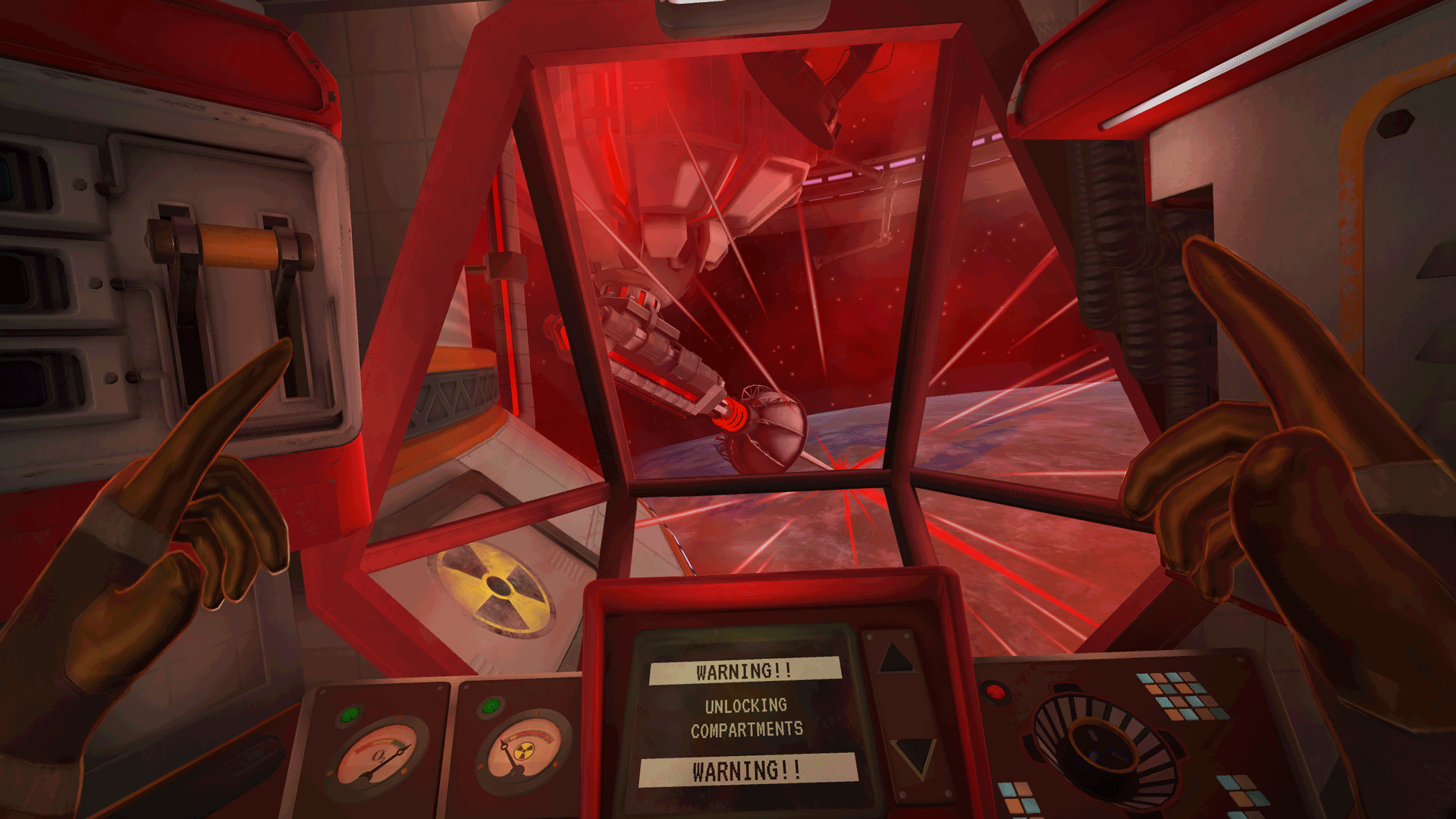
At its core, I Expect You To Die is a seated puzzle game. You are placed in a mission scenario and must manipulate nearby objects, inspect clues, test mechanisms, and avoid lethal outcomes. The telekinesis mechanic is crucial because it lets the player interact across space without breaking the fantasy of being stuck in a dangerous setup. Instead of physically walking around a level, you pull the level toward you. That is a smart VR decision. It keeps the game comfortable while still making the environment feel interactive and alive.
This also makes the game unusually accessible for players who prefer lower-motion VR. The challenge comes from sequencing, observation, and experimentation rather than from locomotion or physical strain. That puts it in a different category from many Quest favorites. It is less about speed and more about timing your understanding. When it works, the result feels clever instead of merely busy.
Why It Feels Different From Other Puzzle Games
Many VR puzzle games emphasize atmosphere or pure mechanical challenge. I Expect You To Die adds performance. Every mission feels like a miniature set piece with its own logic, comic timing, and failure states. You are not just solving a system. You are surviving a scenario that was almost built to embarrass you. That mix of humor and hazard is what gives the game so much personality. It keeps failure from feeling flat, because even mistakes are usually staged in memorable ways.
That structure also helps the game age well. Strong mission design does not lose value just because newer hardware exists. If the problems are still elegant and the scenarios are still entertaining, the game remains recommendable. I Expect You To Die benefits from exactly that kind of design durability.
Price and Value for U.S. Buyers
Using a U.S. buyer lens, I Expect You To Die makes sense for players who value dense mission design over endless content volume. This is not a sandbox or a giant progression treadmill. It is a curated puzzle experience built around memorable setups. Even when the visible Meta page from this environment needs currency conversion to produce a cleaner USD reference point, the main value question stays simple: do you want one of the best high-concept seated puzzle games on Quest? If yes, the purchase is still easy to defend.
The value case is helped by the fact that the game offers replayable satisfaction even without endless randomness. A well-designed mission can be enjoyable to revisit because the pleasure comes not only from getting the answer, but from mastering the sequence and understanding how cleverly it was constructed in the first place.
Community Reaction on Meta
The Meta store profile is another strong signal. A 4.8 out of 5 average across 6,228 ratings suggests the game has continued to earn goodwill well beyond launch curiosity. That matters because seated puzzle games do not automatically pull in mass audiences in VR. A profile this strong means the concept, writing, and mission design have all held up for a large number of players.
From a searcher’s perspective, that helps reduce the usual concern around puzzle purchases: will this feel clever in the right way, or just fiddly? The store response strongly suggests it lands on the right side of that line.
Who Should Play It
I Expect You To Die is a strong fit for Quest owners who want one of three things: a comfortable seated VR game, a puzzle experience with strong personality, or a spy-themed adventure that values wit more than brute force. It is especially good for players who like escape-room logic but want something more theatrical and polished than a generic room full of locks.
Who is it not for? If you want open-ended exploration, long-form narrative wandering, or physically demanding gameplay, it may feel too contained. But that containment is also the point. The game is designed like a series of elegant traps, not a sprawling world.
Official Sources and Trailer
The official Meta store page is the best place to check current storefront pricing, device support, and rating data. Schell Games’ official I Expect You To Die page is the better source for how the studio frames the fantasy and mission setup. If you want a quick sense of the tone and staging before buying, the official trailer is the cleanest starting point.
What to Know Before Buying
The most important thing to understand before buying I Expect You To Die is that the game is built around scenario design, not freedom of movement. If you want to feel like an improvisational genius trapped inside a deadly stage set, it still feels fantastic. If you want broad exploration or constant variation in pacing, it may feel more controlled than expected. That control is not a weakness. It is the core design strength.
For the right player, that focus still pays off beautifully. The game remains one of the best reminders that VR does not need scale to feel memorable. It just needs the right idea, staged with confidence.
Related app guides
Final Verdict
I Expect You To Die still deserves its reputation because it remains one of VR’s smartest blends of puzzle logic, comfort, and personality. It is focused, funny, and cleverly designed in a way that still feels fresh on Meta Quest. For a U.S. Quest reader in 2026, it remains one of the safest buys on the platform if the goal is to feel clever, cornered, and constantly one mistake away from disaster in exactly the way a great spy puzzle should.
If today's VR stories push you closer to jumping in, this Meta Quest referral can still give you a $30 credit on an eligible headset purchase.
Continue Reading
Stay in the VR guide loop with these related PlayTechDeep articles.
- Best VR Games in 2026: The Essential Meta Quest GuideAn evergreen guide to the best VR games in 2026 for Meta Quest owners, covering beginners, fitness, co-op…
- Ghosts of Tabor on Meta Quest: Is This Extraction Shooter Worth the Risk?Ghosts of Tabor on Meta Quest: a U.S.-focused app guide covering price, extraction gameplay, loadouts, raid…
- Moss on Meta Quest: Why It Still Feels Like VR’s Warmest Storybook AdventureA detailed U.S.-focused guide to Moss on Meta Quest, covering price context, how it plays, community response…
- Walkabout Mini Golf on Meta Quest: Why It Still Feels Like VR’s Easiest RecommendationA detailed U.S.-focused guide to Walkabout Mini Golf on Meta Quest, including price context, how it plays, why…