
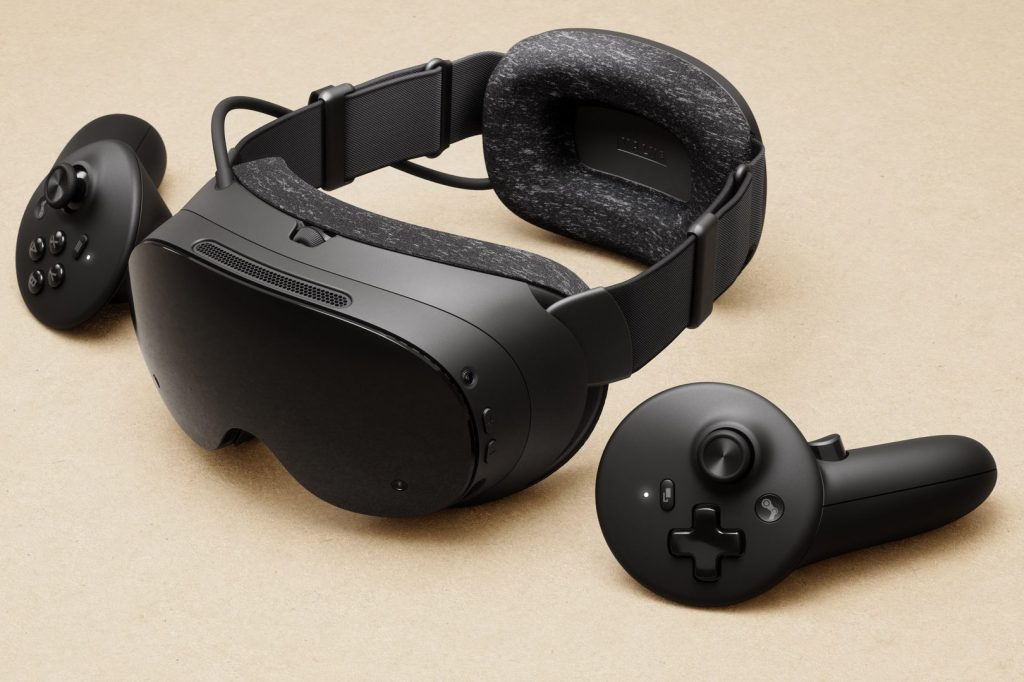
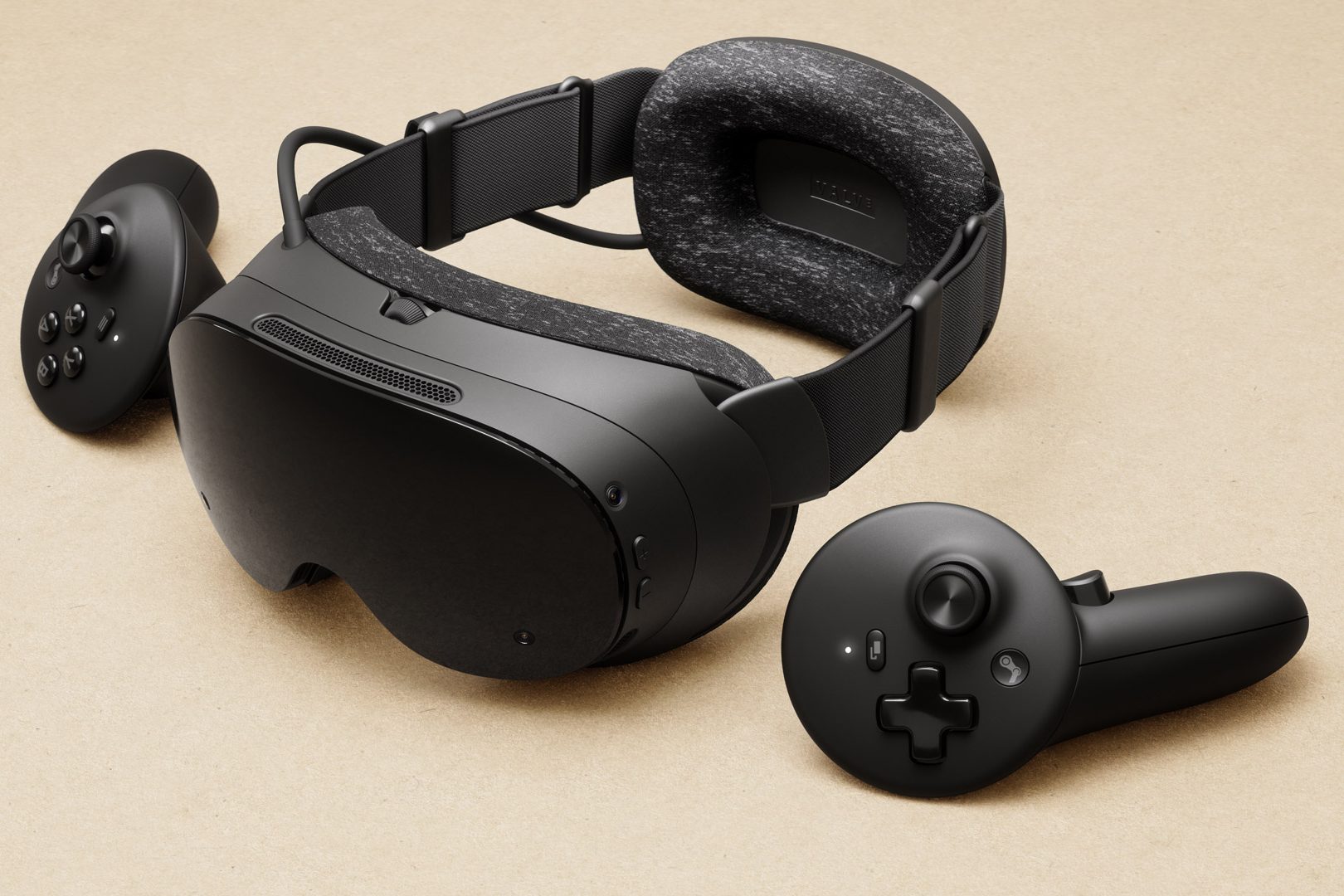
September 12, 2026: Valve’s latest SteamVR update leads today’s VR coverage, with the software change appearing to set the stage for the long-awaited standalone Steam Frame headset. The wider news cycle also includes the closure of Moss developer Polyarc Games, a reported spatial-capture limitation affecting Apple’s iPhone Duo, a strong comfort assessment of the Pimax Dream Air, and an immersive look at the changing World Trade Center Memorial Plaza.
Meta Quest referral
If you use this link when buying a Meta Quest headset, you can receive a $30 store credit. Only use it if it feels useful.
Valve’s SteamVR Update Puts Steam Frame in Focus
Source: Road to VR
Valve has dropped a sizeable update to SteamVR, and the timing points toward a possible next step for Steam Frame, the company’s long-awaited standalone VR headset. Road to VR describes the update as paving the way for what appears to be an imminent launch. That wording matters: the update is a meaningful signal, but it does not establish a confirmed release date.
The immediate questions remain practical ones. The supplied report does not provide details about supported headsets, launch timing, price, or availability. It also does not establish whether the update is designed primarily for current SteamVR hardware, for Steam Frame, or for both. Those unanswered points will determine how significant the update is for people already using PC VR and for readers waiting to see what Valve’s standalone hardware will offer.
For now, the clearest reading is that SteamVR has moved into an important preparation phase. A software update arriving ahead of a possible hardware launch can make the headset feel closer to release, but it is not the same as a public launch announcement. Readers considering an upgrade should therefore treat the update as evidence of movement around Steam Frame rather than as confirmation that the headset is available.
PlayTechDeep’s related coverage also tracks the growing stream of Steam Frame material, including the page titled VR News for August 21, 2026: Steam Frame Unboxing & Setup Videos Leak, Pointing to Imminent Launch. Read alongside the new SteamVR report, that headline gives the current story more context while leaving the same central details unresolved: Valve’s public confirmation, availability, and price.
Polyarc’s Shutdown Leaves Moss and Glassbreakers Questions Open
Source: UploadVR
Polyarc Games, the developer of the two Moss VR games and Glassbreakers: Champions of Moss, has shut down. The news affects a studio with an established place in VR, and its significance extends beyond the closure itself because players may now be looking more closely at what happens to those games over the longer term.
Support, updates, and continued improvement are natural concerns when a developer closes. The shutdown may also affect confidence in future releases connected to the studio. However, the supplied report does not state that the existing games have stopped working, provide a support schedule, or explain whether another company will take responsibility for them. Those outcomes should not be treated as settled.
The confirmed point is the studio’s closure. Everything beyond that remains a question for players who own or follow Polyarc’s VR titles. For Moss fans, the story is a reminder that a game’s future can depend on the health of the developer behind it. For people considering a title from the studio, the relevant information is not a confirmed technical change but the uncertainty created by the shutdown.
iPhone Duo Appears Unable to Capture Spatial Media
Source: UploadVR
Apple’s $2000 iPhone Duo has two rear cameras, but it seemingly cannot capture spatial photos or video for viewing on Apple Vision Pro. The limitation concerns the creation of spatial media, making it a specific feature issue rather than a complete verdict on every connection between the phone and Apple’s headset.
That distinction is important for anyone evaluating the wider Apple ecosystem. A device can have a particular camera arrangement and still serve other phone-related purposes, but users expecting to create spatial photos or video will want to understand this reported limitation before making a purchase decision. The story therefore raises a focused question about how Apple’s phone hardware and headset experiences fit together.
The supplied information does not explain whether the limitation could change through software, identify an alternative capture method, or describe the full set of iPhone Duo and Vision Pro capabilities. The defensible takeaway is narrower: despite having two rear cameras, the iPhone Duo seemingly does not provide the spatial-photo and spatial-video capture expected for Vision Pro viewing.
Pimax Dream Air Draws Strong Comfort Praise
Source: Tom’s Guide
Tom’s Guide’s long-term review describes the Pimax Dream Air as “the most comfortable PCVR headset I’ve worn” and calls it “one of the best PC VR headsets you can buy.” The first assessment focuses on the reviewer’s experience of wearing the headset, while the second expresses a broader judgment about its position among PC VR headsets.
Comfort is especially relevant to a long-term headset review because it affects whether a device is pleasant to keep using. The supplied material does not provide the review’s specifications, price, display details, or a comparison chart. As a result, the strongest supported conclusion is the reviewer’s positive assessment of comfort and overall quality, not a complete buying recommendation based on every aspect of the headset.
Readers comparing PC VR hardware should also keep the wording in context. “Most comfortable” describes the reviewer’s experience, and “one of the best” is an evaluative opinion rather than an independently verified ranking of all available headsets. Those judgments make the Dream Air worth a closer look for comfort-focused buyers, while the review itself remains the necessary source for details not included in today’s summary.
VR Revisits the World Trade Center Memorial Plaza
Source: CBS News
WJZ’s Denise Koch takes an immersive look, using virtual reality technology, at how the World Trade Center Memorial Plaza evolved over the years. The report places VR in a documentary and public-history setting, where immersion is used to help audiences examine changes to a significant location.
This is a different kind of VR story from the hardware coverage. It is centered on the memorial plaza and its evolution, rather than on a headset launch, a product review, or a platform feature. The supplied information does not identify a specific headset, technical format, or wider availability details, so the report is best understood as an example of VR being used to present a changing place through an immersive experience.
Related PlayTechDeep Coverage
Readers following today’s stories can continue with related coverage on Steam Frame, Meta’s headset work, and a Meta Quest game review:
- VR News for August 21, 2026: Steam Frame Unboxing & Setup Videos Leak, Pointing to Imminent Launch
- I Am Janitor Meta Quest Review (2026): Gameplay, Price, and Who It Fits
- VR News for September 11, 2026: First Clear Visuals Of Meta’s Project Phoenix Headset Found In Quest Firmware
Together, the linked stories offer additional context for readers comparing possible headset launches, following developments found in firmware, or deciding which Quest games deserve attention. They also provide a way to separate confirmed reporting from the questions that remain open in today’s coverage.
Meta Quest referral
If today’s VR stories push you closer to jumping in, this Meta Quest referral can still give you a $30 credit on an eligible headset purchase.

 PlayTechDeep VR