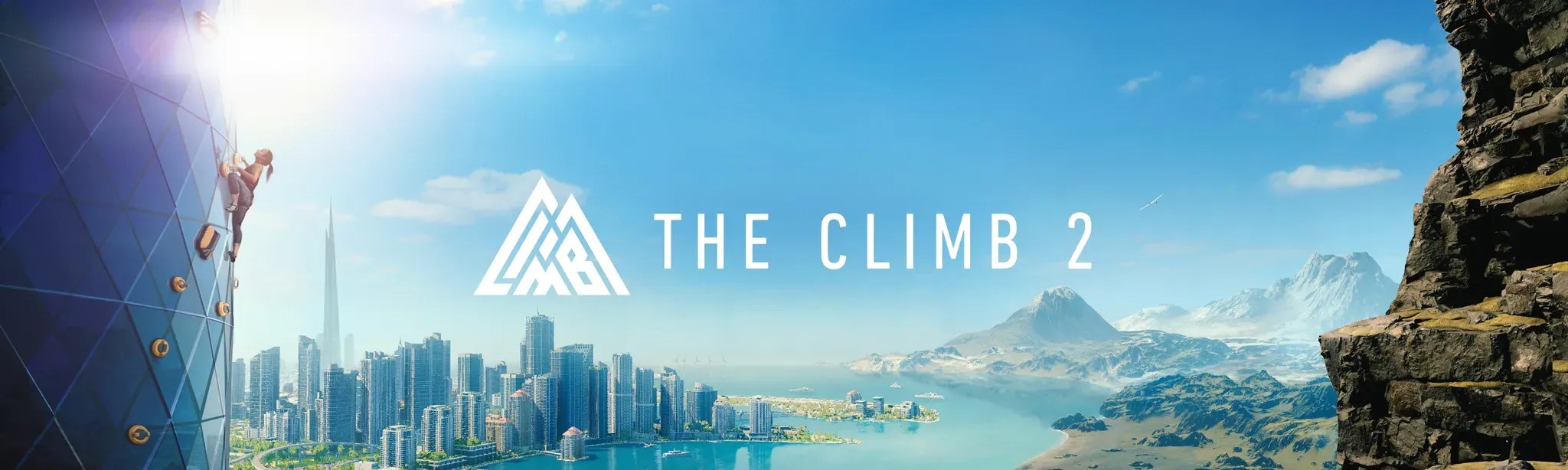
The Climb 2 is the Meta Quest app I recommend when someone wants VR to create a feeling before it creates a fight. The feeling is simple: you are high up, your hands are tired, the next hold is just out of reach, and your brain knows perfectly well that the floor is still underneath you but decides to panic anyway.
Quick climbing answer
The Climb 2 is best for Quest owners who want scenic VR movement without combat. The hook is hand-over-hand climbing, height tension, and short routes that feel physical even when the rules stay simple.
- Best fit: players who want heights, scenery, and physical arm movement.
- Main appeal: climbing routes, city and nature views, and quick replayable challenges.
- Skip if: fear of heights or arm fatigue makes VR climbing uncomfortable.
That makes it a sharp change after Vacation Simulator. Vacation Simulator is cheerful, safe, and playful. The Climb 2 is still accessible, but it trades silly object comedy for height, route reading, grip management, and scenic tension. It is not a combat game. It is a sweaty-palms postcard.
Meta Quest referral
If you use this link when buying a Meta Quest headset, you can receive a $30 store credit. Only use it if it feels useful.
Quick Buyer Snapshot
- Genre: VR climbing, sports simulation, scenic adventure, time-trial route challenge, and height-focused comfort test.
- Developer / publisher: Crytek.
- U.S. price context: approximately USD $24.44.
- Best for: players who want scenic standalone VR, physical arm movement, route mastery, height tension, leaderboard chasing, and a non-combat experience with strong headset presence.
- Play mode: VRDB lists Single User, while public descriptions reference asynchronous leaderboard competition.
- Player modes: VRDB lists Sitting and Standing support.
- Comfort context: VRDB lists Moderate comfort.
- Headset support: Meta lists support for Quest, Quest 2, Quest Pro, Quest 3, Quest 3S.
Why The Climb 2 Still Has a Place
The Climb 2 still has a place because few Quest games sell height this directly. Crytek’s official page describes epic peaks, vast caves, skyscrapers, shortcuts, multiplayer competition, and leaderboards. The launch press release says the game released on March 4, 2021 for $29.99, with fifteen new maps, five real-world-inspired environments, and a new City environment.
That is the useful buyer frame. This is not a giant RPG, a social hangout, or a physics sandbox. It is a focused climbing fantasy. The question is whether you want a headset game built around reach, grip, route choice, and altitude.
How It Plays on Quest
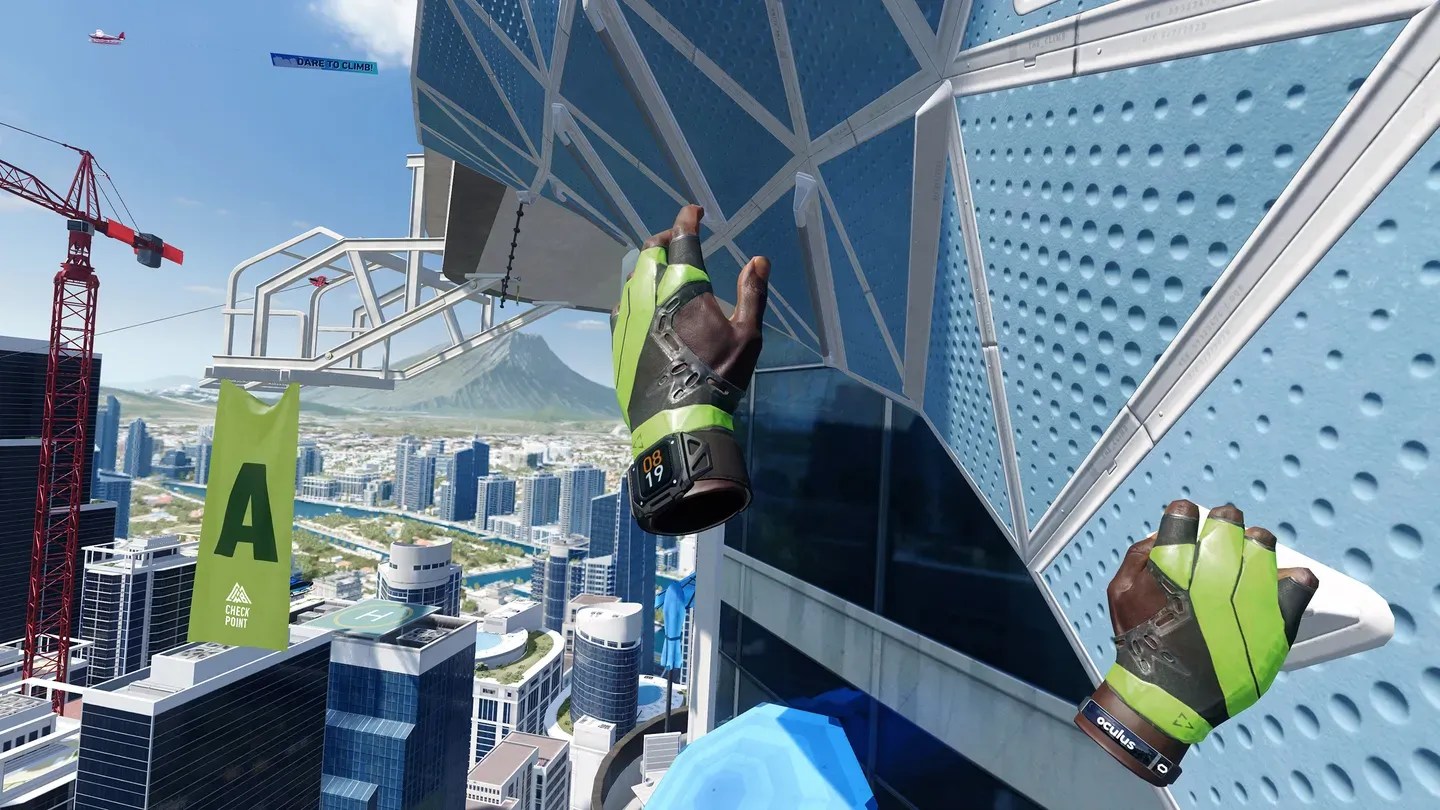
The basic loop is easy to grasp. You reach for handholds, pull yourself upward, manage stamina, use chalk, jump between holds, avoid bad grips, and try to find faster routes. The controls are simple enough for casual players to understand, but the best times require planning and clean movement.
That makes The Climb 2 more game-like than a pure sightseeing app. The views matter, but the route is the real activity. You are always deciding whether to move safely, risk a jump, look for a shortcut, or slow down before your virtual grip gives out.
The City Routes Are the Big Sequel Hook
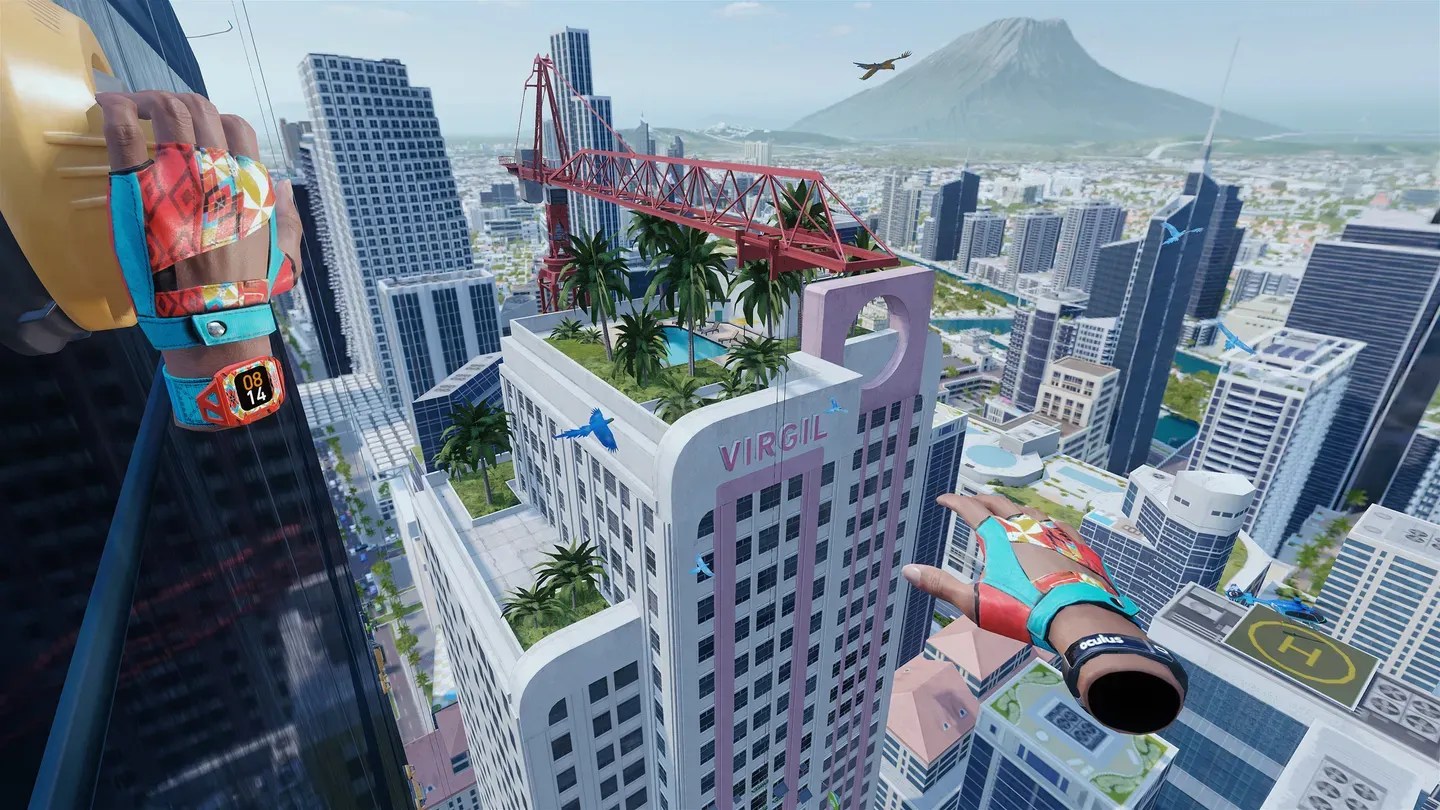
The city setting is what makes The Climb 2 easy to explain in one screenshot. Mountains are beautiful, but skyscrapers create a different kind of vertigo. Looking down from an urban route can feel more immediate because the scale is familiar: windows, rooftops, cranes, streets, and buildings you understand from real life.
That is why the city routes are so important for a Quest recommendation. They give the app a sharper identity than simply being another pretty nature experience. A rooftop climb is instantly legible even to someone who has never played a climbing game.
Natural Routes Still Carry the Travel Fantasy
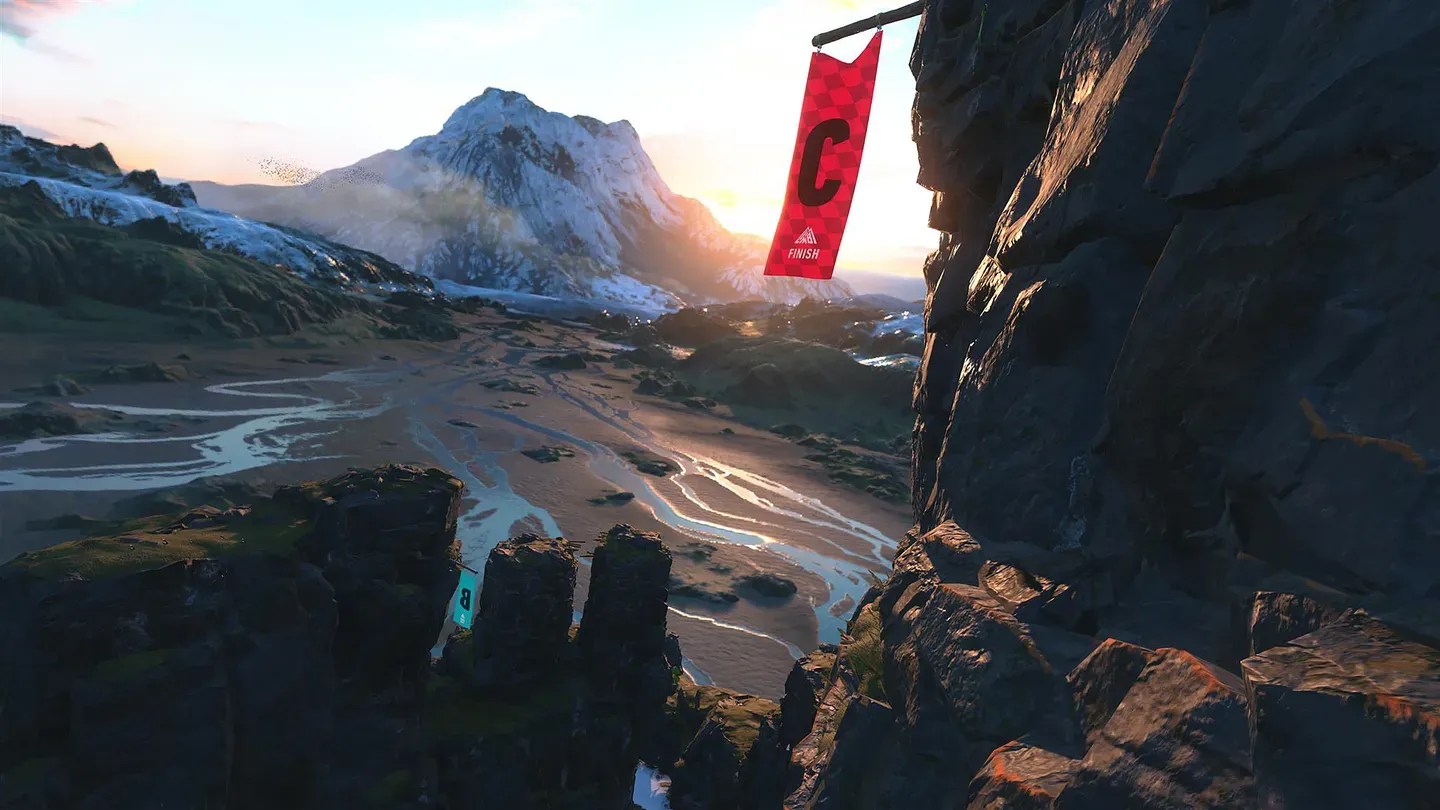
The Climb 2 is not only urban. Crytek’s launch material references environments inspired by the real world, including snowy Arctic-style routes, canyon heat, caves, and cliffs. Those spaces give the game its travel-poster side: huge sky, long drops, distant mountains, and that quiet VR trick where your living room becomes a cliff face.
This is where the game works for players who want VR without constant aggression. You can feel tension and accomplishment without shooting anything. That gives The Climb 2 a useful role in a varied Quest library.
Route Mastery Gives It More Replay Than It First Suggests
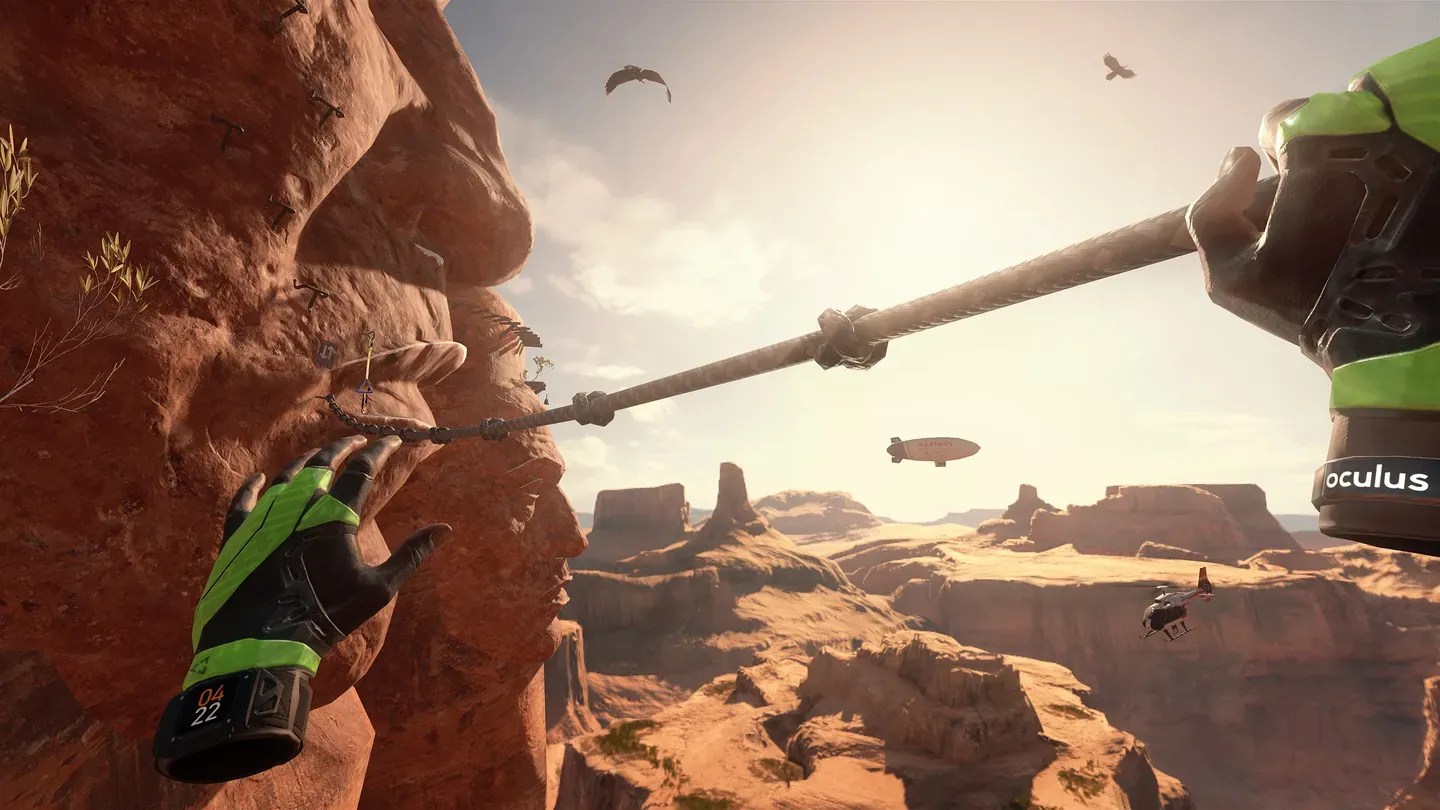
At first glance, The Climb 2 can look like a one-and-done scenic game. Climb the route, admire the view, move on. The replay value comes from route mastery: cleaner paths, better timing, shortcuts, collectibles, achievements, and leaderboard chasing.
Quest Store DB public snapshots also note developer posts about new challenges, freestyle levels, and a free expansion pack. That history matters because the app was not only a launch route bundle. It received additional challenge content that helps the long-term value case.
Price, Rating, and Community Signals
Meta currently shows a 4.3 out of 5 rating from about 3,187 ratings. VRDB currently tracks a $29.99 U.S. price, a 4.3-star Very Positive Quest rating from more than 3.1K verified-owner ratings, Single User mode, Sitting and Standing support, and Moderate comfort. Quest Store DB similarly lists $29.99, roughly 3.2K ratings, Quest 1 through Quest 3S compatibility, and prior sale lows. OpenCritic lists a 76 Top Critic Average with 78% of critics recommending it.
Those signals are solid but not perfect. The Climb 2 is respected because it delivers a specific sensation well, not because it offers endless content for every player. It is a focused purchase.
What It Does Better Than Many Scenic VR Apps
The Climb 2 gives scenery a job. Many beautiful VR apps let you look around but do not ask your body to participate meaningfully. This one makes the view part of the challenge. The higher you climb, the more the landscape becomes pressure.
It also uses simple physical verbs that fit VR naturally: reach, grab, pull, look, jump, rest. Those actions explain themselves. That is why the app can work for both experienced VR players and guests who understand climbing even if they do not play games.
Where It May Disappoint
The Climb 2 may disappoint players who want deep systems, multiplayer co-op, story, combat, or long-form campaign progression. It is a route-based climbing game. The core pleasure is getting up, doing it cleaner, and chasing better times or collectibles.
The Moderate comfort rating also matters. Height tension is not motion sickness, but it can still be intense. Players afraid of heights may find the game thrilling, stressful, or both. New VR users should start slowly and use seated play if needed.
Who Should Buy It
Buy The Climb 2 if you want a scenic Quest game that turns height into gameplay. It is a strong fit for players who like physical movement, solo challenges, leaderboards, beautiful environments, and non-combat VR experiences that still create adrenaline.
It is also a good library balance pick. After shooters, fitness apps, rhythm games, and sandbox games, The Climb 2 gives the headset a clean vertical fantasy: look up, reach, climb, breathe.
Who Should Wait
Wait if you need long campaigns, multiplayer hangouts, story depth, or frequent new content. Also wait for a sale if you are buying mainly out of curiosity. The app’s value depends on whether the climbing loop itself appeals to you.
If the idea of scaling a skyscraper in your living room makes your palms react before your brain finishes the sentence, The Climb 2 still has the magic trick it needs.
Official Store Page
Use the official Meta Quest store page to confirm live U.S. pricing, supported headsets, comfort details, current rating, and sale timing before buying.
Official Video
The Meta Quest launch trailer shows the point immediately: grip, swing, climb, look down, regret looking down, and keep going anyway.
Final Recommendation
The Climb 2 is worth recommending because it gives Meta Quest a focused scenic challenge that still feels specific to VR. It does not need enemies or a huge story. It needs height, hands, and a route that makes you hesitate.
My recommendation is strongest for players who want a non-combat VR app with physical presence and replayable routes. Buy it if you want a climbing fantasy that is easy to understand and hard not to feel. Skip it if you want deep progression or social play. The Climb 2 is narrow, but when it works, it works with your palms.
If today's VR stories push you closer to jumping in, this Meta Quest referral can still give you a $30 credit on an eligible headset purchase.
Continue Reading
Stay in the VR guide loop with these related PlayTechDeep articles.
- Walkabout Mini Golf on Meta Quest: Why It Still Feels Like VR’s Easiest RecommendationA detailed U.S.-focused guide to Walkabout Mini Golf on Meta Quest, including price context, how it plays, why…
- LES MILLS BODYCOMBAT on Meta Quest: A No-Subscription VR Fitness App That Actually Makes You WorkLES MILLS BODYCOMBAT on Meta Quest: a U.S.-focused app guide covering price, no-subscription VR fitness, Mixed…
- Golf+ on Meta Quest: Why It Still Feels Like VR’s Best Serious Golf EscapeA detailed U.S.-focused guide to Golf+ on Meta Quest, covering price context, how it plays, community…
- Eleven Table Tennis on Meta Quest: Why It Still Feels Like VR’s Most Convincing Sports SimA detailed U.S.-focused guide to Eleven Table Tennis on Meta Quest, including price context, realism…