

April 12, 2026 put three different kinds of VR stories next to each other: platform tooling, communication training, and headset history. None of them looks like a blockbuster game announcement at first glance. Together, they explain why VR keeps moving forward in uneven but useful ways: engines improve, professional use cases mature, and old hardware ideas keep informing what comes next.
Meta Quest referral
If you are already planning to buy a Meta Quest headset, this referral link may give you a $30 store credit on eligible purchases. No pressure; it is simply here if it helps.
The Meta Unity Deal Is About the Tools Behind the Apps
The Meta Unity story matters because most players only see the final app icon, not the production stack underneath it. If Unity and Meta keep aligning on immersive and AI-powered tools, developers get more reason to target Quest with better optimization and faster iteration. That is especially important for small studios, where a rough build pipeline can be the difference between a promising prototype and a polished store release.
VR Communication Training Is Quietly Becoming Practical
The University of Miami communication project shows a different side of VR: shared interpretation, training, and collaboration. A headset is not only a screen strapped to your face. In the right setting, it can put people around the same object, create a common scene, and make discussion more physical. That is why healthcare, education, and workplace training keep returning to VR even when consumer hype rises and falls.
Oculus Go Still Explains Part of Quest’s DNA
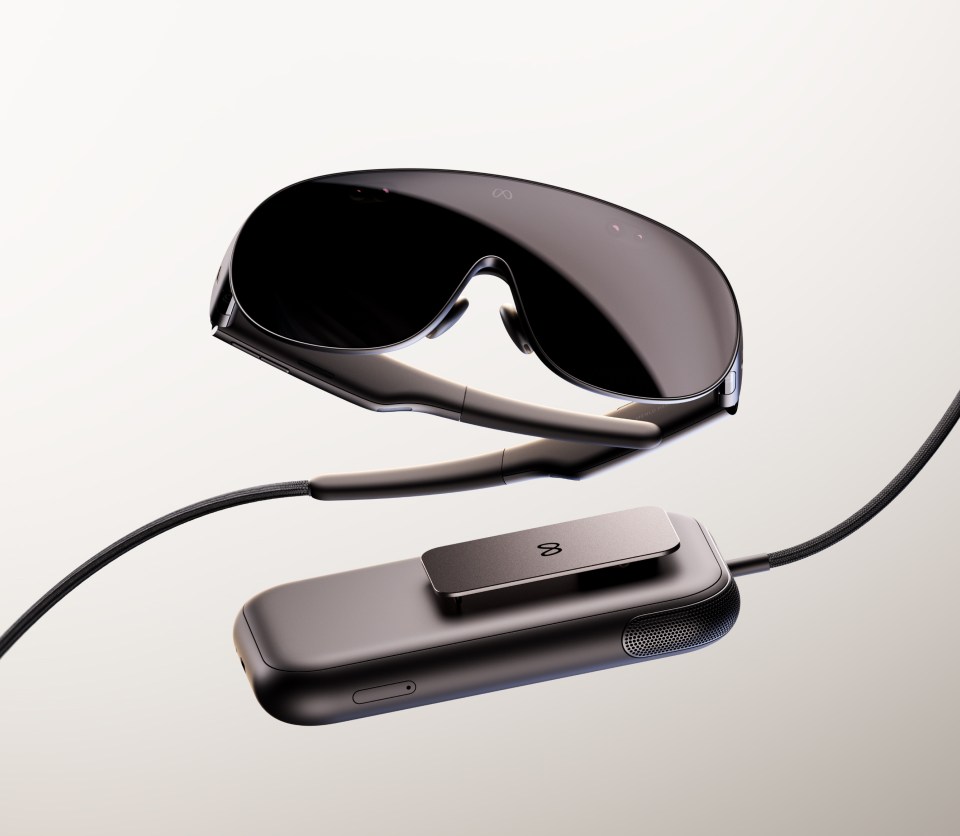
The old Oculus Go signal is useful because it reminds buyers how much the market has changed. Go was lightweight and accessible, but limited by three-degree-of-freedom controls and a more passive media-first design. Quest succeeded because it moved the baseline toward room-scale tracking, hand controllers, and standalone games. When you compare old and new headsets, the lesson is not nostalgia; it is that input quality and freedom of movement matter as much as display specs.
The Buyer Takeaway
If you are choosing what to play or buy now, treat this day as a platform-health check. Stronger engine partnerships may help future apps. Training projects prove that VR still has serious use cases outside games. Oculus Go history shows why modern standalone headsets are better suited to active play. The safest purchase path remains simple: buy for the apps and use cases you can name today, then treat future platform promises as a bonus.
Sources
- Yahoo Finance: Meta Unity VR deal and Unity Software
- Technobezz: Meta blocks law firm ads
- Miami Herald: VR communication training at University of Miami
- Mashable: Facebook, Xiaomi, Qualcomm and Oculus Go
- AJC: Atlanta VR space experience coverage
Keep Reading
If one of these stories made you want a more practical buying path, these PlayTechDeep guides are the best next stops.
If today’s VR stories push you closer to jumping in, this Meta Quest referral can still give you a $30 credit on an eligible headset purchase: https://www.meta.com/referrals/link/vr_gogogo