April 11, 2026 was a good reminder that VR’s future is not moving in one straight line. One story pointed toward scent and sensory experiments. Another focused on the practical pain of stable VR racing performance. A third turned a major sci-fi property into a mixed-reality mission. The useful pattern is that immersive media is splitting into more specific lanes: sensation, simulation, story, and serious market growth.
Meta Quest referral
If you are already planning to buy a Meta Quest headset, this referral link may give you a $30 store credit on eligible purchases. No pressure; it is simply here if it helps.
Scent Tech Is Still Weird, but It Points to Presence
Scent-based VR can sound like a novelty until you think about what presence actually means. Headsets already handle sight, sound, motion, and hand input. Smell is harder, messier, and less standardized, but it is also one of the senses most tied to memory. For home users, this is not a reason to wait for aroma hardware before buying a Quest. It is a signal that the industry is still looking for ways to make virtual scenes feel less like screens and more like places.
iRacing VR Settings Show the Unsexy Side of Immersion
The BoxThisLap iRacing piece is the kind of practical article VR players actually need. Racing in VR can be spectacular, but only when frame rate, clarity, and comfort stay stable. That makes settings work part of the experience, not a side chore. The lesson applies beyond iRacing: whenever an app moves fast, your comfort depends on performance consistency more than maximum visual detail.
Project Hail Mary Makes Mixed Reality Feel Story-Led
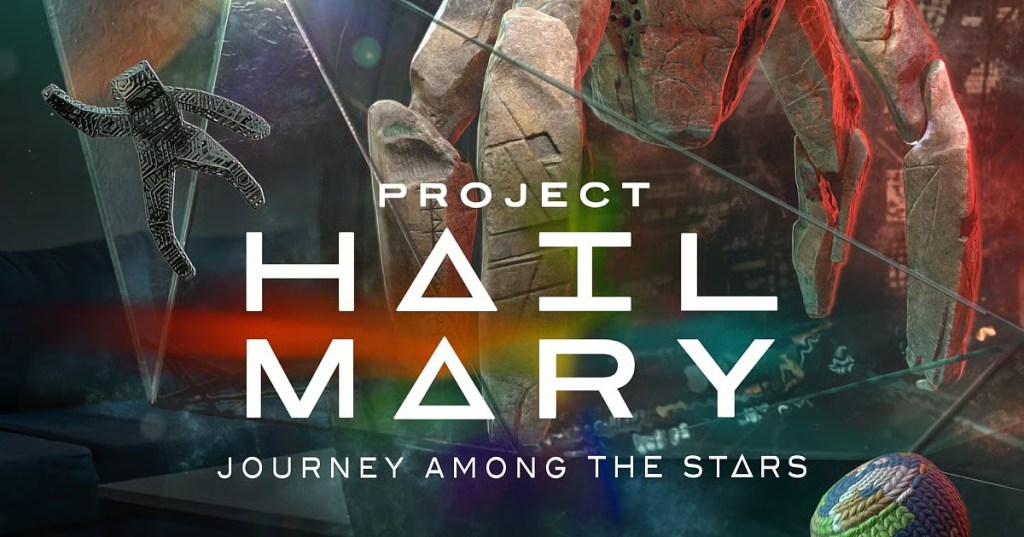
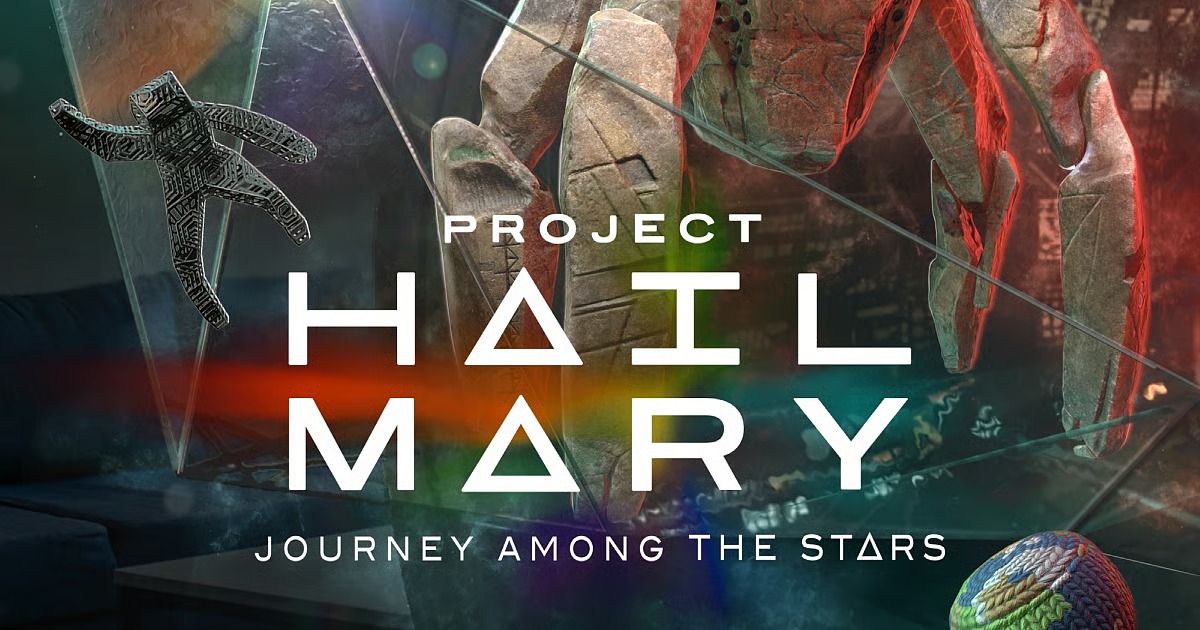
The Project Hail Mary MR announcement is the most clickable entertainment signal of the day. A mixed-reality game tied to Andy Weir’s story gives Quest 3-style hardware a clear job: bring a fictional mission into the player’s real room. That is different from simply porting a flat game into VR. The strongest MR ideas use your room as part of the fiction, so your sofa, desk, or floor stops being background and becomes part of the scene.
What to Do With These Signals
If you are buying or recommending VR, sort apps by the experience they promise. Racing and simulation need stable performance. Story-led MR needs good room setup and passthrough comfort. Experimental sensory tech is interesting, but not yet a mainstream buying reason. The strongest current Meta Quest path is still to start with proven games and then branch into experimental apps once you know what kind of immersion you actually enjoy.
Sources
- Calgary Herald: scent tech and aromatic VR headsets
- BoxThisLap: stable FPS settings for iRacing in VR
- ScreenRant: Fallout New Vegas VR mod coverage
- openPR: Virtual Reality Games Market analysis
- Outlook Respawn: Project Hail Mary MR game
Keep Reading
If one of these stories made you want a more practical buying path, these PlayTechDeep guides are the best next stops.
If today’s VR stories push you closer to jumping in, this Meta Quest referral can still give you a $30 credit on an eligible headset purchase: https://www.meta.com/referrals/link/vr_gogogo